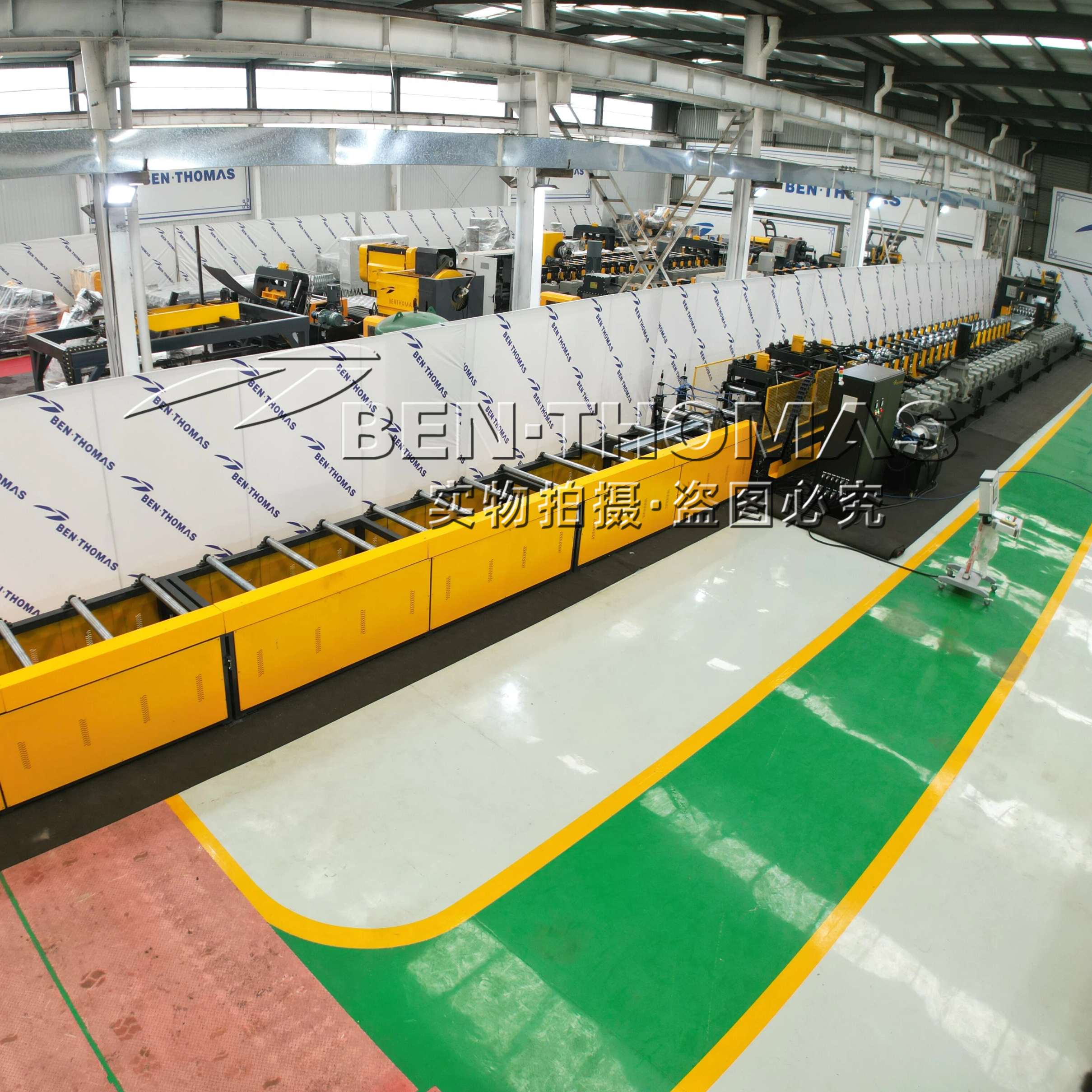
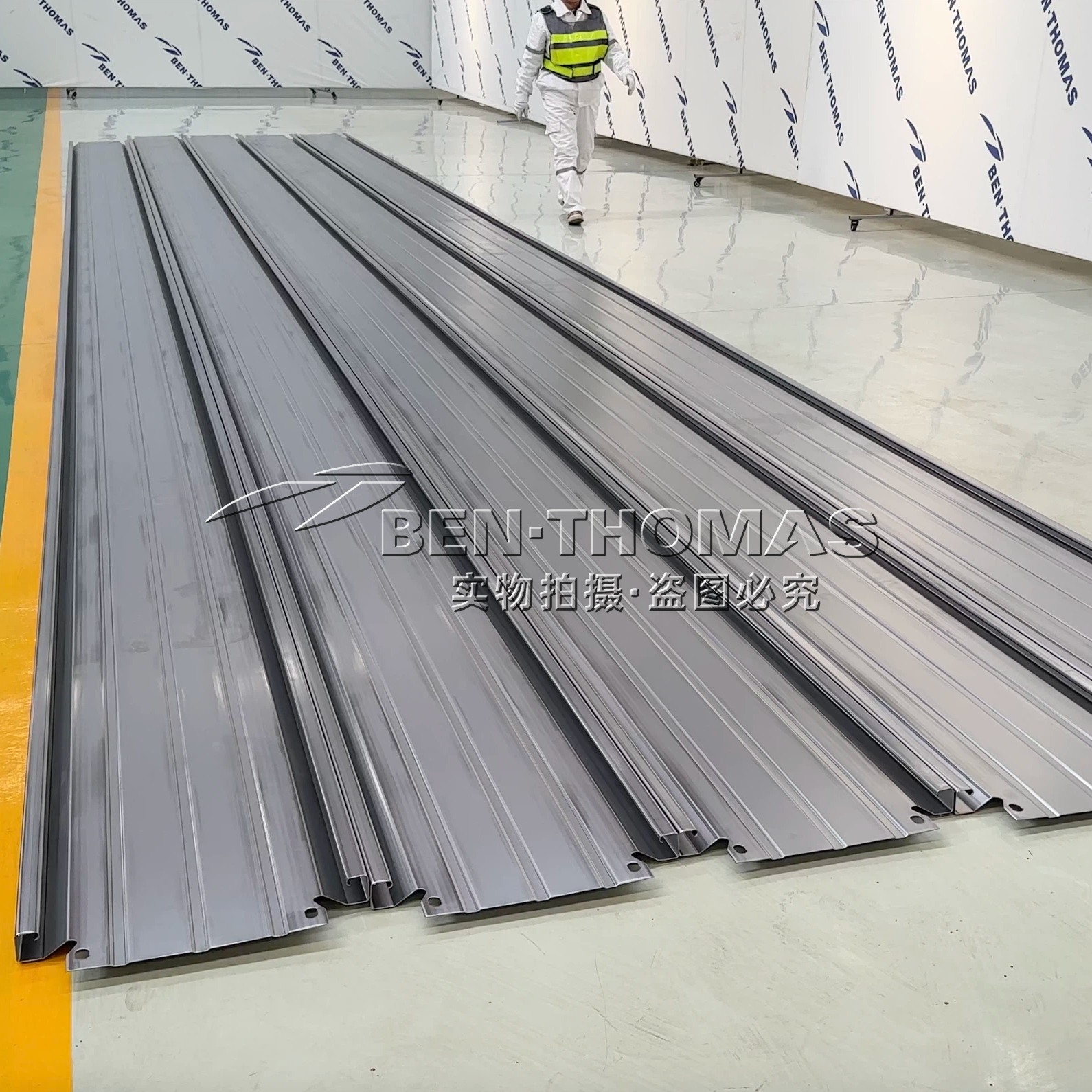
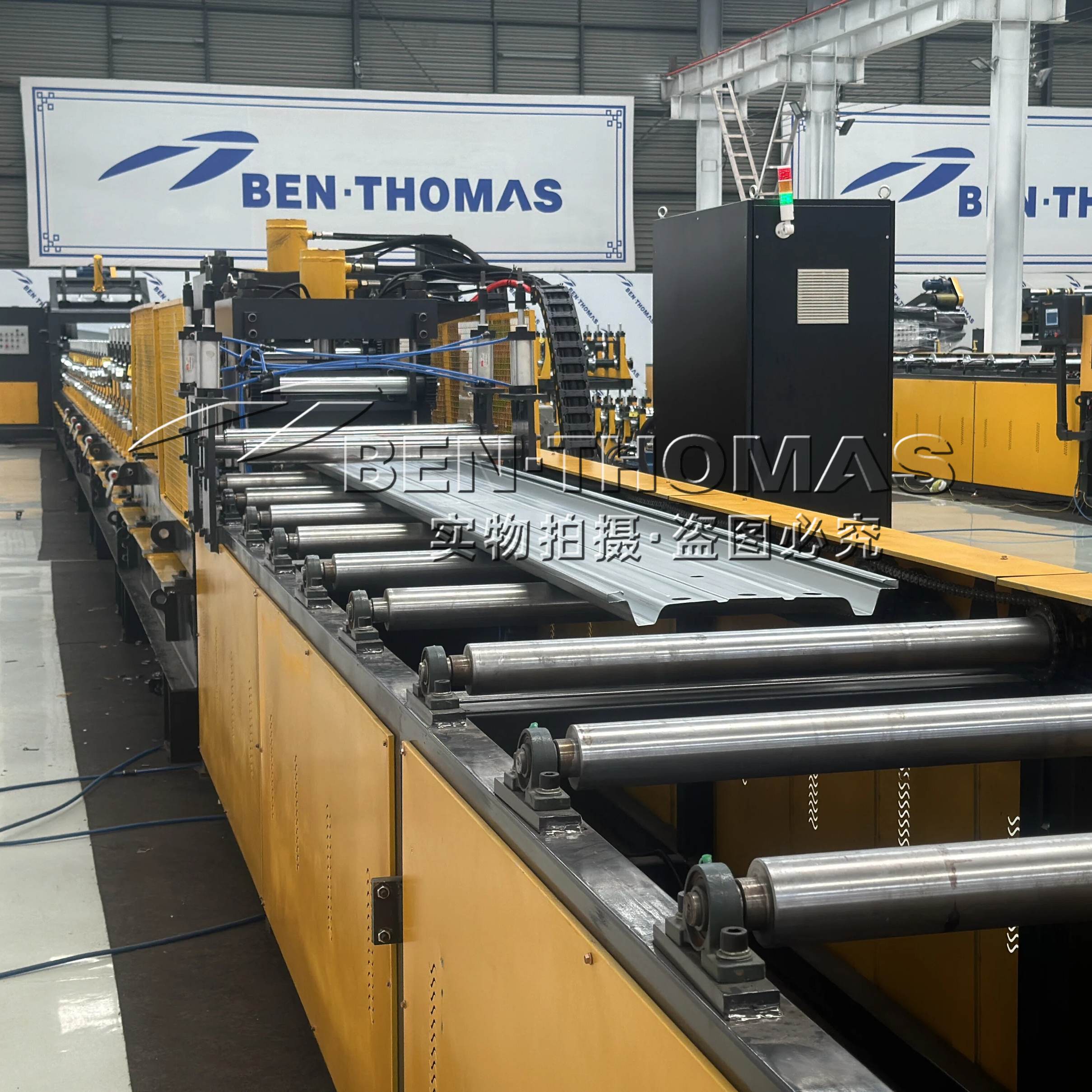
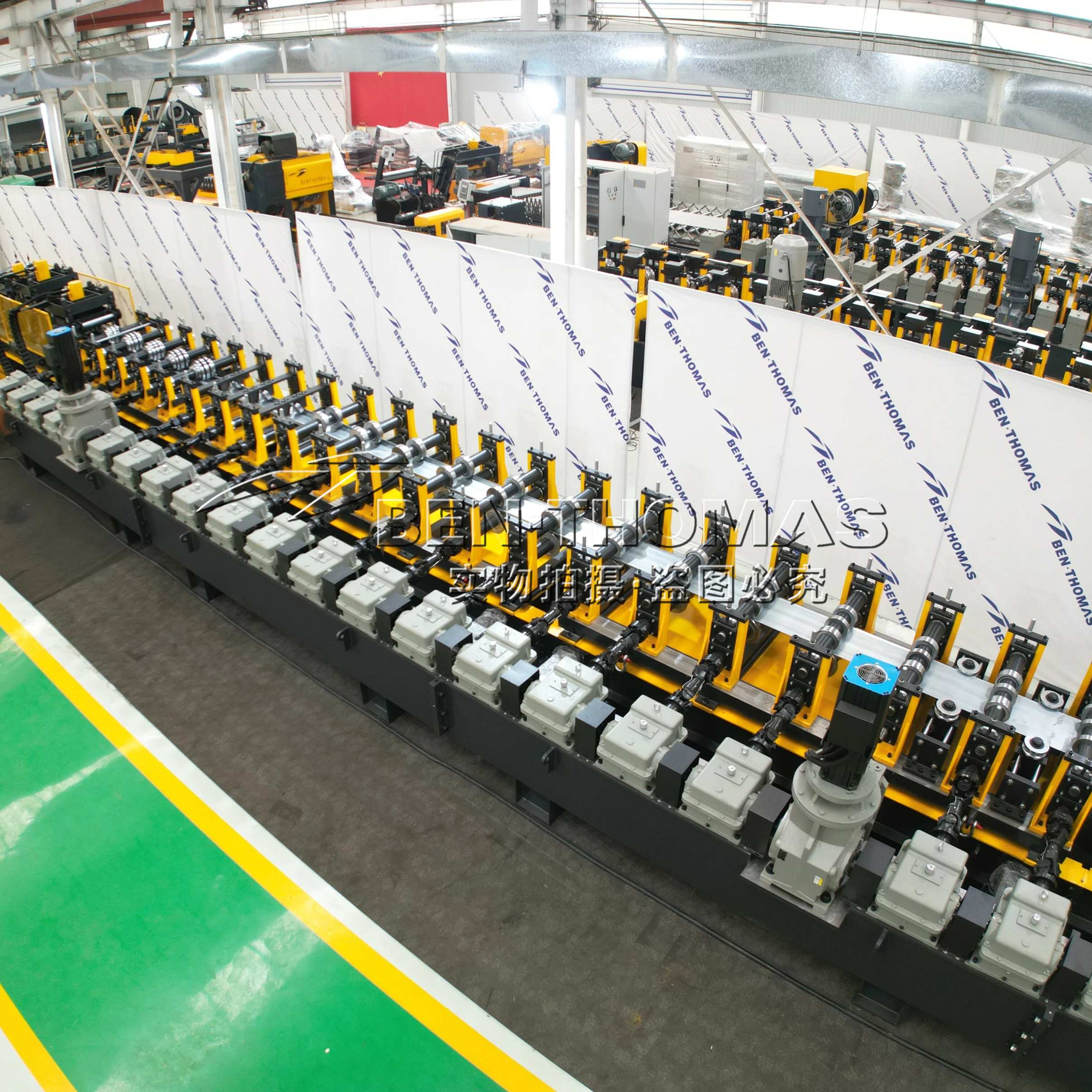
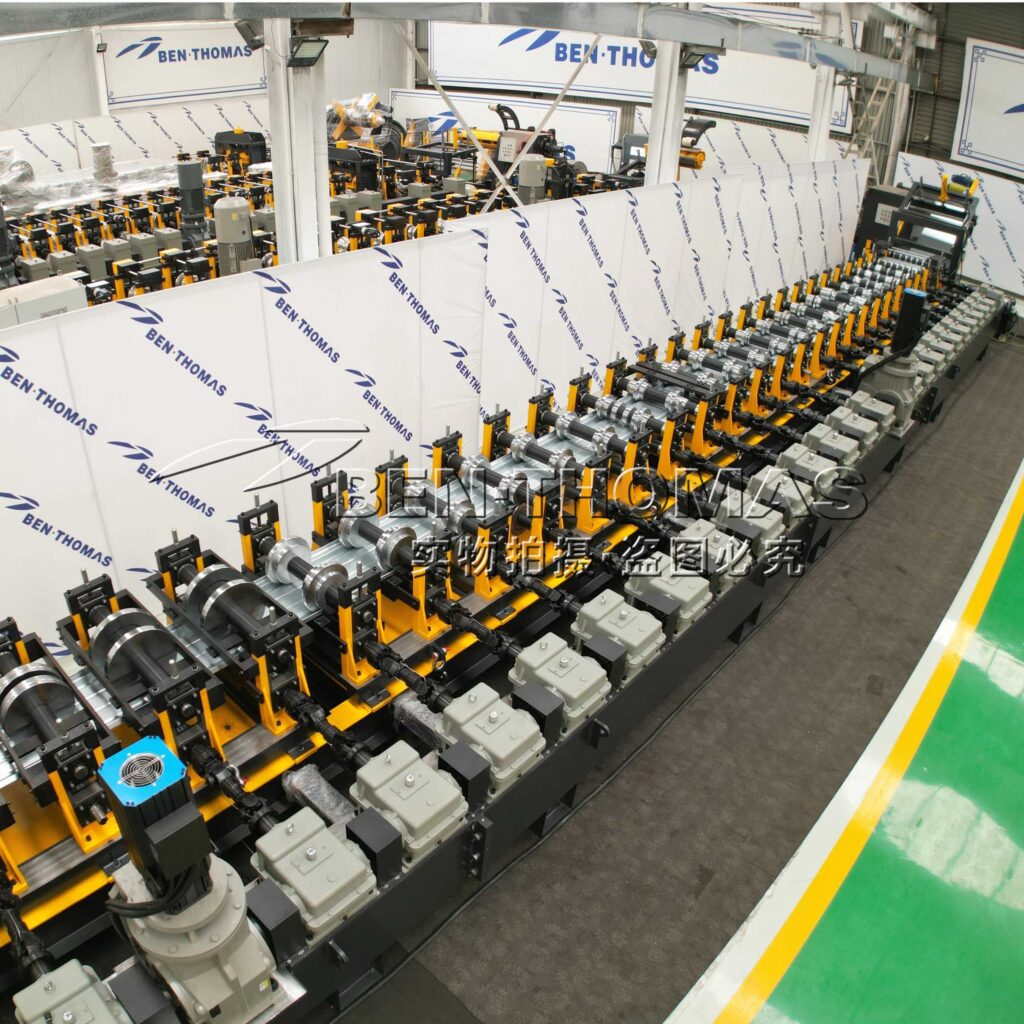
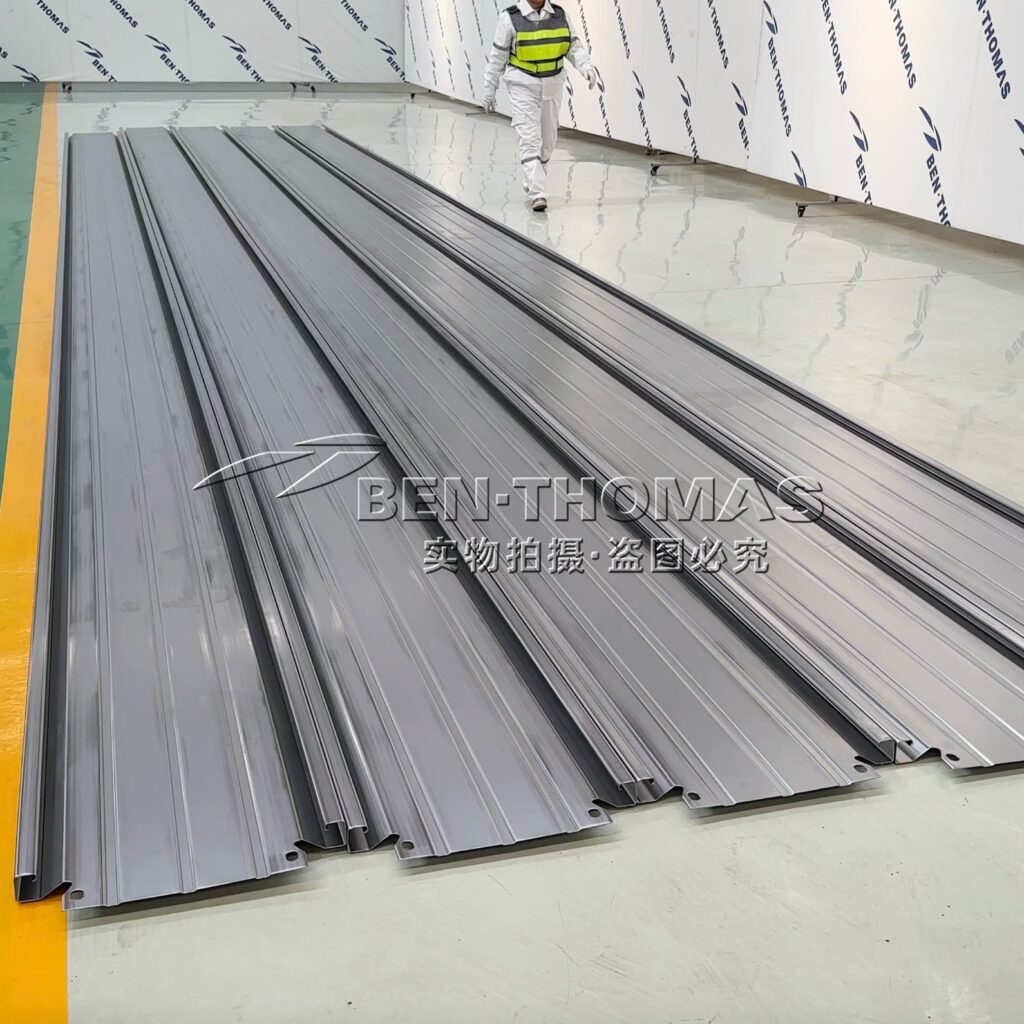
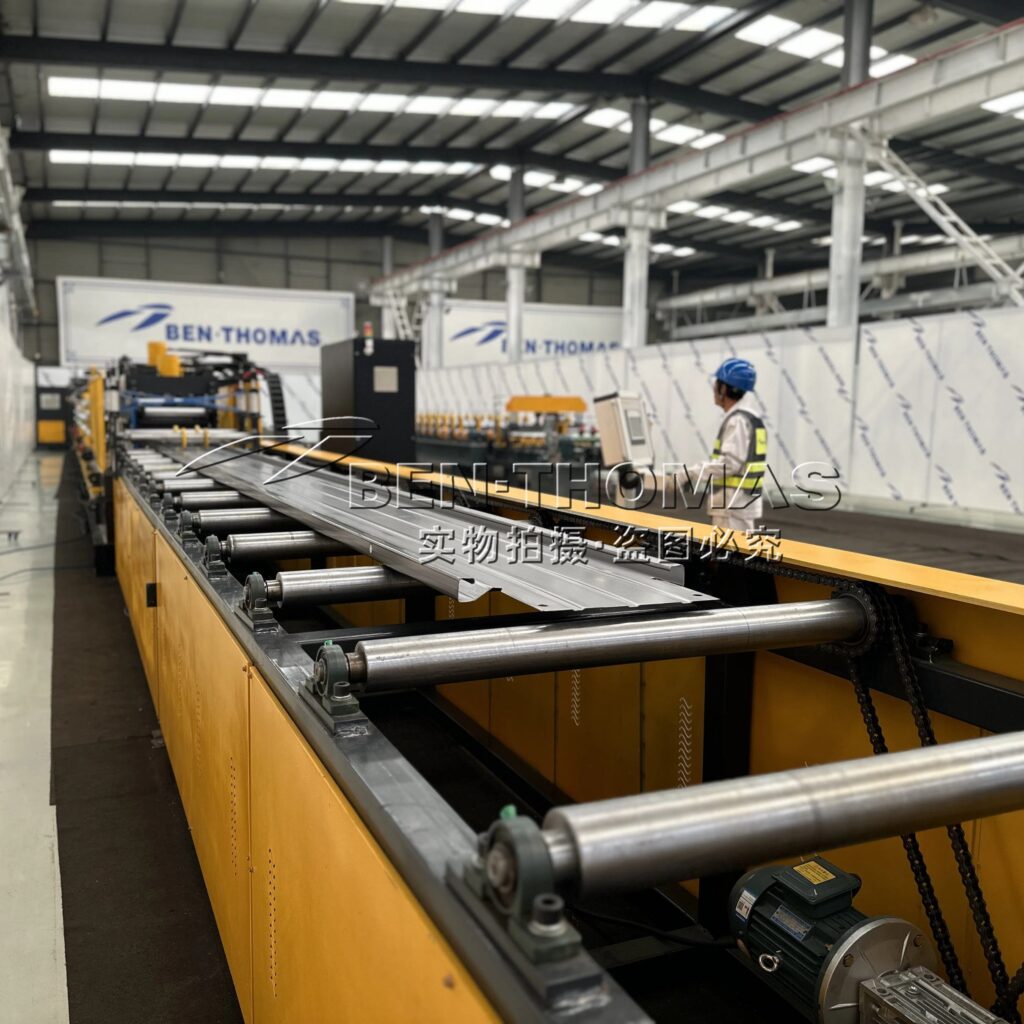
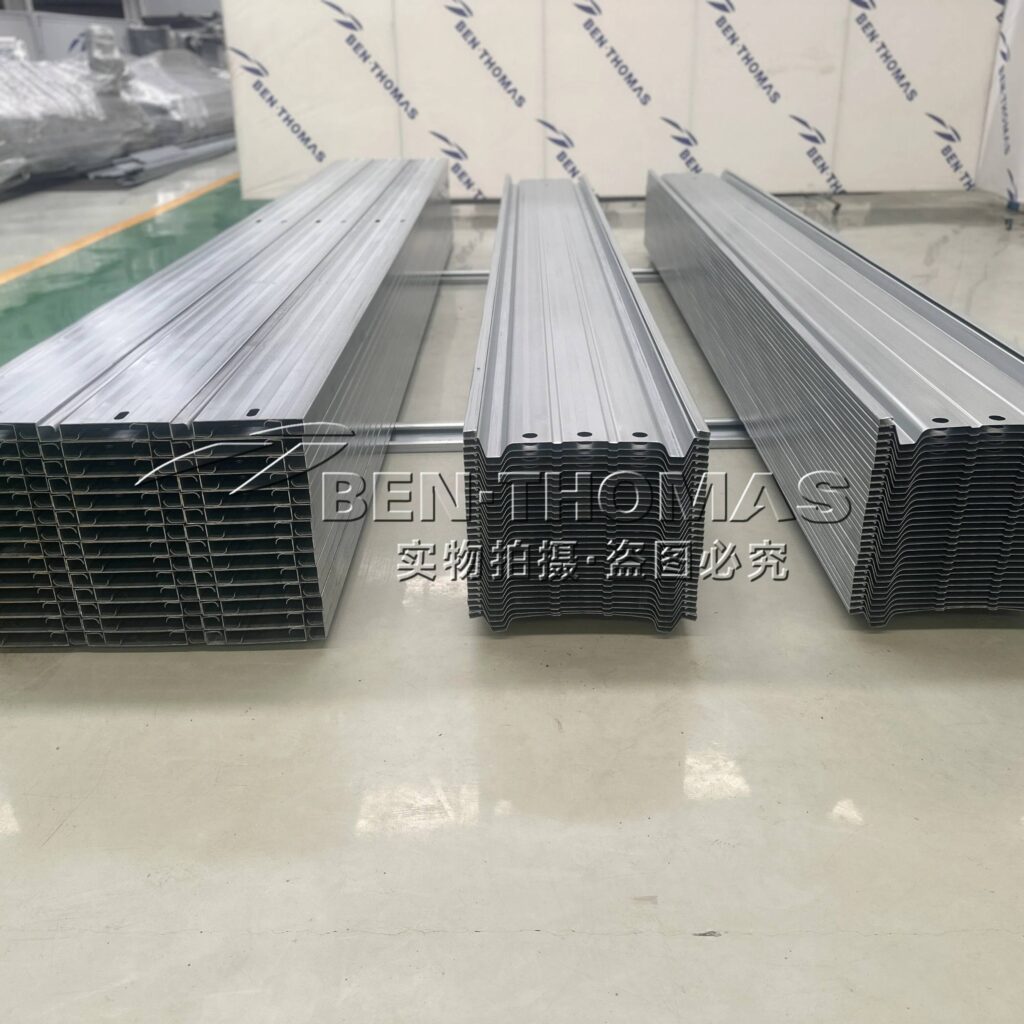
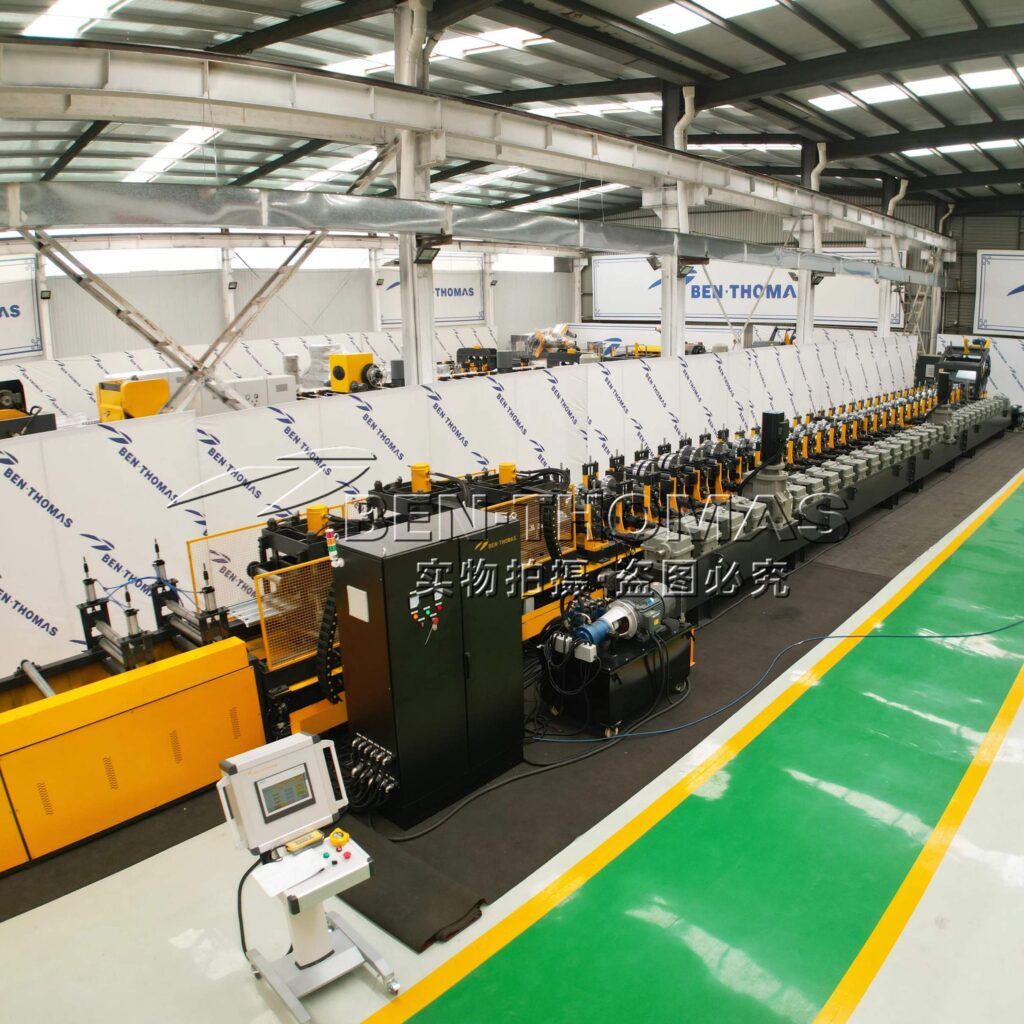
When manufacturing anode plates for electrostatic precipitators, precision is not merely a quality metric—it is a functional requirement. The geometry of each plate directly influences the electrostatic field distribution, dust collection efficiency, and rapping effectiveness. This article explores the critical performance parameters and engineering considerations that define a high-quality ESP Steel Anode Plate Roll Forming Line.
The Role of High Precision
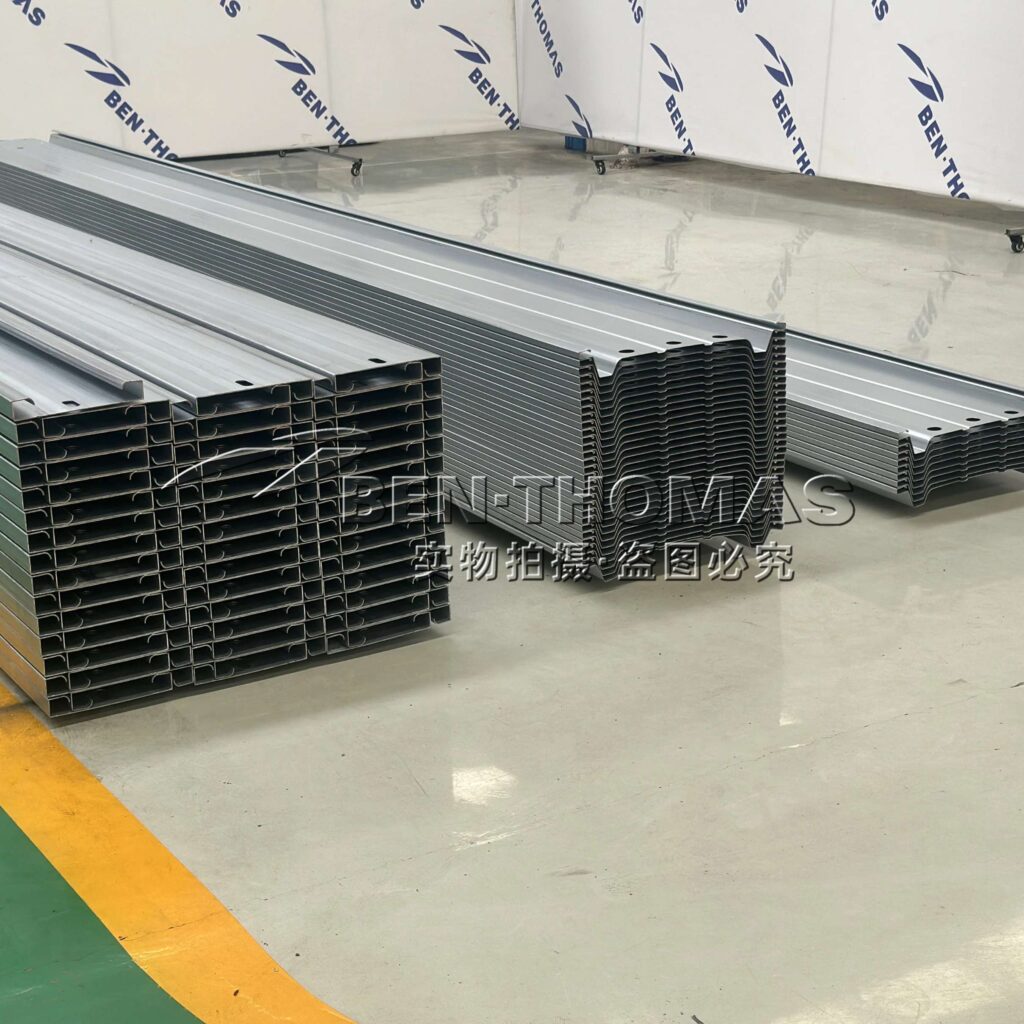
Anode plates function as the collecting surface in an ESP. They must be perfectly flat, free from warping, and dimensionally consistent across hundreds or thousands of units. Even minor deviations can cause localized variations in the electric field, leading to reduced collection efficiency or sparking. High-precision roll forming machines achieve this through:
-
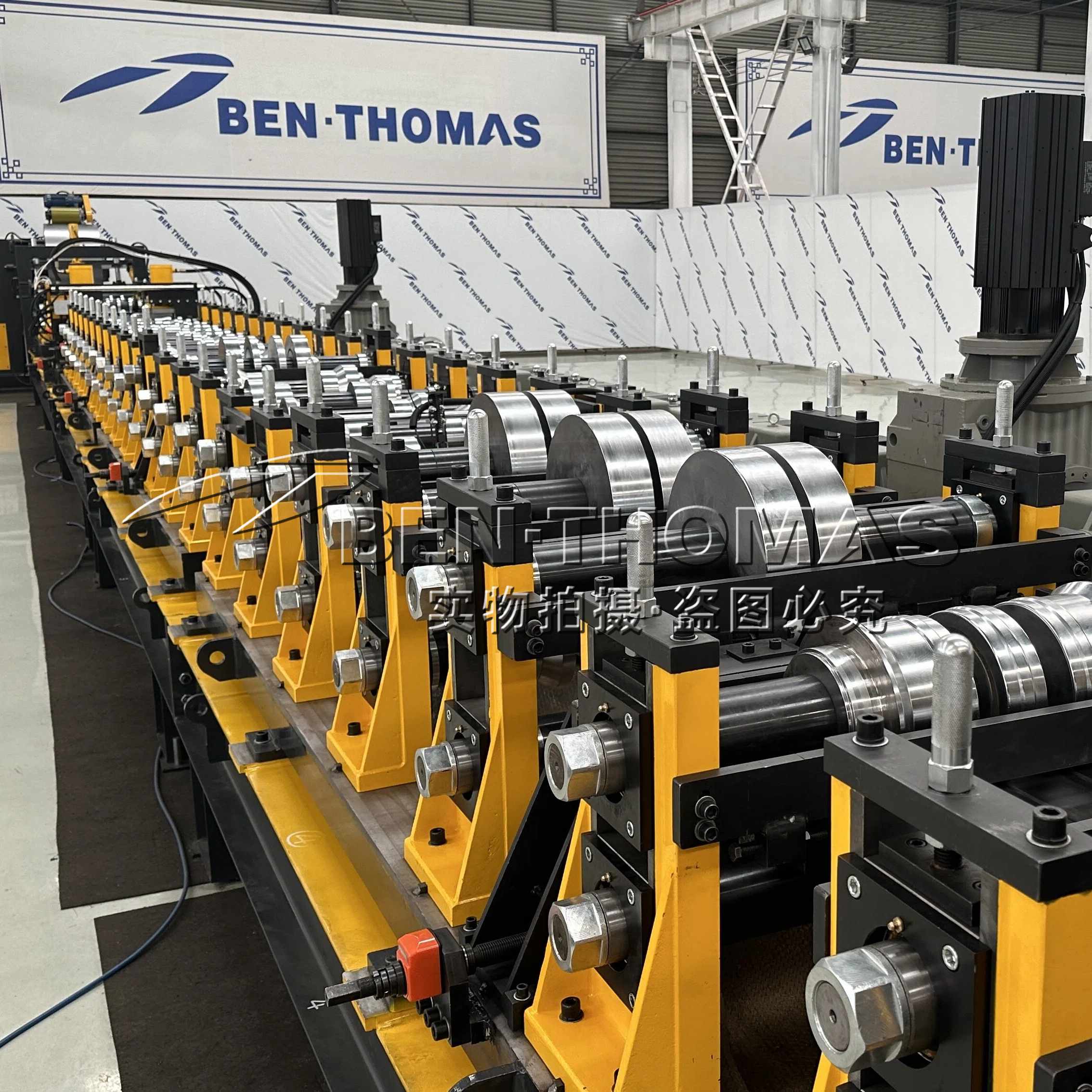
Precision-Ground Rollers: Each forming roller is CNC-ground to tolerances of ±0.02mm. Rollers are often coated with hard chrome to resist wear and maintain profile consistency over extended production runs.
-
Servo-Controlled Feeding: Servo motors precisely control the feed length and punching timing, ensuring that suspension holes and cut lengths align perfectly with the ESP manufacturer’s specifications.
-
Real-Time Monitoring: Advanced lines incorporate sensors and PLC feedback loops that continuously monitor material thickness, line speed, and forming pressure, automatically adjusting parameters to maintain output consistency.
Key Performance Parameters
Understanding the key specifications of an ESP anode plate roll forming line helps manufacturers select equipment suited to their production needs:
High-Speed Capabilities Without Compromising Quality
Modern ESP anode plate lines are designed for high-speed operation—some reaching 25 to 40 meters per minute—while maintaining strict tolerances. This is achieved through:
-
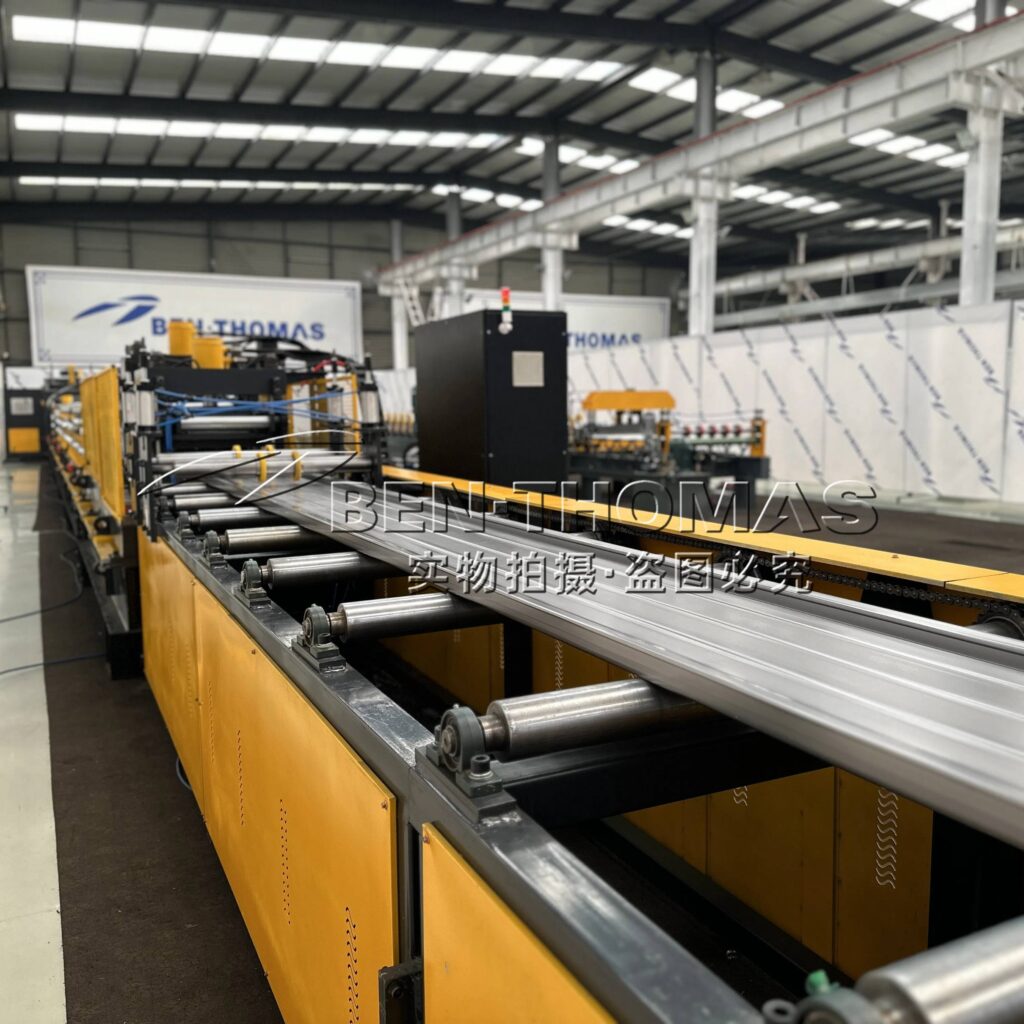
Flying Die Technology: The cut-off press moves with the strip, eliminating the need to stop the line for cutting. This allows continuous high-speed production and reduces cycle time.
-
Servo-Driven Punching Units: These units perform “fly punching,” where the punching die accelerates to match the strip speed, executes the operation, and resets—all without interrupting material flow.
-
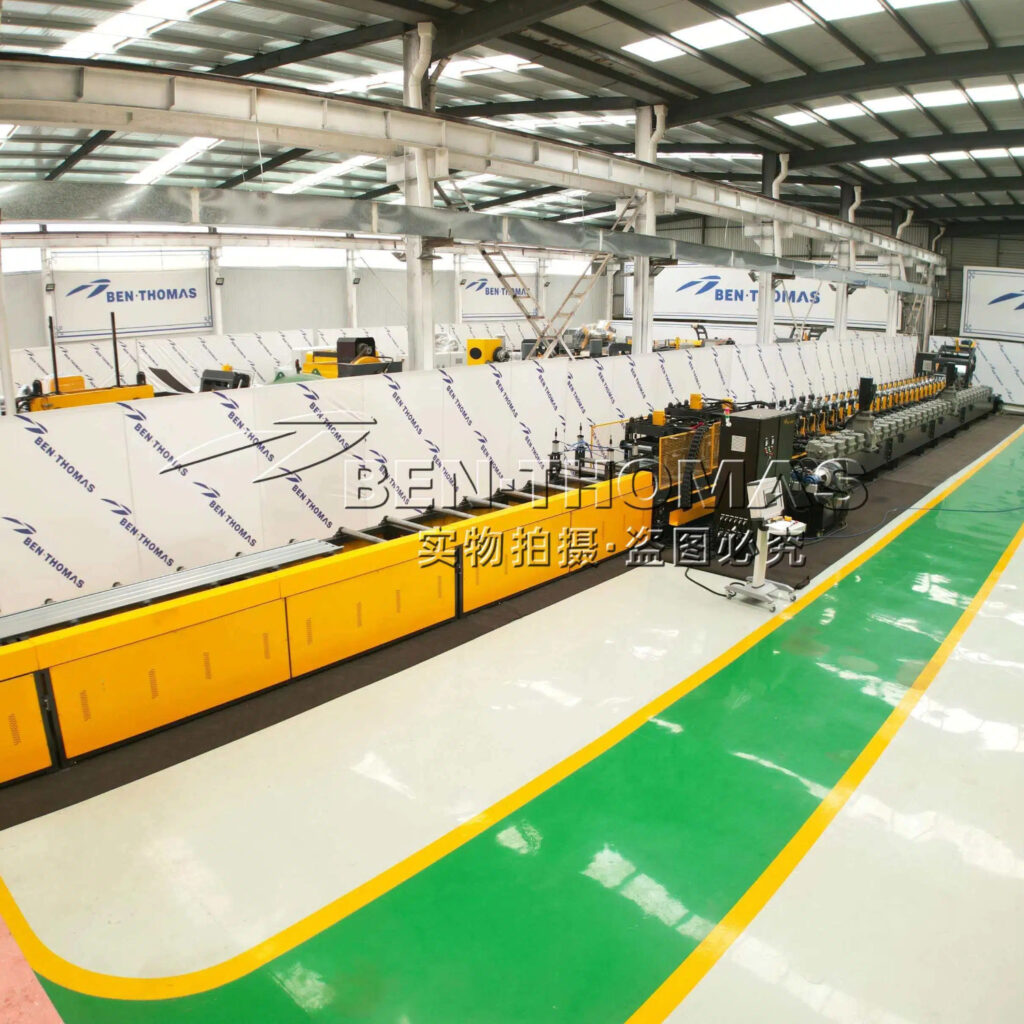
Rigid Frame Construction: The main roll forming machine is built on a heavy-duty steel frame to absorb vibration and maintain alignment even at maximum operating speeds.
Material Considerations
Anode plates are typically manufactured from galvanized steel, stainless steel, or corrosion-resistant alloys. The roll forming line must be equipped with rollers and tooling compatible with these materials. Galvanized steel, in particular, requires careful handling to avoid scratching or damaging the zinc coating, which protects against corrosion in harsh flue gas environments.
By prioritizing high-precision engineering and optimizing performance parameters, ESP anode plate roll forming machines enable manufacturers to produce collecting plates that meet the demanding requirements of modern emission control systems.
Contact: Elise
Tel:+86-155 3281 7581
Email: elise@tgrfm.cn