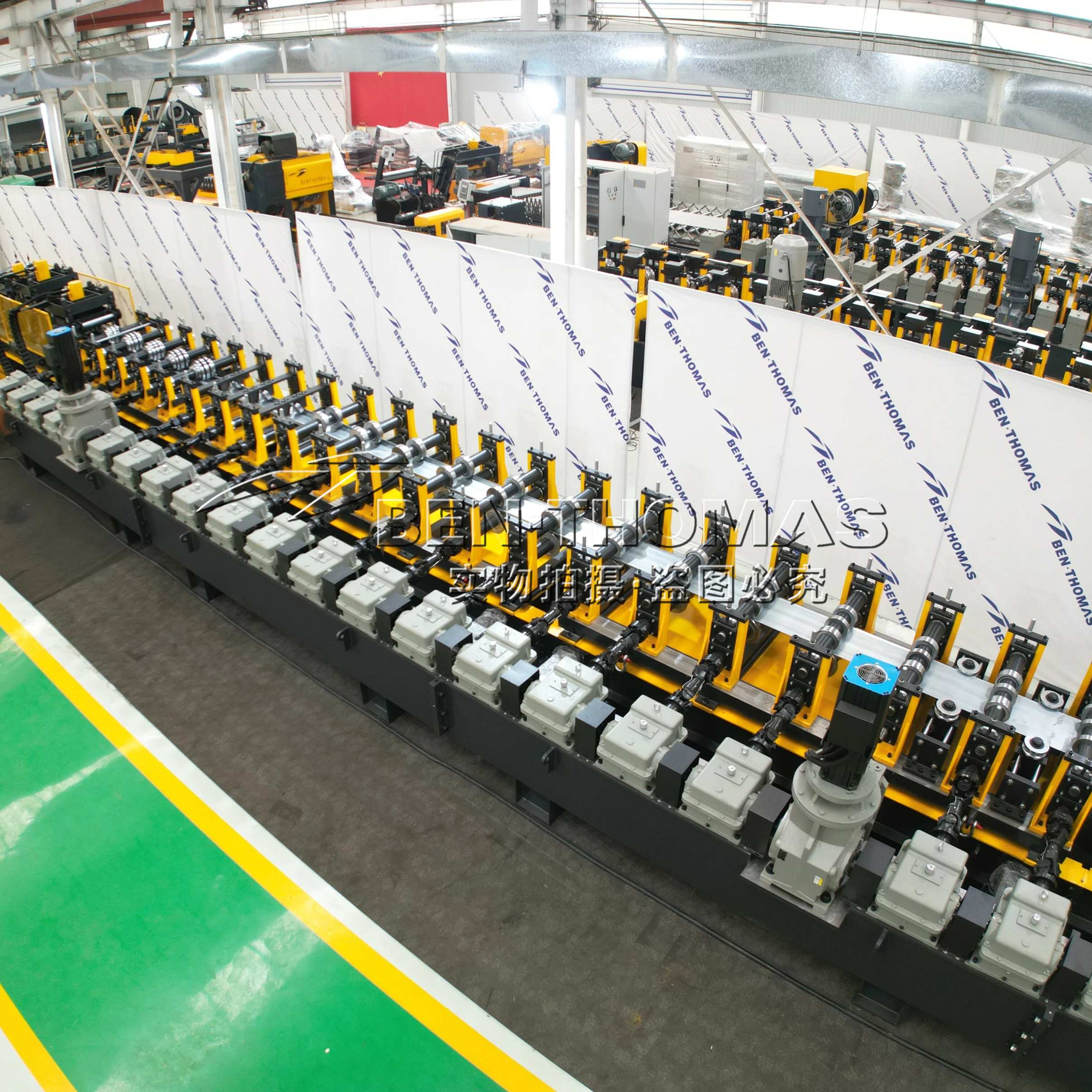
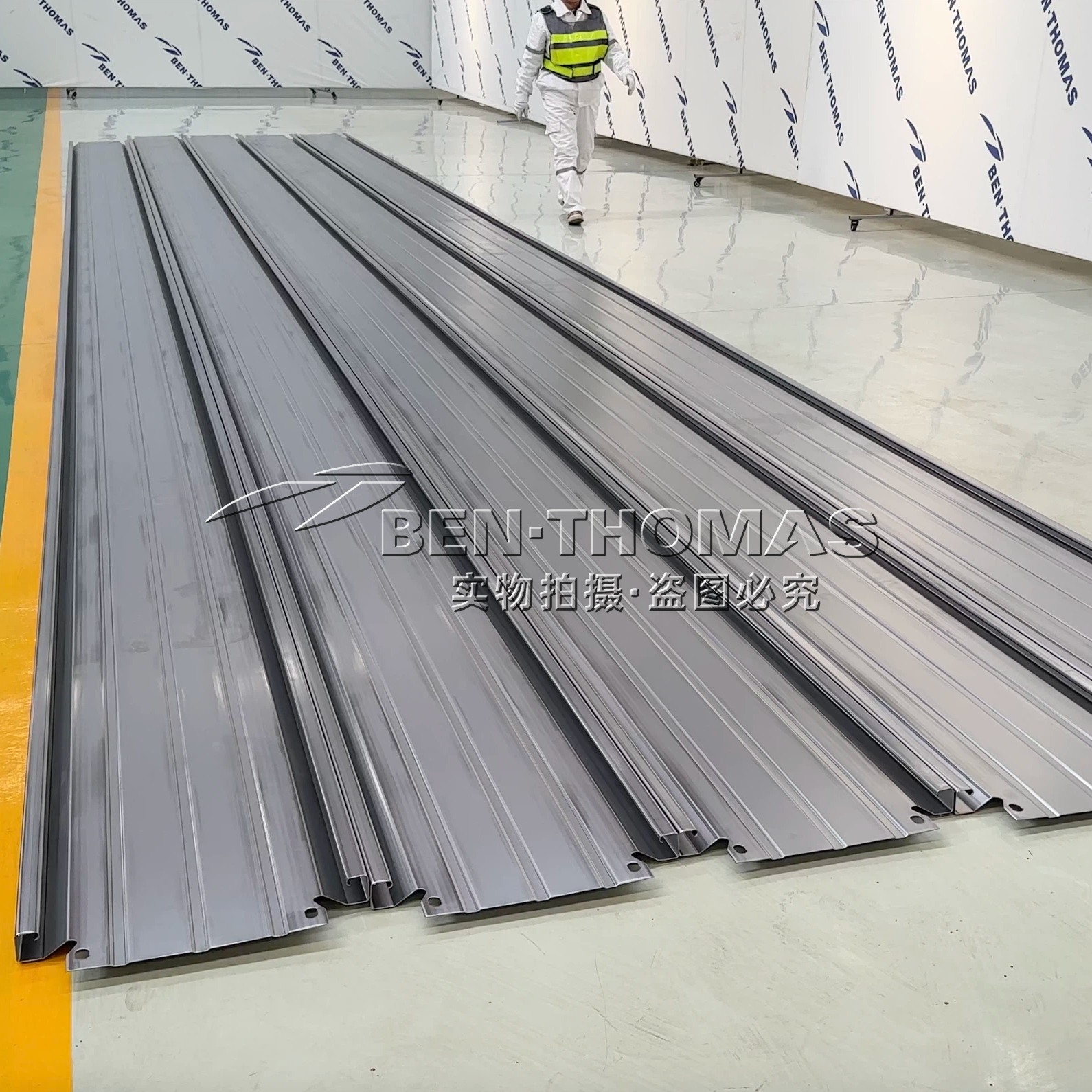
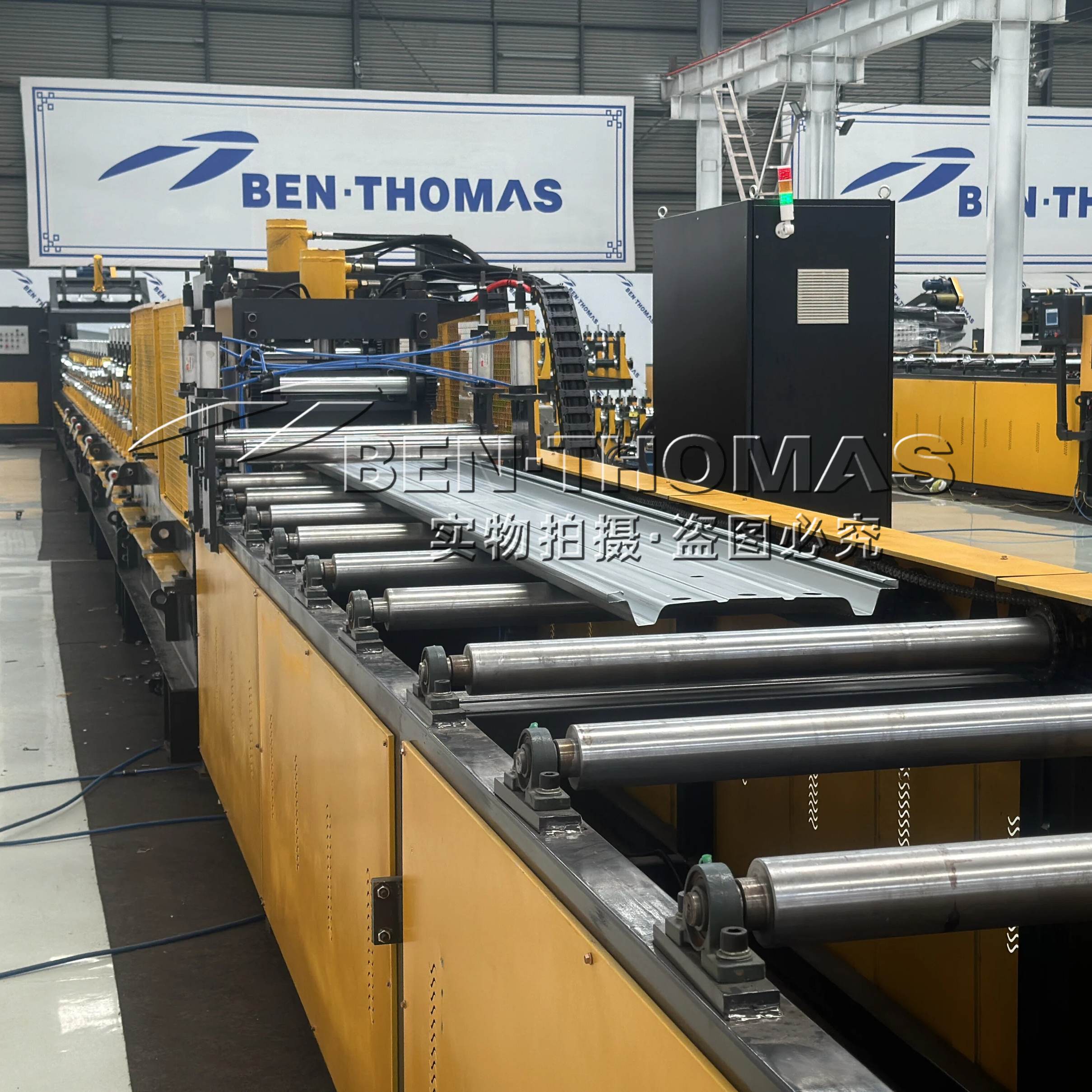
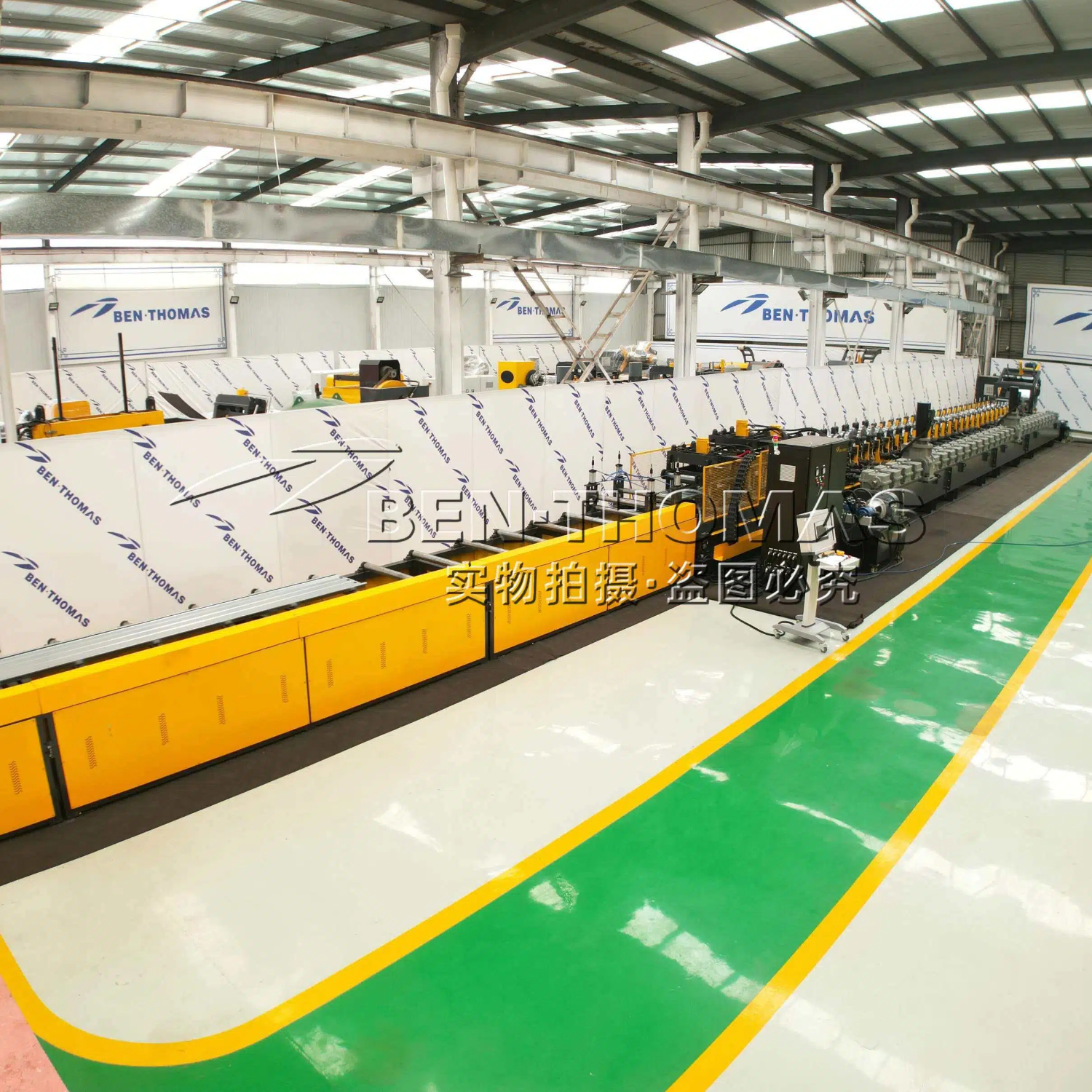
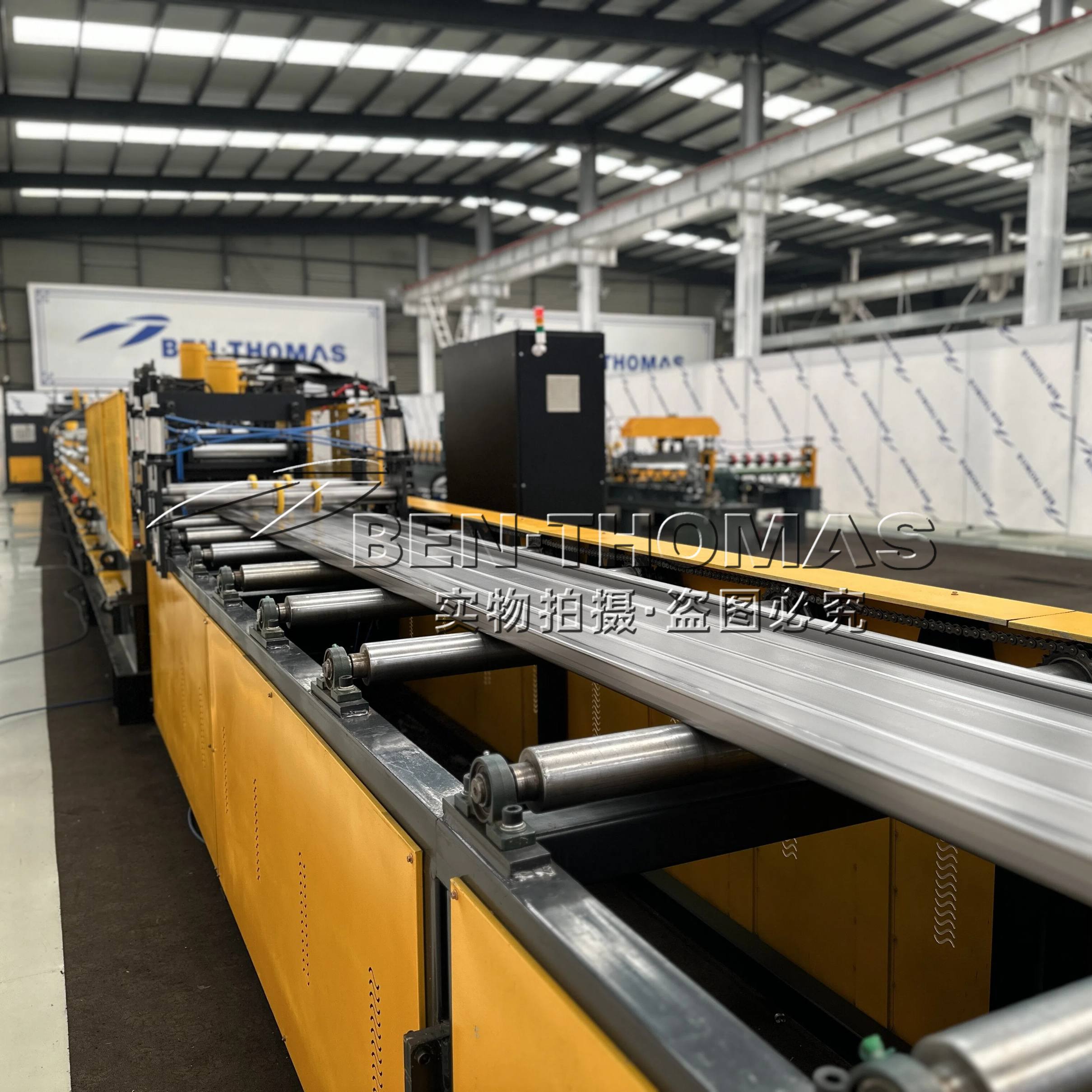
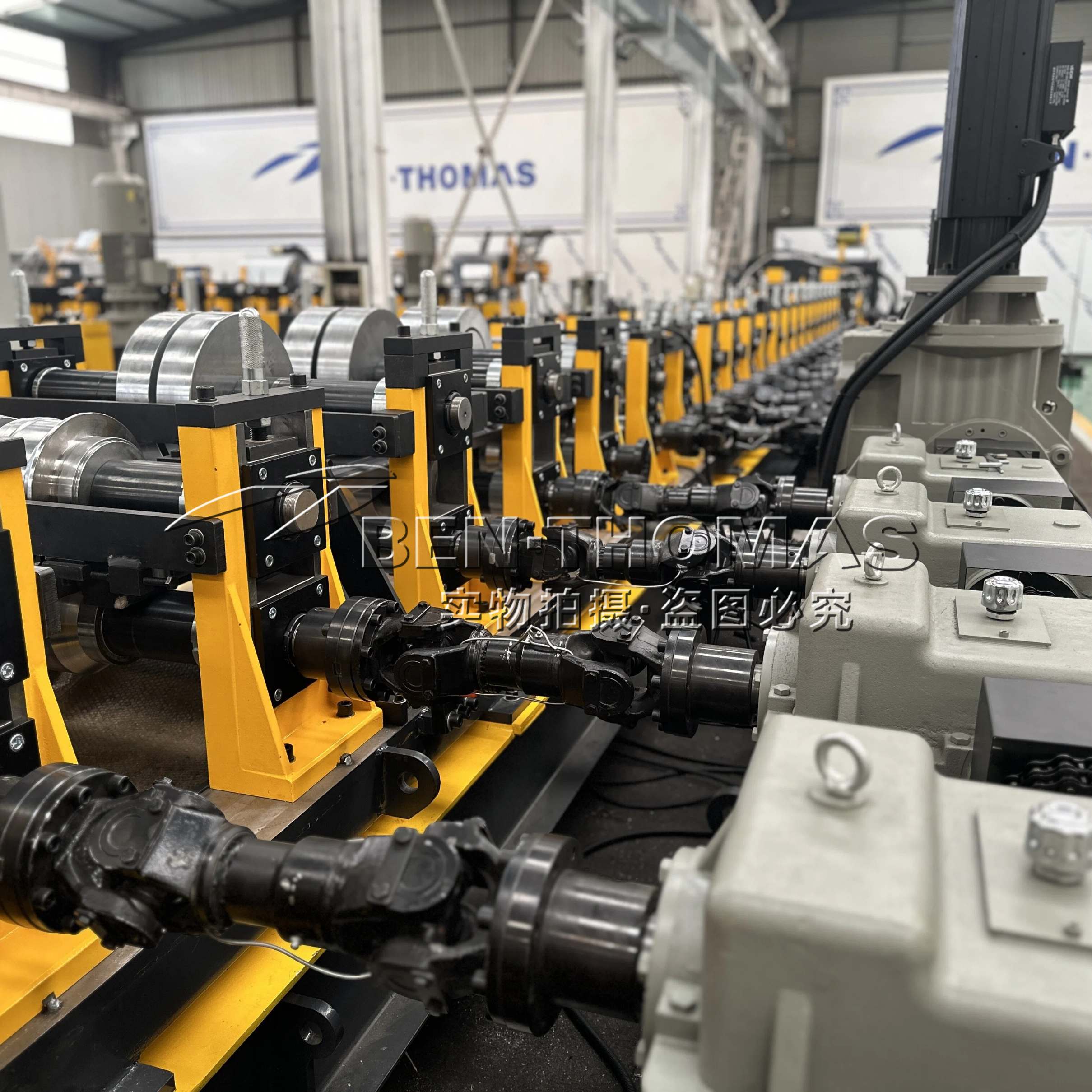
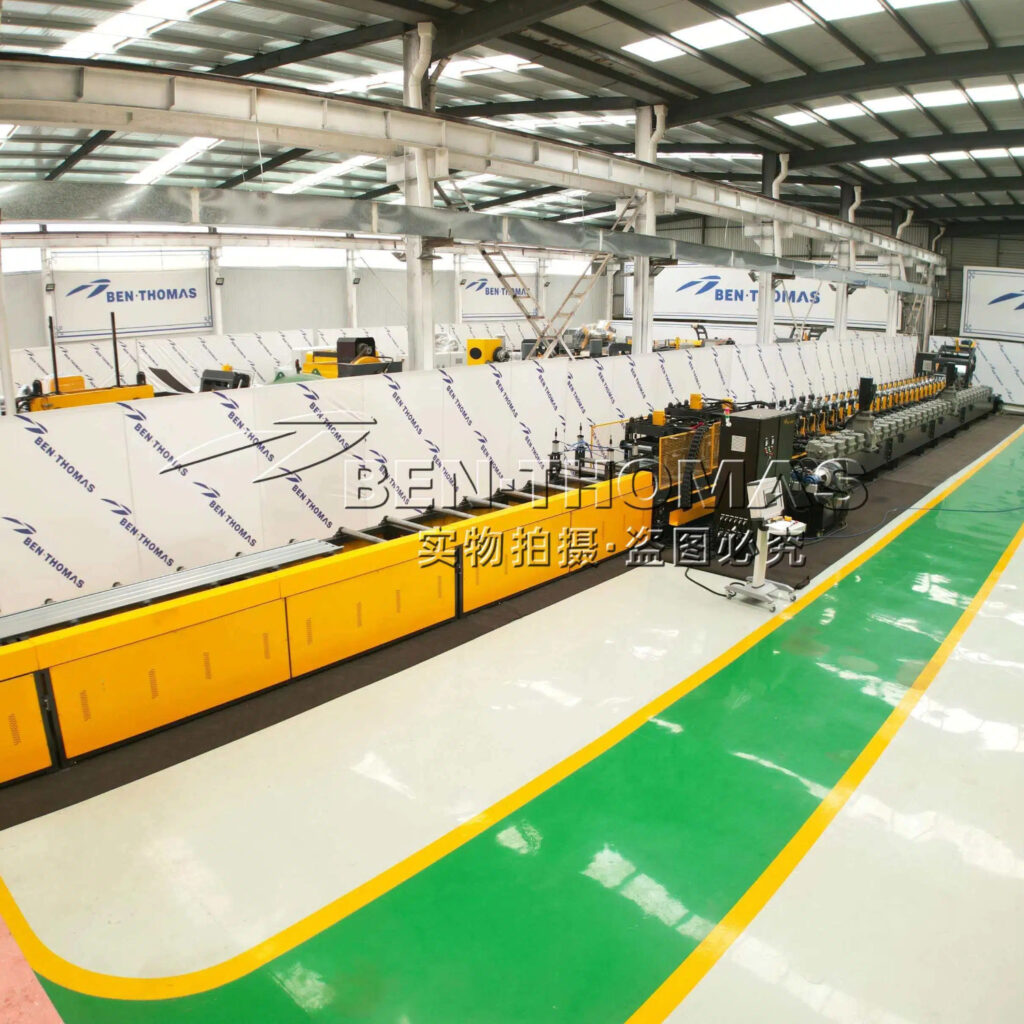
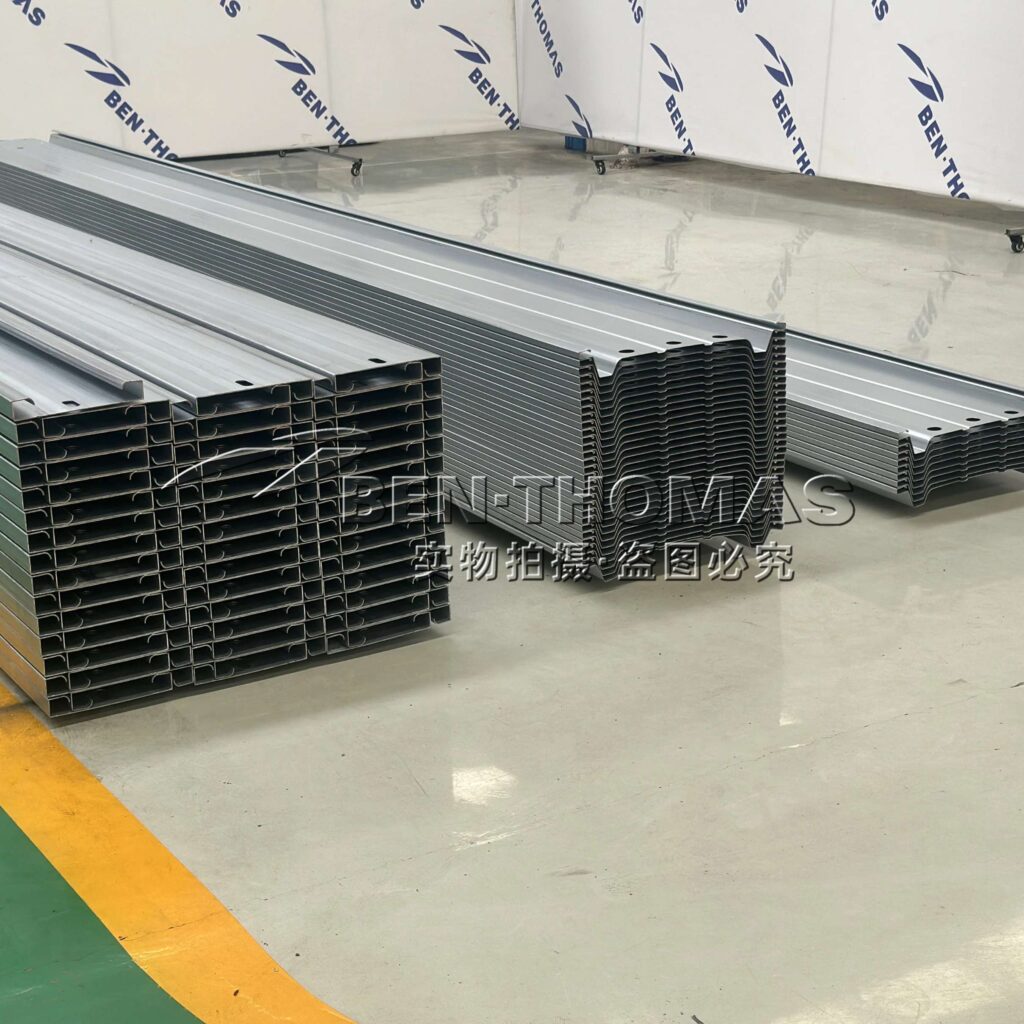
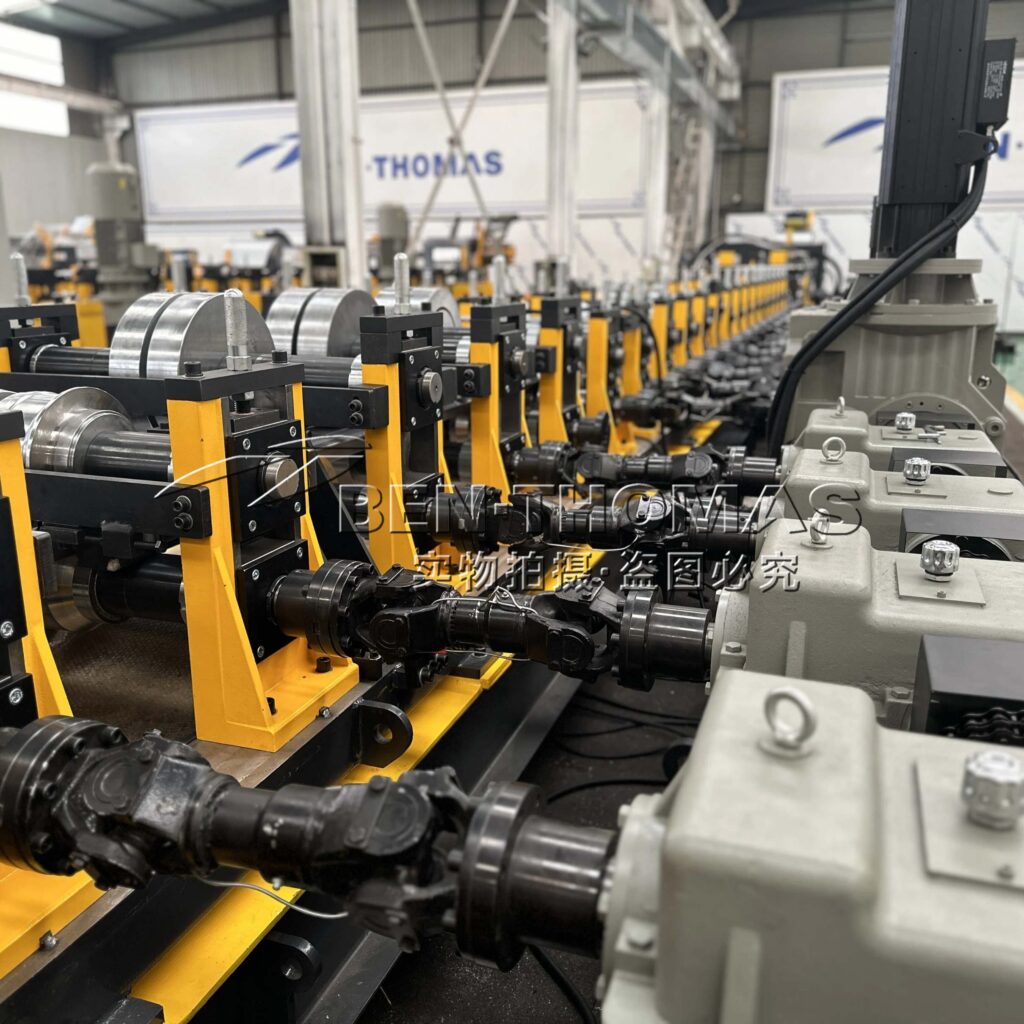
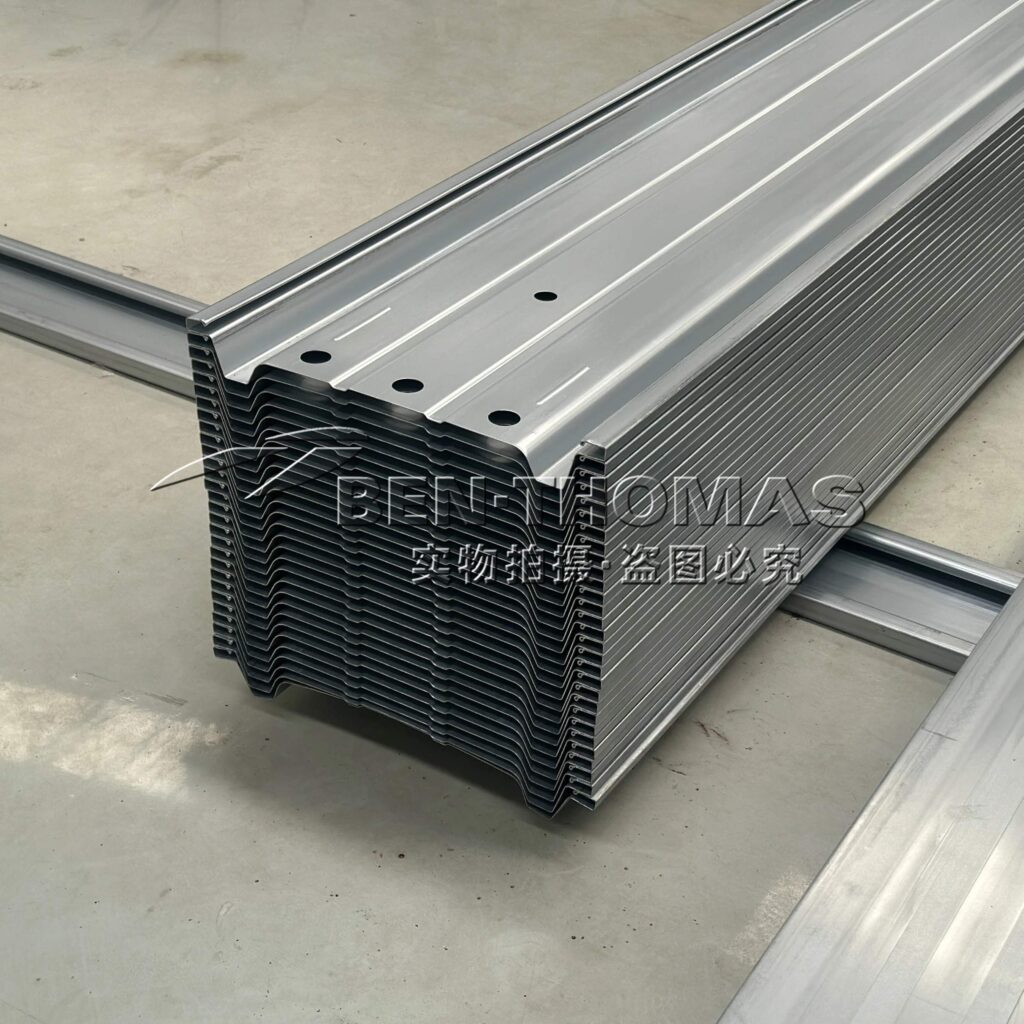
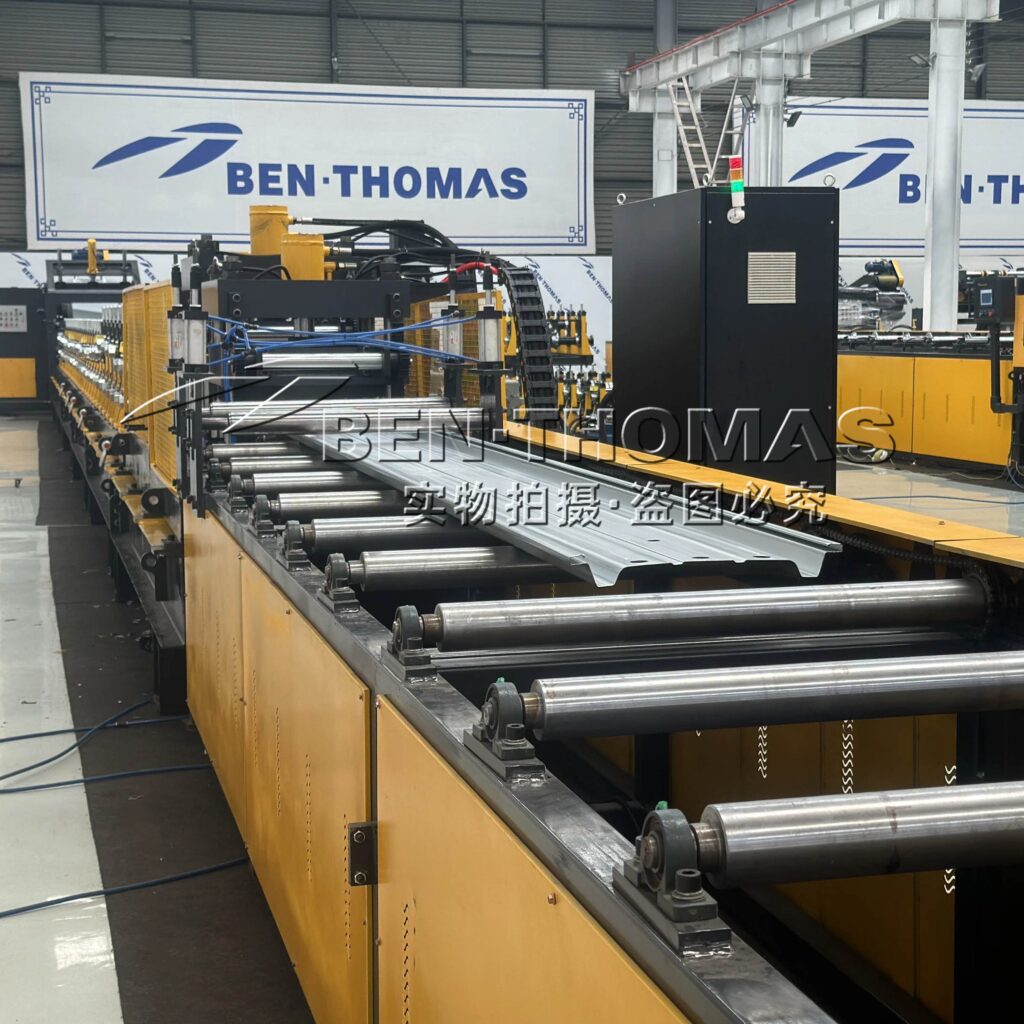
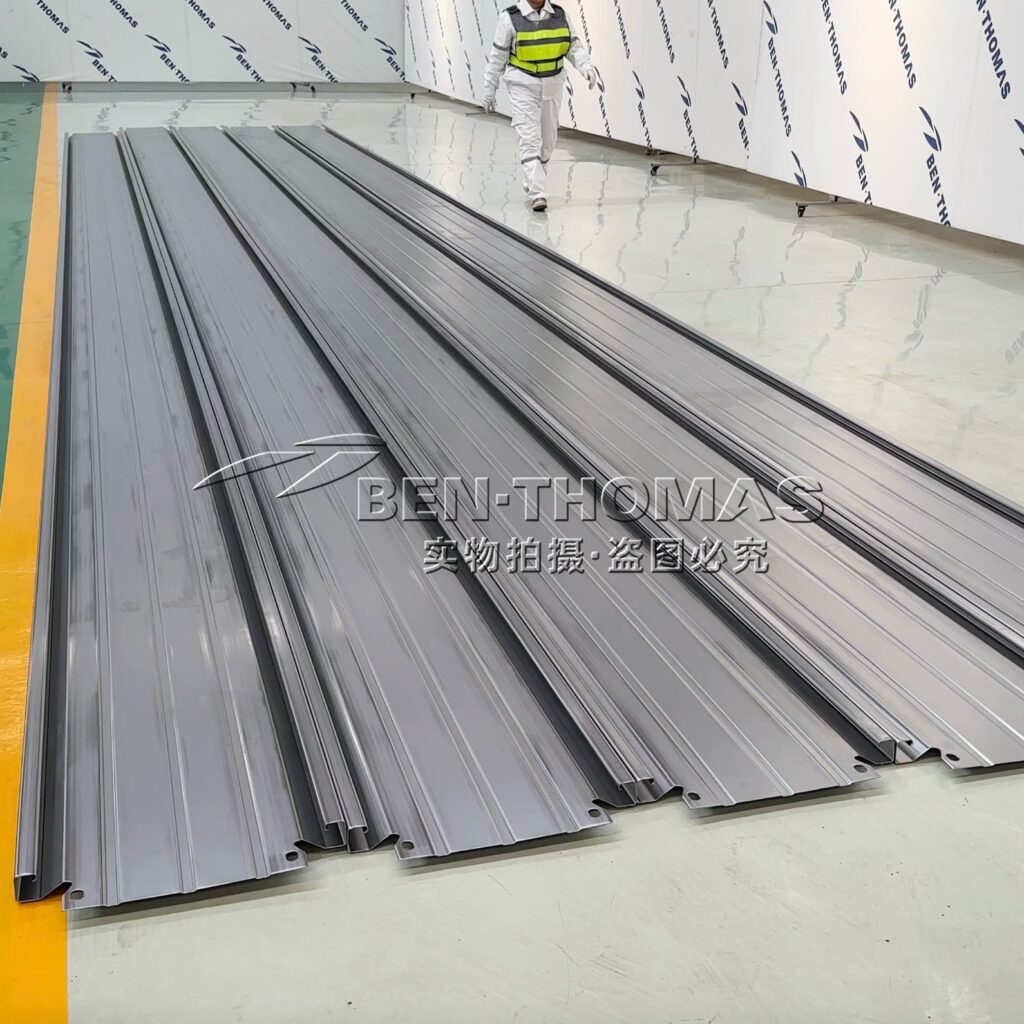
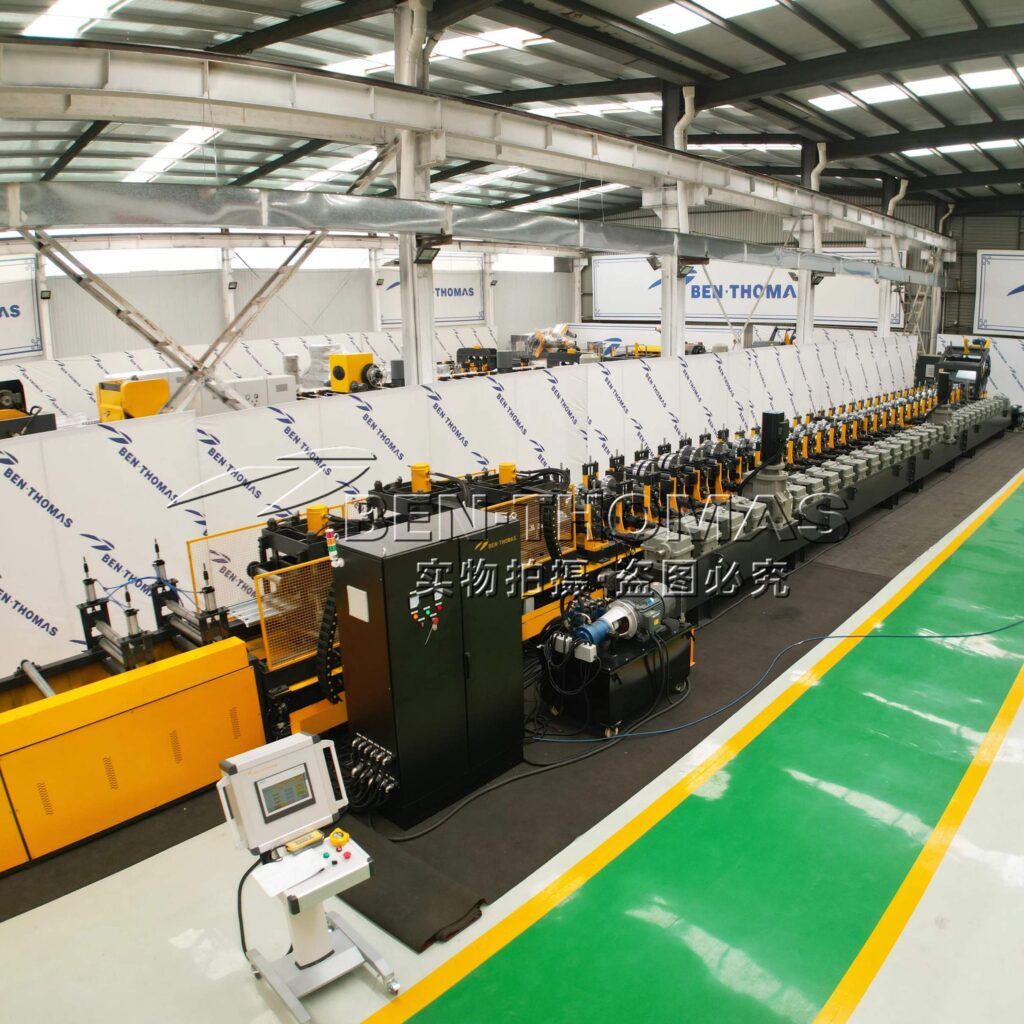
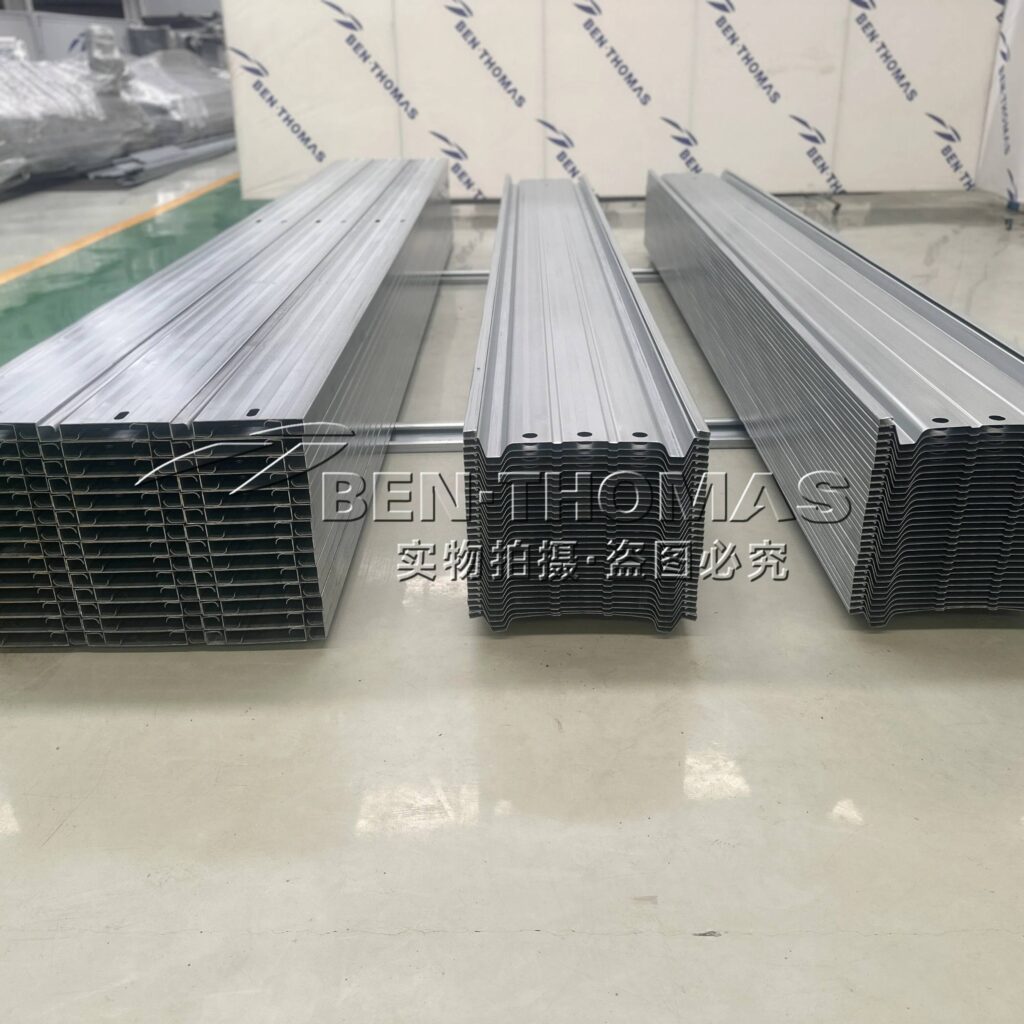
Modern manufacturing demands more than just capable machinery—it requires intelligent systems that minimize manual intervention, reduce error rates, and maximize uptime. The Electrostatic Precipitator Collecting Plate Roll Forming Line has evolved into a highly automated production cell, integrating mechanical precision with digital control. This article examines the automation technologies that define today’s advanced lines.
PLC Integration: The Central Nervous System
At the core of any modern roll forming line is a Programmable Logic Controller (PLC) —typically from brands like Siemens, Mitsubishi, or Allen-Bradley. The PLC manages every aspect of the production process:
-
Synchronization: Coordinates the speed of the uncoiler, punching unit, roll former, and cut-off press to ensure seamless continuous operation.
-
Parameter Storage: Stores recipes for different anode plate specifications (profile type, length, hole patterns), enabling rapid changeovers between production runs.
-
Fault Detection: Monitors sensors throughout the line; if a deviation occurs (e.g., material misalignment or tooling wear), the PLC can trigger alarms or automatically stop the line to prevent waste.
HMI: User-Friendly Operation
The Human-Machine Interface (HMI) —typically a touchscreen panel—provides operators with intuitive control over the line. Key features include:
-
Real-time display of line speed, production count, and cycle time
-
Visual representation of the forming process with diagnostics
-
Recipe selection and editing for different anode plate specifications
-
Alarm logs and troubleshooting guidance
With an HMI, a single operator can manage the entire production line, reducing labor costs and minimizing the risk of operator-induced errors.
Servo-Driven Systems for Precision
Advanced lines replace hydraulic systems with servo-driven motors for critical operations:
-
Servo Punching: Allows the punching unit to perform complex hole patterns with positioning accuracy of ±0.3mm. Servo systems also enable “flying punching,” where the die moves with the strip to maintain continuous high-speed production.
-
Servo Feed Length Control: Ensures that cut lengths are consistently within tolerance, regardless of fluctuations in line speed.
-
Roller Gap Adjustment: Some lines feature servo-controlled roller adjustments, allowing for quick changes to accommodate different material thicknesses or profile depths without manual intervention.
Automatic Stacking & Material Handling
The optional automatic stacker represents the final stage of automation. After cutting, finished anode plates are conveyed to a stacking station that:
-
Counts plates with optical sensors
-
Arranges them in uniform bundles
-
May include magnetic separators to prevent plates from sticking together or scratching
-
Integrates with palletizing systems for direct transfer to packaging or shipping
Remote Monitoring & Industry 4.0
Increasingly, ESP anode plate roll forming lines are being equipped with IoT (Internet of Things) capabilities. Remote monitoring allows:
-
Real-time production tracking from any location
-
Predictive maintenance alerts based on vibration analysis or motor current monitoring
-
Performance analytics to identify bottlenecks and optimize production schedules
Benefits of Advanced Automation
The integration of these technologies yields tangible benefits:
-
Reduced Setup Times: Recipe-driven changeovers that once took hours can now be completed in minutes.
-
Lower Scrap Rates: Real-time monitoring and automatic adjustments minimize material waste.
-
Consistent Quality: Automated systems eliminate the variability inherent in manual operations.
-
24/7 Production Capability: High levels of automation enable extended operation with minimal staffing.
For manufacturers of electrostatic precipitator components, investing in an automated anode plate roll forming line translates to higher throughput, superior quality, and a stronger competitive position in the market.
Contact: Elise
Tel:+86-155 3281 7581
Email: elise@tgrfm.cn