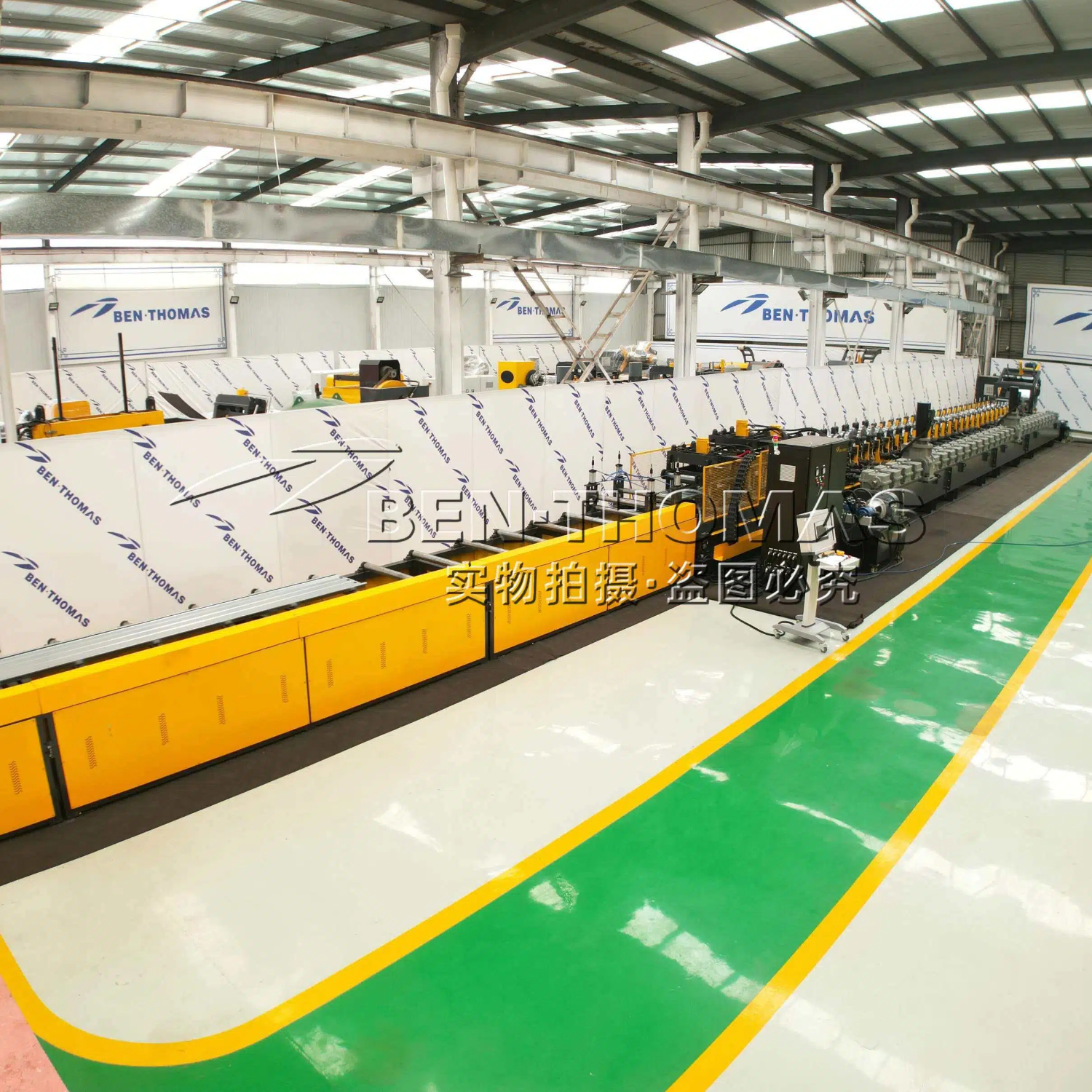
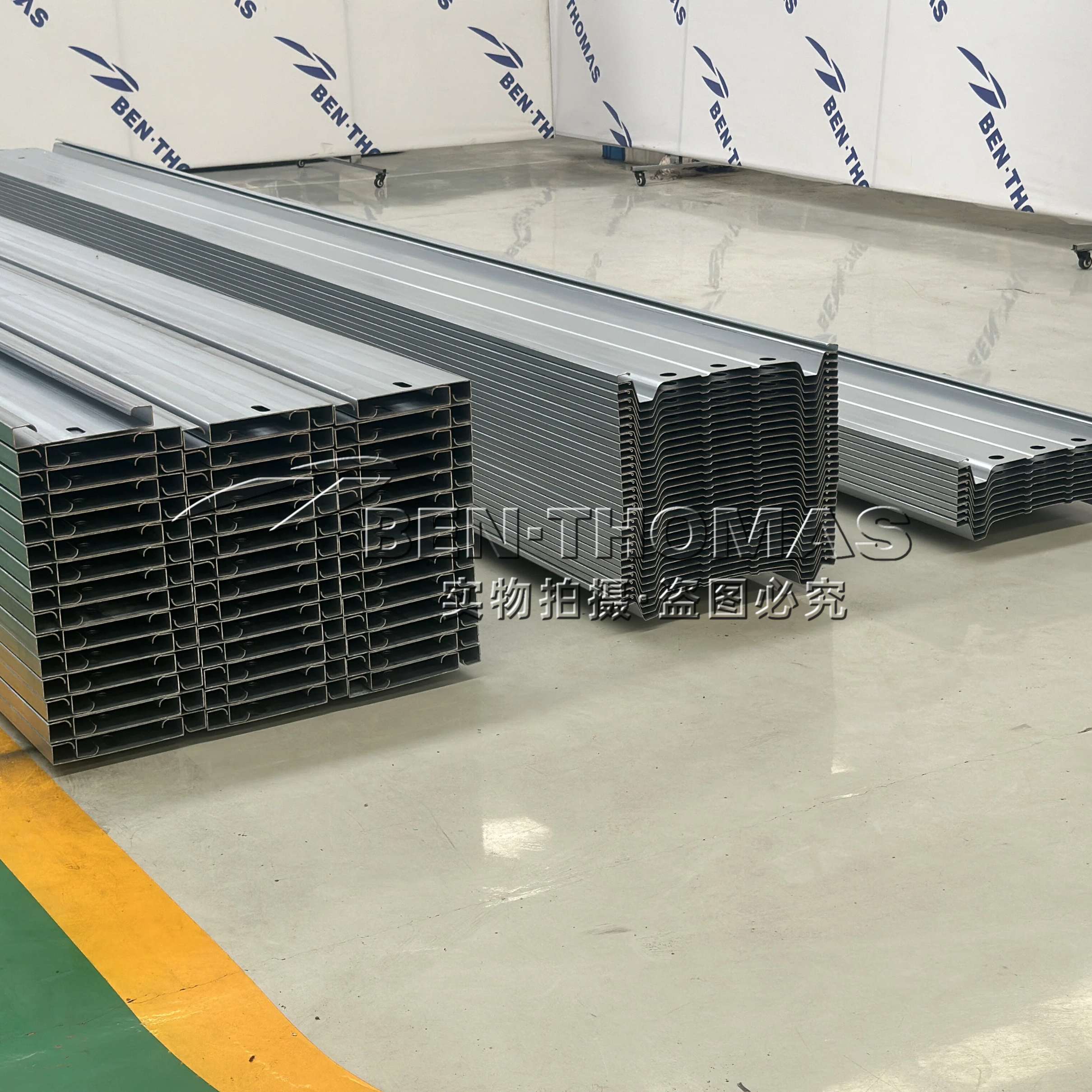
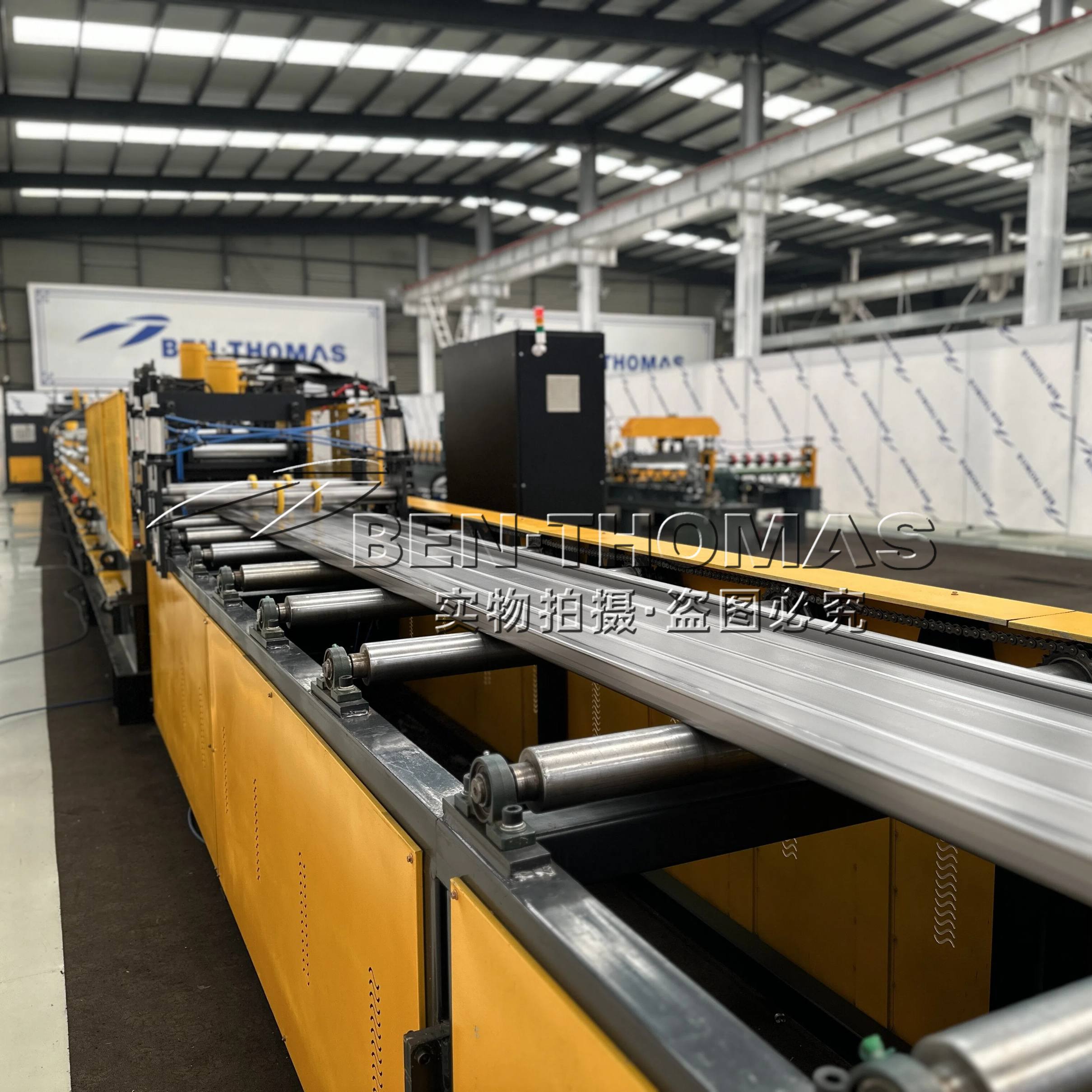
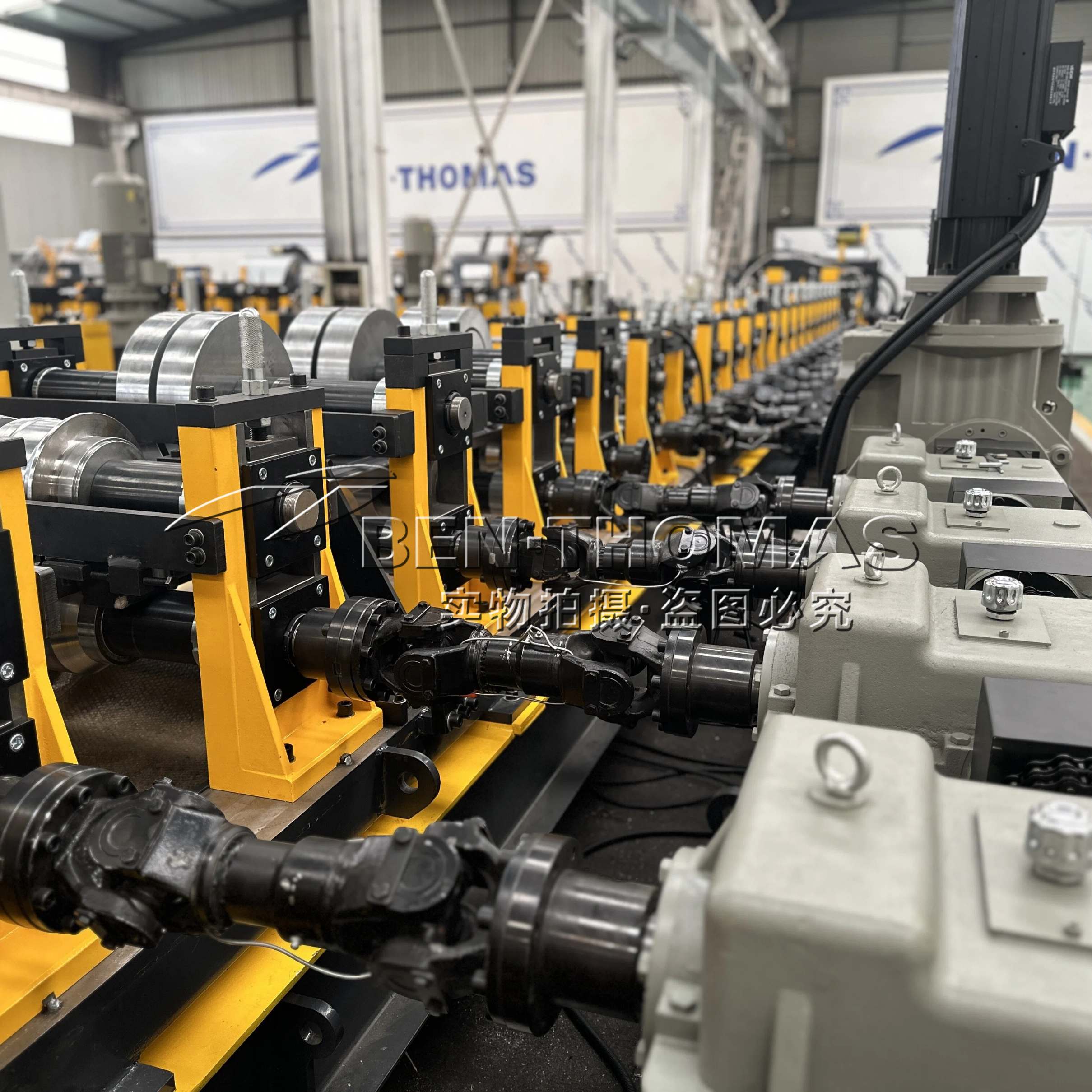
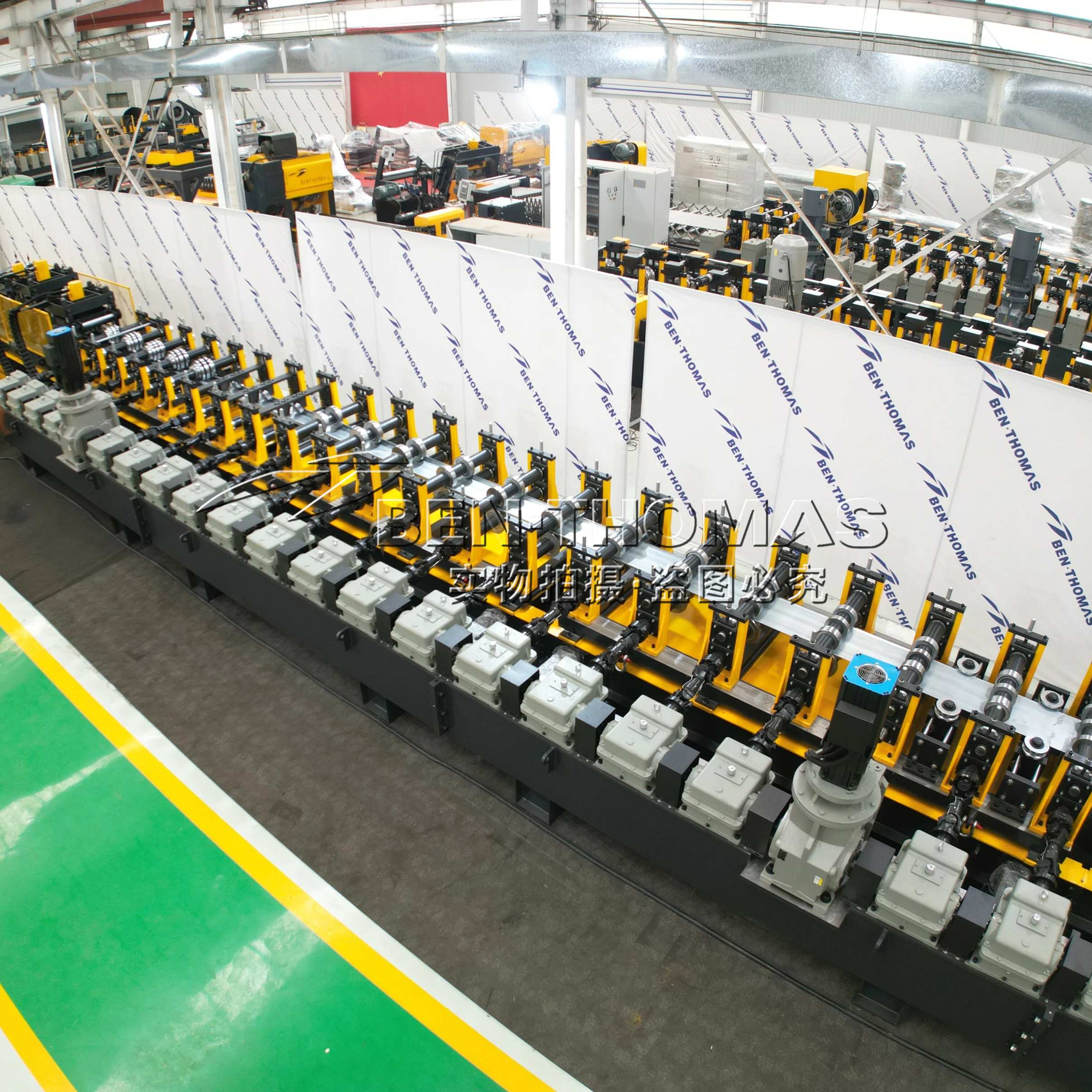
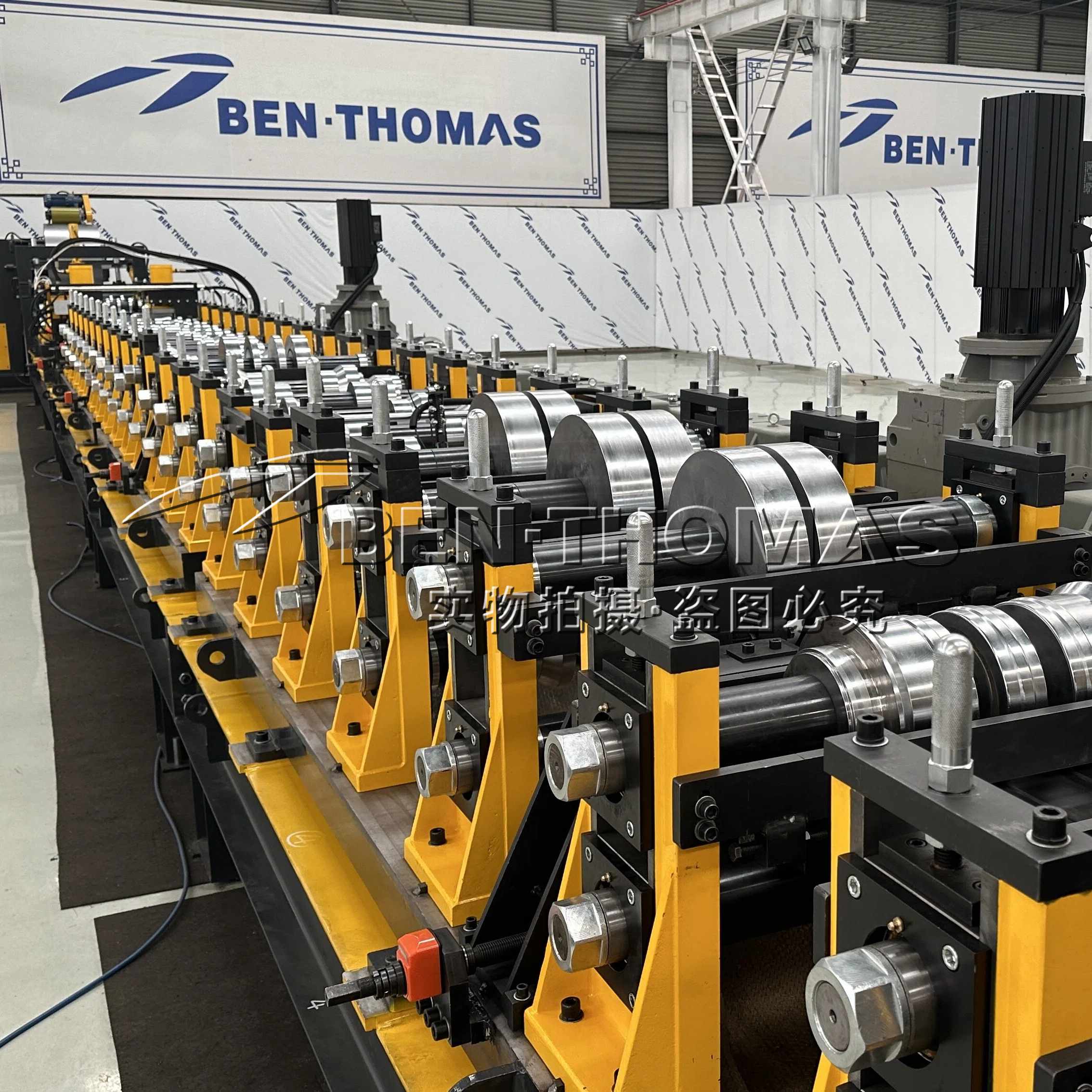
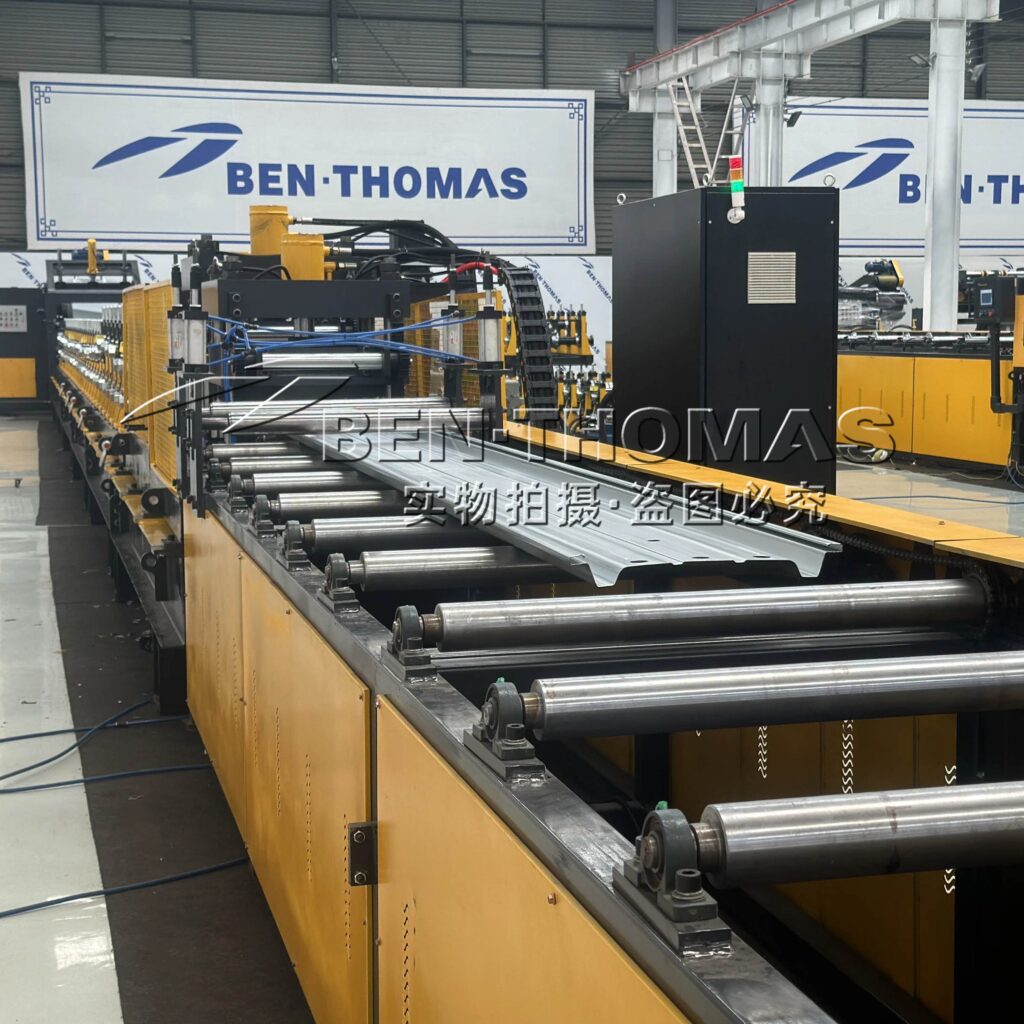
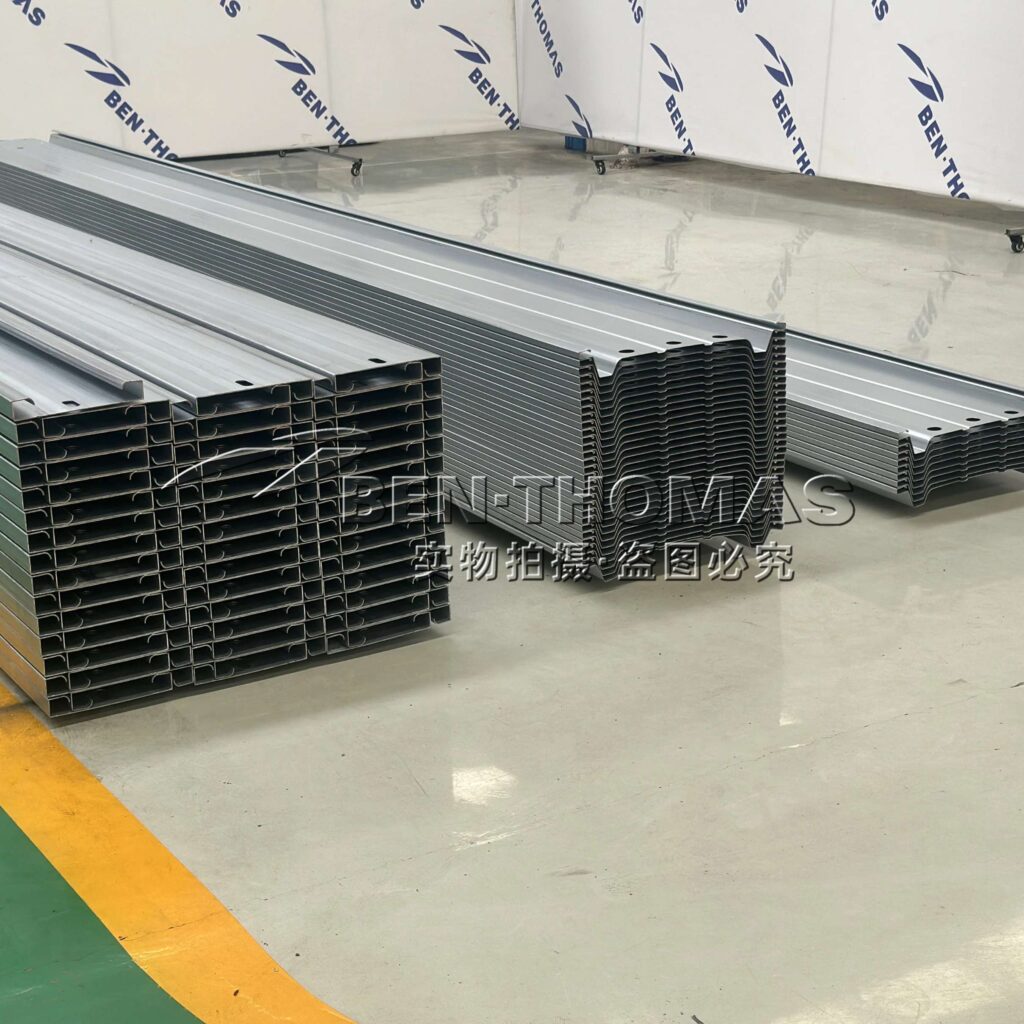
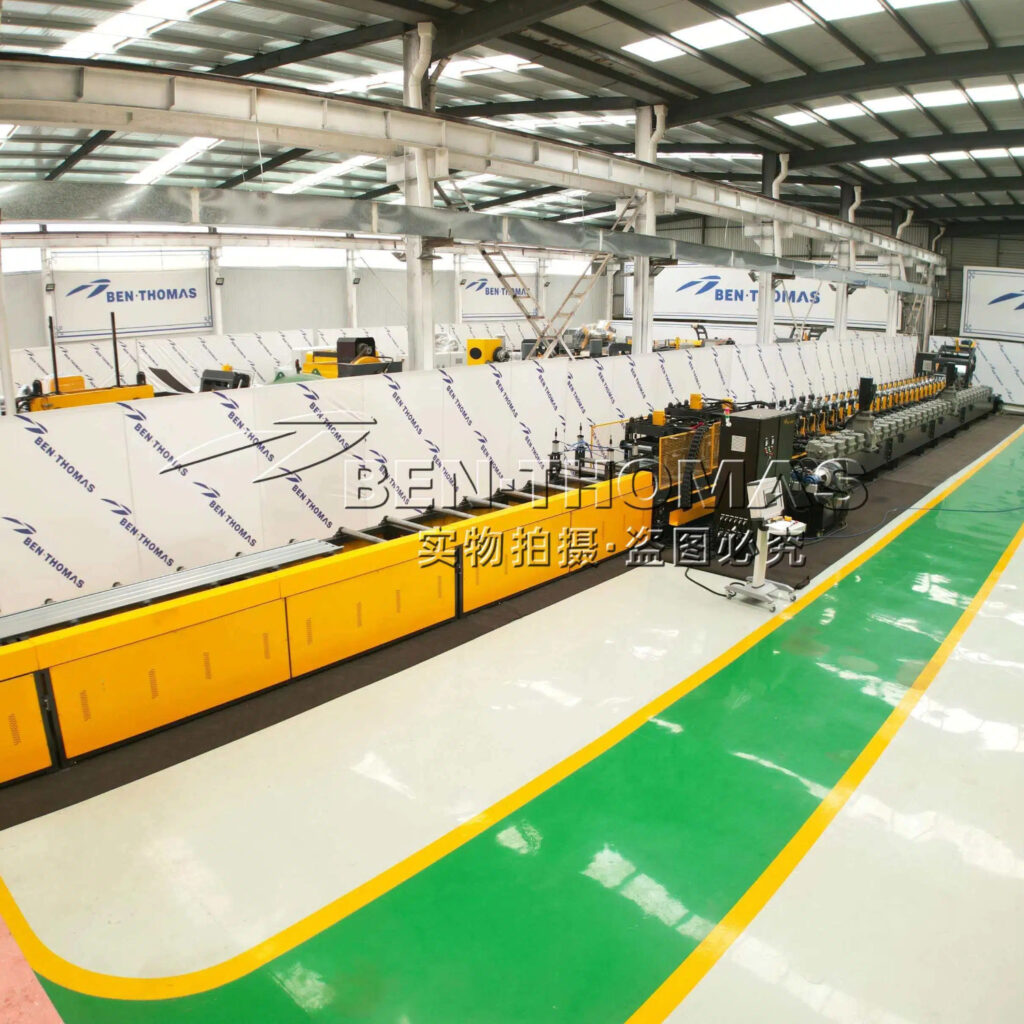
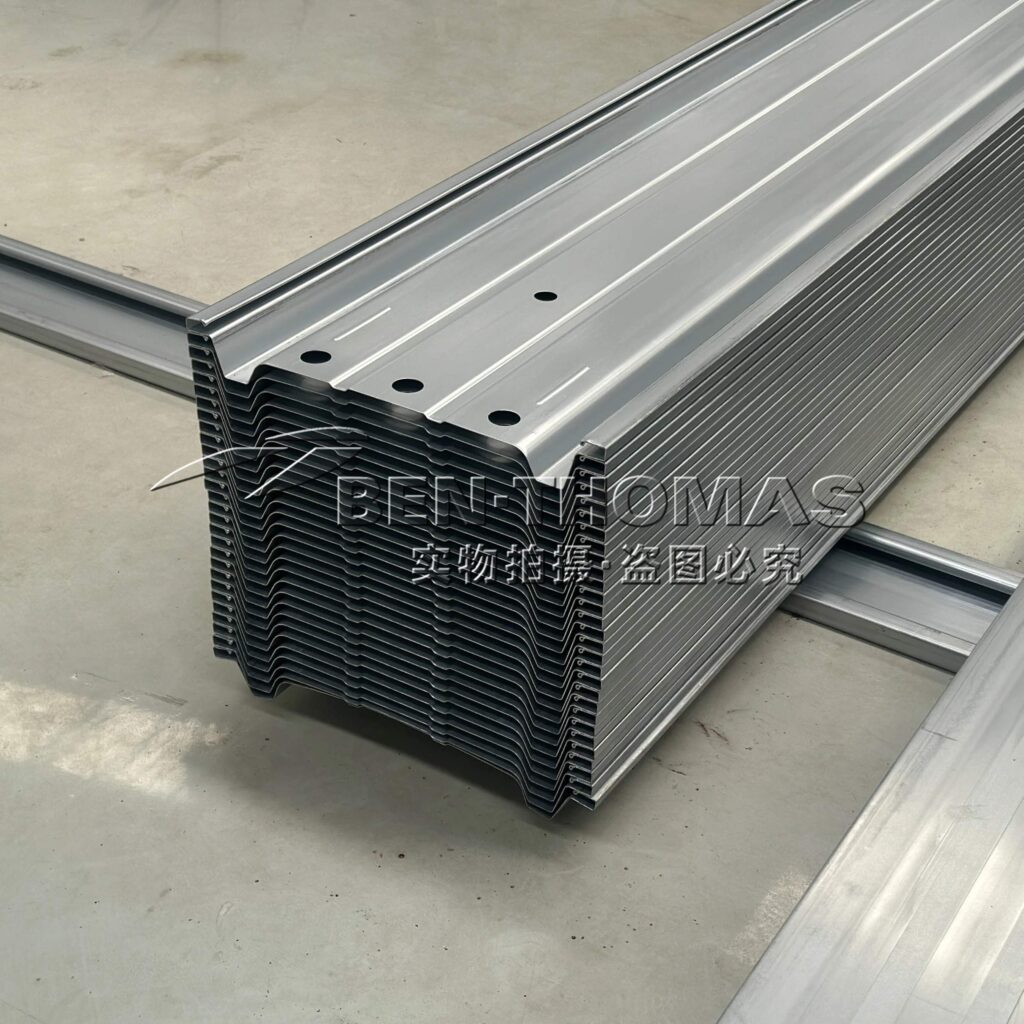
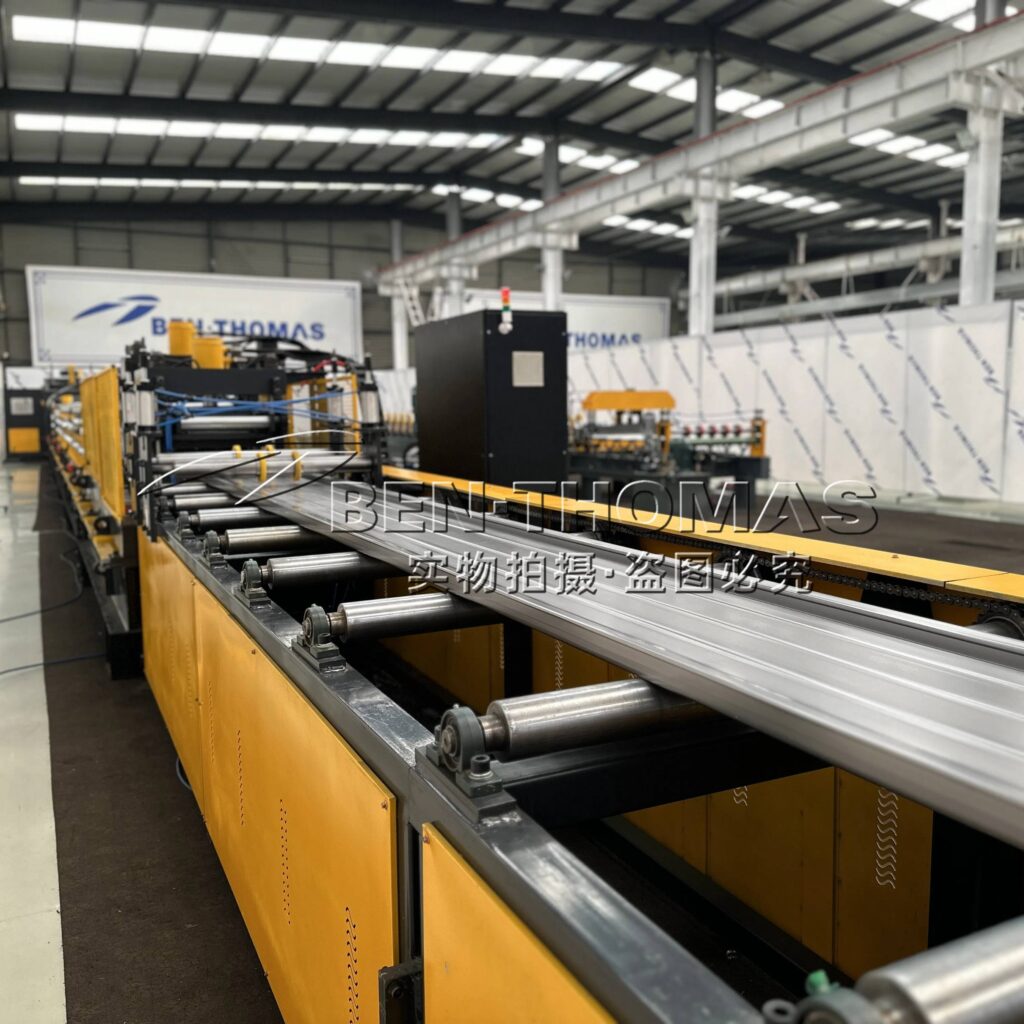
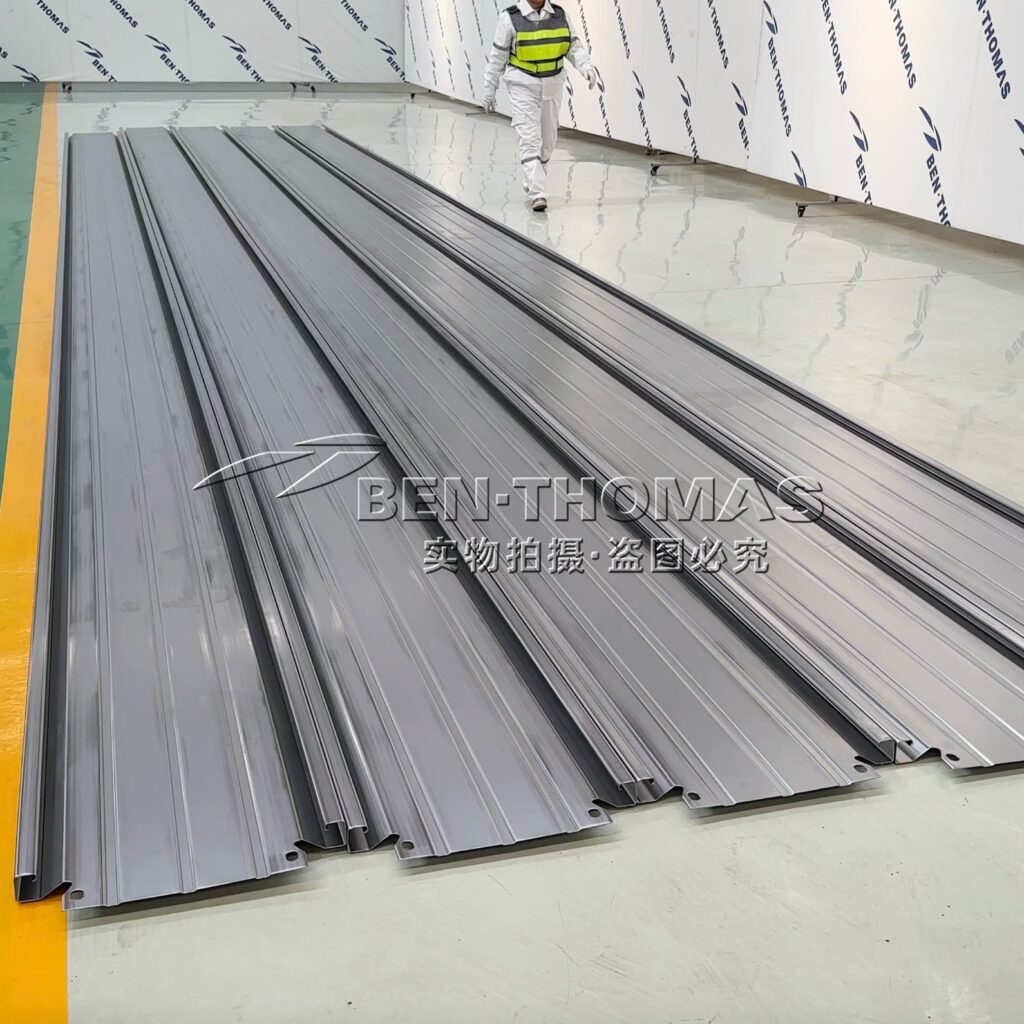
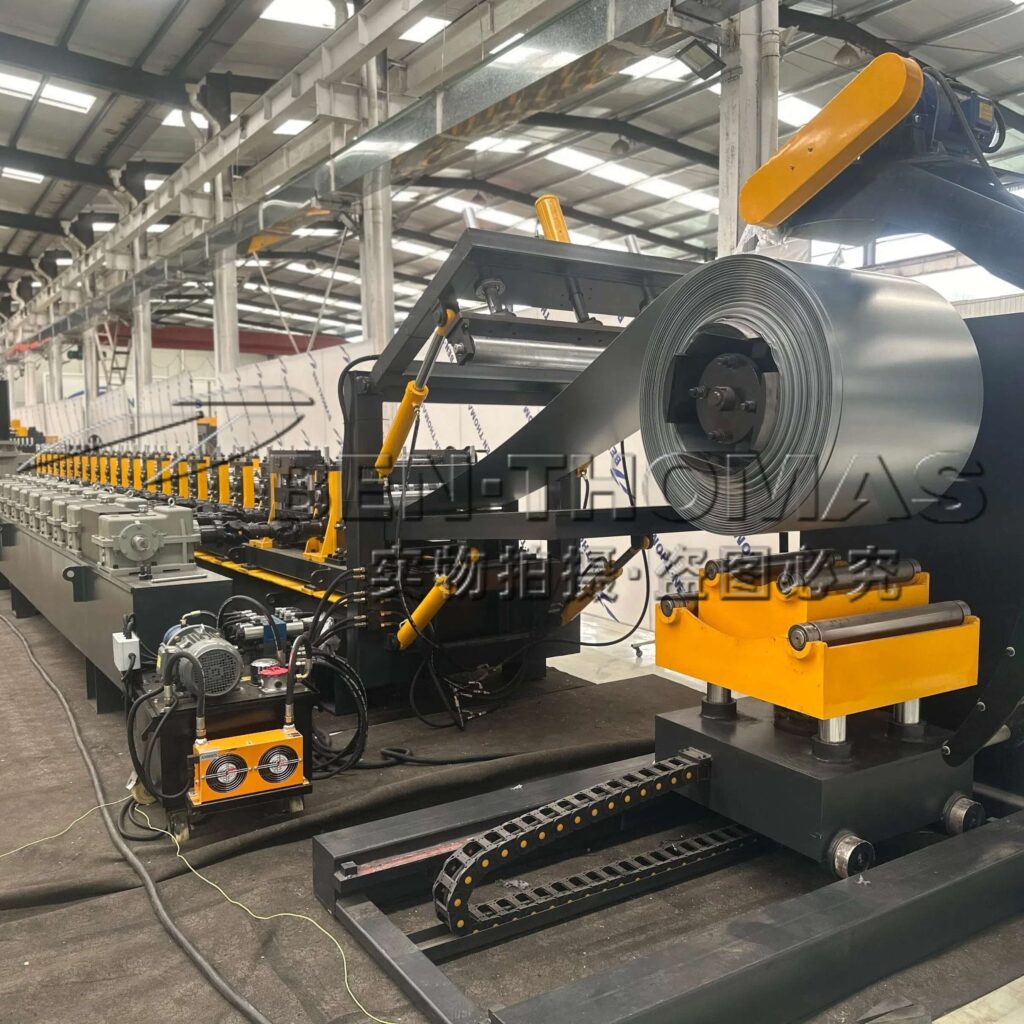
While the term “architectural” may evoke images of building facades or structural elements, the Electrostatic Precipitator Anode Plate serves a different but equally critical role in the built environment: it protects the infrastructure of heavy industry and contributes to cleaner air around industrial facilities. This article explores the diverse applications where anode plates—manufactured by specialized ESP Collecting Electrodes Roll Forming Line —are deployed.
Power Generation: Coal-Fired and Biomass Plants
The largest market for ESP anode plates is the power generation sector. Coal-fired power plants produce vast quantities of fly ash as a combustion byproduct. ESPs equipped with thousands of anode plates capture up to 99.9% of this particulate matter before flue gases exit the stack. Similarly, biomass power plants use ESPs to control ash emissions from burning wood chips, agricultural waste, or other organic materials. In these applications, anode plates must withstand continuous operation at elevated temperatures (often 150°C to 250°C) and resist corrosion from sulfur compounds.
Cement Manufacturing
Cement production is inherently dusty. From raw material grinding to clinker cooling and finish milling, every stage generates particulate emissions. ESPs are widely used in cement plants to capture dust at kilns, raw mills, and clinker coolers. Anode plates in this sector must be robust enough to handle high dust loads and frequent rapping (mechanical cleaning) cycles. Roll-formed plates with deep profiles and reinforced edges offer the durability required for this demanding environment.
Steel and Metal Processing
The steel industry presents unique challenges: flue gases contain not only particulate matter but also corrosive elements and, in some cases, sticky tars. ESPs are used in sinter plants, electric arc furnaces (EAFs), and basic oxygen furnaces (BOFs) to capture iron oxide dust and other particulates. Anode plates for steel applications often require corrosion-resistant coatings or stainless steel construction to withstand aggressive conditions.
Chemical and Petrochemical Industries
In chemical manufacturing and petroleum refining, ESPs control emissions from fluid catalytic cracking units, sulfuric acid plants, and other processes. Here, anode plates must resist chemical attack while maintaining precise geometry to ensure stable corona discharge. Roll forming lines capable of processing stainless steel or specialty alloys are essential for producing plates that meet these rigorous requirements.
Pulp and Paper Mills
Recovery boilers in pulp and paper mills generate particulate emissions that must be controlled to meet environmental regulations. ESPs capture salt cake and other combustion residues, protecting both the environment and downstream equipment. Anode plates in this sector benefit from smooth, continuous profiles that facilitate effective rapping and material release.
Architectural Parallels: Structural Components
While not directly architectural in the aesthetic sense, the manufacturing technology used for ESP anode plates shares principles with architectural metal forming. The same roll forming technology—adapted for different profiles—is used to produce:
-
Building facade panels with custom corrugations
-
Structural C-purlins and Z-purlins for metal building systems
-
Roofing and cladding sheets for industrial structures
This technological crossover highlights the versatility of roll forming as a manufacturing process. A facility equipped with an ESP anode plate line may also have the capability to produce architectural profiles with similar precision and efficiency.
Environmental Impact
By enabling efficient particulate capture, ESP anode plates contribute indirectly to architectural and urban environments. Facilities equipped with high-performance ESPs can operate within emissions limits, allowing industrial plants to coexist with residential and commercial developments. The continuous, mass production of consistent, high-quality anode plates via roll forming supports this environmental stewardship at scale.
Contact: Elise
Tel:+86-155 3281 7581
Email: elise@tgrfm.cn