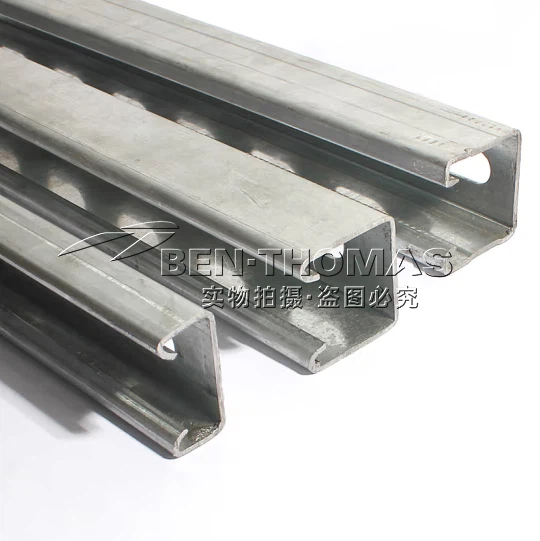
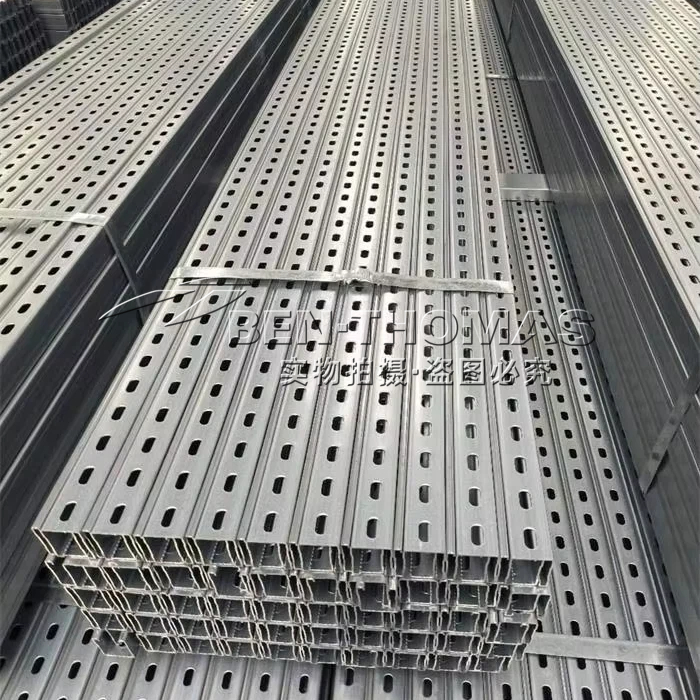
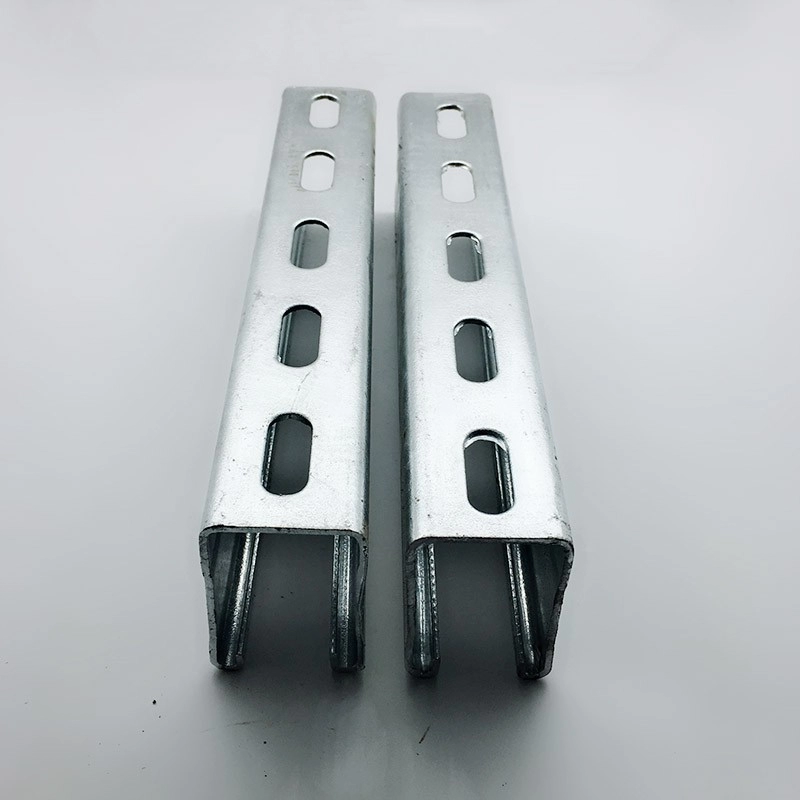
Across the globe, two rapidly expanding infrastructure sectors—solar photovoltaic (PV) energy and utility tunnel (pipe gallery) systems—rely on a common set of structural components. Walk through any utility-scale solar farm or inspect the support systems within an underground utility corridor, and you will encounter the same familiar profile dimensions: 41×41 mm, 21×21 mm, and 41×21 mm.
These dimensions have emerged as the de facto industry standards, not by accident, but through decades of engineering refinement, standardization efforts, and the practical demands of manufacturing, installation, and structural performance. This article explores:
-
Why these specific dimensions have become the global standard
-
How these critical support columns are manufactured using advanced cold roll forming technology
Part 1: Why 41×41, 21×21, and 41×21 Profiles Are the Industry Standard
1. Modularity & Interchangeability
One of the most significant drivers behind the adoption of these specific dimensions is modularity. Both solar mounting systems and utility tunnel supports require extensive use of brackets, connectors, clamps, and fasteners. When profiles conform to standardized dimensions:
-
Components are interchangeable: Brackets and connectors designed for one manufacturer’s system will fit another’s, reducing supply chain complexity.
-
Installation is simplified: Installers familiar with these profiles can work efficiently across different projects.
-
Inventory management is streamlined: Distributors and contractors can stock fewer SKUs while serving multiple applications.
The 41×41 profile, in particular, has become the “golden dimension” for structural framing, compatible with a vast ecosystem of pre-engineered connectors, spring nuts, and accessories.
2. Structural Efficiency & Load-Bearing Capacity
The dimensions 41×41, 21×21, and 41×21 are not arbitrary—they represent an optimal balance between material usage and structural performance.
These dimensions allow engineers to design systems that withstand:
-
Wind loads: Up to 150 mph (240 km/h) for solar installations
-
Snow loads: 10–100 psf (0.5–4.8 kN/m²) depending on geographic location
-
Seismic forces: Critical for utility tunnels in earthquake-prone regions
-
Live loads: Maintenance access and equipment loads in pipe galleries
Part 2: How These Support Columns Are Manufactured
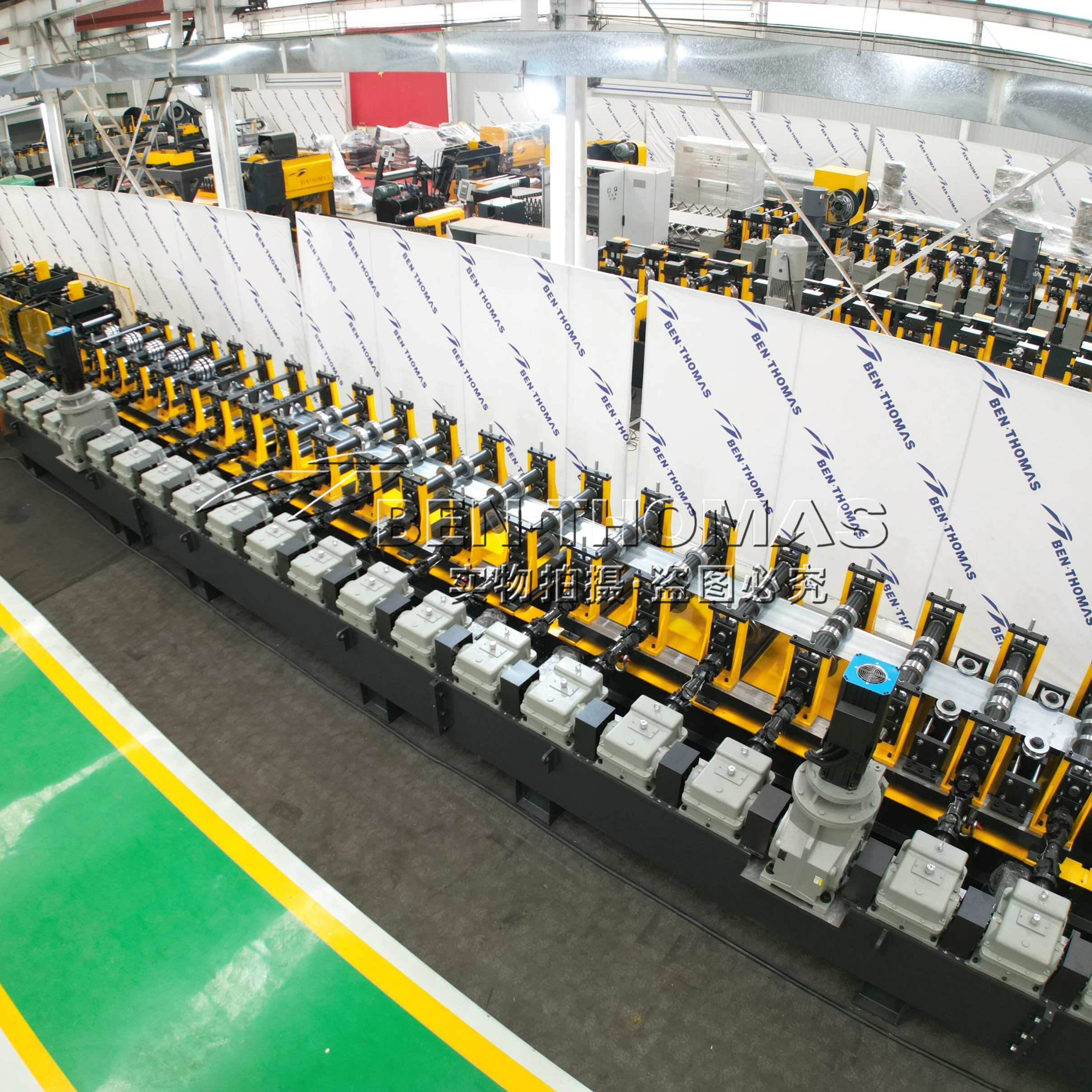
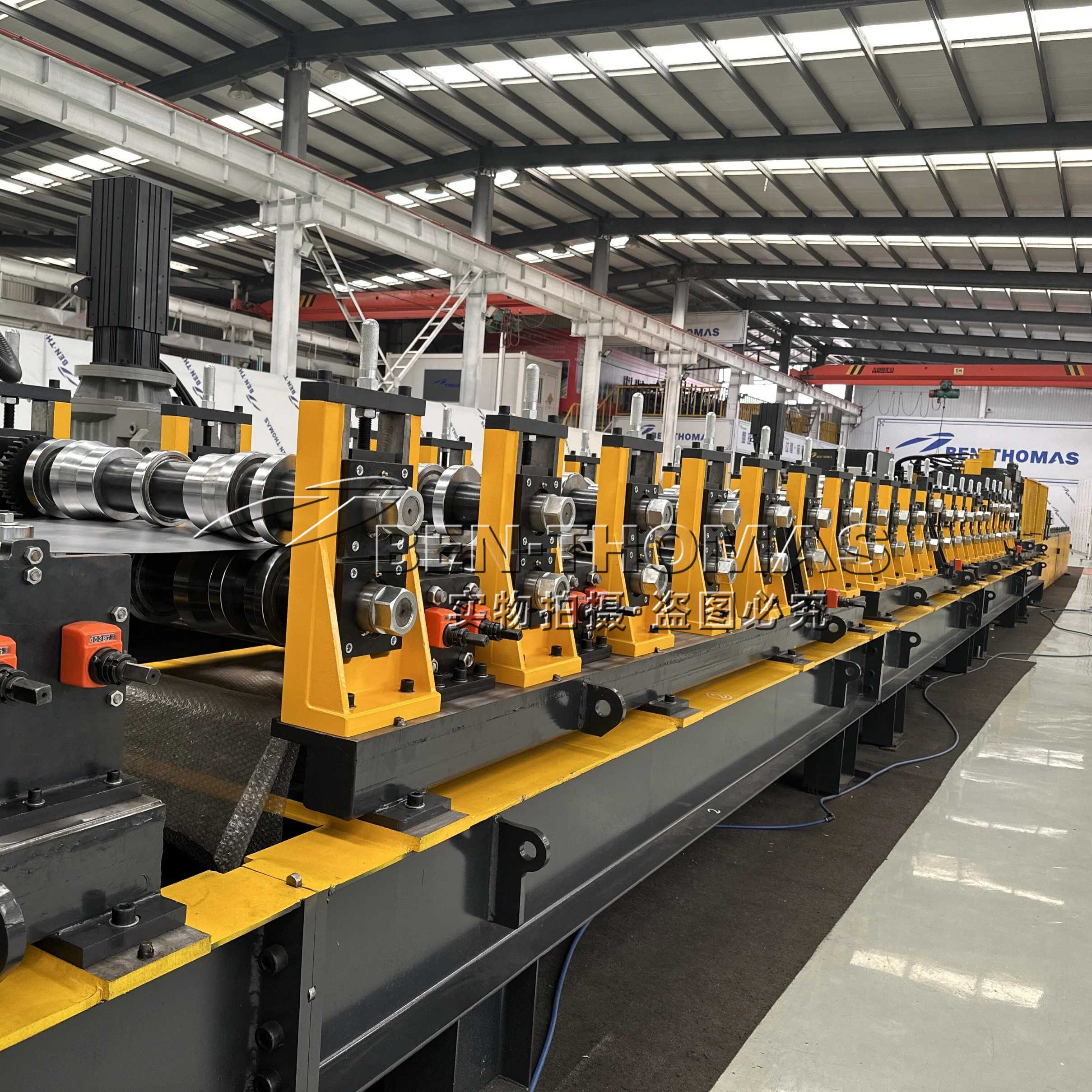
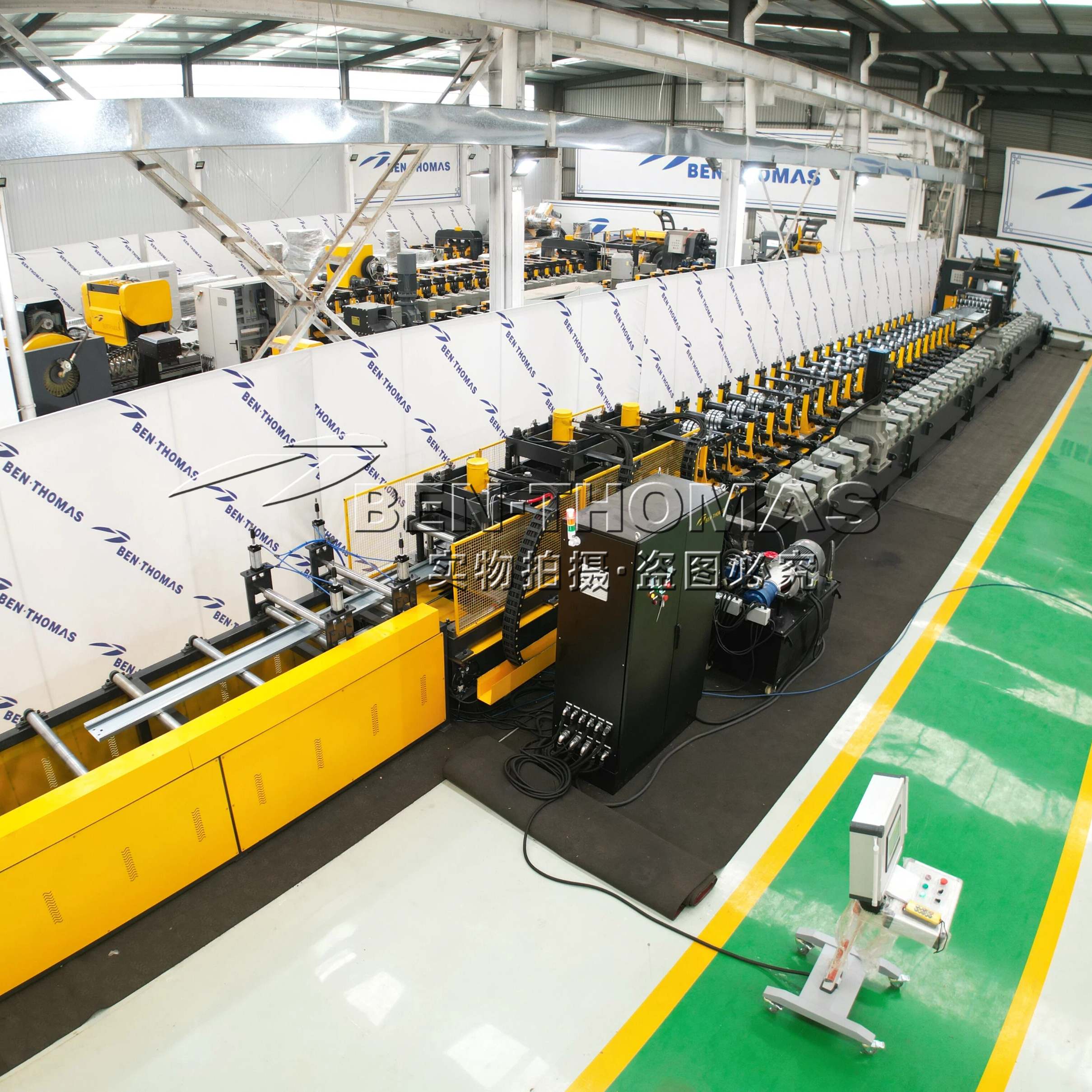
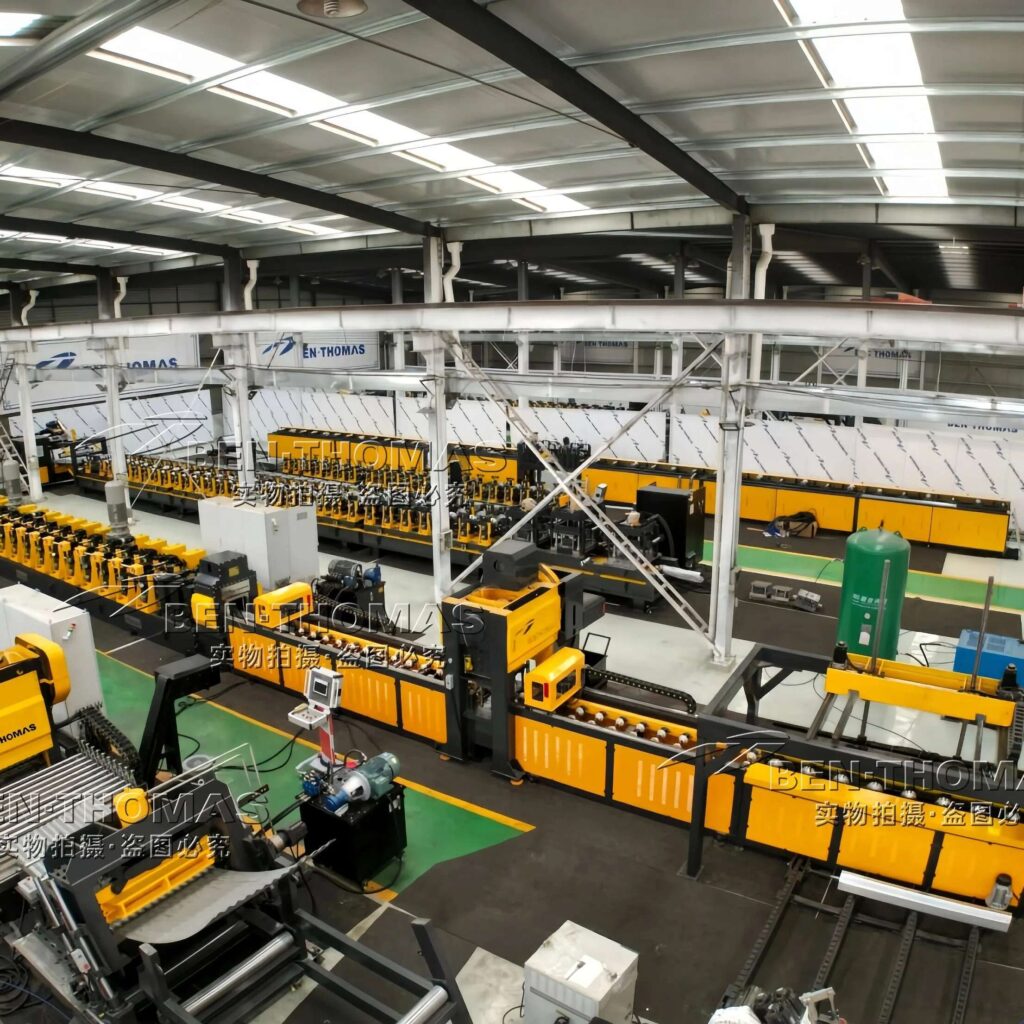
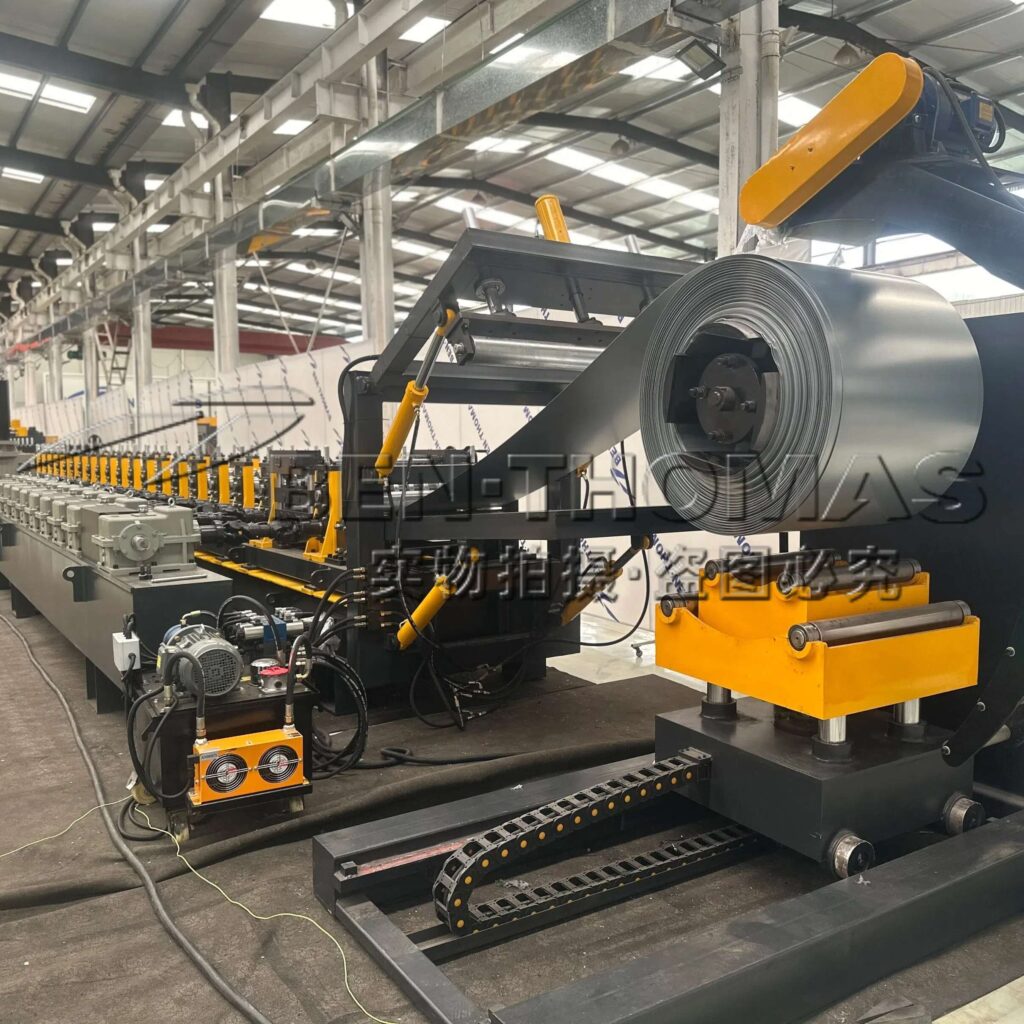
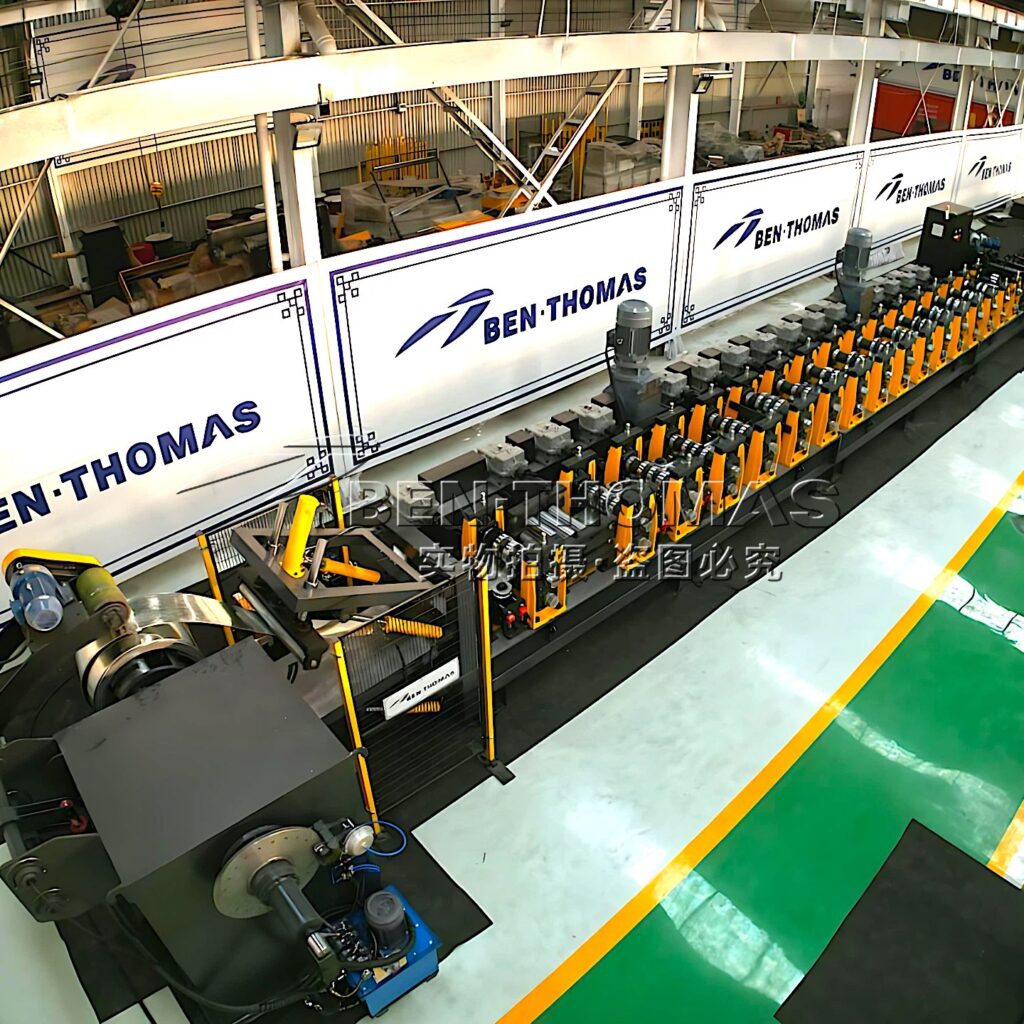
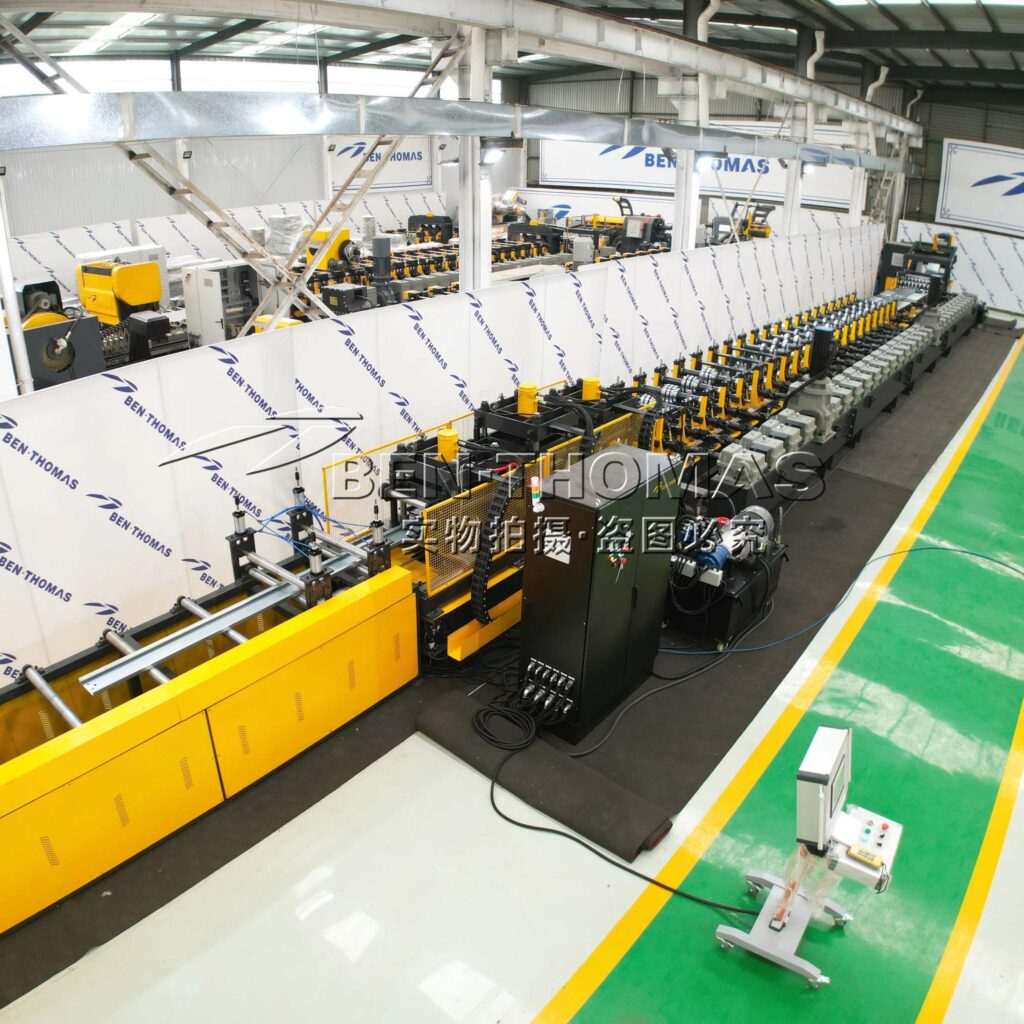
The production of 41×41, 21×21, and 41×21 profiles for solar PV and utility tunnel applications is achieved through a sophisticated manufacturing process known as cold roll forming. This technology enables continuous, high-volume production of precision profiles with consistent quality.
Cold roll forming is a metalworking process in which a continuous strip of metal—typically steel coil—is passed through a series of progressively shaped rollers. Each set of rollers performs an incremental bend until the final cross-sectional profile is achieved. Unlike press braking, which processes discrete lengths, roll forming is a continuous process ideal for mass production.
Step-by-Step Manufacturing Process
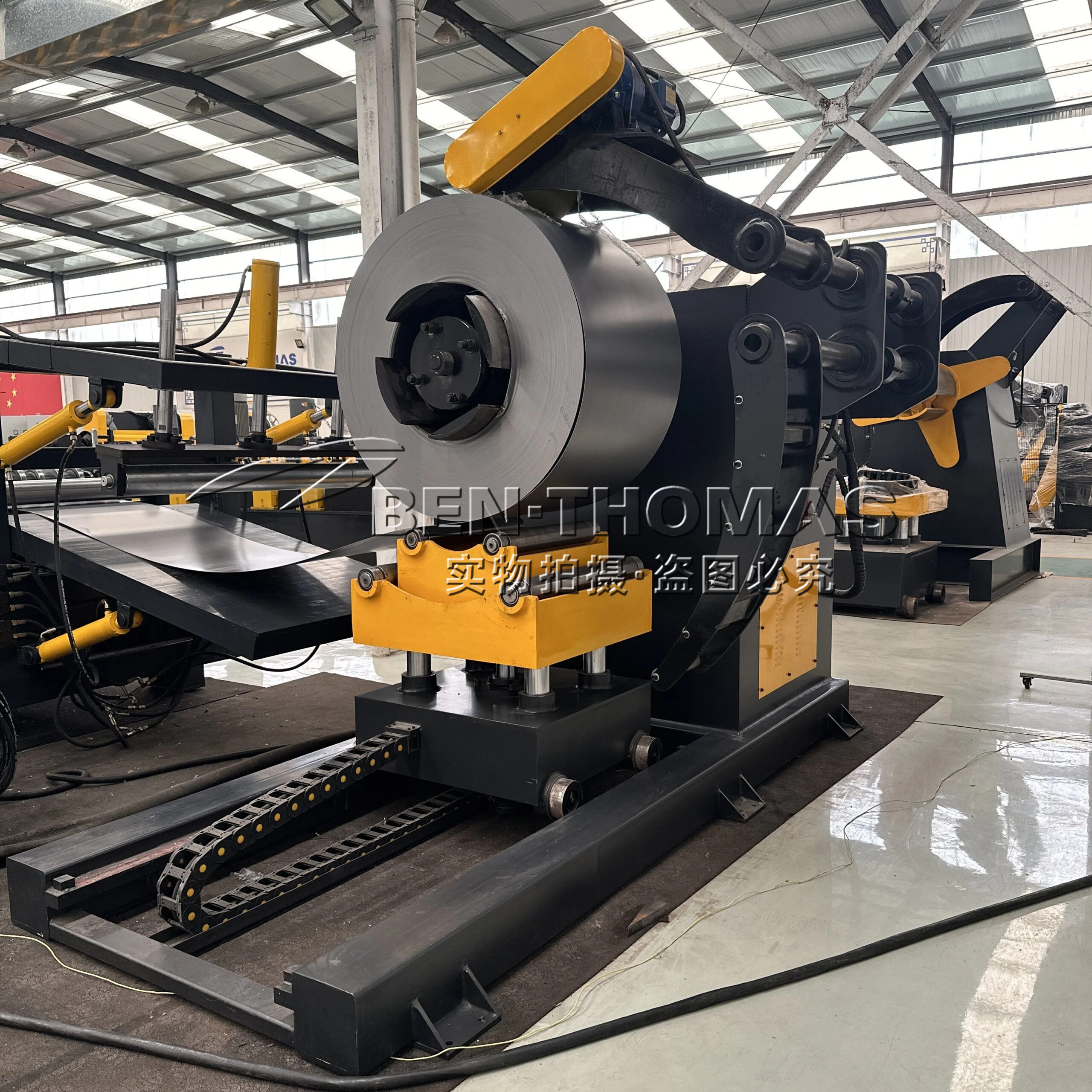
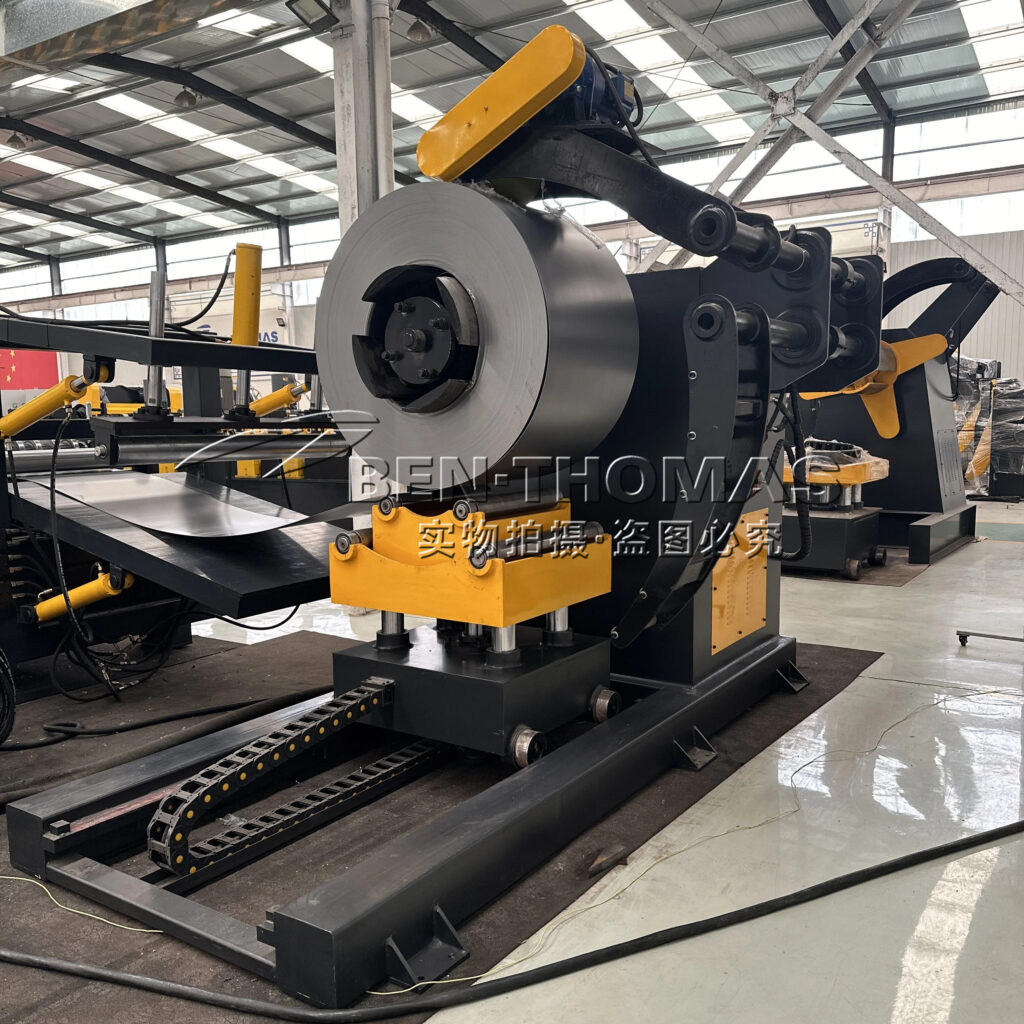
Step 1: Material Preparation – Steel Coils
The process begins with steel coils—typically hot-dip galvanized steel, Galvalume (AZ), or high-strength low-alloy (HSLA) steel. Common specifications include:
-
Material thickness: 1.5mm to 3.0mm
-
Yield strength: 250 MPa to 550 MPa (Grade 350 and Grade 550 are common)
-
Coil weight: 5 to 15 tons
-
Coating: Z275 to Z600 (275–600 g/m² zinc coating) for corrosion resistance
For solar applications requiring 25-year service life, heavier galvanized coatings (Z600) or stainless steel may be specified.
Contact: Elise
Tel:+86-155 3281 7581
Email: elise@tgrfm.cn