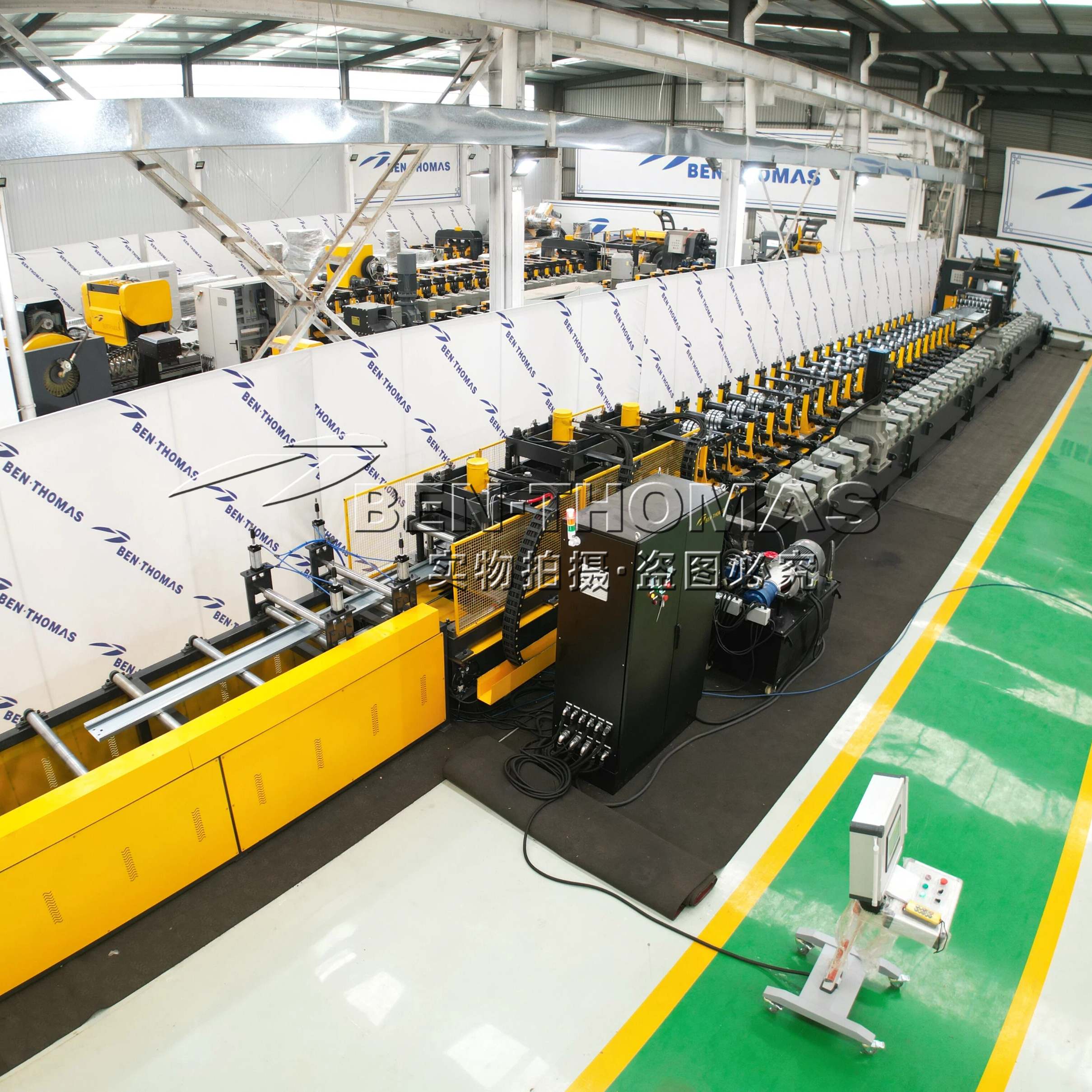
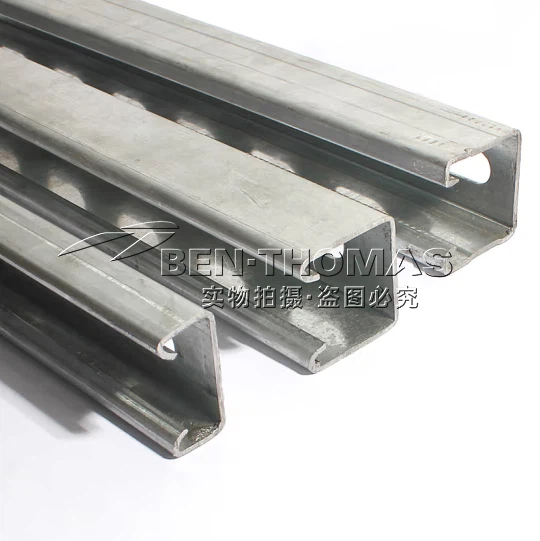
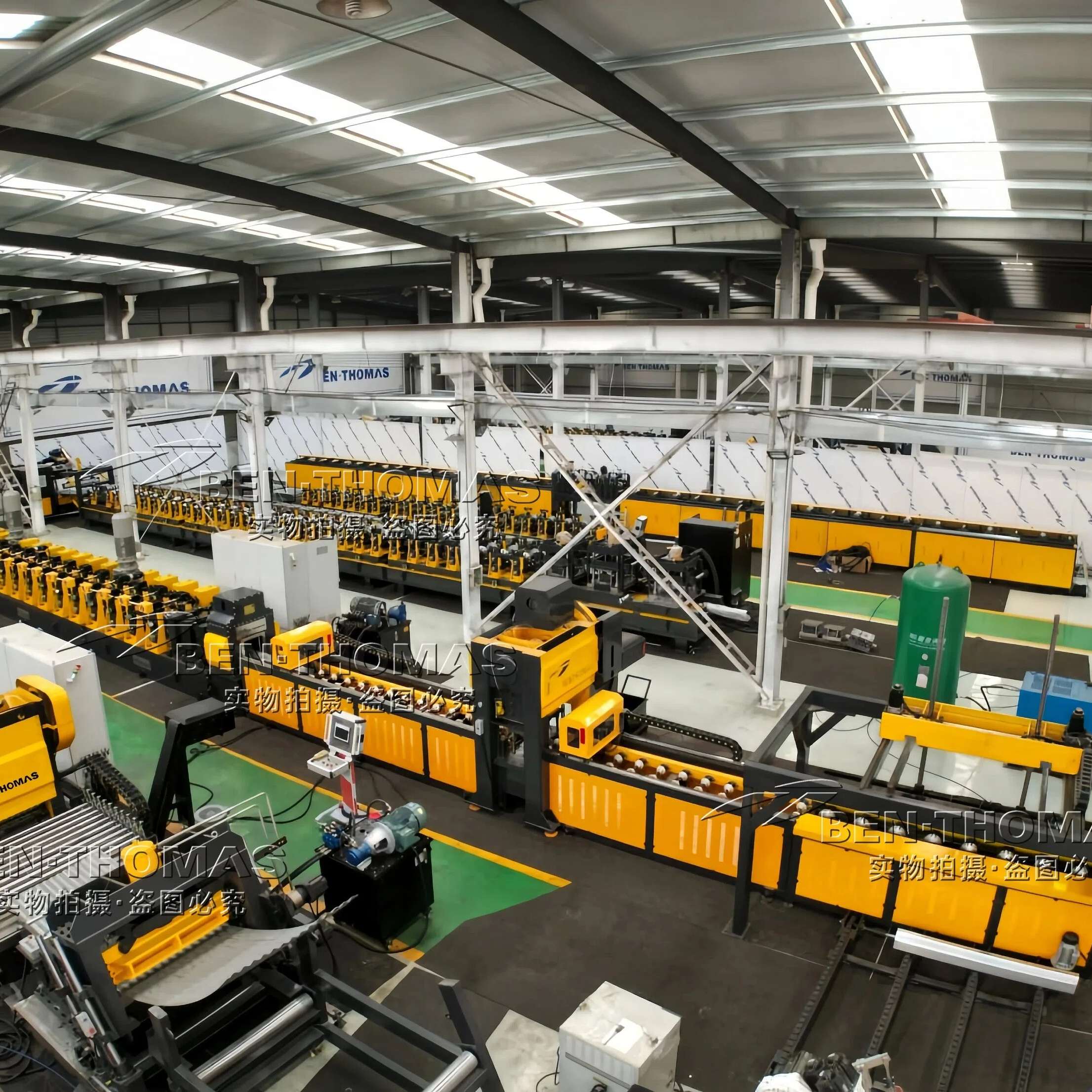
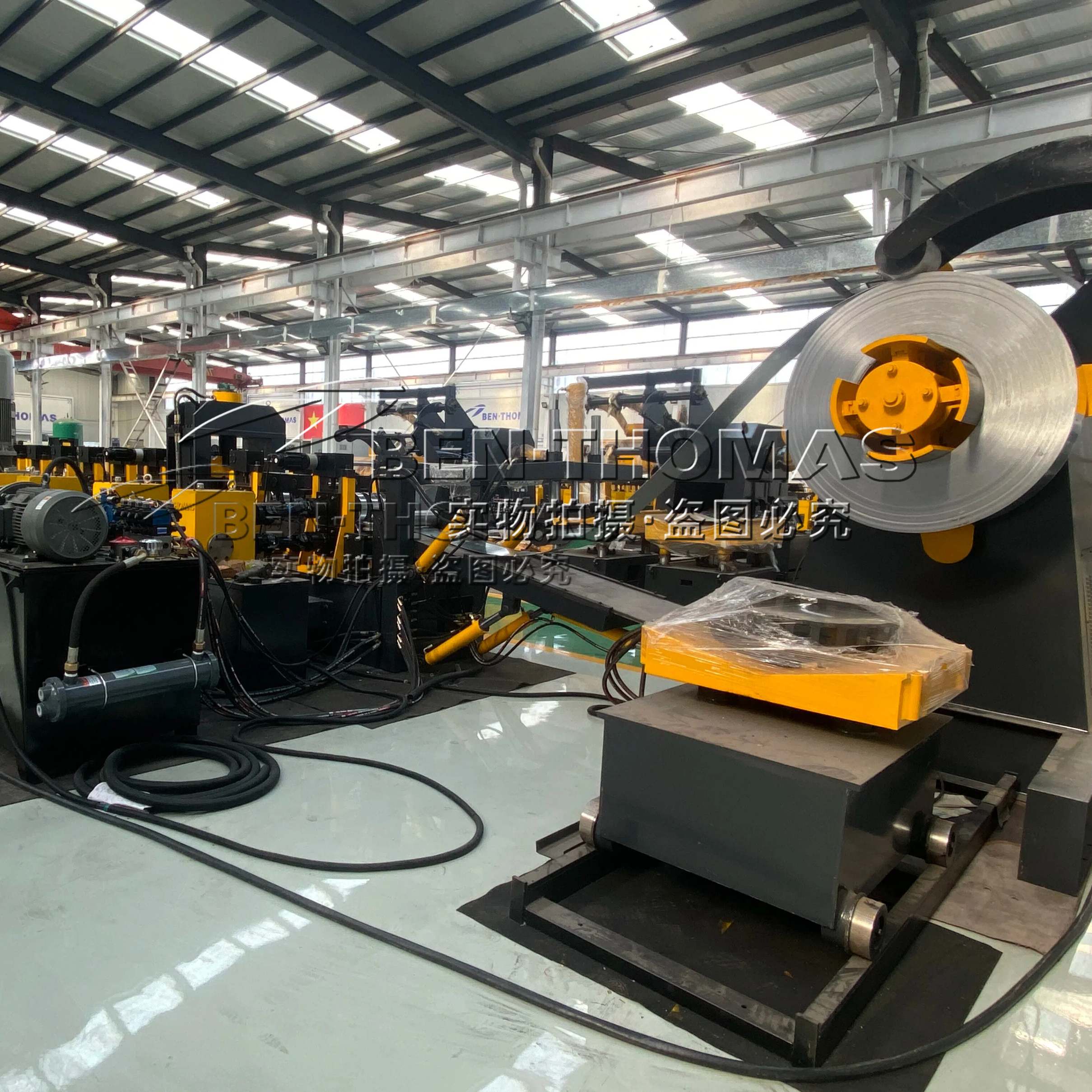
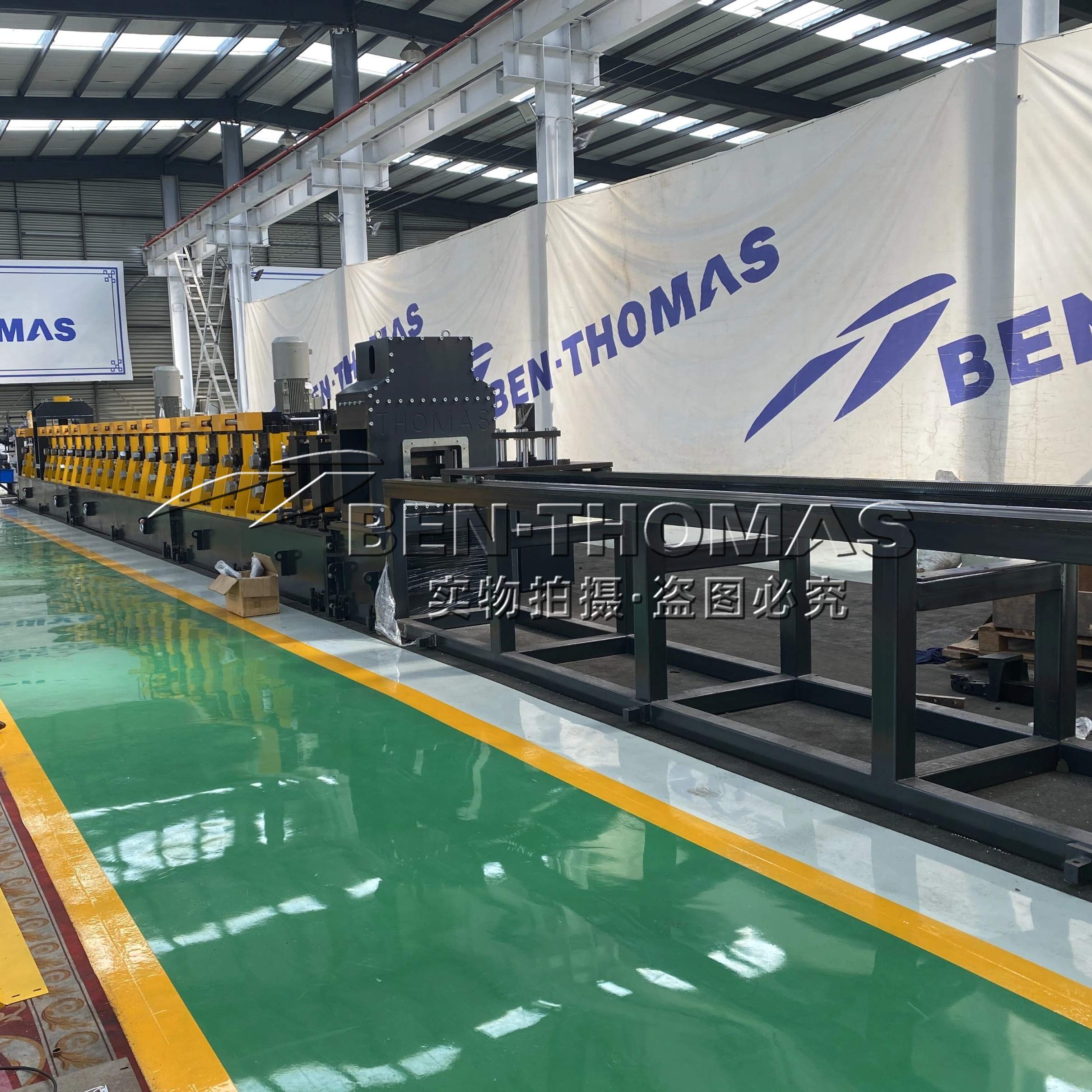
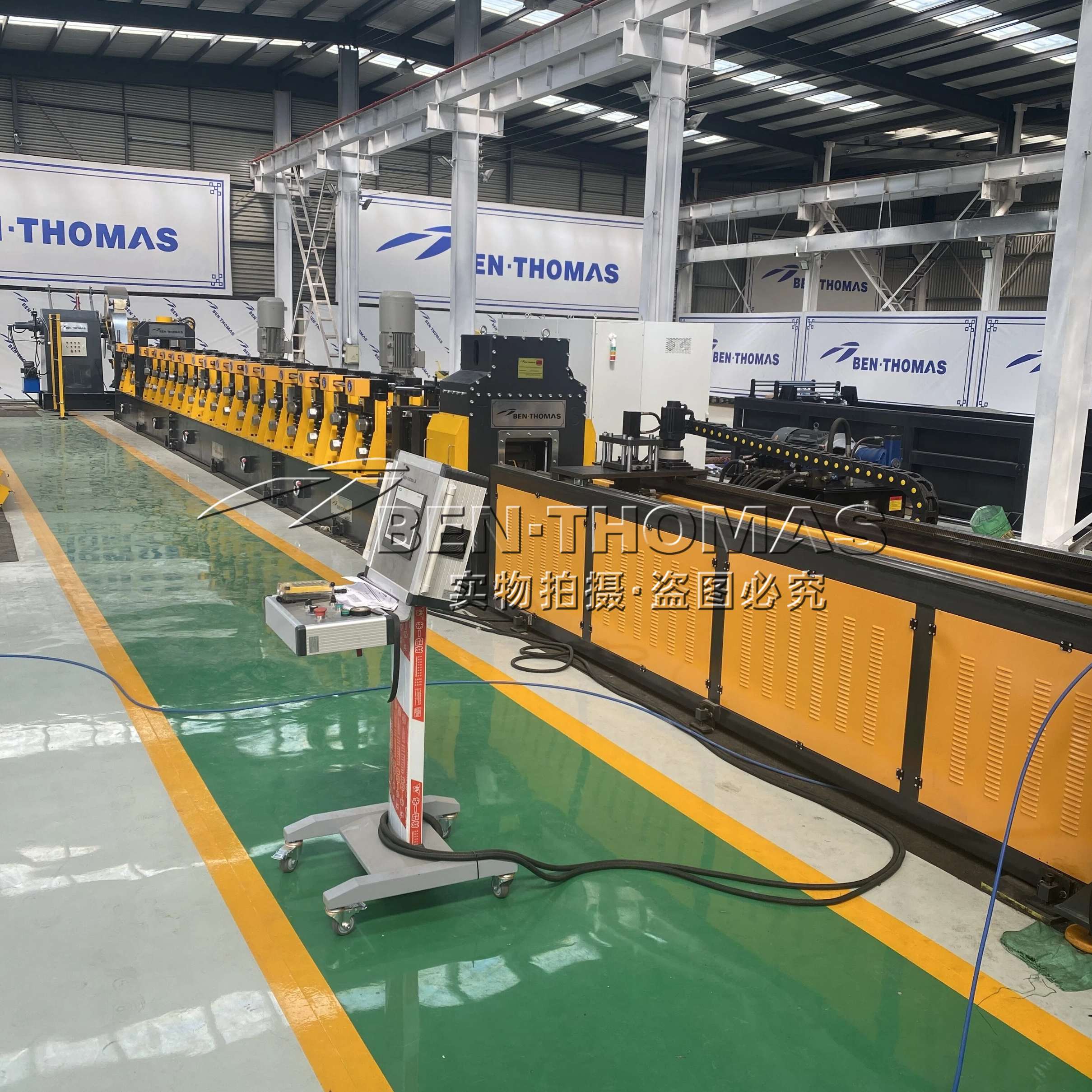
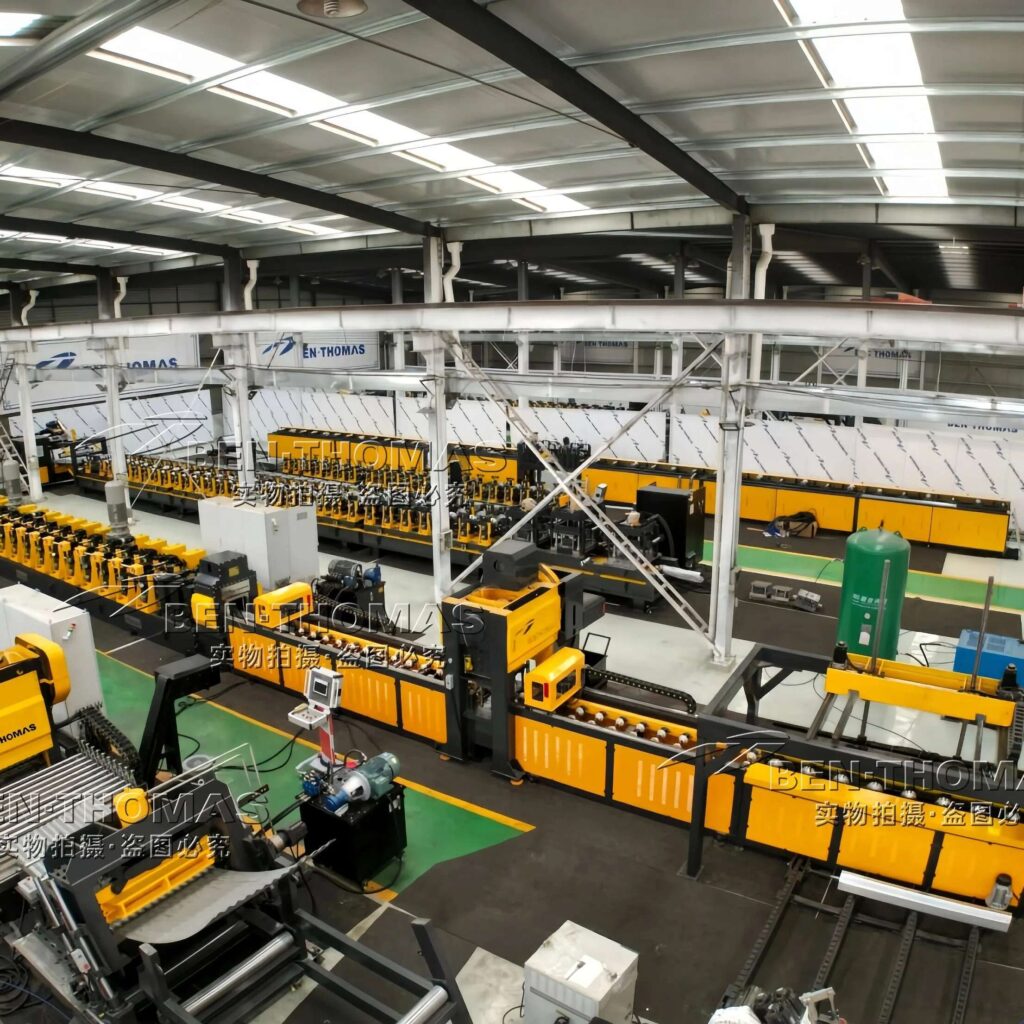
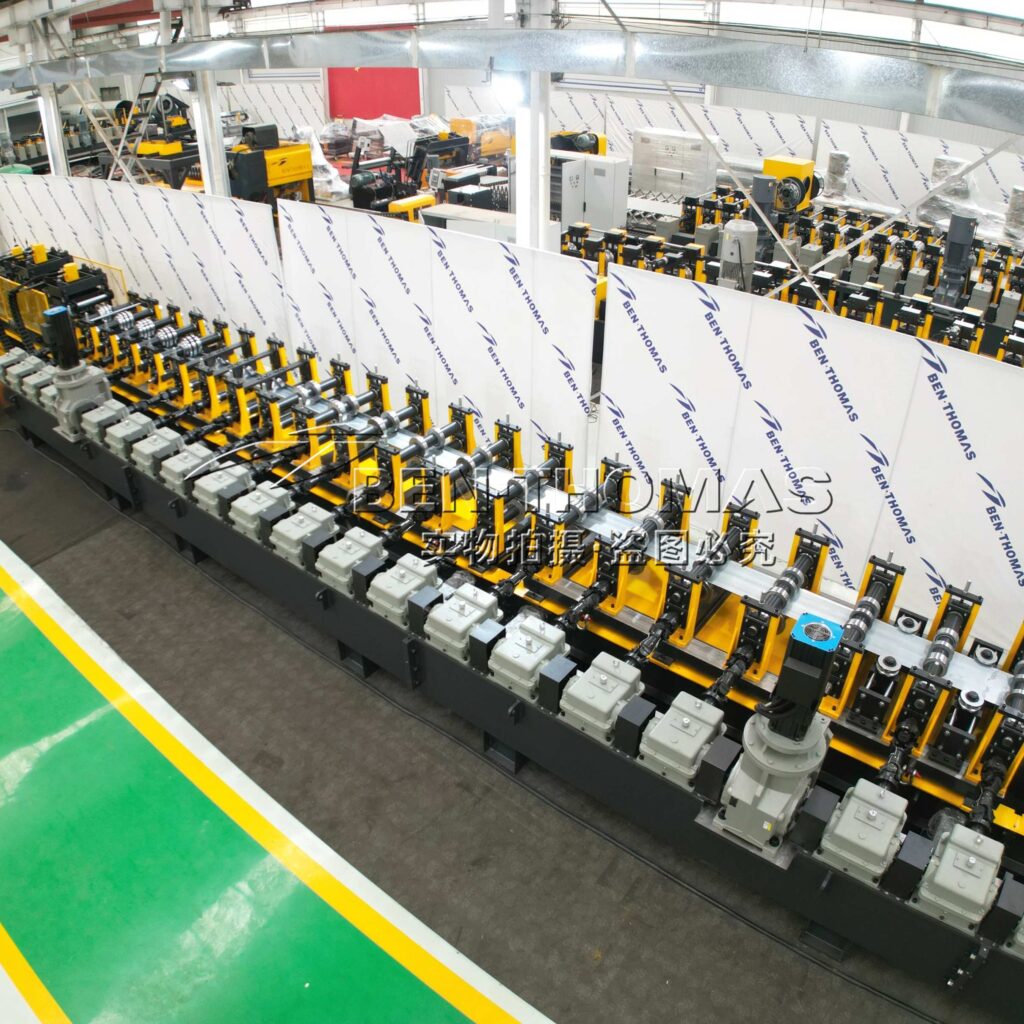
While roll forming machines produce the metal components, the applications they serve span the built environment in increasingly diverse ways. The Solar PV Mounting Structure has evolved from simple ground-mount racks into sophisticated architectural and structural systems that integrate renewable energy generation with functional infrastructure. This article explores the major application categories where Unistrut Slotted Channel Manufacturing Line solar mounting components are deployed.
Utility-Scale Solar Farms
The largest market for solar mounting structures is utility-scale ground-mount systems, typically ranging from 1 MW to over 500 MW. These installations require:
-
Foundation systems: Ground screws, driven piles, or concrete footings—often roll-formed from high-strength steel
-
Support posts: Vertical or near-vertical members that transfer loads to foundations
-
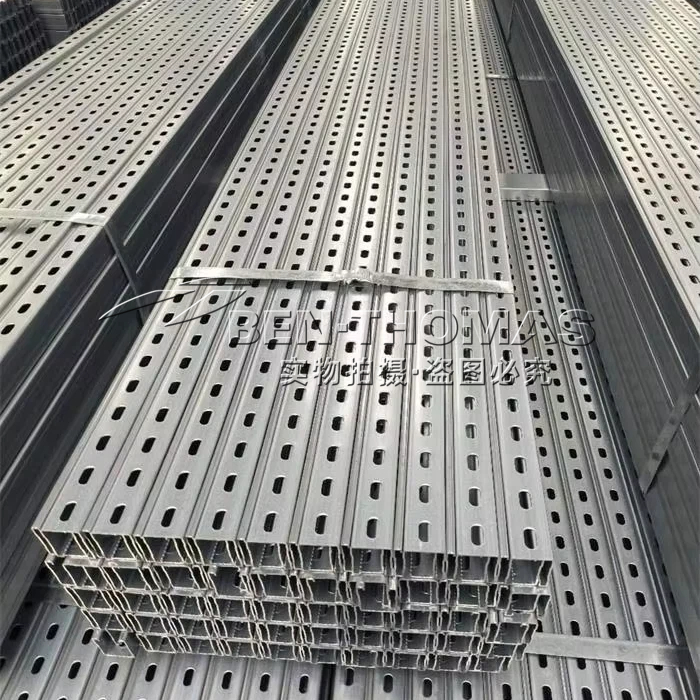
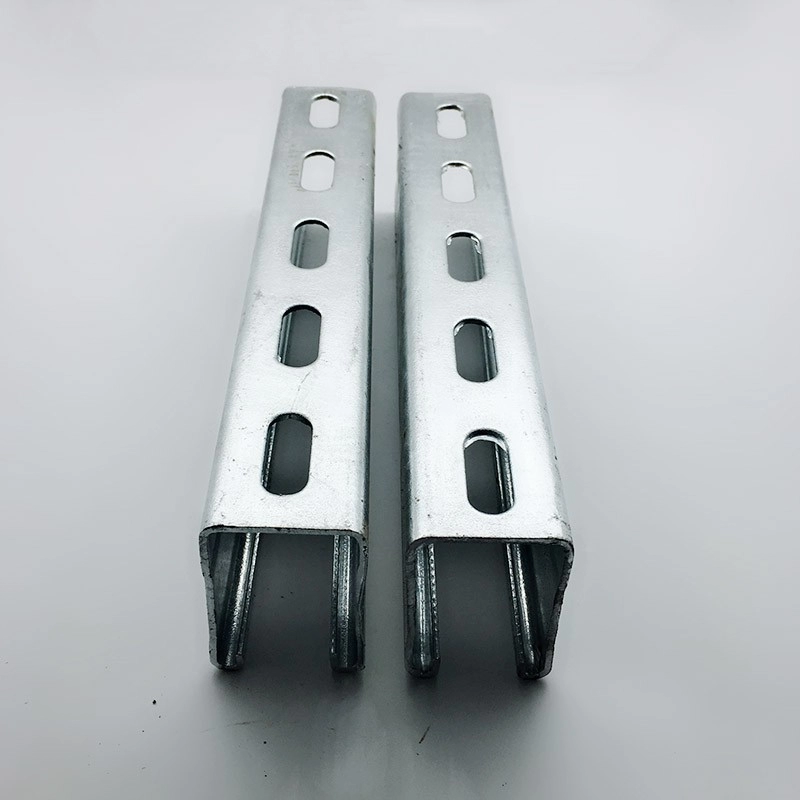
Horizontal purlins: C, Z, or hat sections that span between posts and support PV modules
-
Module rails: Secondary members that attach directly to panels
Roll forming is uniquely suited to this market due to the sheer volume required—a 100 MW solar farm may require 2,000 to 3,000 tons of steel mounting structures. The ability to produce identical profiles continuously ensures consistent quality and rapid deployment.
Commercial & Industrial Rooftop Systems
Flat or low-slope commercial rooftops represent a significant growth segment for solar. Rooftop mounting systems must:
-
Penetrate or ballast on the roof membrane without compromising waterproofing
-
Accommodate rooftop obstacles (HVAC units, skylights, parapets)
-
Comply with local wind load requirements and seismic codes
Roll-formed profiles for rooftop applications include:
-
Ballasted trays: Low-profile sections that hold modules without roof penetration
-
Standing seam clamps: Profiles that attach to existing metal roof seams
-
Rail systems: Lightweight aluminum or steel rails that elevate modules above the roof surface
Solar Carports & Canopies
Solar carports combine vehicle shading with renewable energy generation, creating dual-use structures that maximize site value. These applications demand:
-
Structural columns: Typically heavy-gauge (2.5–3.5mm) square or rectangular tubes or C-sections
-
Truss systems: Engineered profiles that span parking aisles without intermediate supports
-
Integrated drainage: Roll-formed gutters and flashing systems that manage rainwater
Carports represent a structural application where solar mounting components serve as primary building elements, requiring engineering rigor comparable to conventional steel building construction.
Agrivoltaics & Dual-Use Agriculture
Agrivoltaics—co-locating solar panels with agricultural production—is emerging as a high-growth application. Mounting structures in this context must:
-
Elevate panels sufficiently (2–3 meters) to allow farm equipment passage
-
Accommodate specific panel orientations optimized for crop shading requirements
-
Withstand agricultural environments (dust, humidity, chemical exposure)
Roll-formed posts and trusses are increasingly used in these systems, often with deeper sections and enhanced corrosion protection compared to standard ground-mount products.
Floating Solar (Floatovoltaics)
Floating solar arrays on reservoirs, lakes, and wastewater treatment ponds represent a specialized application. While the mounting structures differ (typically HDPE floats), the access walkways, anchoring systems, and perimeter railings often utilize roll-formed aluminum or galvanized steel profiles designed for high-humidity environments.
Building-Integrated & Facade-Mounted Solar
Architectural applications increasingly incorporate solar mounting into building envelopes:
-
Facade-mounted systems: Vertical or tilted profiles attached to building exteriors
-
Balustrade systems: Solar modules integrated into railings and parapets
-
BIPV (Building-Integrated Photovoltaics): Mounting profiles that serve as both structural supports and architectural finishes
These applications require higher aesthetic standards, with roll-formed profiles often receiving architectural coatings or being fabricated from aluminum with anodized finishes.
Performance Requirements Across Applications
Regardless of application, solar mounting structures must satisfy:
-
Structural integrity: Withstand design wind speeds (typically 90–150 mph), snow loads (10–100 psf), and seismic forces
-
Durability: 25–30 year service life with minimal maintenance
-
Corrosion resistance: Appropriate coating or material selection for site-specific environmental conditions
-
Module compatibility: Precise hole spacing to accommodate standard module frame dimensions (typically 1,000mm, 1,200mm, or 1,500mm module widths)
By producing consistent, precision-engineered profiles, solar PV mounting structure roll forming machines enable the diverse applications that are driving the global transition to renewable energy.
Contact: Elise
Tel:+86-155 3281 7581
Email: elise@tgrfm.cn