
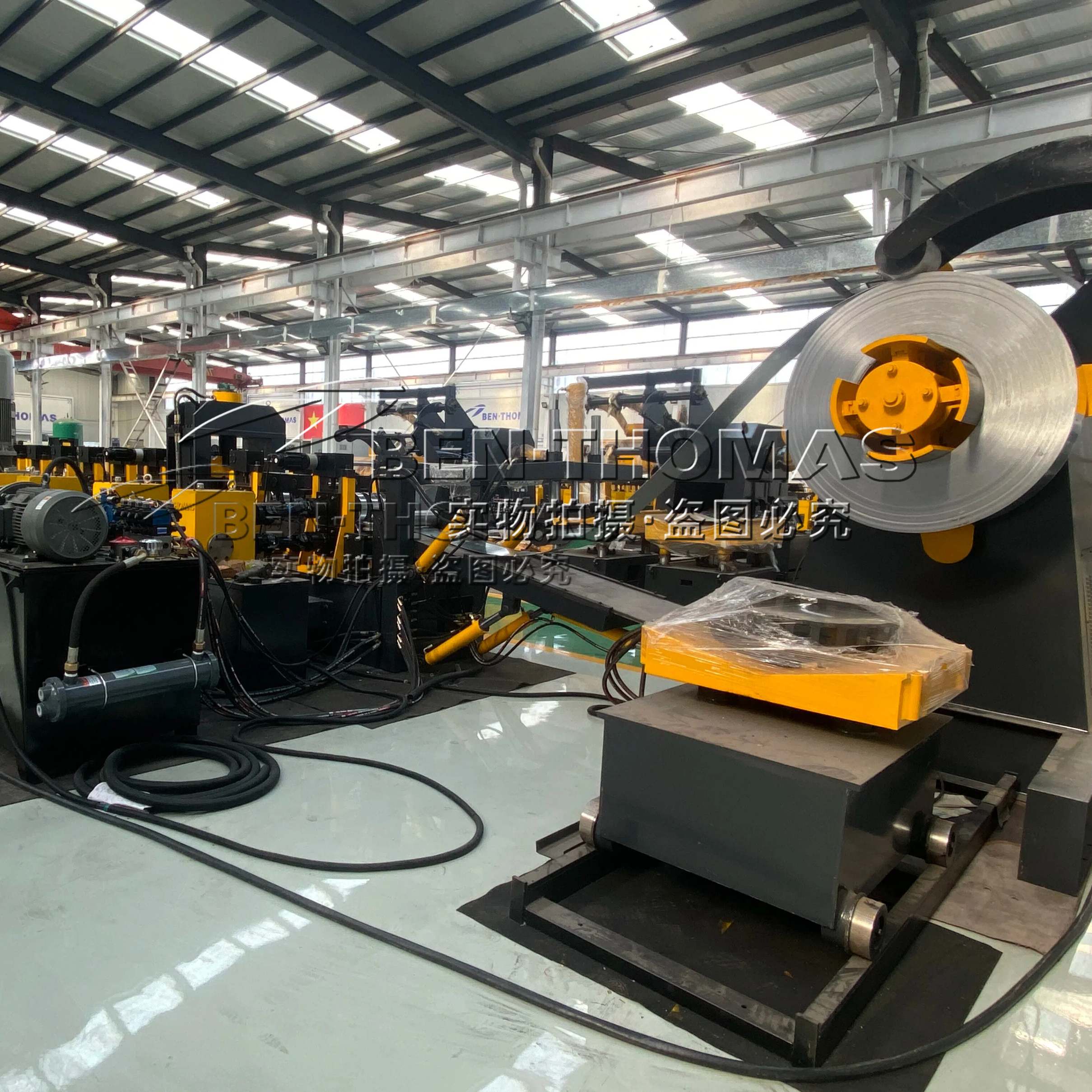
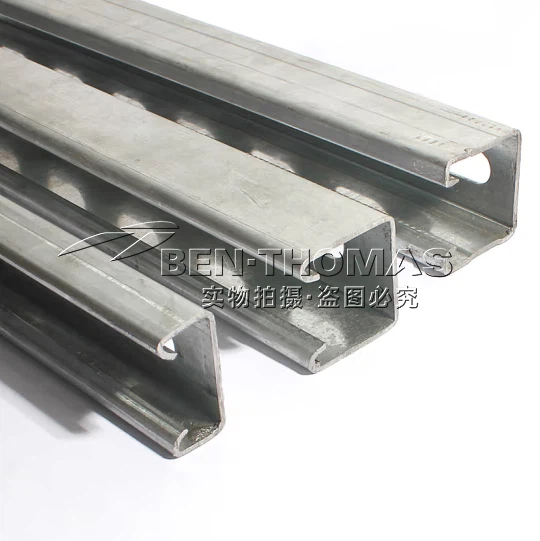
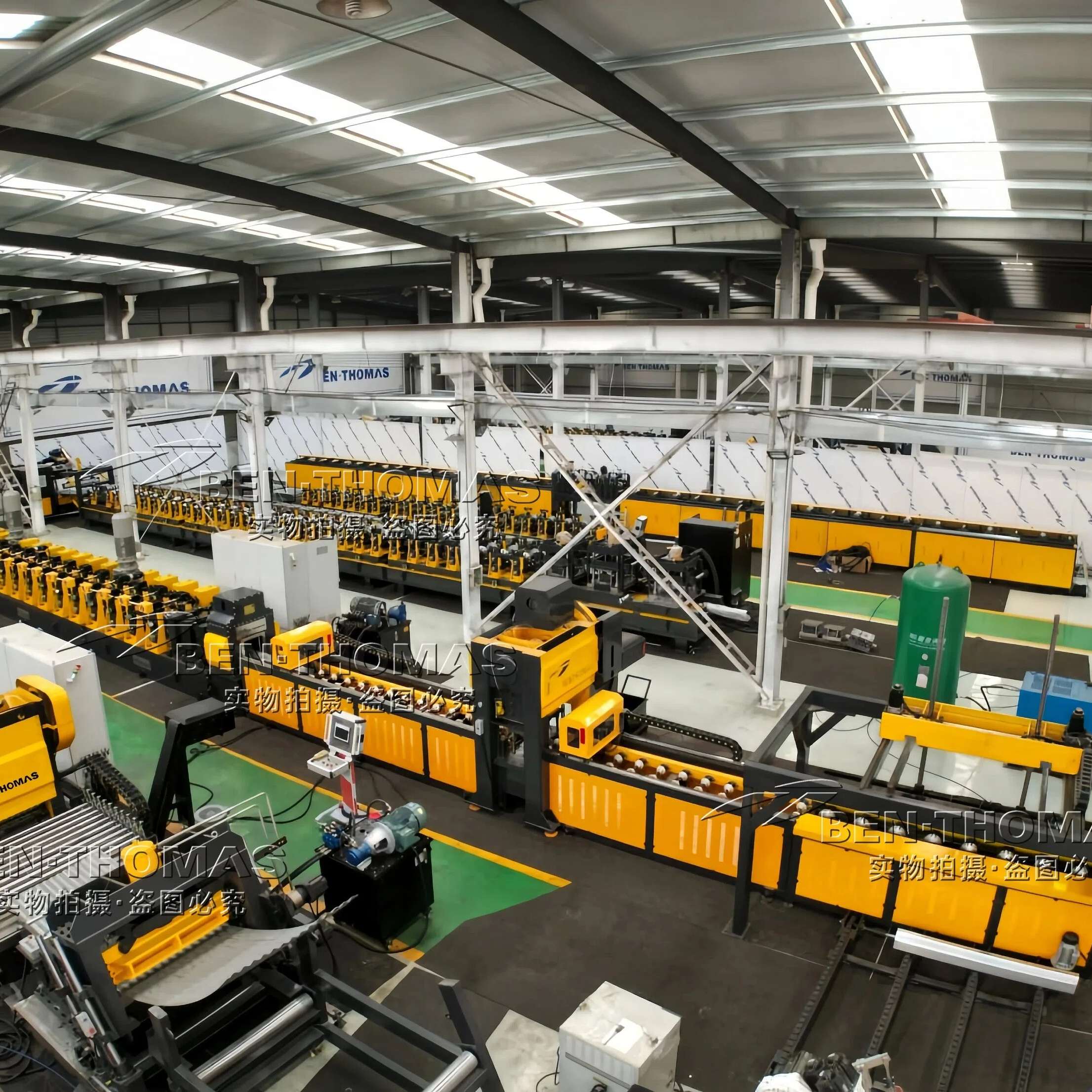
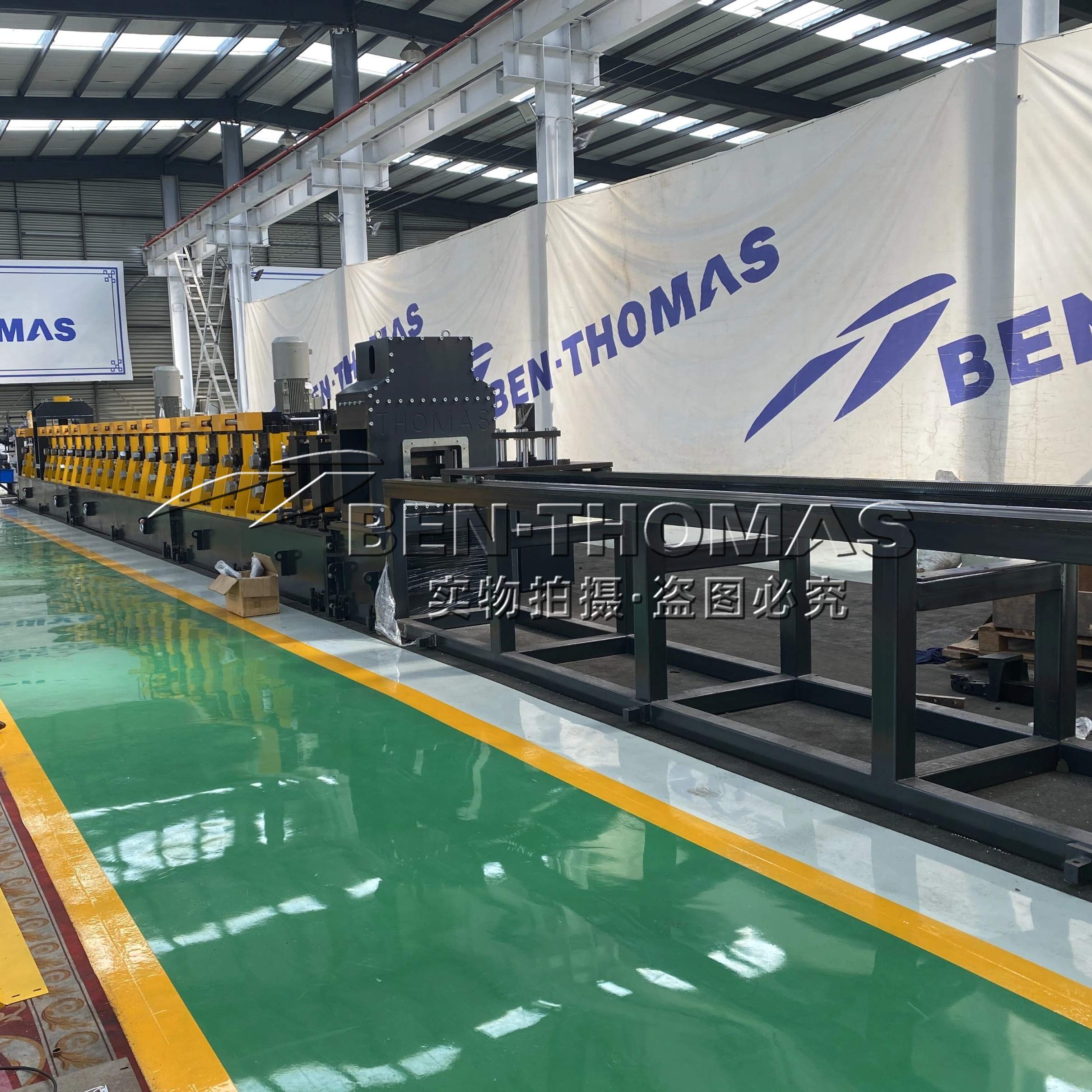
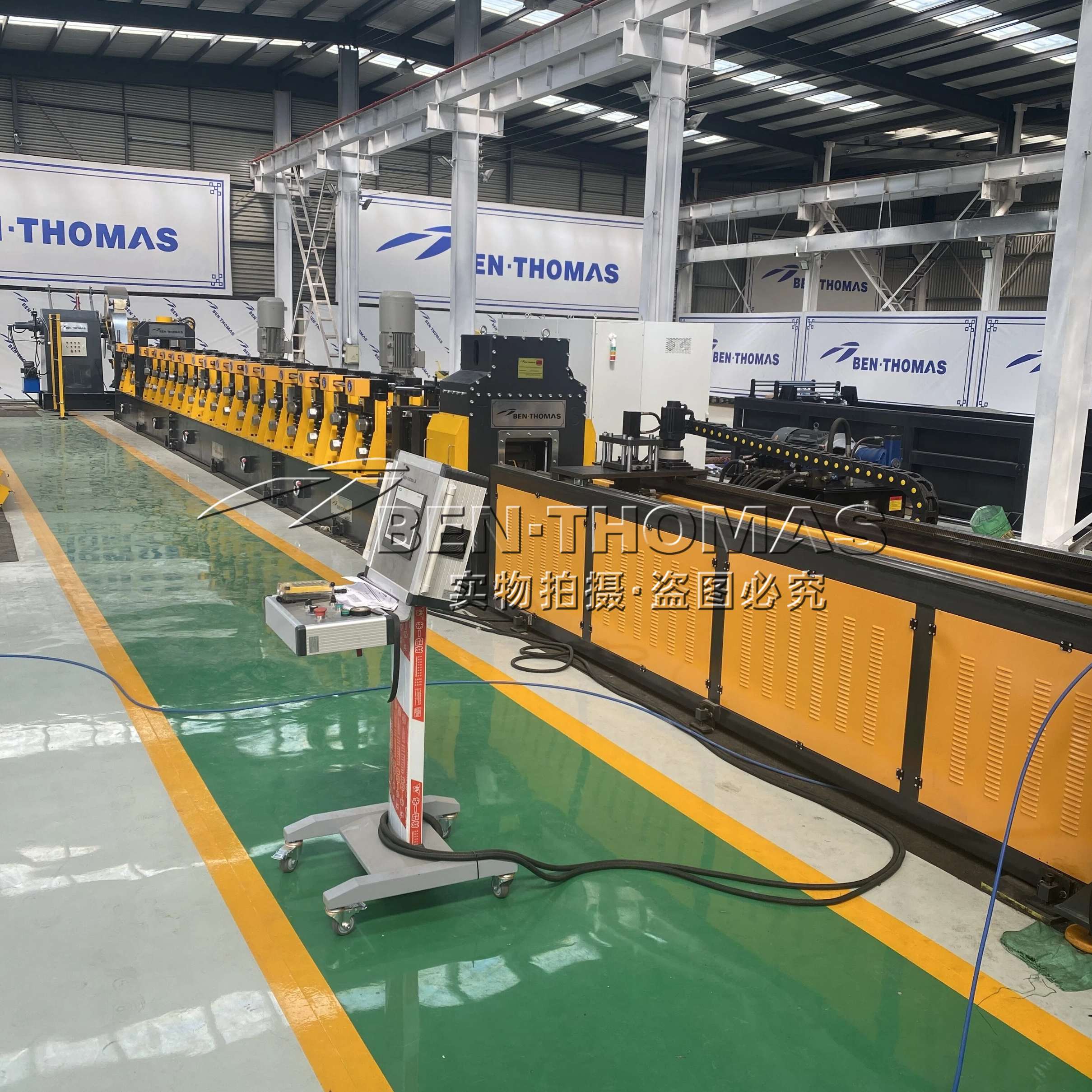
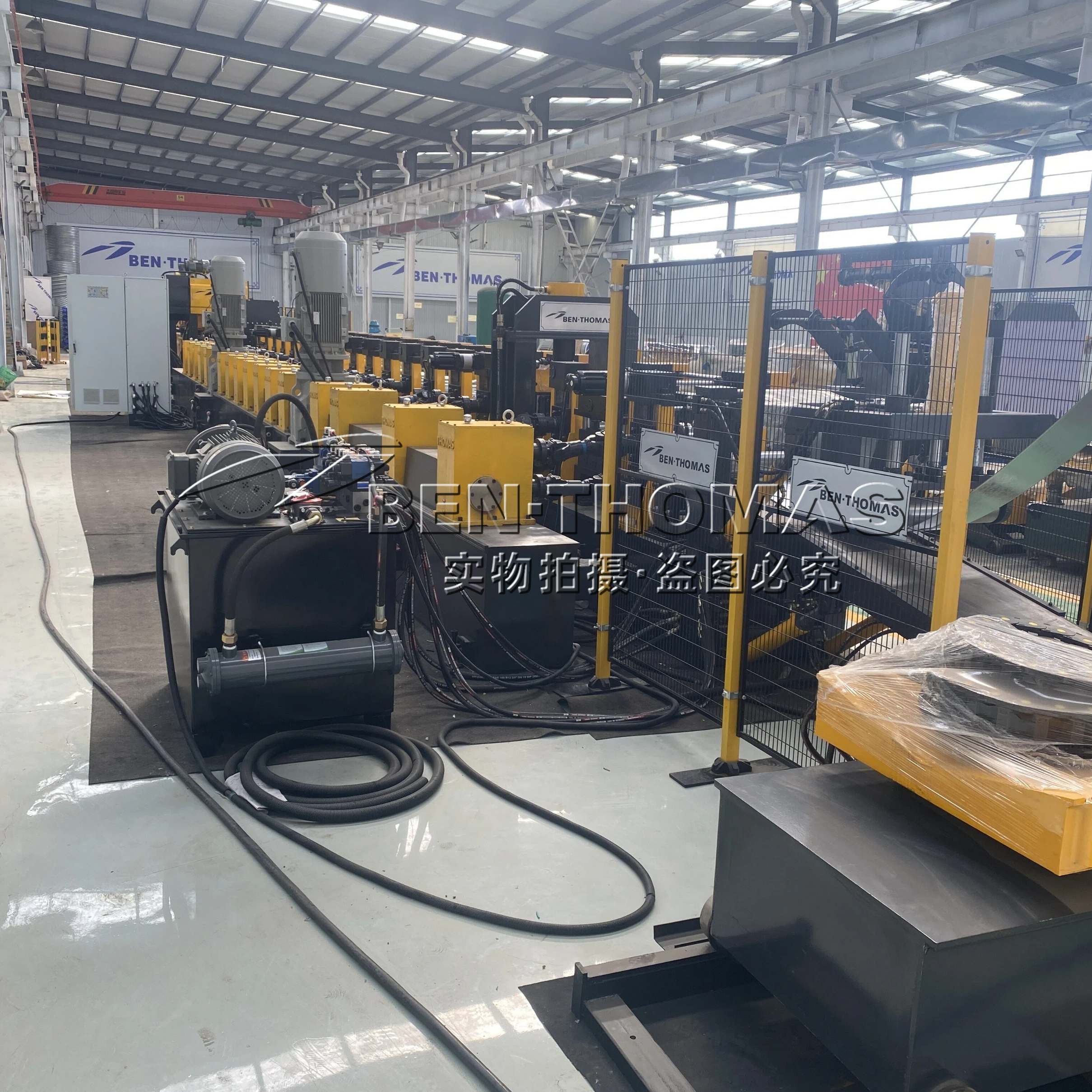
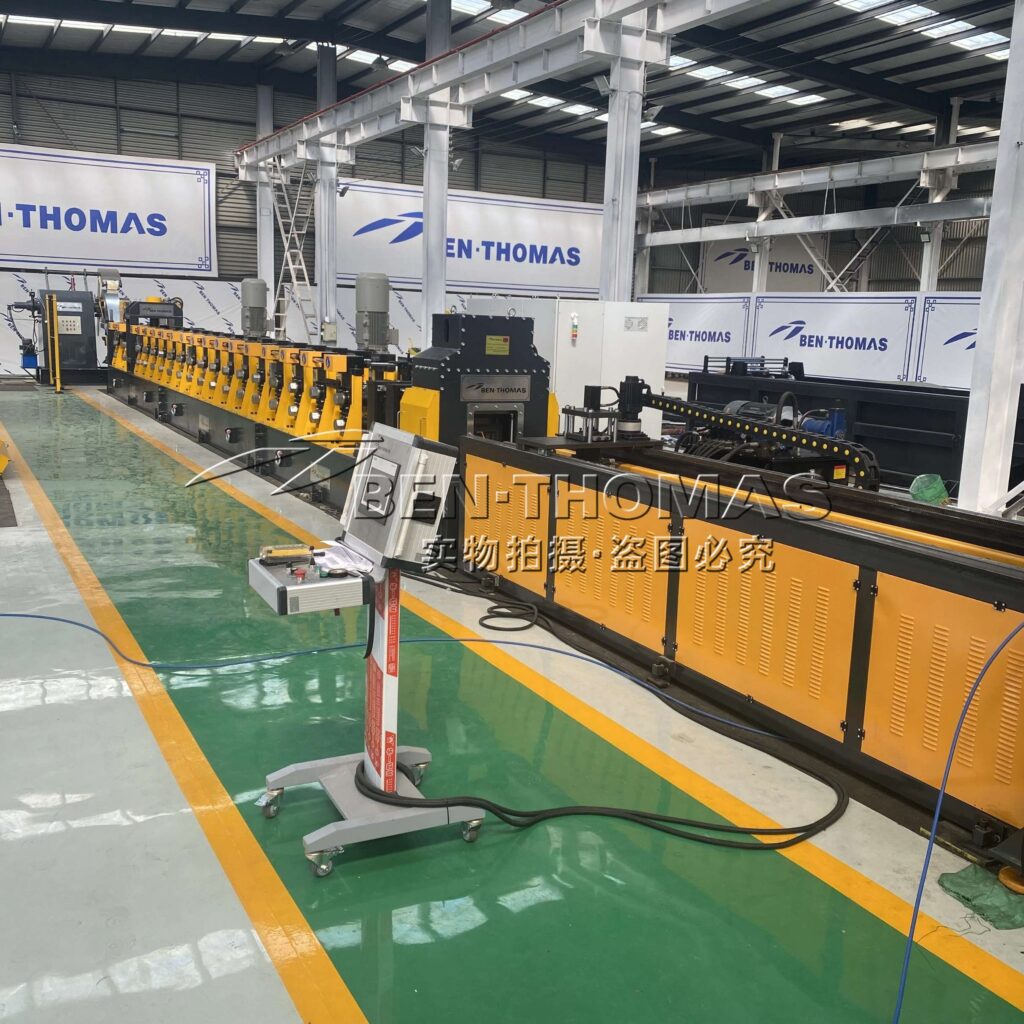
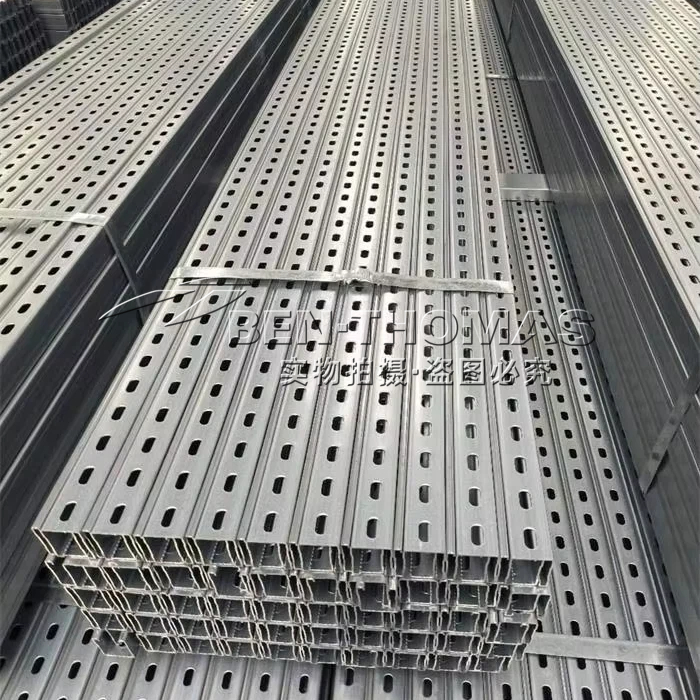
Unistrut Slotted Channel Roll Forming Line
Understand the economic advantages of using a Unistrut Slotted Channel Roll Forming Line for continuous mass production of solar PV mounting structures. Learn how high-speed operation, material efficiency, and consistent quality reduce costs and improve profitability for solar racking manufacturers.
Contact: Elise
Tel:+86-155 3281 7581
Email: elise@tgrfm.cn
Category: Solar Bracket Production Line
Description
The global solar industry is characterized by intense cost pressure, rapid deployment schedules, and exacting quality requirements. For manufacturers of solar mounting structures, production economics are as critical as technical capability. The Unistrut Slotted Channel Roll Forming Line offers a compelling economic case through continuous, high-volume production of identical profiles with superior material efficiency and consistent quality.
Continuous Production vs. Intermittent Fabrication
Traditional fabrication methods—press braking, shearing, welding, and manual assembly—are inherently intermittent. Each operation requires material handling, setup, and cycle interruptions. Roll forming offers distinct advantages:
| Factor | Intermittent Fabrication | Continuous Roll Forming |
|---|---|---|
| Material flow | Stop-start, requiring multiple handling steps | Continuous coil-to-finished product flow |
| Labor requirements | Multiple operators per shift | One operator per line |
| Throughput | 2–5 meters per minute | 10–35 meters per minute |
| Setup time | 30–90 minutes per product change | 5–15 minutes (recipe-driven) |
| Work-in-progress inventory | High; parts accumulate between operations | Low; line produces finished product directly |
Material Efficiency & Scrap Reduction
Material cost typically represents 60–70% of the total cost of goods sold for solar mounting structures. Roll forming offers inherent material efficiency advantages:
-
Nestable punching: The servo-driven punching unit can be programmed to minimize waste between holes and at cut-off points
-
Coil-to-finished: Eliminates intermediate handling that can damage material or create edge scrap
-
Tight tolerances: Precision forming reduces the need for secondary operations that generate additional waste
-
Yield optimization: Advanced software calculates optimal cut lengths to maximize material utilization from each coil
Typical material utilization rates for roll forming lines range from 95–98%, compared to 85–90% for press brake fabrication.
Consistency & Rework Reduction
In solar installations, inconsistency is costly. Mounting components that deviate from specifications can cause:
-
Field modifications: Drilling additional holes or trimming rails adds labor costs and delays schedules
-
Module alignment issues: Misaligned panels can reduce energy output and create warranty claims
-
Assembly difficulties: Splices that don’t align properly require force or modification during installation
A roll forming line produces identical components repeatedly. This consistency minimizes rework, simplifies field installation, and enhances the manufacturer’s reputation for quality.
Total Cost of Ownership (TCO) Analysis
When evaluating a solar PV mounting structure roll forming line, manufacturers should consider the full TCO:
| Cost Factor | Consideration |
|---|---|
| Initial investment | Higher than basic fabrication equipment; typically $150,000–$500,000 depending on line configuration |
| Tooling costs | Precision rollers represent significant upfront investment but last 5–10 million meters with proper maintenance |
| Energy consumption | Servo-driven lines with efficient motors offer lower energy per unit produced compared to hydraulic alternatives |
| Maintenance | Regular lubrication and roller inspection required; modern lines designed for easy access and minimal downtime |
| Labor savings | One operator vs. 3–5 for press brake fabrication; typical labor cost reduction of 50–70% |
| Floor space utilization | Continuous lines require less space than multiple fabrication cells for equivalent output |
Scalability & Market Responsiveness
A roll forming line enables manufacturers to scale production efficiently:
-
Modular expansion: Additional punching stations or pre-forming modules can be added as demand grows
-
Recipe-driven flexibility: Changeovers between different profile types (e.g., ground-mount rails vs. rooftop systems) can be completed in minutes
-
Multi-shift capability: Automated lines can run 24/7 with minimal staffing, maximizing asset utilization
Competitive Positioning
For manufacturers supplying the solar market, roll forming capability provides distinct competitive advantages:
-
Cost leadership: Lower per-unit costs enable competitive pricing while maintaining margins
-
Lead time reduction: Continuous production enables rapid fulfillment of project orders
-
Quality reputation: Consistent, precision-manufactured components build trust with solar developers and EPC contractors
-
Volume capacity: Ability to scale to utility-scale volumes (thousands of tons per project) distinguishes capable suppliers from fabricators
Return on Investment (ROI) Considerations
A typical solar PV mounting structure roll forming line can achieve payback within 12–24 months for manufacturers with consistent demand, based on:
-
Labor cost savings
-
Material yield improvements
-
Reduced rework and warranty costs
-
Increased throughput enabling higher revenue
Conclusion
The solar PV mounting structure roll forming machine represents a strategic investment that delivers returns through operational efficiency, material savings, and quality consistency. For manufacturers committed to serving the rapidly growing solar industry, this technology enables the continuous, mass production of precision-engineered racking components—meeting the demands of utility-scale projects while maintaining profitability.
Contact: Elise
Tel:+86-155 3281 7581
Email: elise@tgrfm.cn
- Get in touch
360 Degree For Your Roll Forming Needs!
Have questions about our roll forming lines, or partnership opportunities? Our team is ready to assist you with expert support and personalized solutions.
- CONTACT US