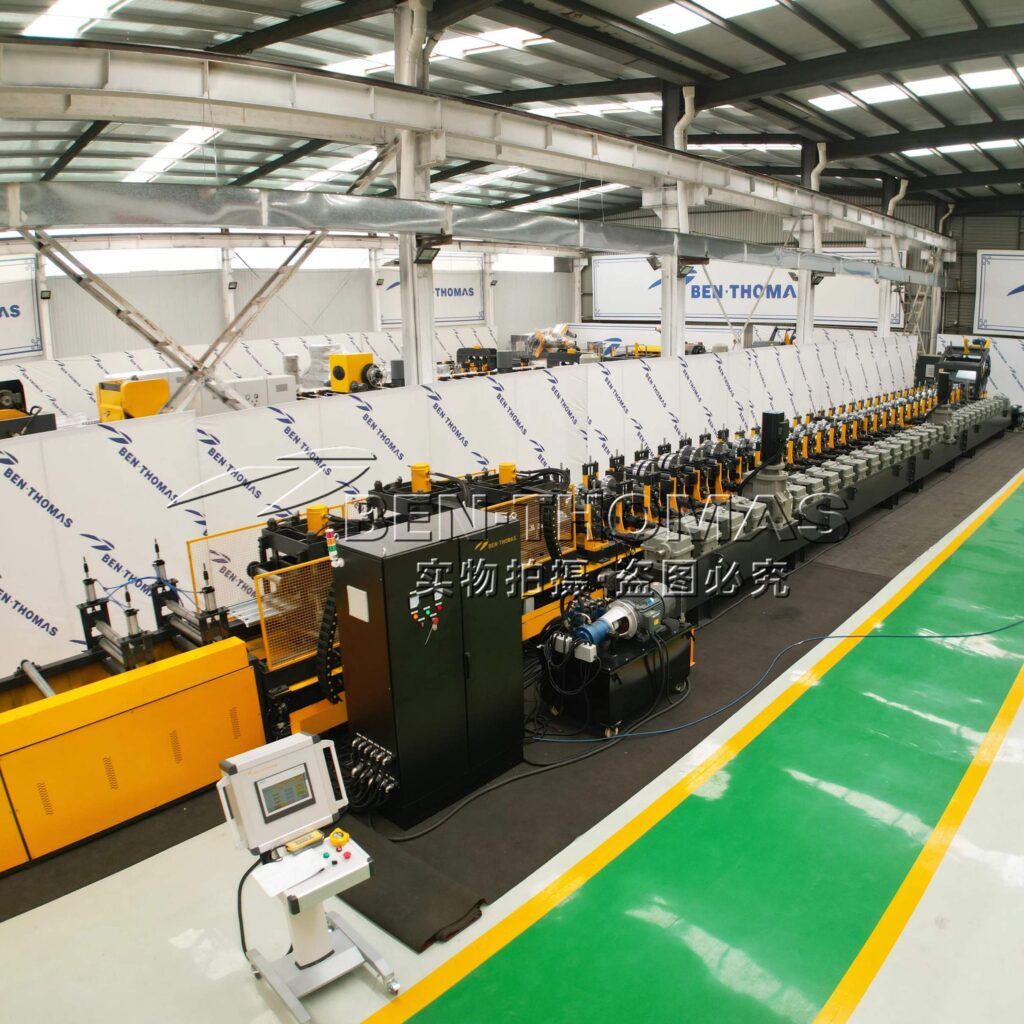
The performance of an
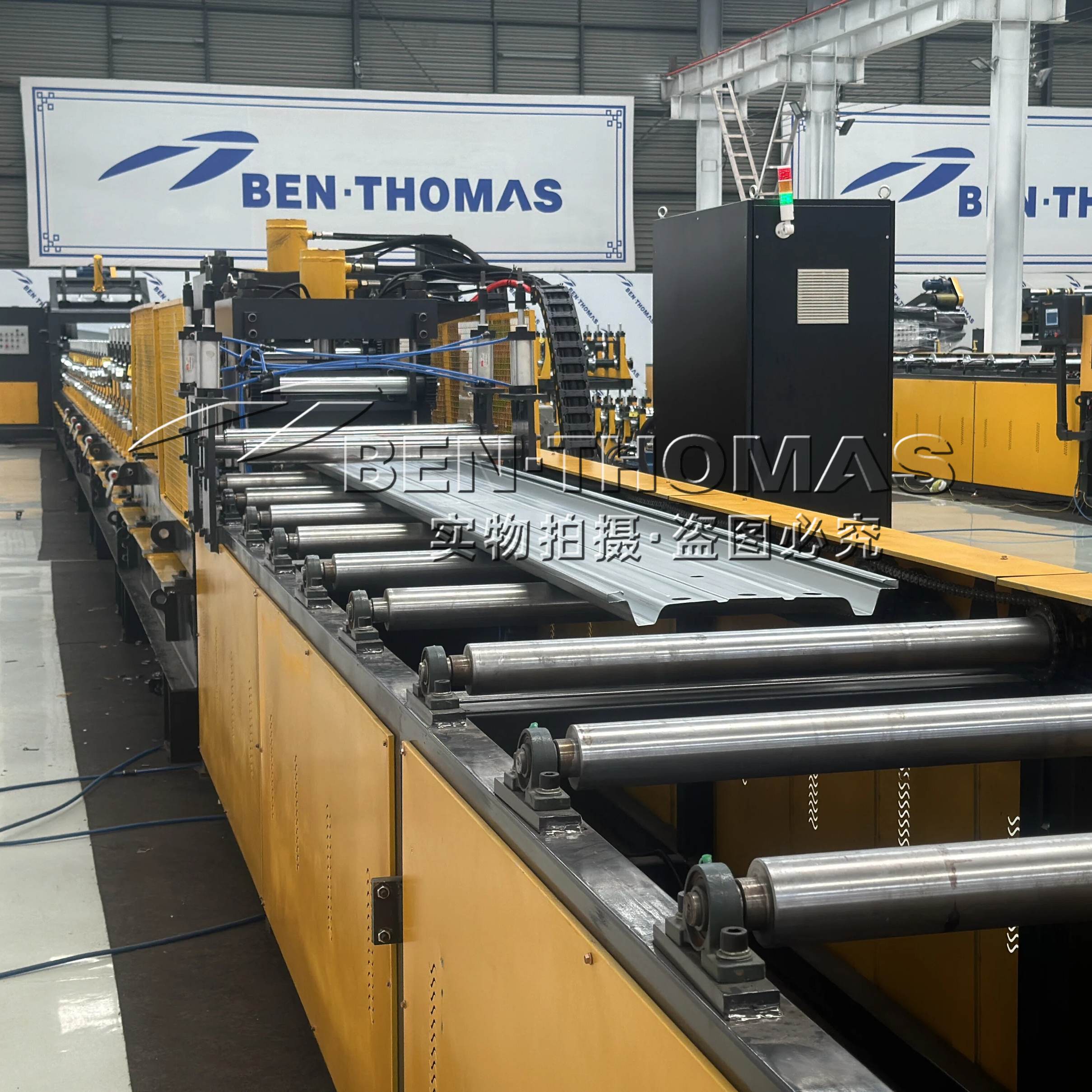
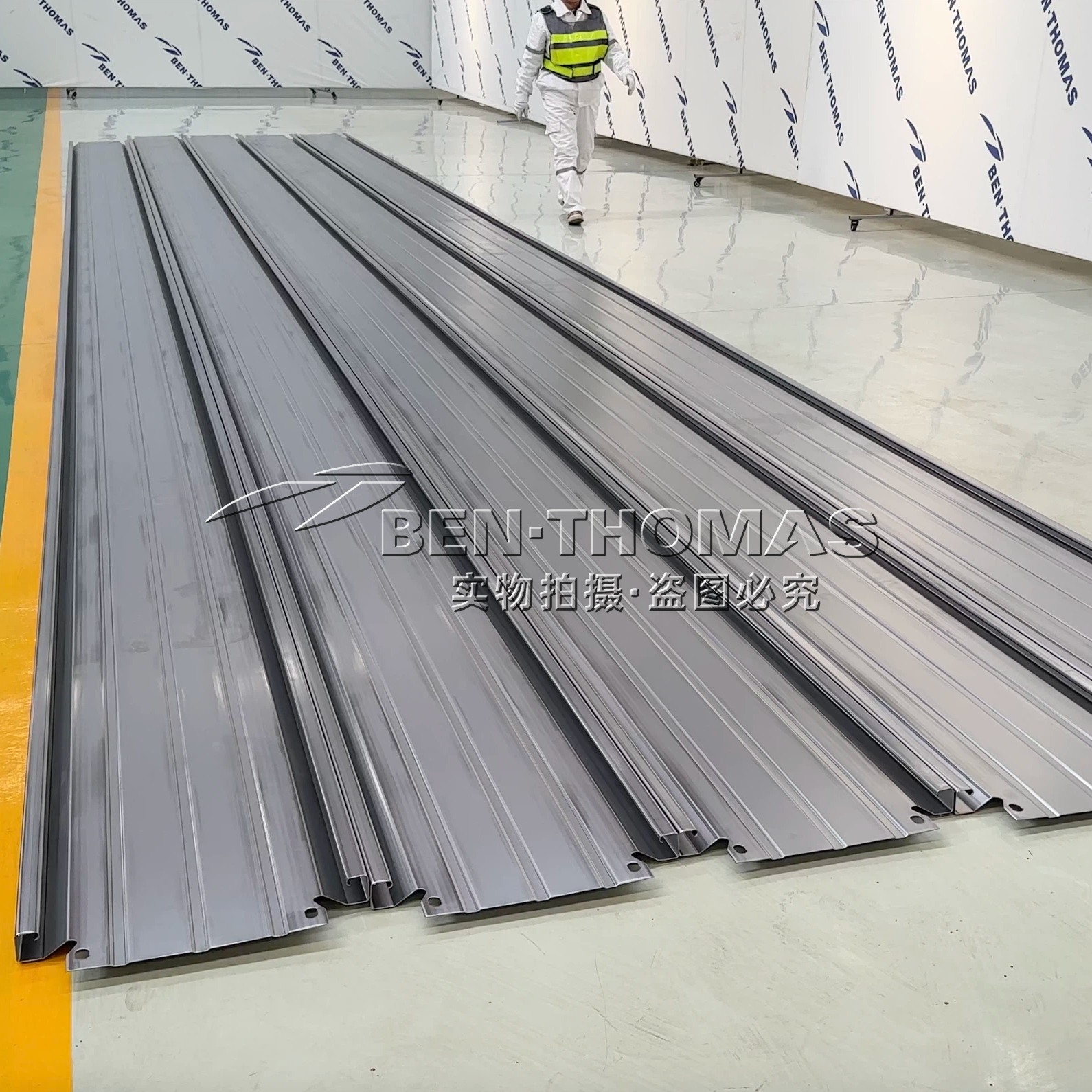
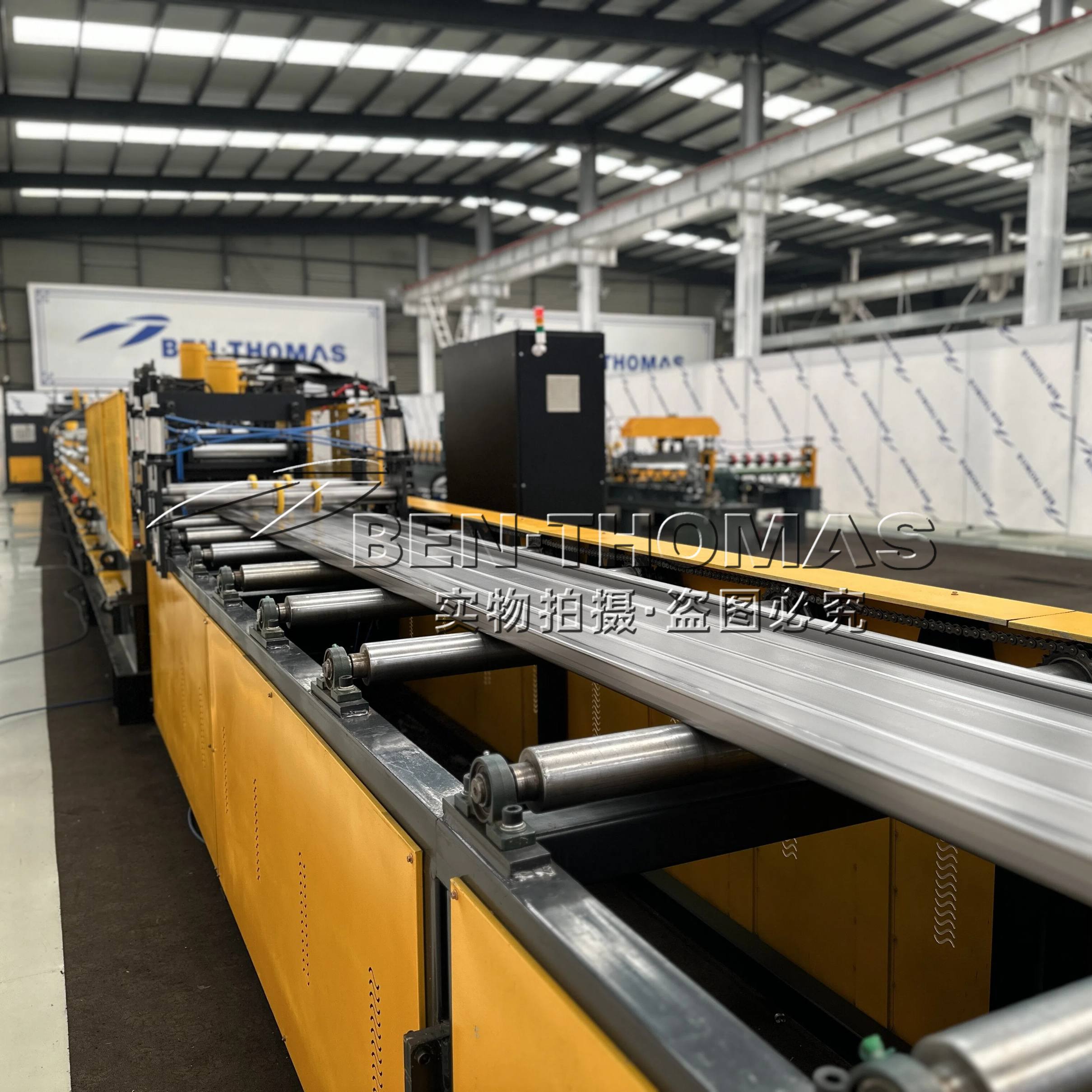
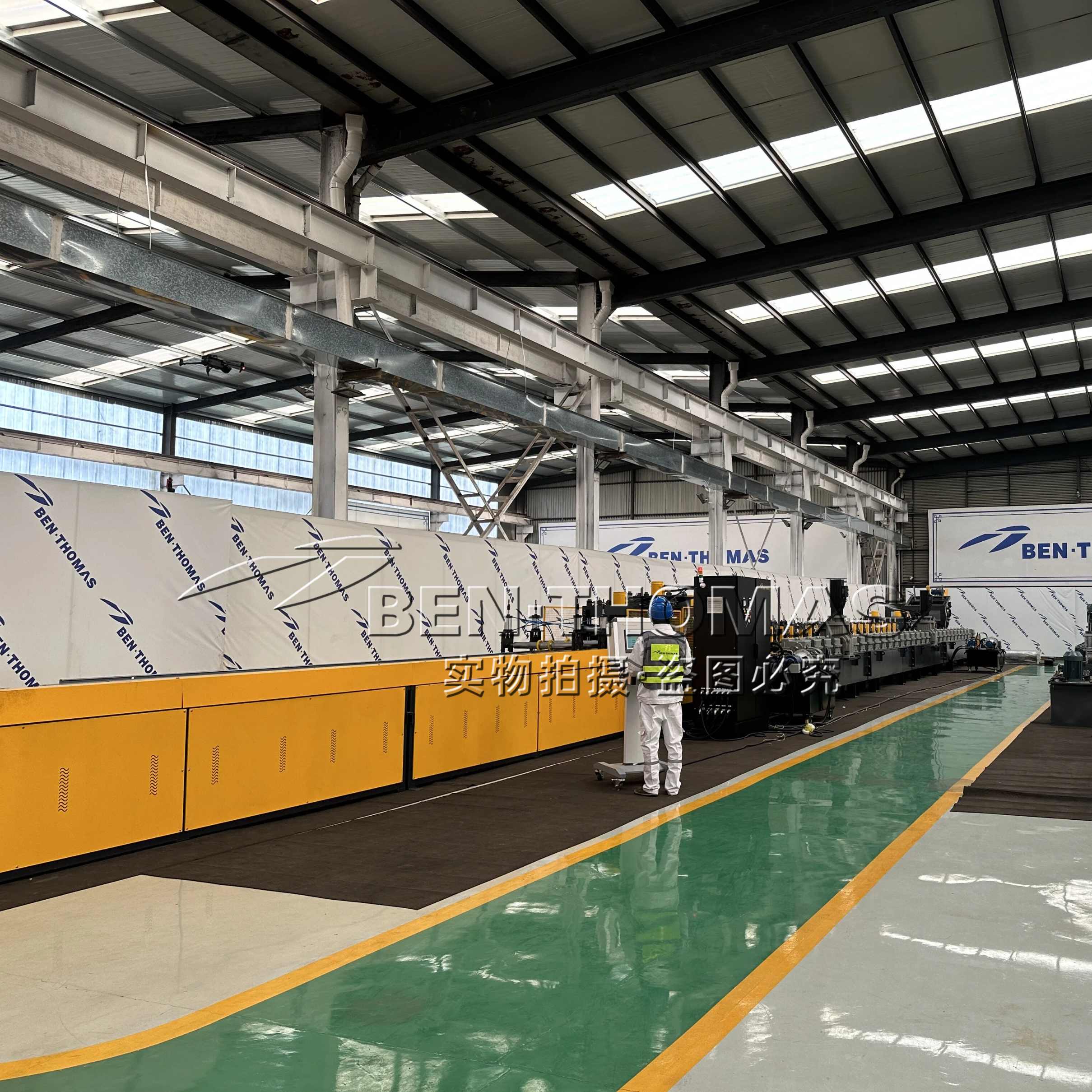
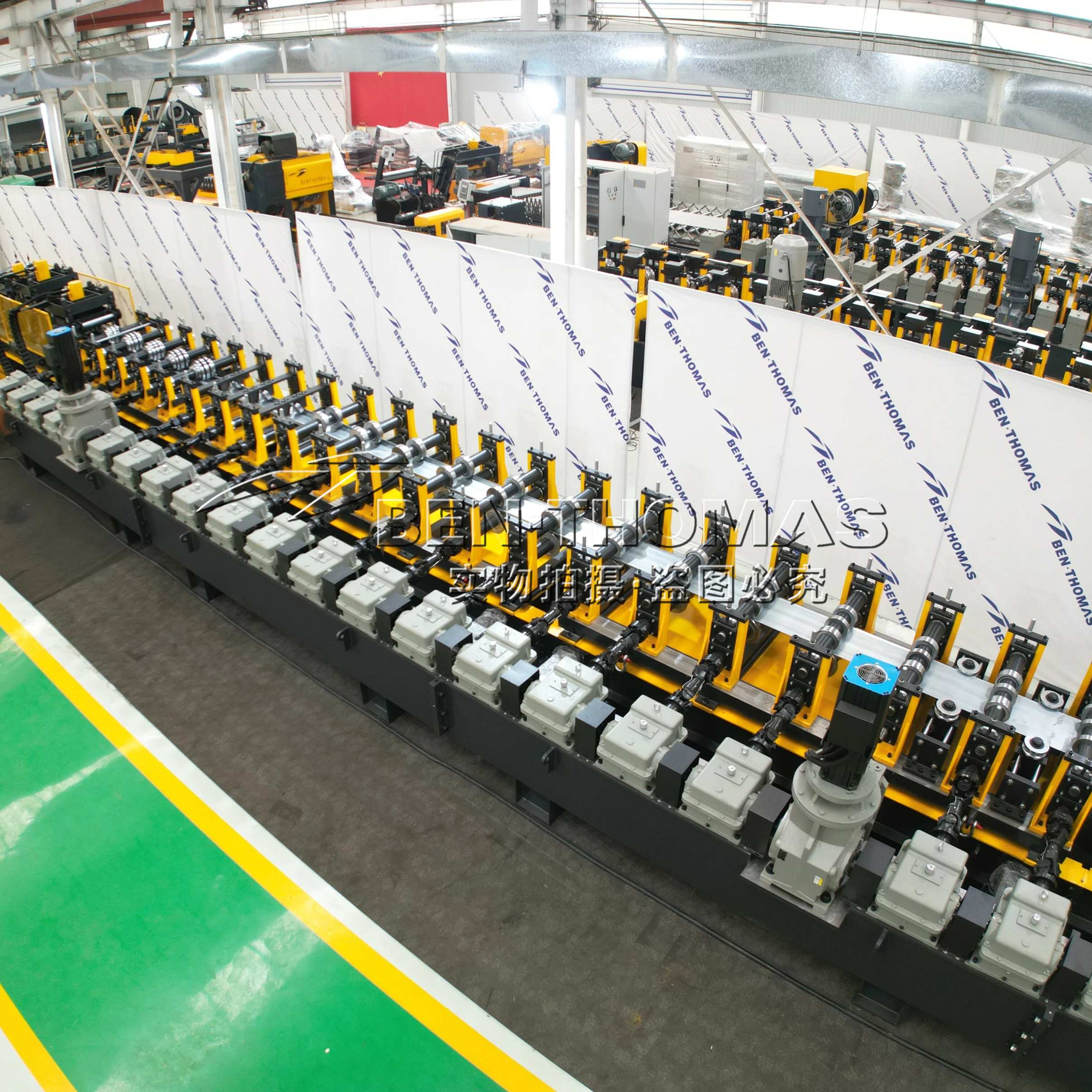
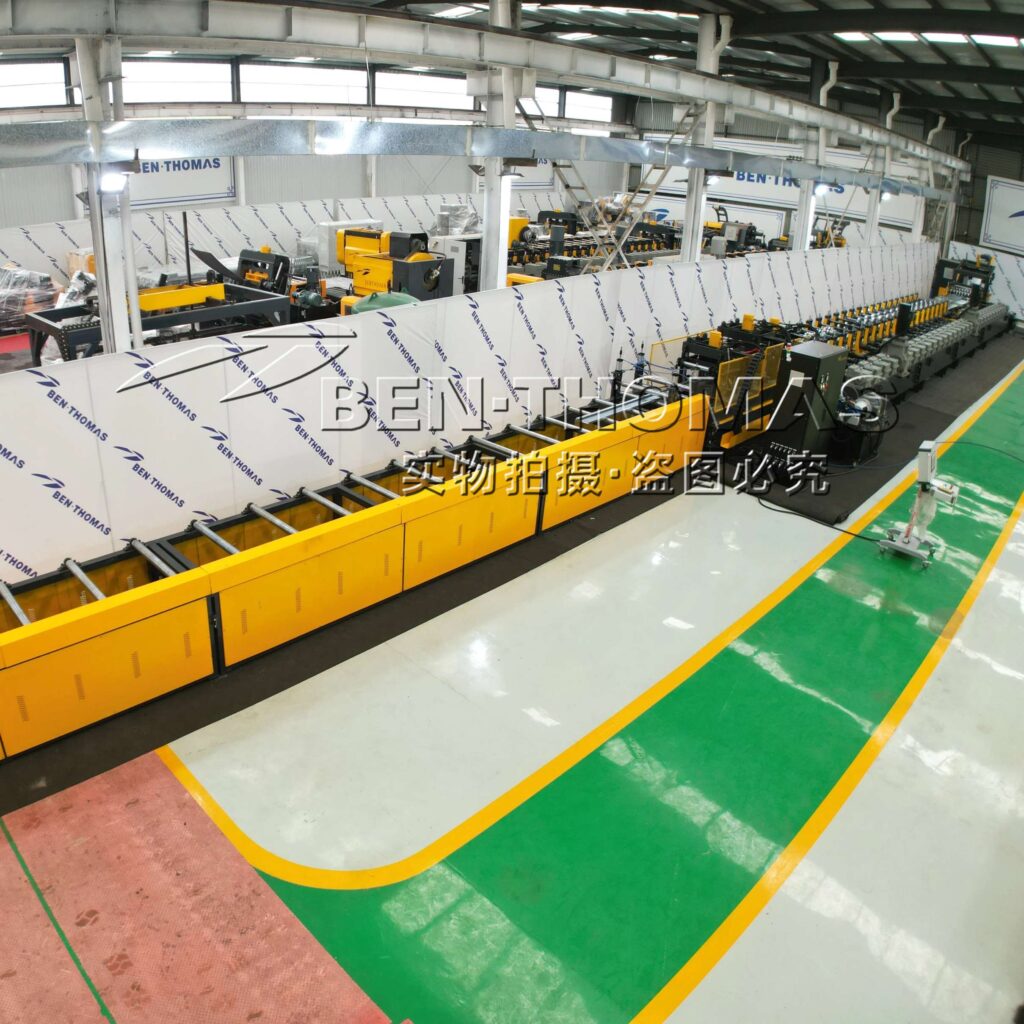
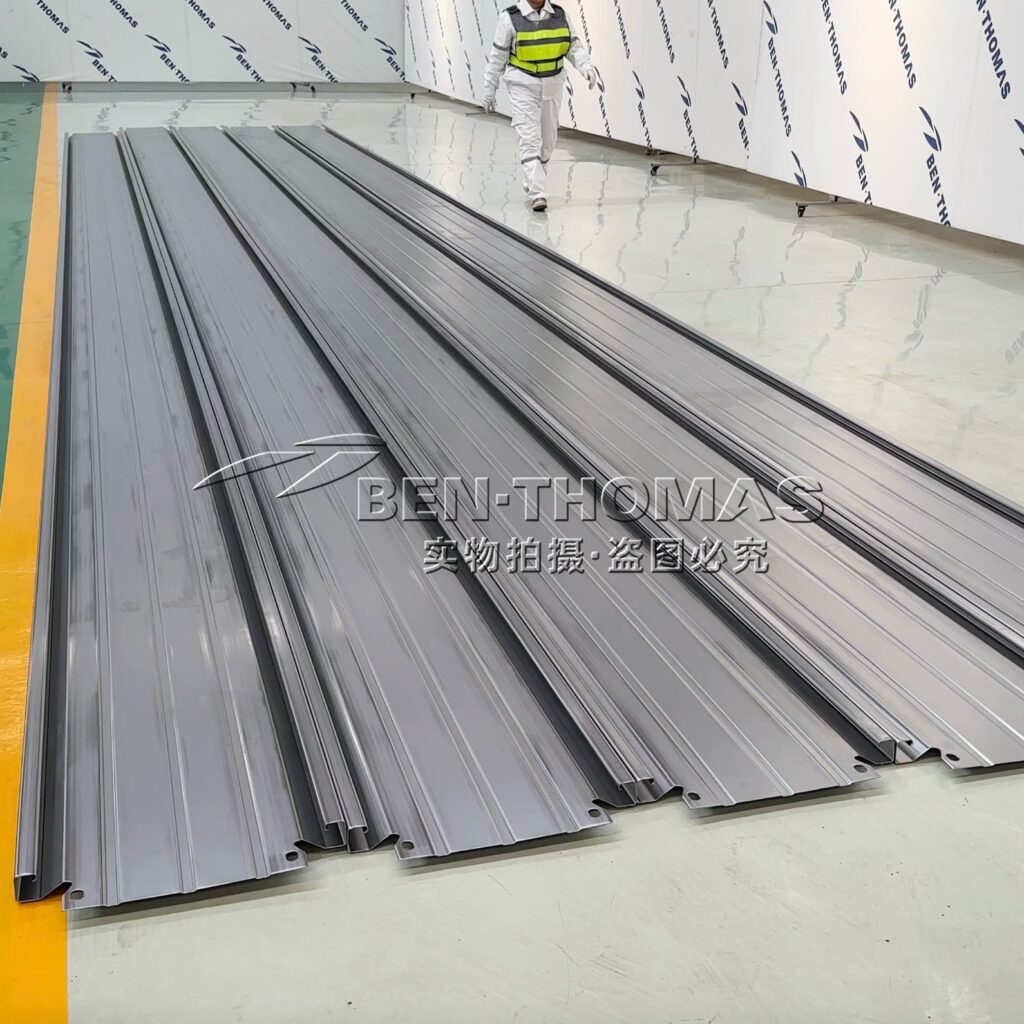
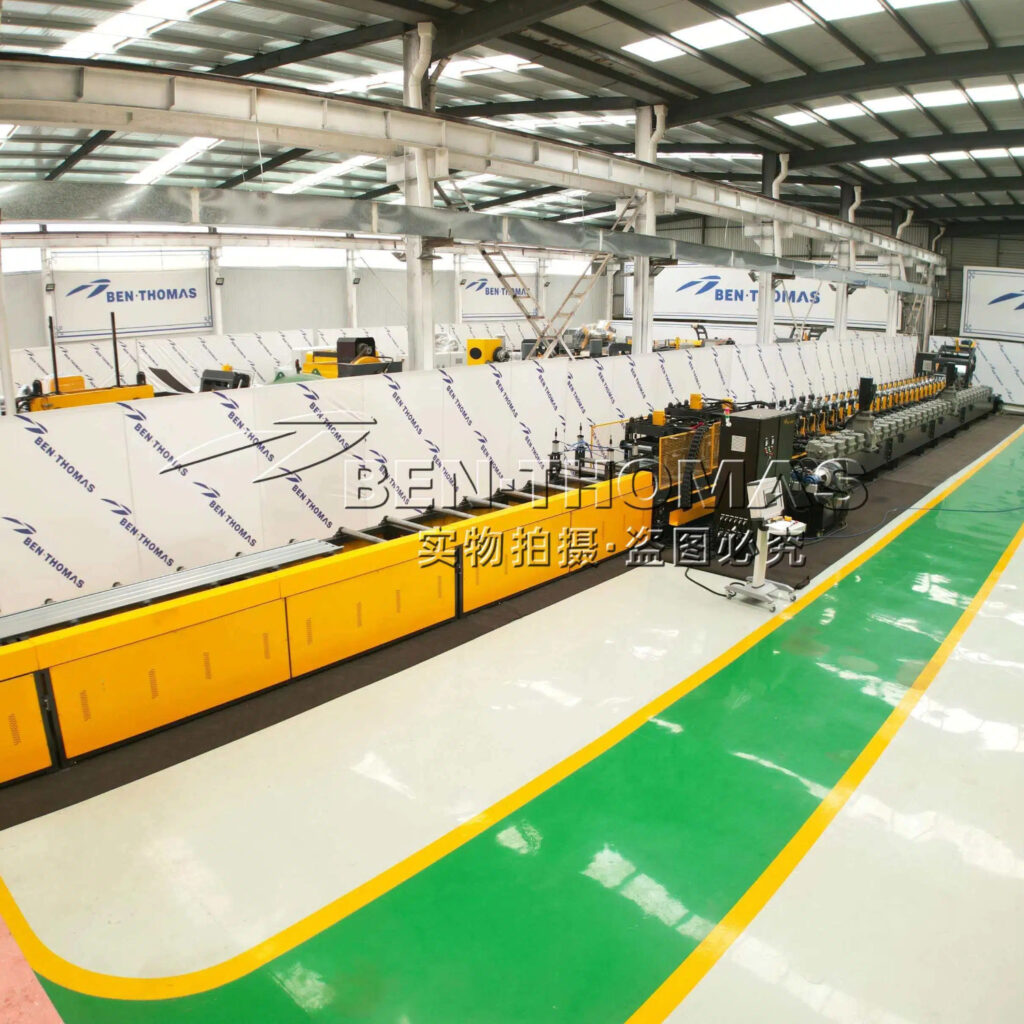
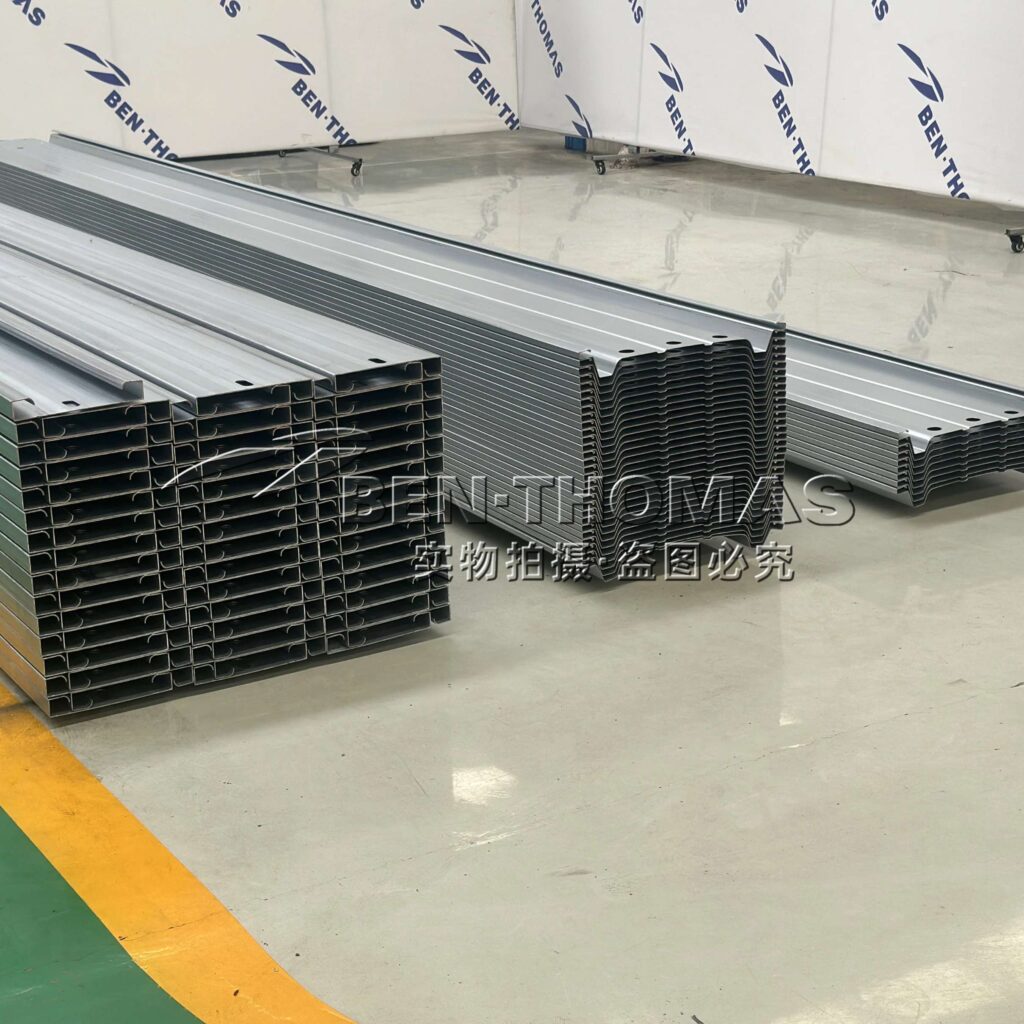
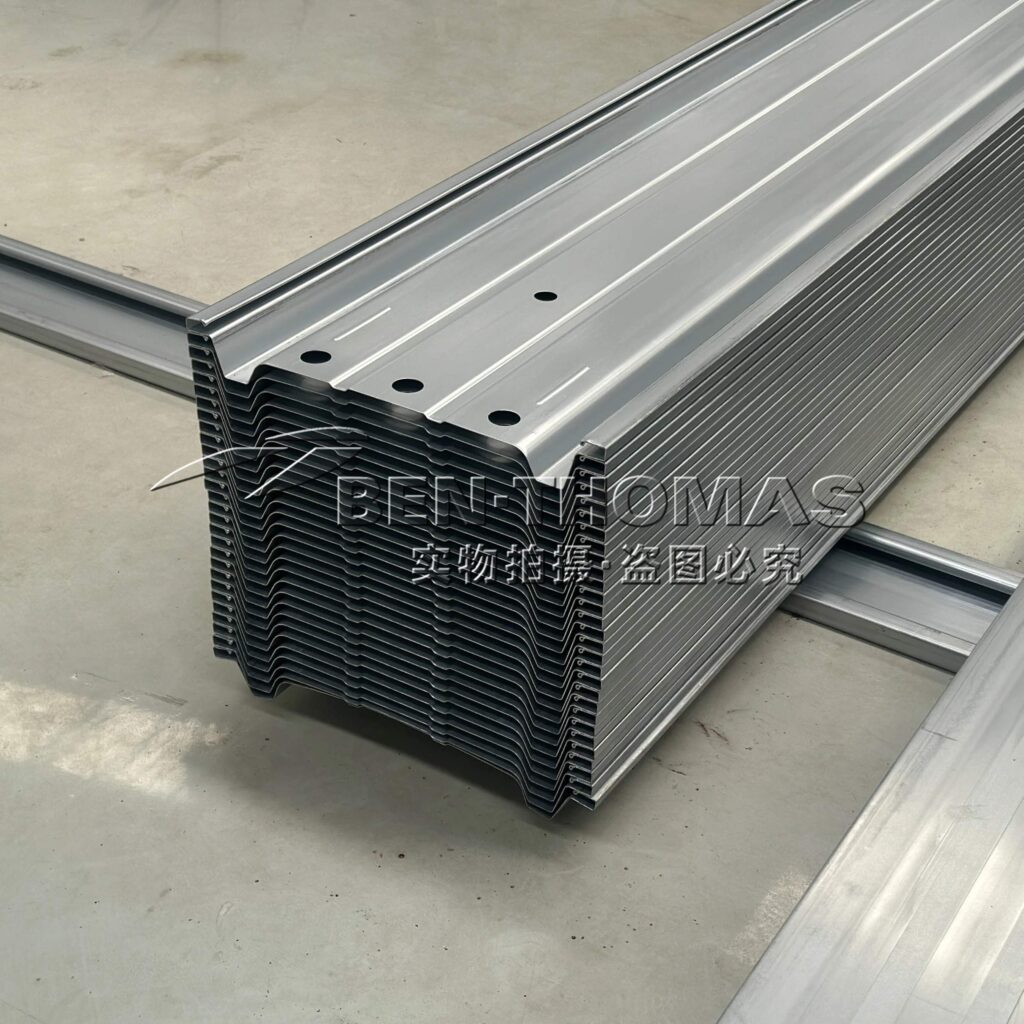
Roll Forming Line for ESP Collecting Electrode Plates directly impacts the quality, efficiency, and cost of anode plate production. For environmental equipment manufacturers, understanding the machine’s key performance parameters is essential to selecting the right equipment and optimizing production. This article details the core performance specs of these machines, explaining how they ensure precision, speed, and reliability.
1. Forming Speed – Production Efficiency
Forming speed is a critical parameter that determines the machine’s hourly output. ESP anode plate roll forming machines typically operate at 6–20m/min, adjustable based on profile complexity and material thickness:
- Low-Speed Mode (6–10m/min): Used for thick materials (1.5–2.0mm) or complex corrugated profiles (e.g., ZT-24), ensuring forming precision.
- High-Speed Mode (15–20m/min): For thin materials (0.8–1.2mm) or simple flat profiles, maximizing production output (up to 1200m/h).
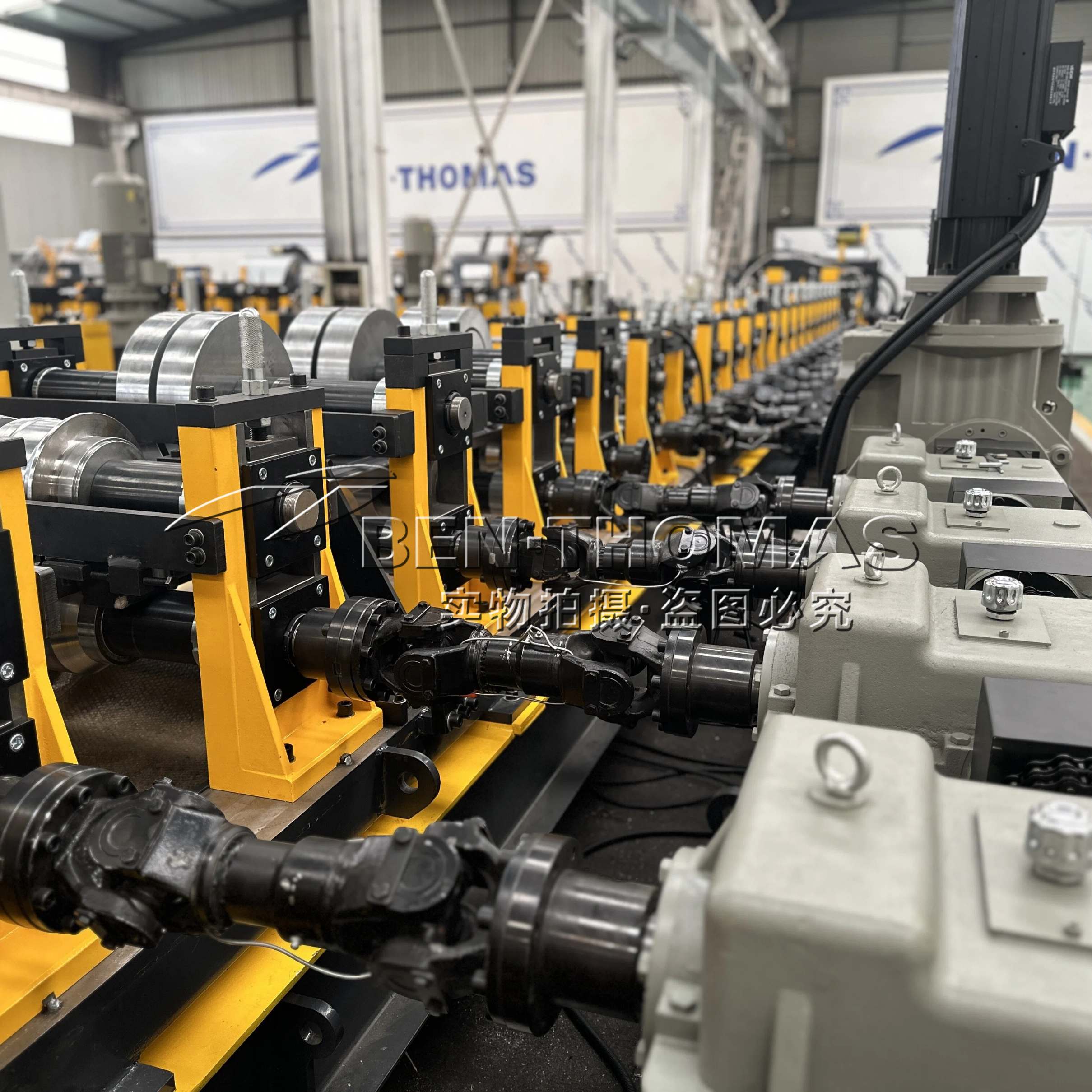
- Frequency Conversion: The main motor (11–22kW) is paired with a frequency converter, allowing stepless speed adjustment to balance efficiency and precision.
2. Material Handling Capacity – Versatility
The machine is designed to process thin, high-strength steel coils, the primary raw material for ESP anode plates:
- Material Thickness: 0.8–2.0mm (cold-rolled steel, SPCC, ST12–ST14, or 00Cr12 for corrosion resistance).
- Coil Width: 350–500mm (matching standard anode plate widths: 385mm, 445mm, 480mm).
- Coil Weight: 1–5 tons, reducing coil change frequency and improving continuous production efficiency.
3. Dimensional & Hole Accuracy – Quality Assurance
Precision is non-negotiable for ESP anode plates, as dimensional errors directly affect dust collection efficiency. The machine delivers industry-leading accuracy:
- Profile Dimensional Accuracy: ±0.5mm for plate width, height, and corrugation pitch—ensuring seamless assembly in ESPs.
- Hole Position Accuracy: ±2.0mm for mounting holes, with consistent hole size and spacing (critical for bolted assembly).
- Length Accuracy: ±1.5mm for finished plate length, controlled by a high-precision encoder (Omron).
4. Power & Energy Efficiency
The machine’s power configuration balances performance and energy consumption:
- Main Motor Power: 11–22kW (380V, 50Hz), providing sufficient torque for forming thick materials.
- Hydraulic Cutting Power: 5.5–7.5kW, ensuring clean, fast cutting without excessive energy use.
- Total Power: 18–30kW, with energy-saving frequency conversion technology reducing power consumption by 15–20% compared to fixed-speed machines.
5. Machine Structure & Durability
The machine’s heavy-duty design ensures long-term reliability in industrial environments:
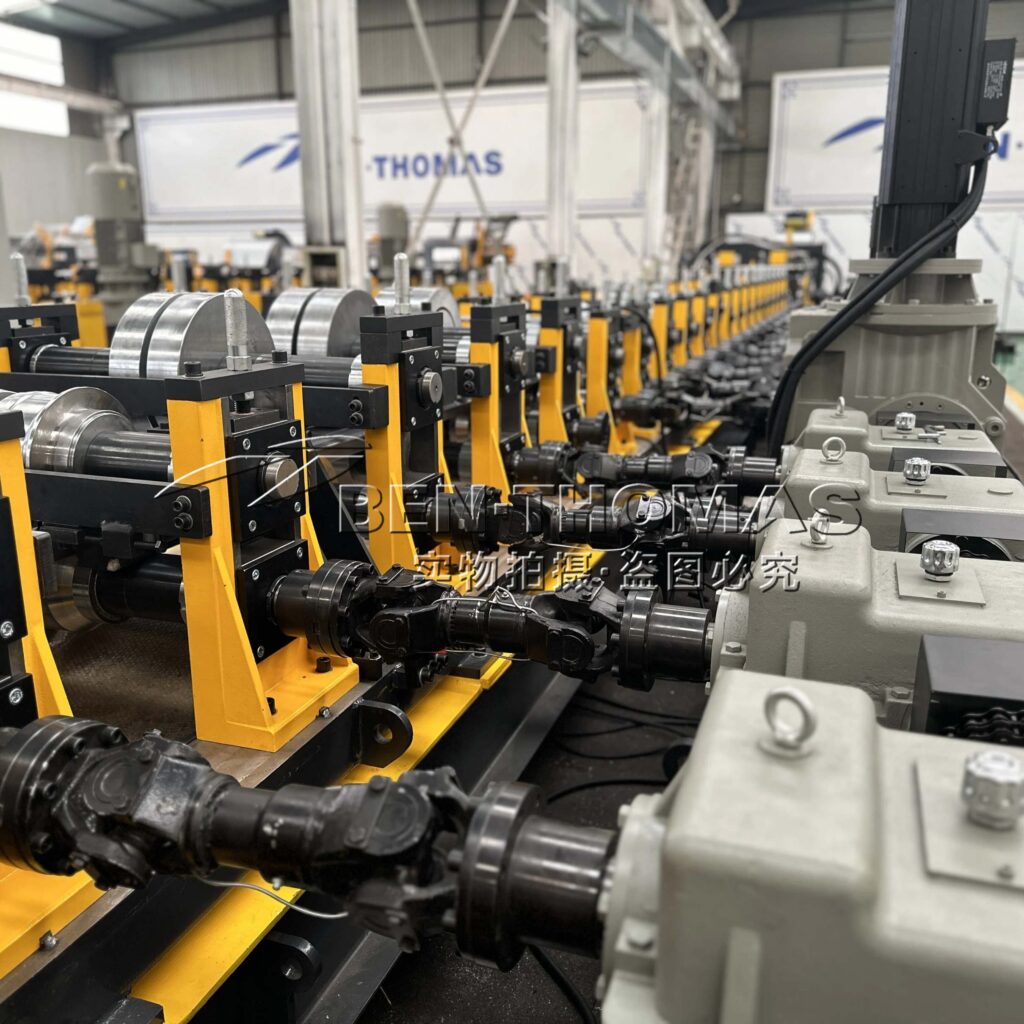
- Frame: Made of 400mm I-beam or H-beam steel, with 18–20mm thick middle plates, minimizing vibration during high-speed operation.
- Roller Material: Bearing steel (GCr15) or 45# forged steel, heat-treated and hard chrome-plated (0.05mm coating), with a service life of 500,000+ meters.
- Machine Weight: 5–9 tons, providing stability and reducing wear on moving parts.
- Dimensions: 7.5–12.5m (L) × 1.1–1.8m (W) × 1.2–1.5m (H), suitable for standard factory layouts.
6. Automation Level – Labor & Cost Savings
Modern ESP anode plate roll forming machines feature high automation, reducing labor and improving consistency:
- Fully Automated Operation: Only 2–3 operators are needed to monitor the line, with no manual intervention required for feeding, punching, forming, or cutting.
- Preset Programs: The PLC system stores parameters for different anode plate models (480-type, 385-type), enabling quick model switching (10–15 minutes).
- Fault Diagnosis: Real-time fault alerts and self-diagnosis reduce downtime by 30% compared to semi-automatic machines.
These performance parameters collectively ensure the machine delivers high-quality, efficient, and cost-effective production of ESP anode plates. By balancing speed, precision, and durability, the machine meets the strict demands of environmental protection equipment manufacturers, enabling them to produce anode plates that optimize ESP dust collection efficiency and comply with global emission standards.
Contact: Elise
Tel:+86-155 3281 7581
Email: elise@tgrfm.cn