For decades, shipyards relied on traditional manual or semi-automatic methods to produce cargo ship side panels—but today, the cargo ship side panel forming line is revolutionizing the industry. But what’s the difference between traditional production methods and these automated
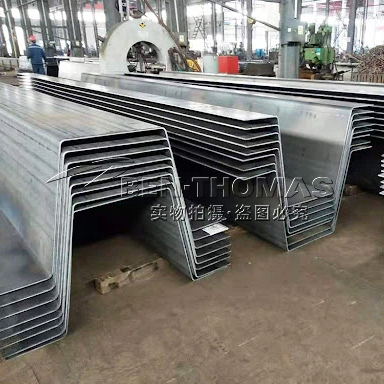
Ship Hold Sidewall Panel Production Line? And why is automation the future of ship panel manufacturing? In this article, we’ll compare traditional methods to automated cargo ship side panel forming lines, highlighting the advantages of automation, the line’s key components, and its superior performance for producing ship-ready panels.
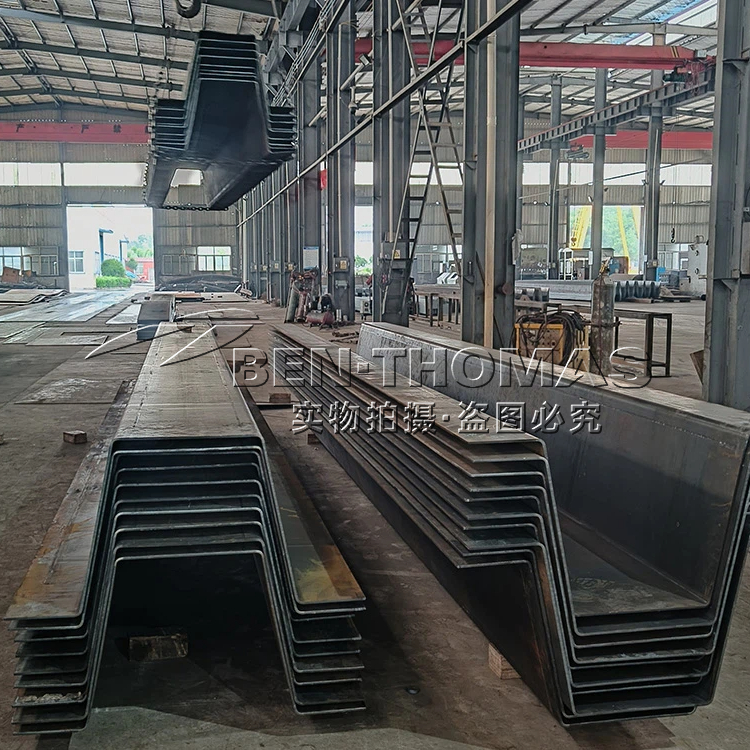
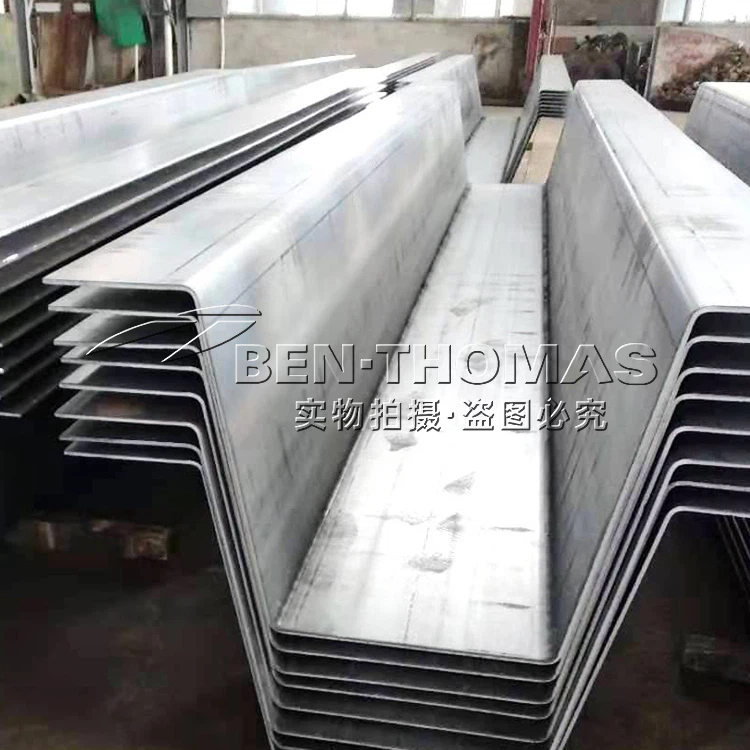
First, let’s define the two approaches: traditional cargo ship side panel production involves manual or semi-automatic processes, such as manual bending, cutting, and welding. This method requires a large team of workers to handle heavy steel sheets, manually bend them into the desired profile, cut them to length, and weld any joints. While this method was once common, it has several major drawbacks that make it unsuitable for modern shipbuilding demands.
Traditional methods areslow and inefficient. Manual bending and cutting are labor-intensive, with workers producing just a few panels per day. For large shipbuilding projects that require hundreds or thousands of panels, this method simply can’t keep up with tight deadlines. Additionally, traditional methods are prone to human error—manual bending can result in inconsistent dimensions, misaligned profiles, and uneven welds, leading to panels that do not meet shipbuilding standards. This often requires costly rework, delaying production and increasing costs.
Traditional methods also have high labor costs, as they require a large team of skilled workers (benders, cutters, welders) to complete the process. Additionally, manual handling of heavy steel sheets (up to 12mm thick) poses significant safety risks, including injuries from lifting, bending, and cutting. Material waste is also a major issue—manual cutting often results in excess scrap, reducing material utilization rates to as low as 70%.
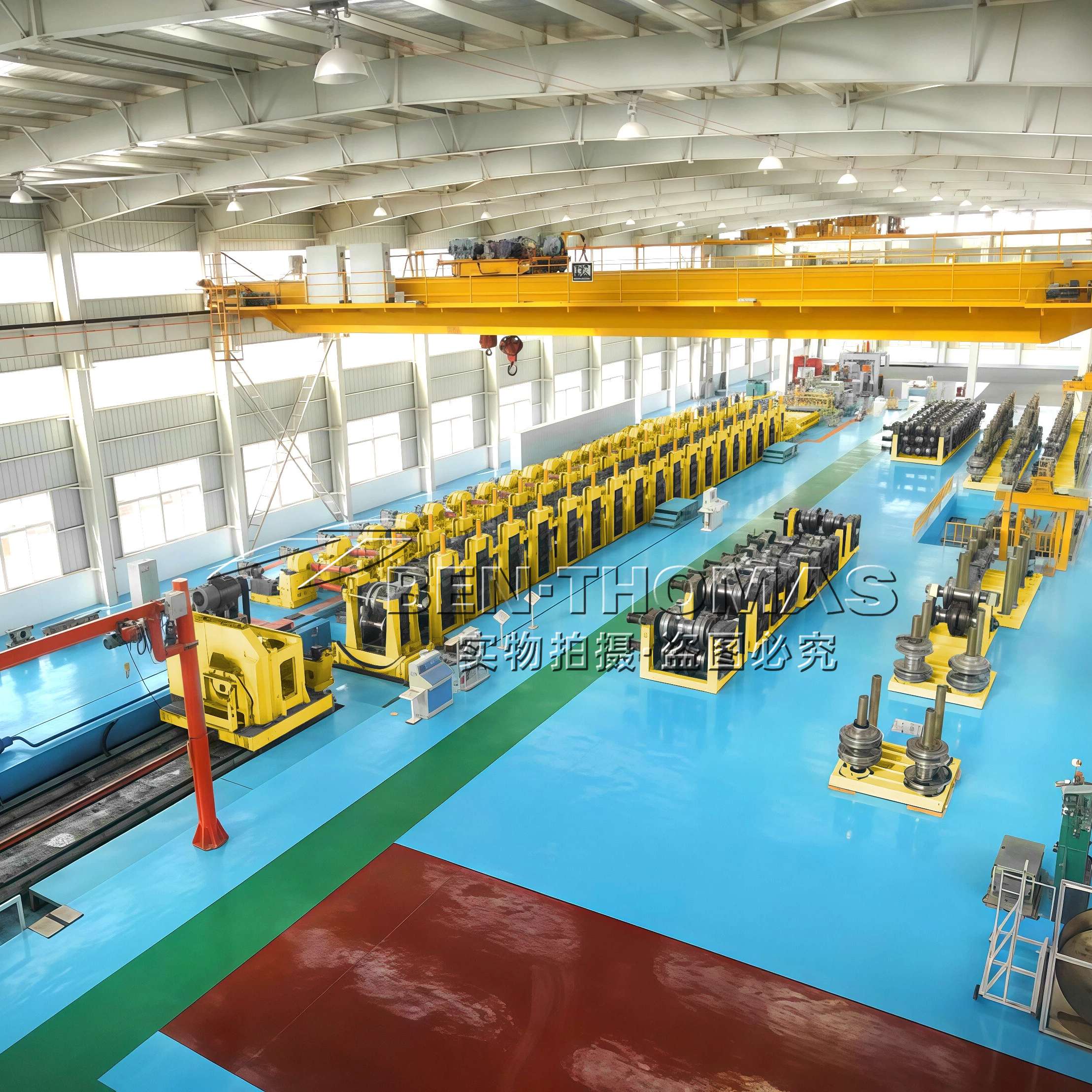
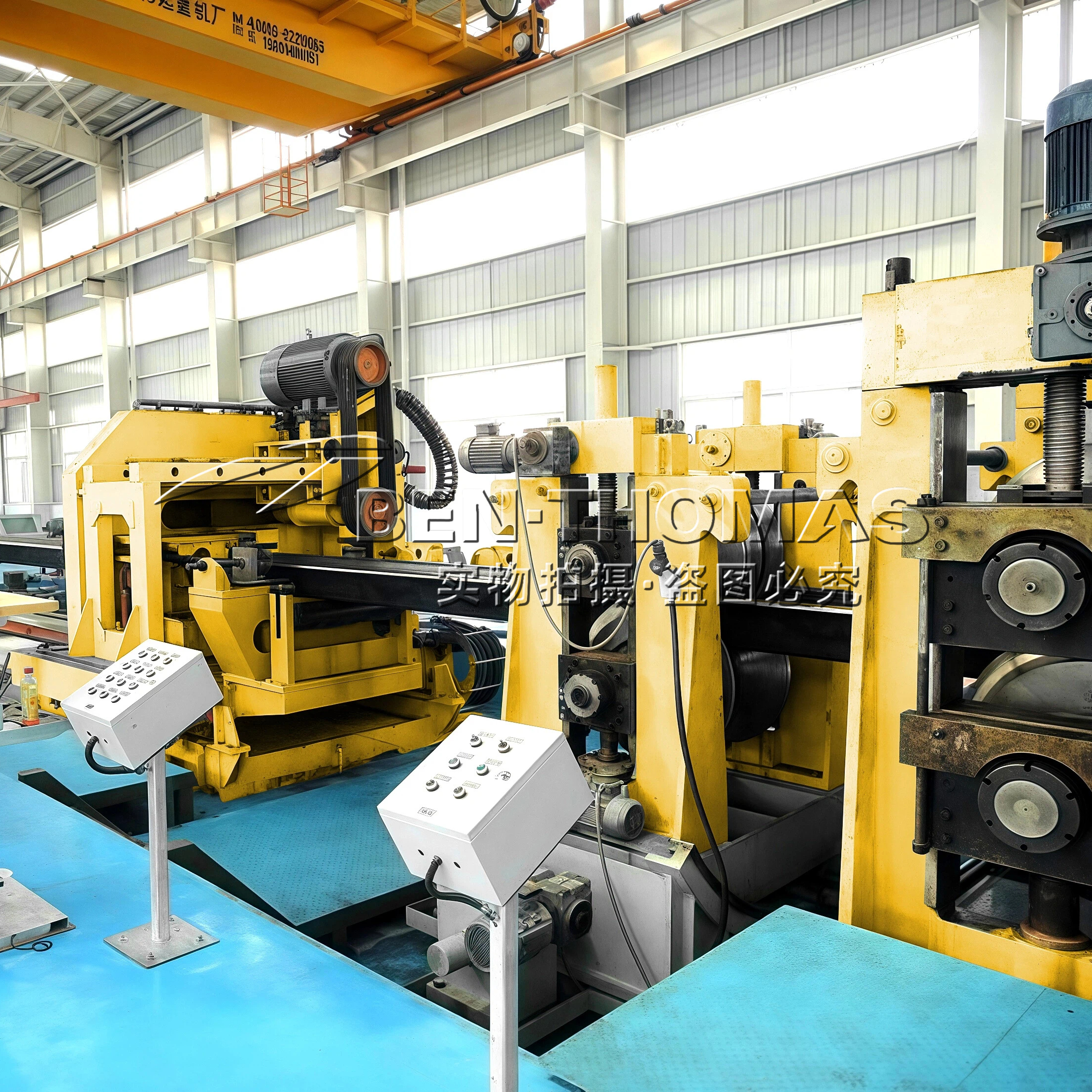
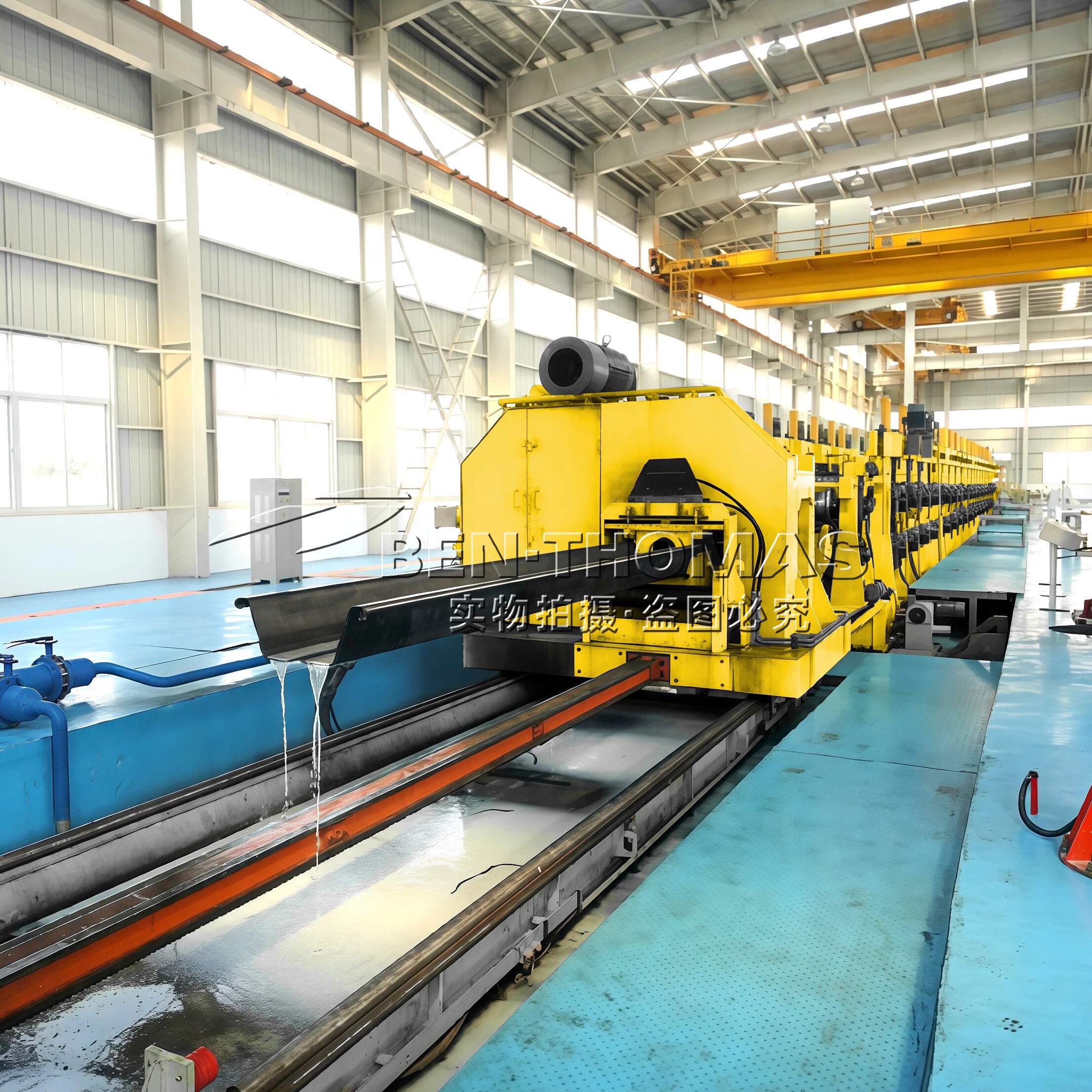
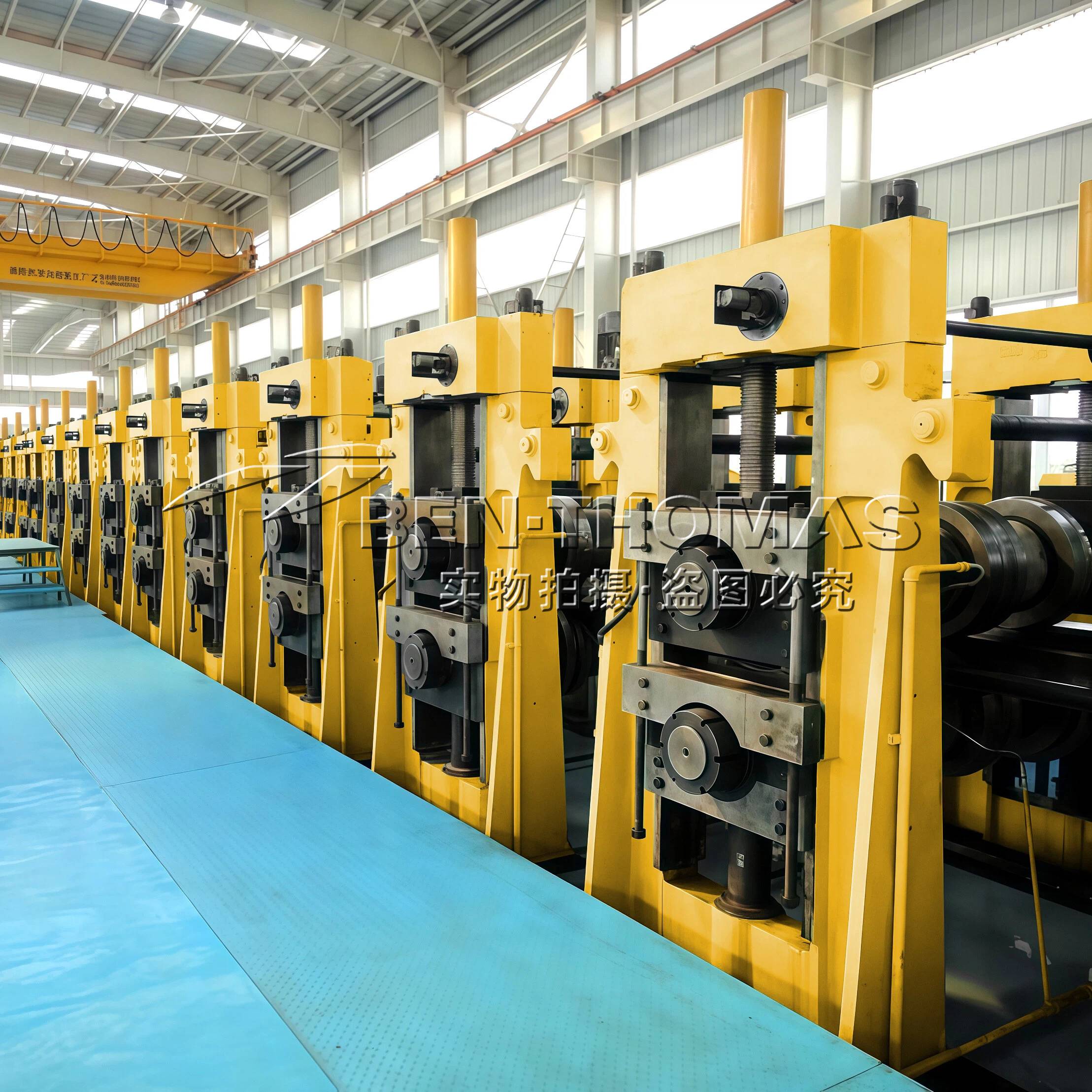
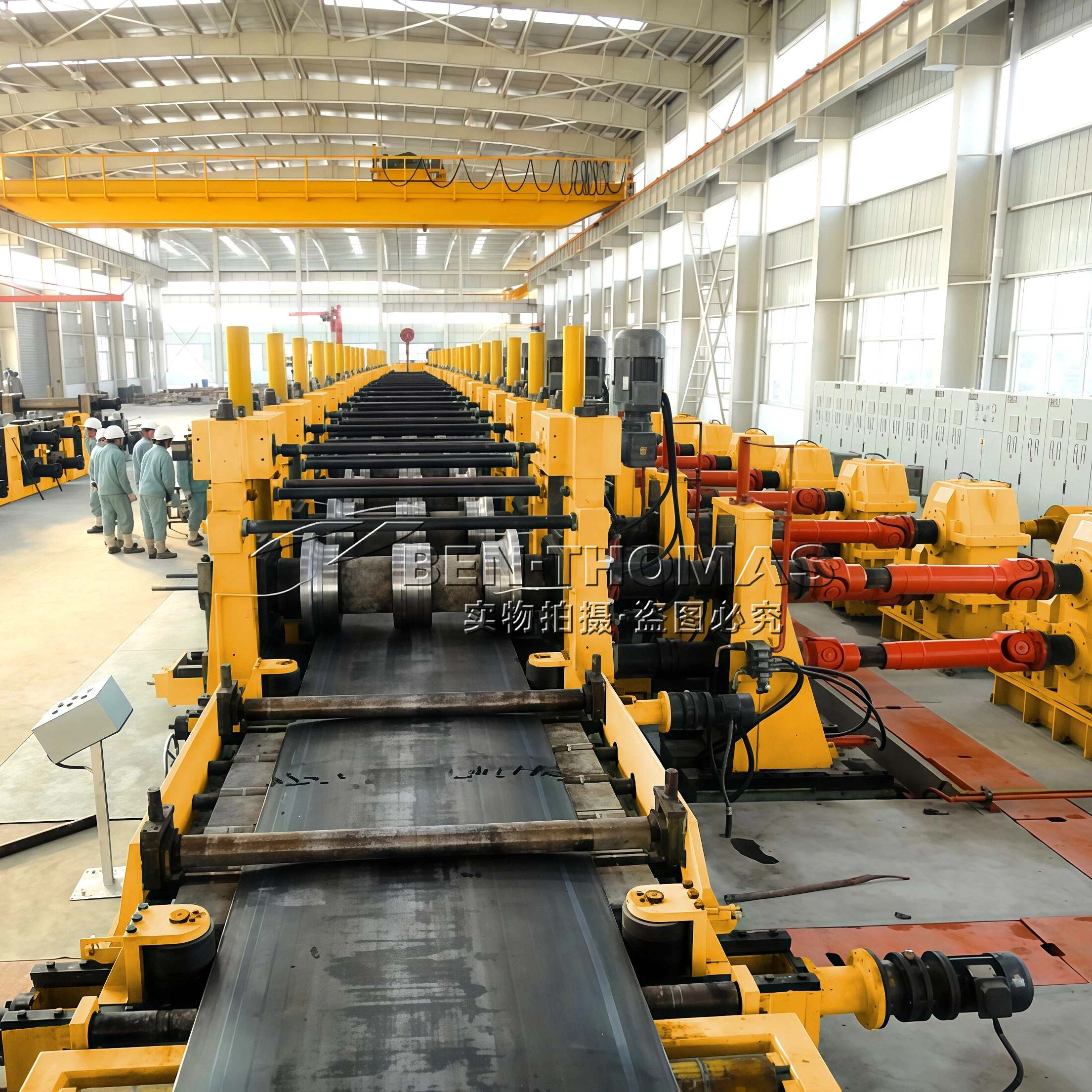
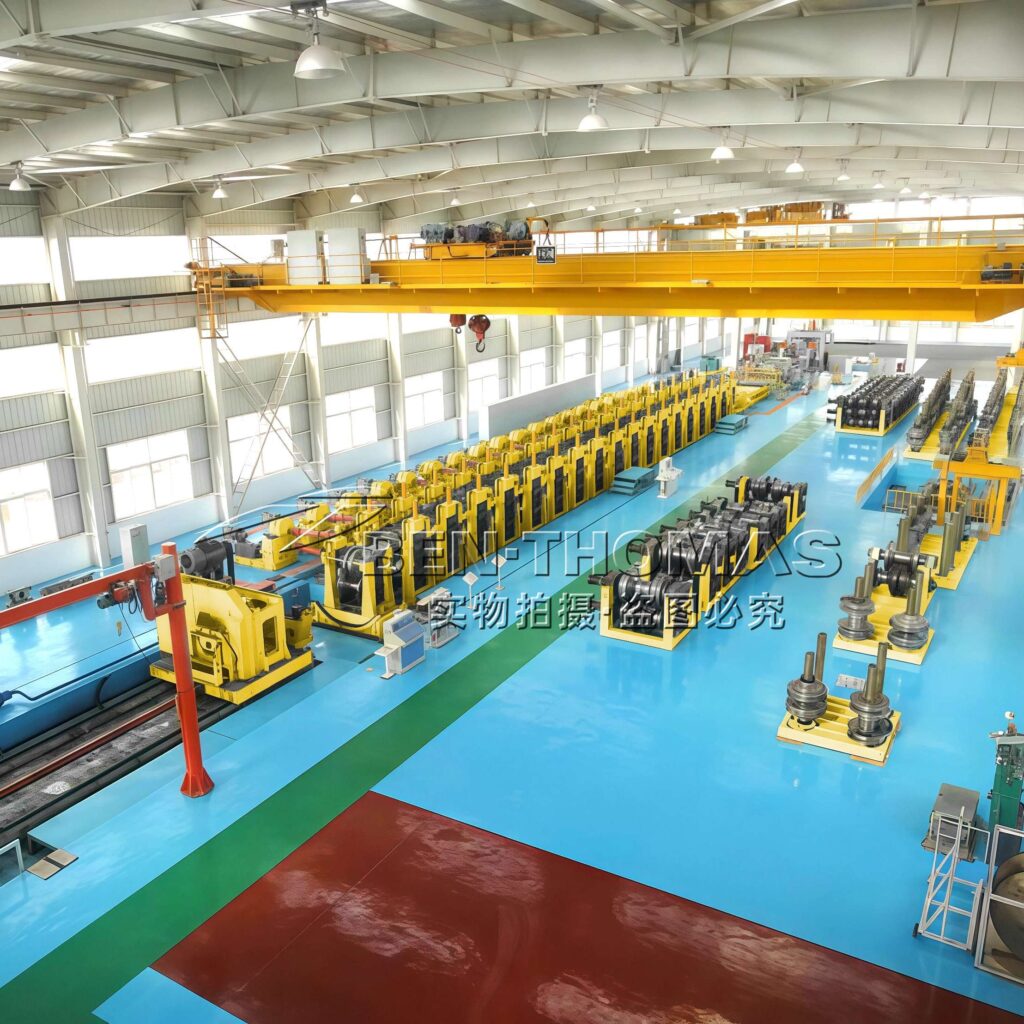
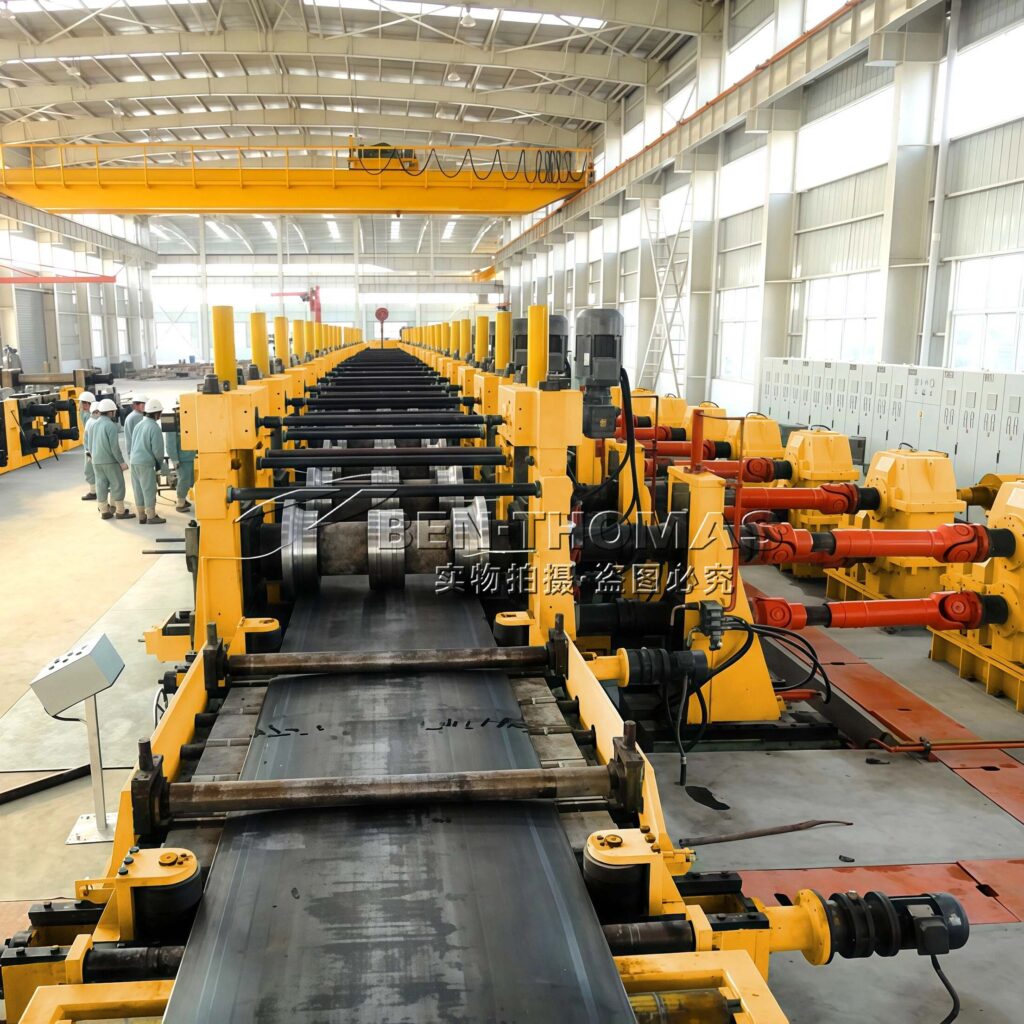
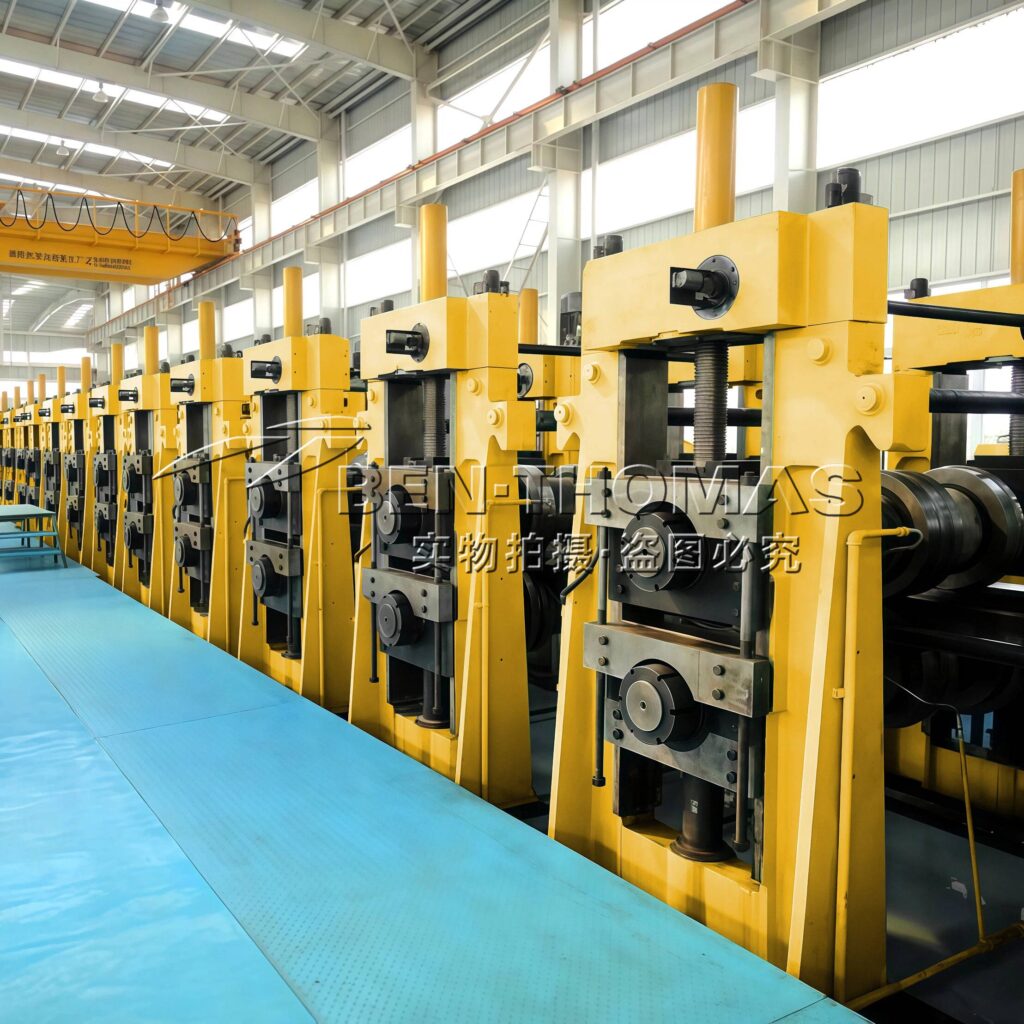
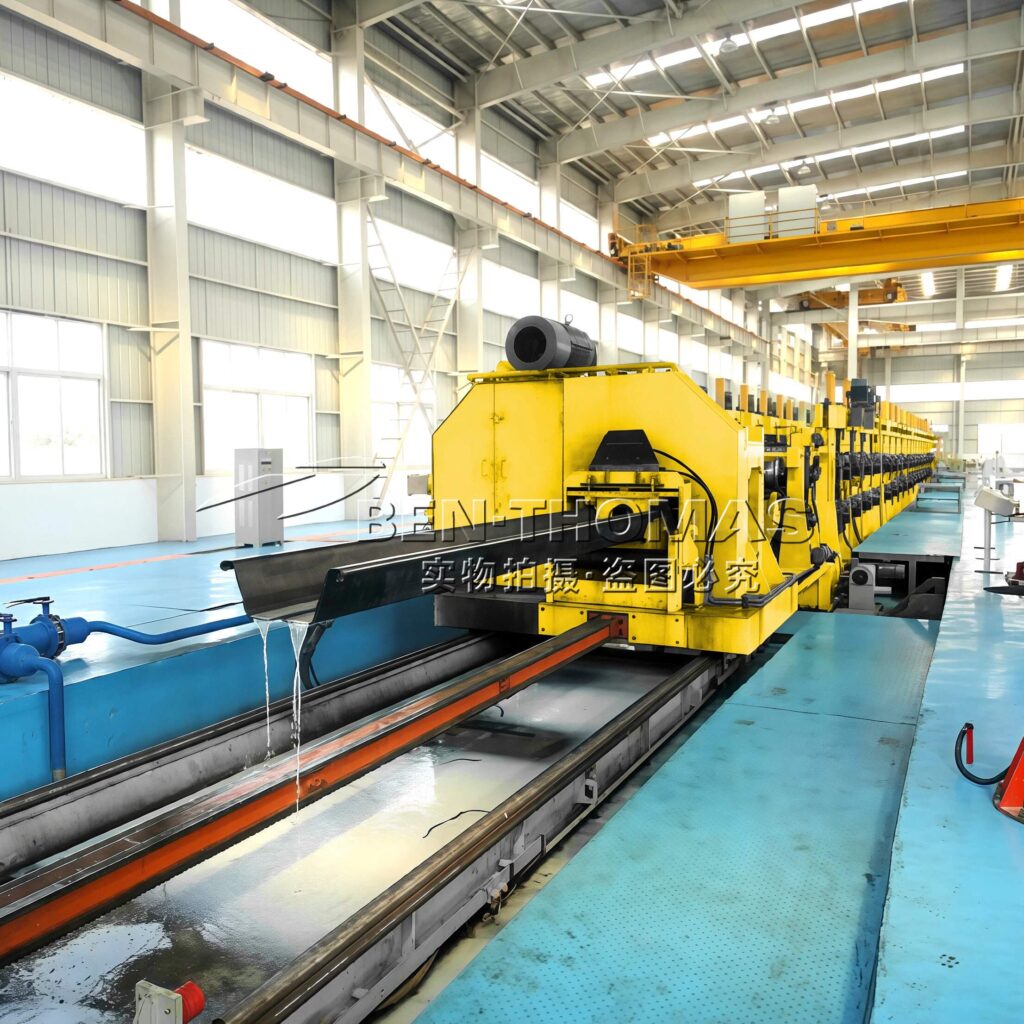
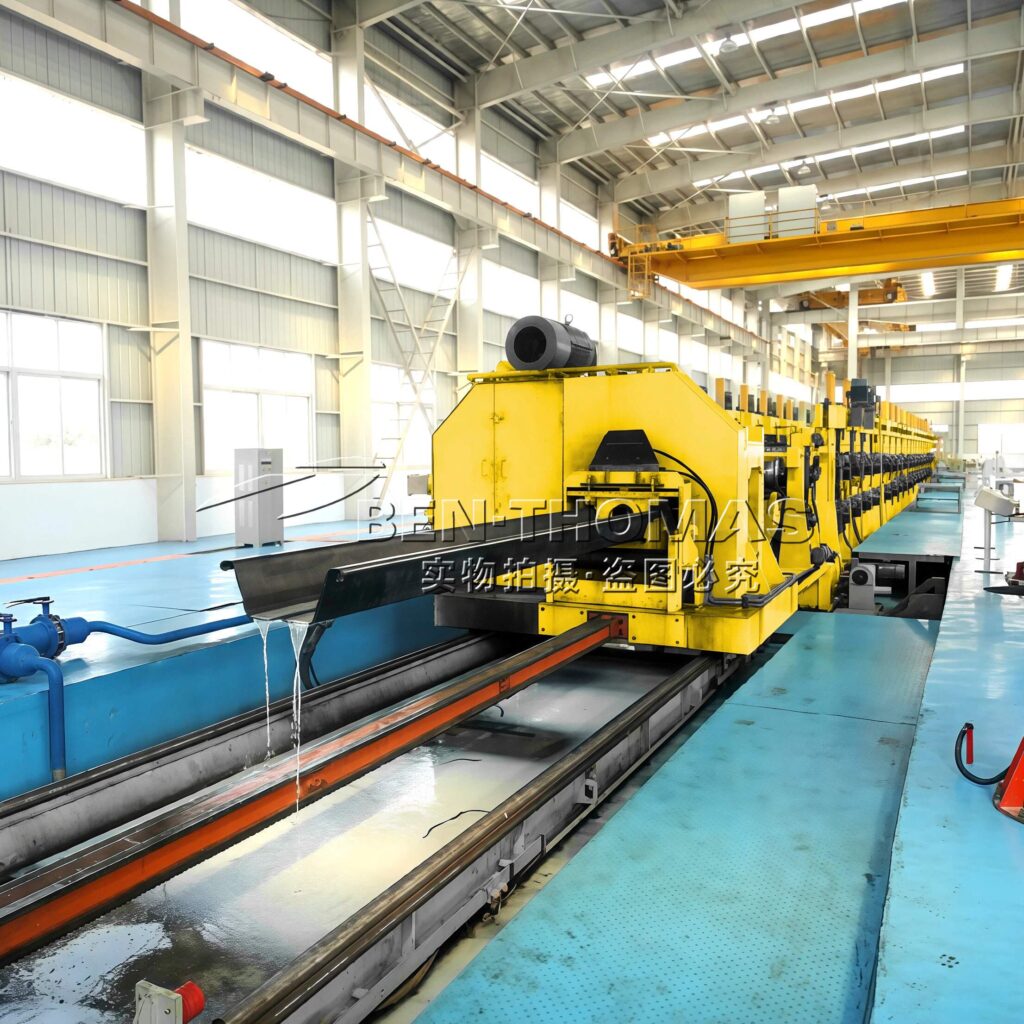
In contrast, a cargo ship side panel forming line is a fully automated production system designed to produce ship panels efficiently, precisely, and safely. The line’s core components—decoiler, leveling unit, main cold roll forming machine, and cutting & stacking unit—are controlled by an advanced PLC system, eliminating the need for manual intervention. This automation delivers a range of advantages that traditional methods simply can’t match.
Let’s start with speed and efficiency: automated lines operate at speeds of 5-15 meters per minute, producing hundreds of panels per day—far faster than traditional methods. This high speed is critical for meeting the demands of large shipbuilding projects, allowing shipyards to complete hull construction in a fraction of the time. The line’s continuous production capability also eliminates downtime between batches, further improving efficiency.
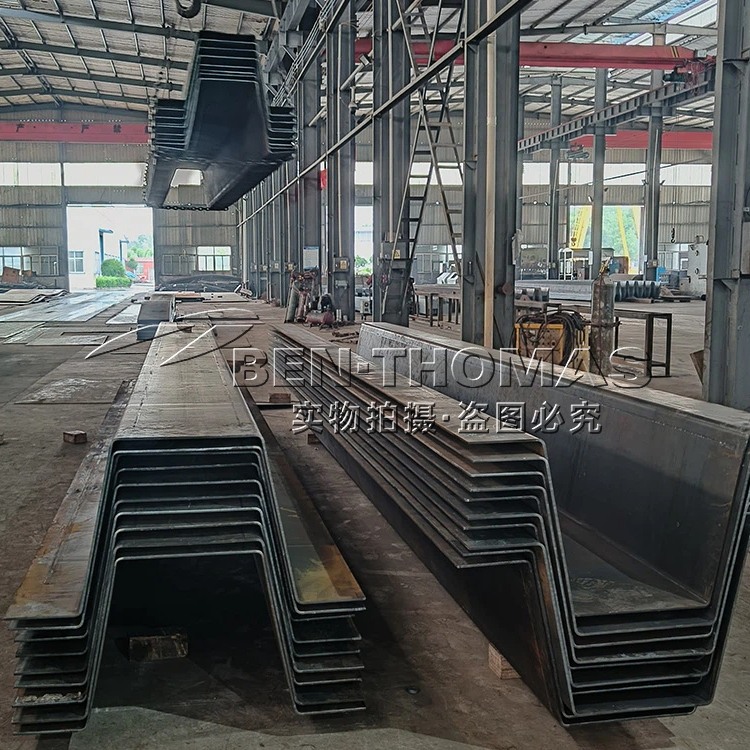
Precision and consistency are another key advantage. The line’s PLC control system and precision components ensure that every panel has identical dimensions (profile accuracy ±0.5mm), uniform strength, and smooth surfaces—eliminating the variations caused by human error. This consistency ensures that panels fit together seamlessly in the shipyard, reducing rework costs and ensuring the ship’s structural integrity.
Cost savings are significant with automated lines. By reducing labor costs (only 1-2 operators are needed), minimizing material waste (utilization rate up to 96%), and reducing rework costs, automated lines save shipyards thousands of dollars per project. Additionally, the line’s durability and low maintenance requirements reduce long-term operational costs, making it a cost-effective investment.
Safety is another major advantage. Automated lines eliminate most manual labor, reducing the risk of workplace injuries from heavy lifting, bending, and cutting. The line’s real-time monitoring system also detects potential issues (e.g., equipment malfunctions) and alerts operators, ensuring a safe working environment.
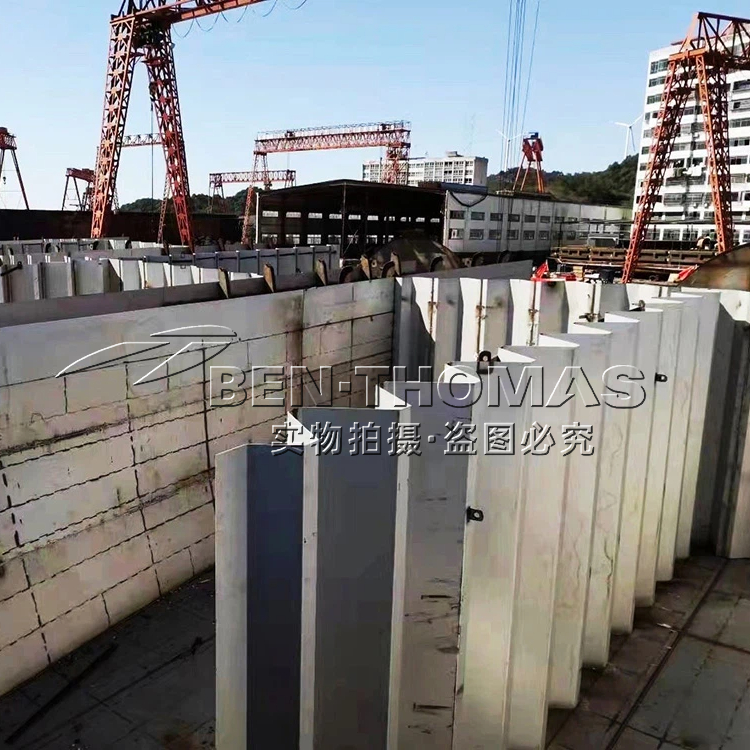
Versatility is another key benefit of automated lines. Unlike traditional machines, which are often limited to producing one type of panel, automated lines can be customized to produce different profiles, sizes, and thicknesses—suitable for a wide range of cargo ship designs. This versatility eliminates the need for multiple machines, saving factory space and reducing equipment costs.
Finally, automated lines are future-proof. As the shipbuilding industry evolves, with increasing demands for larger, more efficient cargo ships, automated lines can be upgraded and customized to meet new requirements. Traditional methods, however, are inflexible and cannot keep up with the industry’s changing needs.
In conclusion, the cargo ship side panel forming line is far superior to traditional ship panel production methods. Its speed, precision, cost-effectiveness, safety, and versatility make it the future of shipbuilding. By investing in automated lines, shipyards can improve productivity, reduce costs, and build safer, more durable cargo ships that meet the demands of the global maritime industry.