Modern shipbuilding demands efficiency, precision, and durability—and the cargo ship side panel forming line is the key equipment that delivers all three. These automated lines are indispensable for producing the structural side panels that form the backbone of cargo ship hulls, but what specific applications do they serve, and what benefits do they offer to shipyards and marine manufacturers? In this article, we’ll explore the applications of these lines, their core benefits, and why they have become a cornerstone of modern shipbuilding.
First, let’s clarify: a
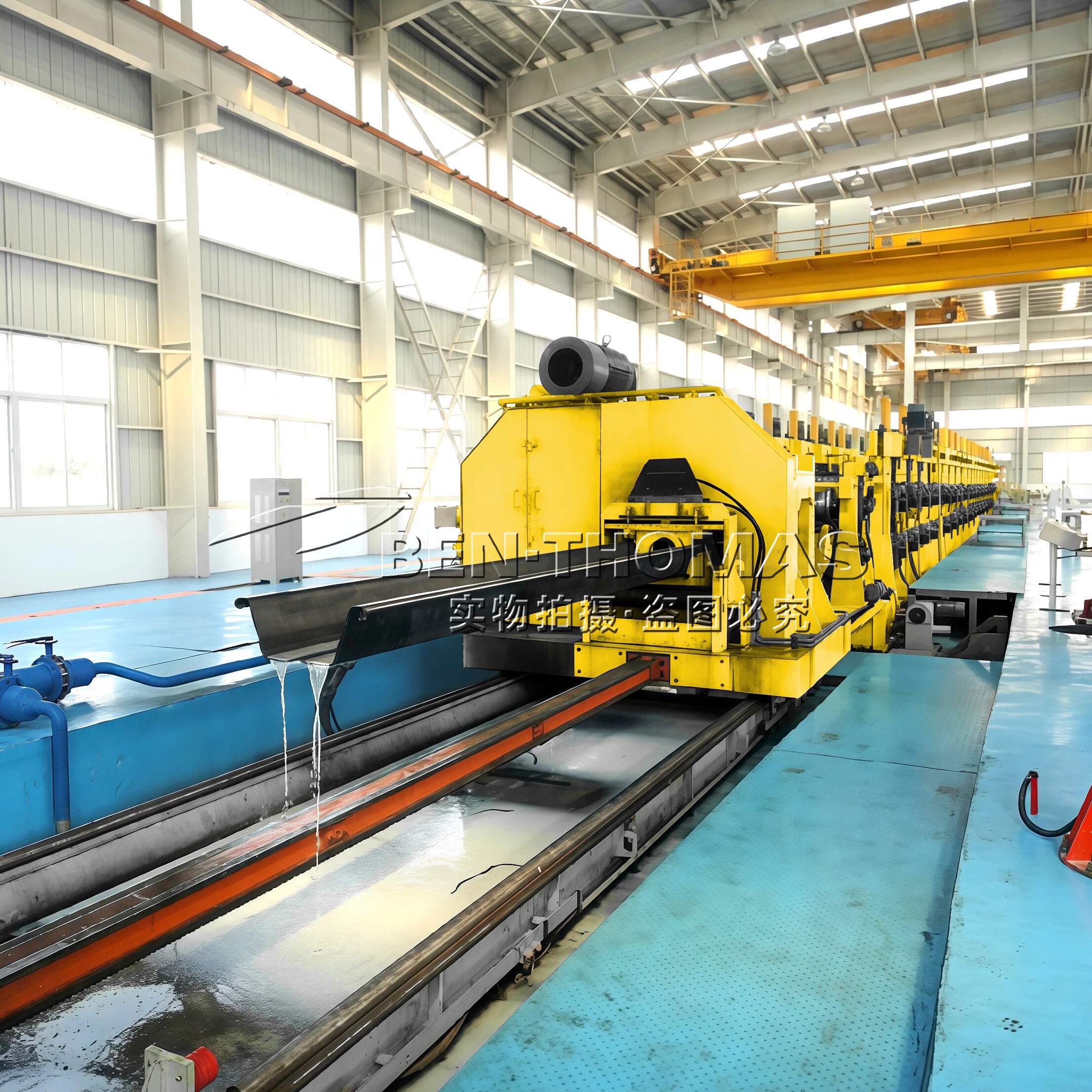
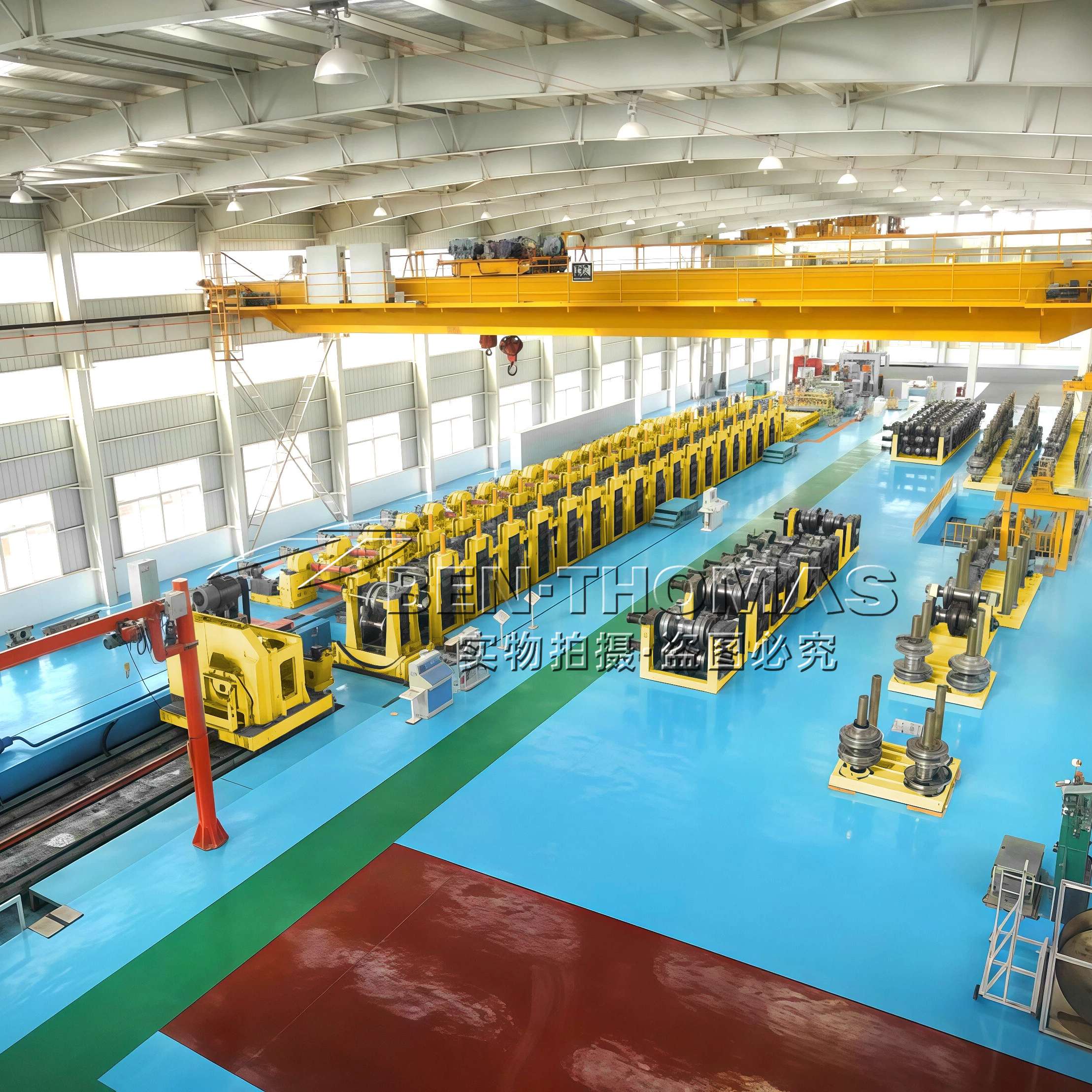
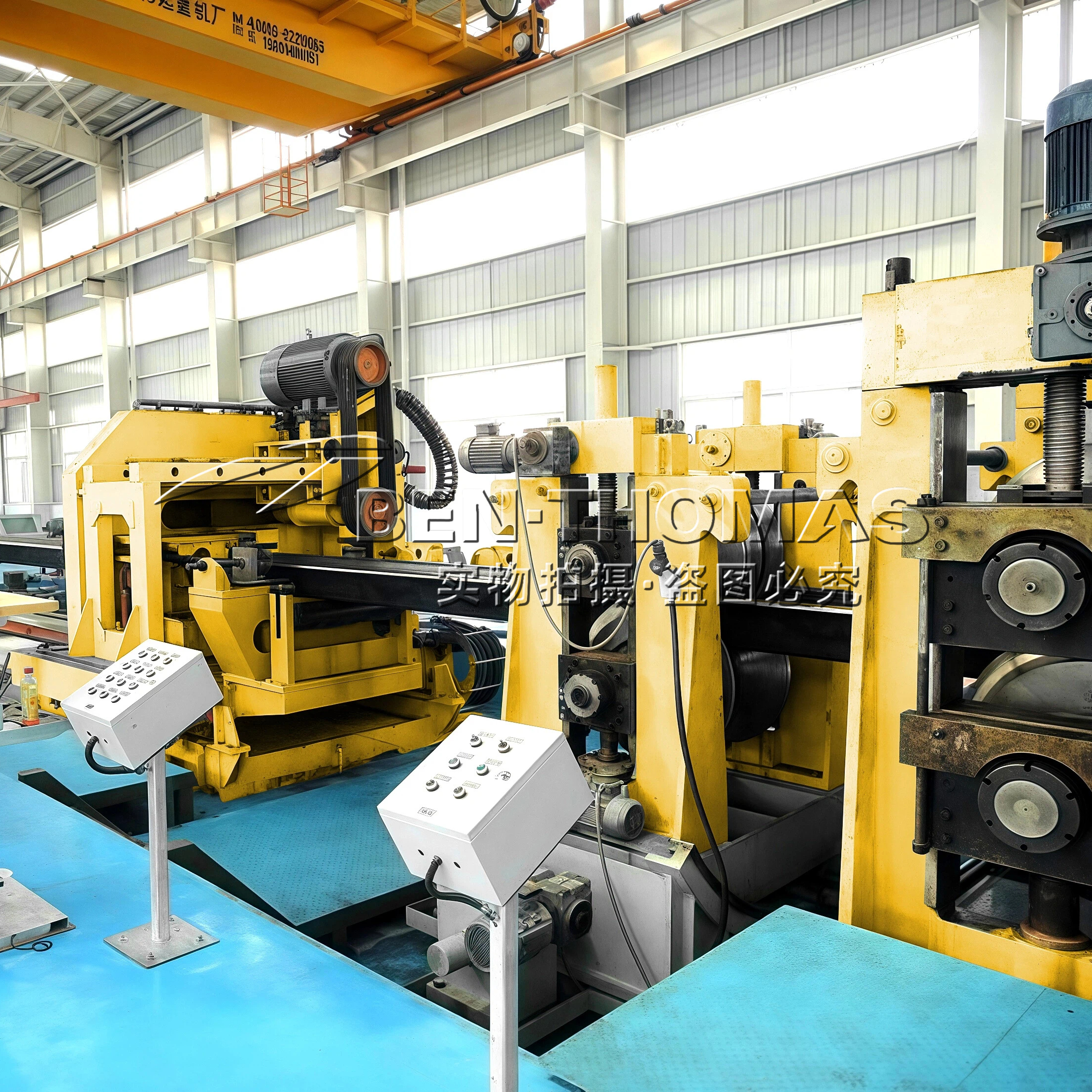
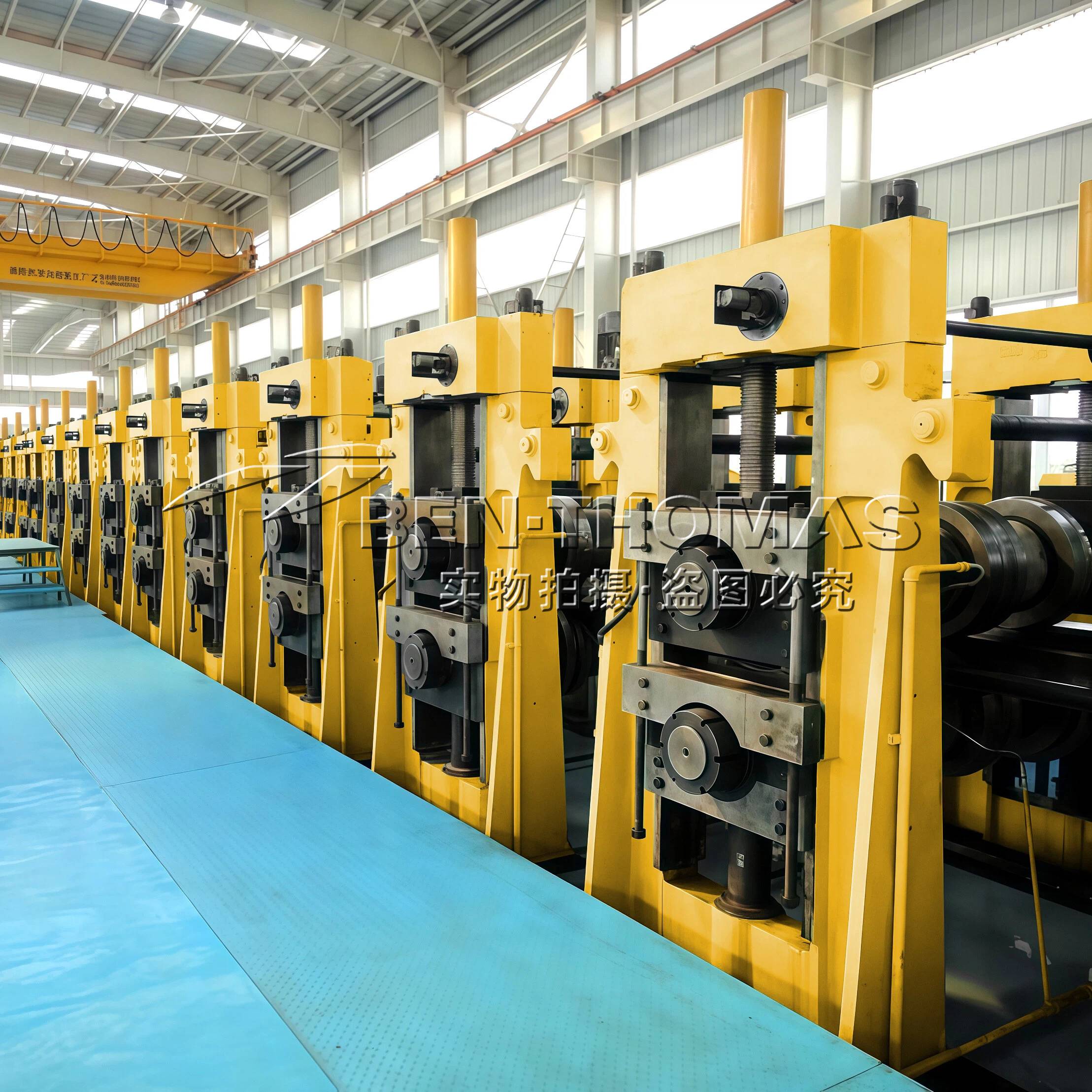
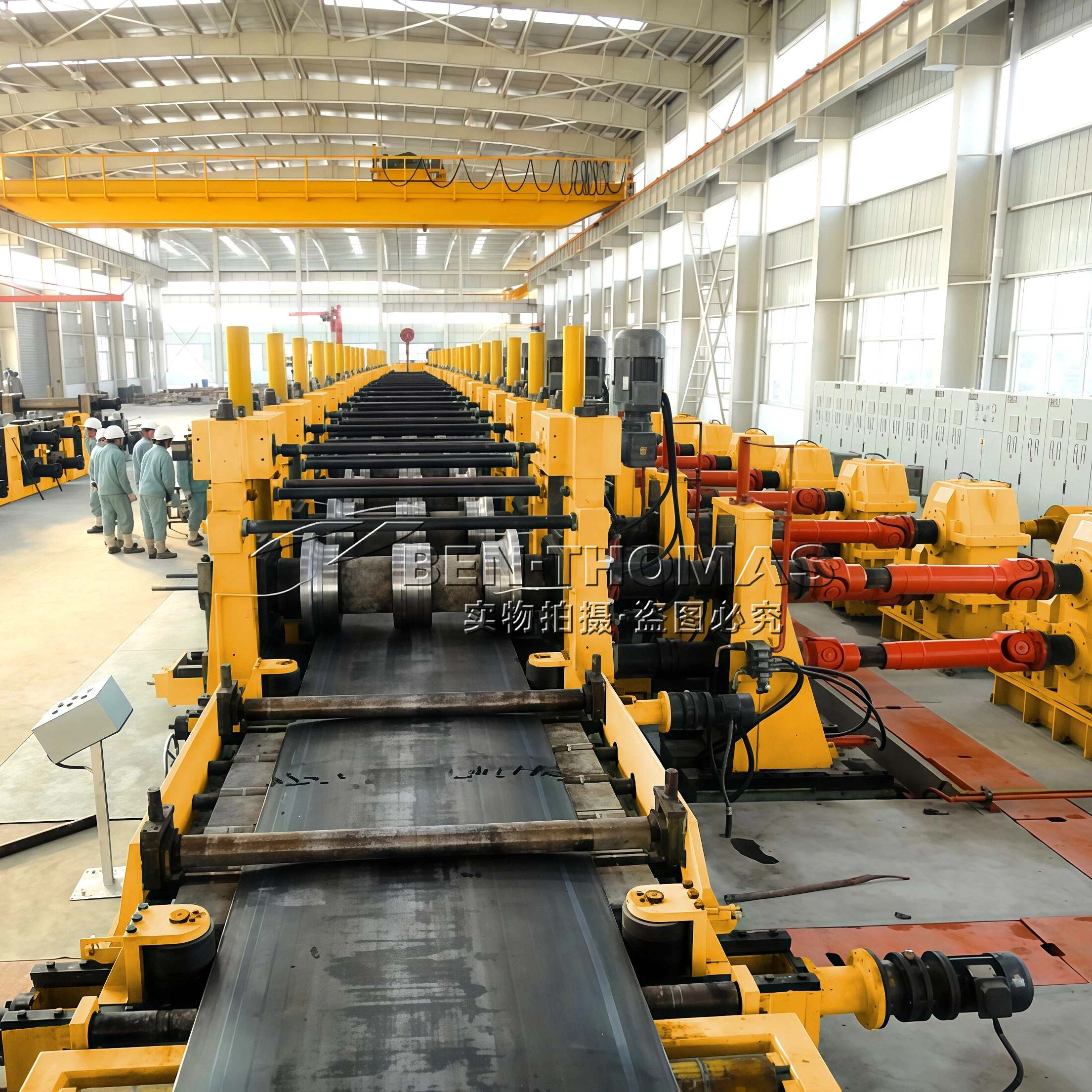
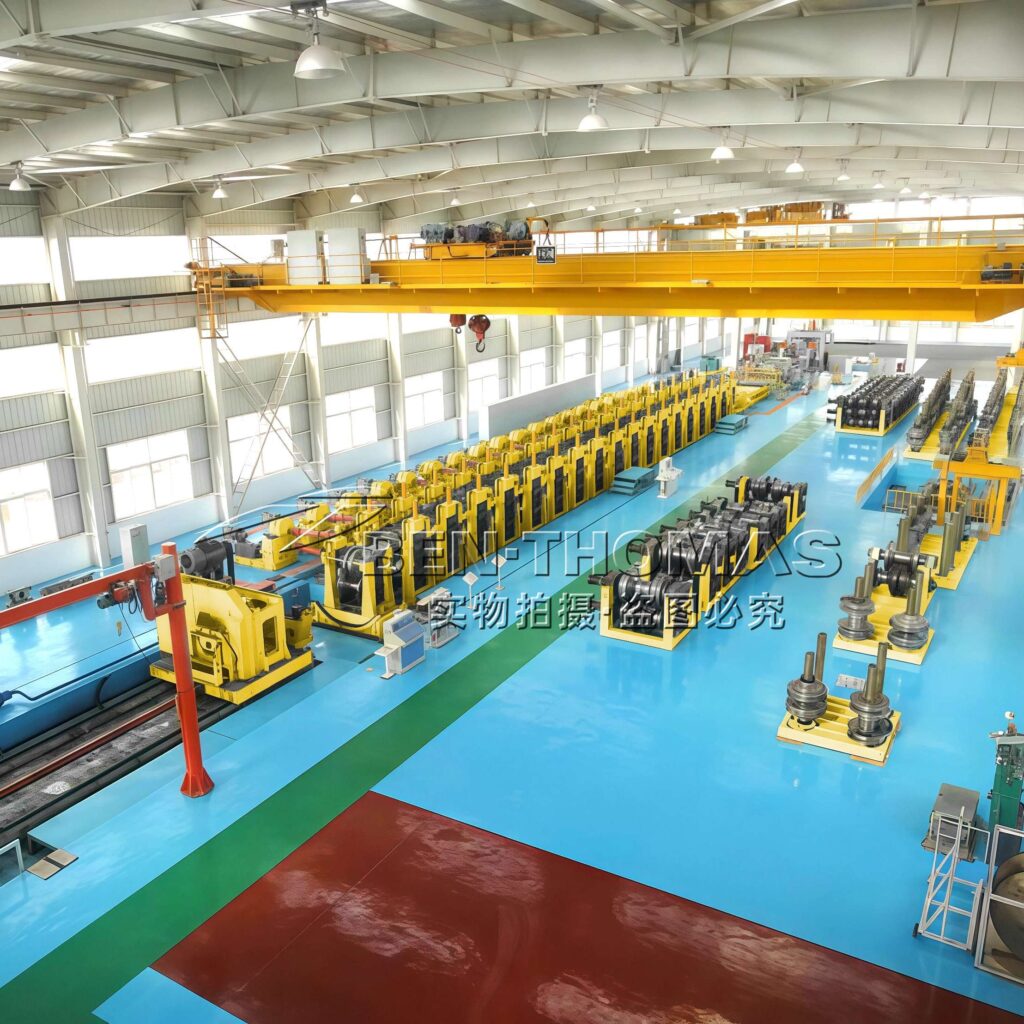
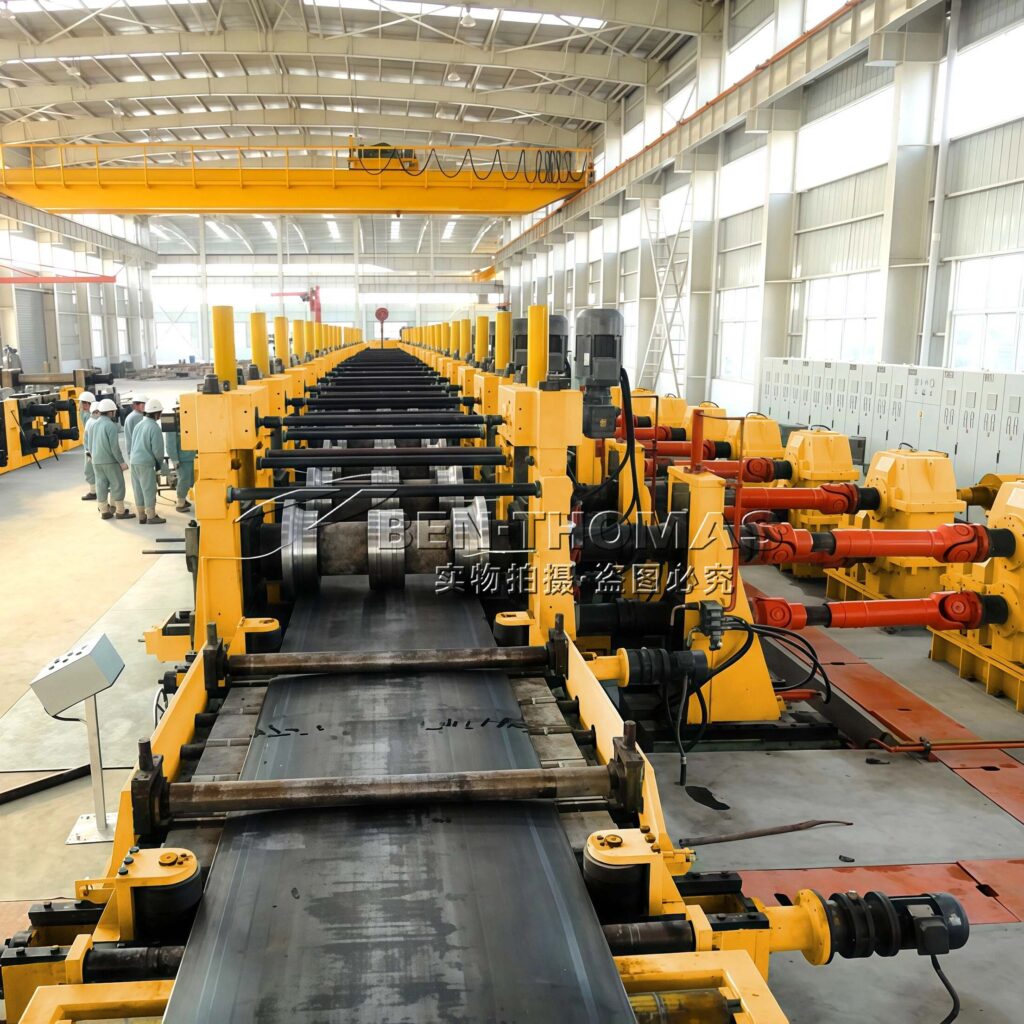
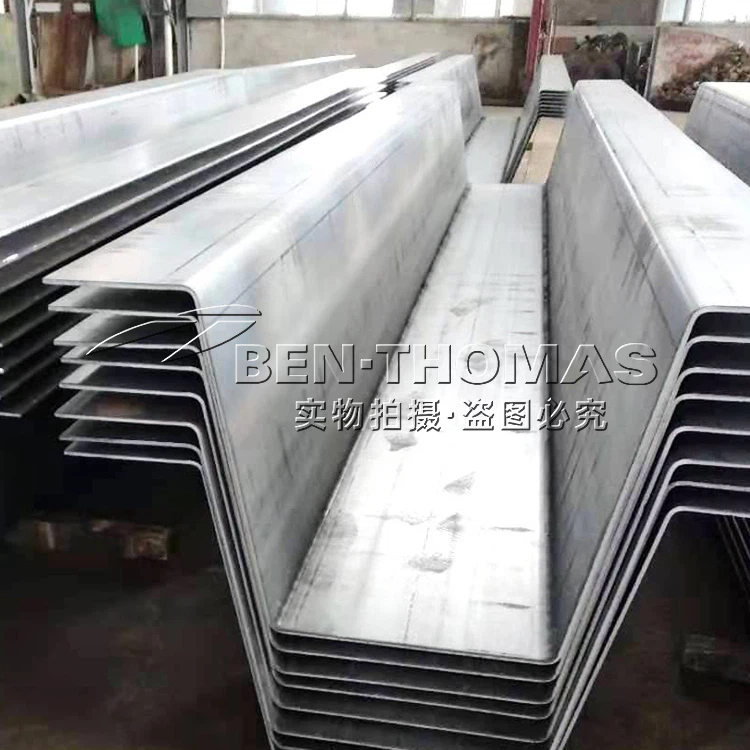
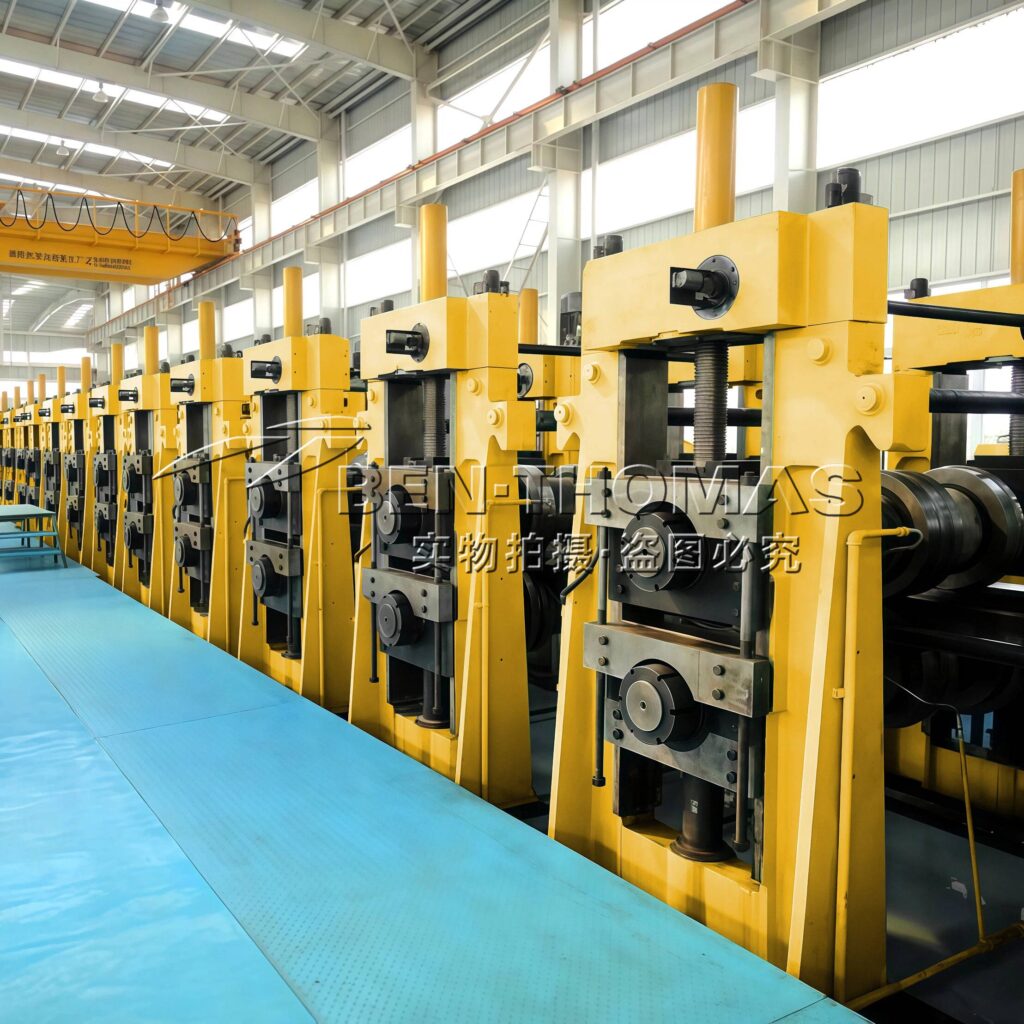
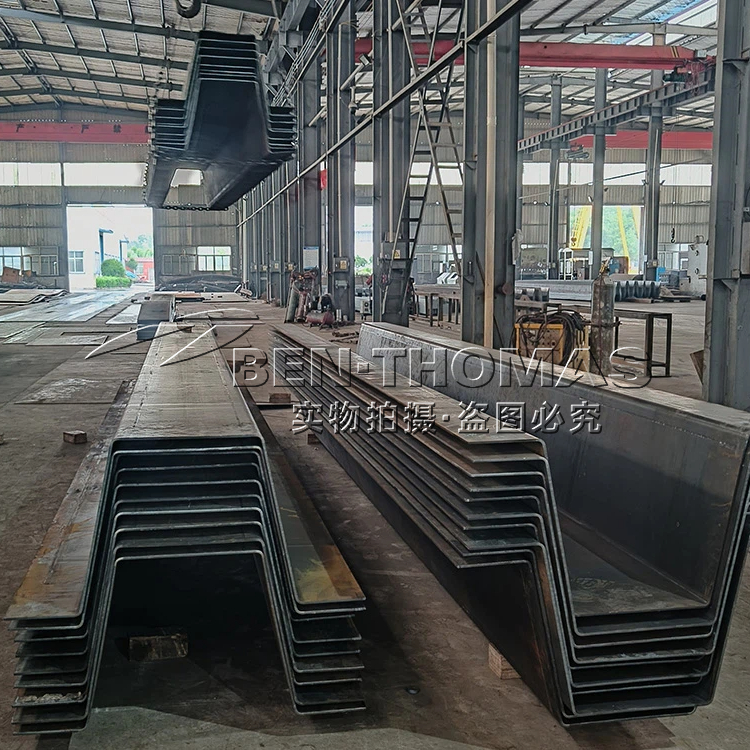
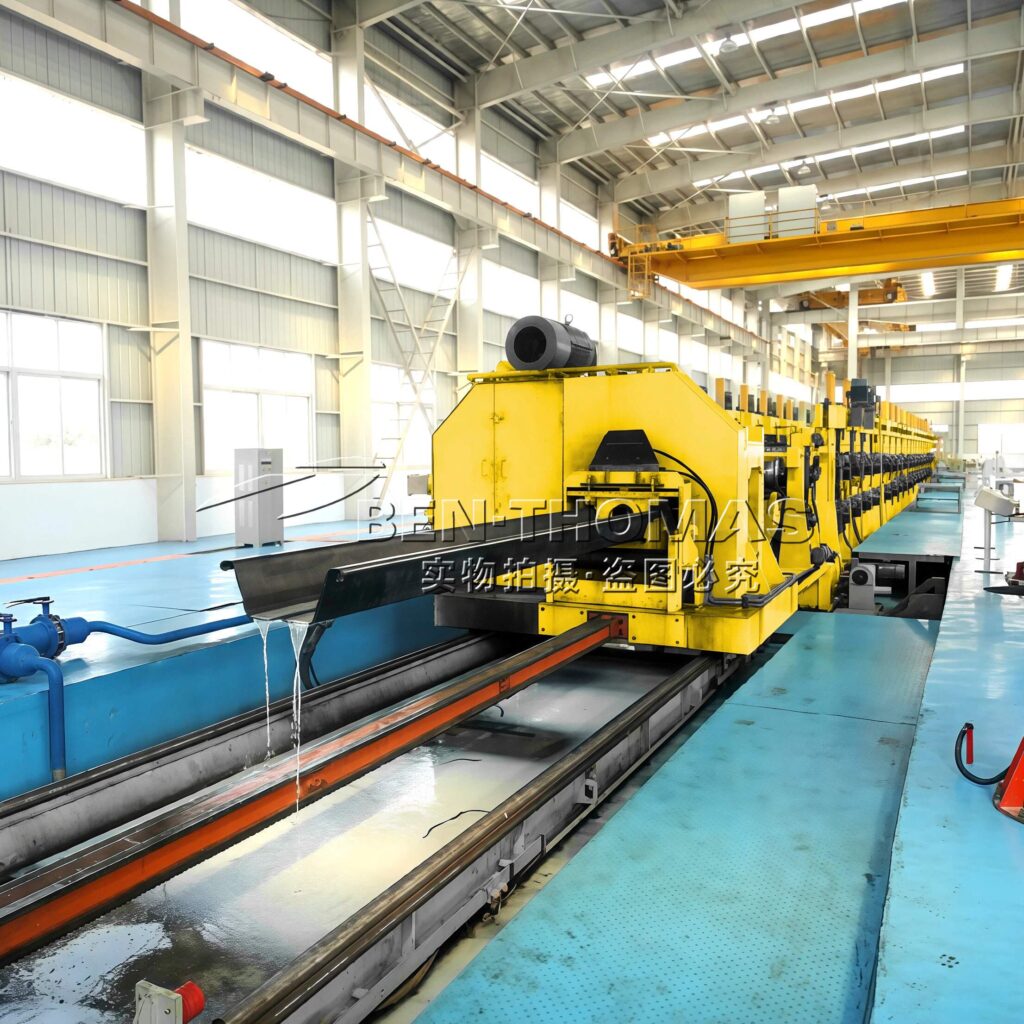
Cargo Ship Hold Panel Roll Forming Machine is an automated cold roll forming system designed to produce high-quality metal side panels for cargo ship hulls. These panels are integral to the ship’s structure, providing lateral strength, protecting the interior from marine elements, and supporting the overall stability of the vessel. The line’s core components—decoiler, leveling unit, main cold roll forming machine, and cutting & stacking unit—work together to produce panels that meet the strict standards of the shipbuilding industry (IMO, ABS, DNV).
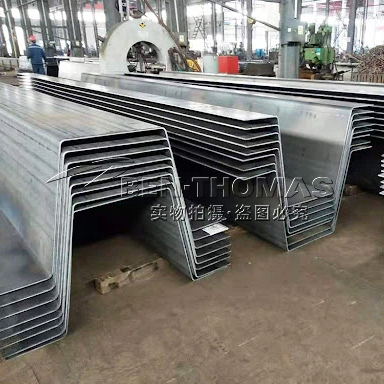
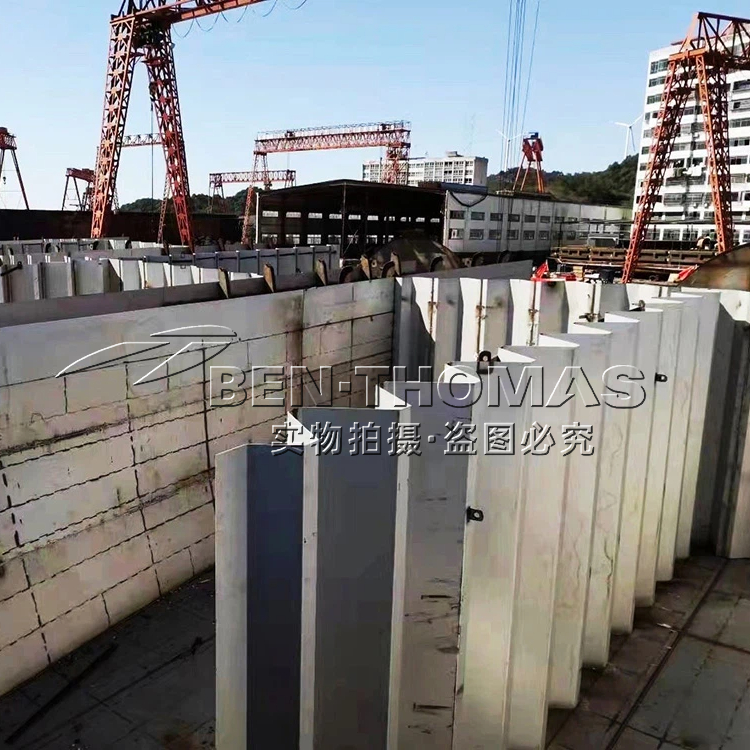
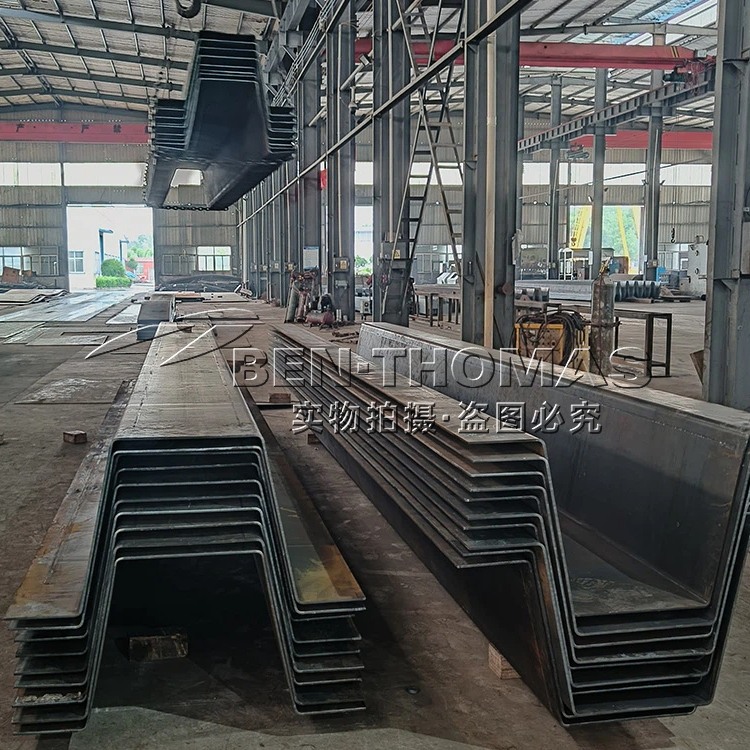
The primary application of cargo ship side panel forming lines is in the production of side panels for various types of cargo ships, including: container ships (the most common type of cargo ship, requiring large, flat or corrugated side panels), bulk carriers (used for transporting bulk goods like coal, grain, and ore, requiring heavy-duty, corrosion-resistant panels), oil tankers (needing panels with enhanced corrosion resistance to handle oil and seawater), and general cargo ships (versatile vessels requiring panels of varying sizes and profiles). These panels are also used in the construction of other marine vessels, such as ferries and offshore support vessels, making the line versatile.
Beyond standard cargo ships, the line is also used to produce specialized side panels for offshore structures, such as offshore platforms and floating storage units. These panels require even higher strength and corrosion resistance, and the line’s precision and material handling capacity make it suitable for this demanding application.
The benefits of using a cargo ship side panel forming line are numerous, starting with high production efficiency. Traditional manual or semi-automatic methods of producing ship panels are slow, labor-intensive, and prone to error—often taking days to produce a single batch of panels. In contrast, automated lines operate at speeds of 5-15 meters per minute, enabling mass production of panels in hours rather than days. This efficiency is critical for shipyards working on tight project deadlines, allowing them to complete ship hull construction faster and meet customer demands.
Consistent, high-quality production is another key benefit. Shipbuilding requires panels with precise dimensions and uniform strength—any variation can compromise the ship’s structural integrity. The line’s PLC control system and precision components ensure that every panel is identical, with a profile accuracy of ±0.5mm and consistent material properties. This eliminates the risk of human error, reduces rework costs, and ensures the panels meet the strict industry standards for safety and durability.
Cost savings are a significant advantage of these lines. By automating the production process, shipyards reduce labor costs—only 1-2 operators are needed to monitor the line, compared to a team of workers required for manual methods. Additionally, the line’s high material utilization rate (up to 96%) minimizes waste, reducing the cost of high-strength shipbuilding steel. The line’s durability and low maintenance requirements also reduce long-term operational costs, making it a cost-effective investment for shipyards.
Versatility is another key benefit. The line can be customized to produce different panel profiles (corrugated, flat, curved), sizes (widths 1000-2500mm, lengths 6-12 meters), and thicknesses (3.0-12.0mm), making it suitable for a wide range of cargo ship designs. This versatility eliminates the need for multiple machines, saving factory space and reducing equipment costs. Additionally, the line can handle different grades of high-strength steel (AH36, DH36, EH36), allowing shipyards to produce panels for different types of vessels.
Enhanced safety is also a critical benefit. Manual panel forming involves heavy lifting, bending, and cutting, which pose significant safety risks to workers. The automated line eliminates most manual labor, reducing the risk of workplace injuries. Additionally, the line’s real-time monitoring system detects potential issues (e.g., equipment malfunctions) and alerts operators, ensuring a safe working environment.
In summary, cargo ship side panel forming lines are essential for modern shipbuilding because they deliver efficient, consistent, and cost-effective production of high-quality ship panels. Their versatility, precision, and safety features make them indispensable for shipyards looking to meet the demands of the global maritime industry. By investing in these lines, shipyards can improve productivity, reduce costs, and build safer, more durable cargo ships.