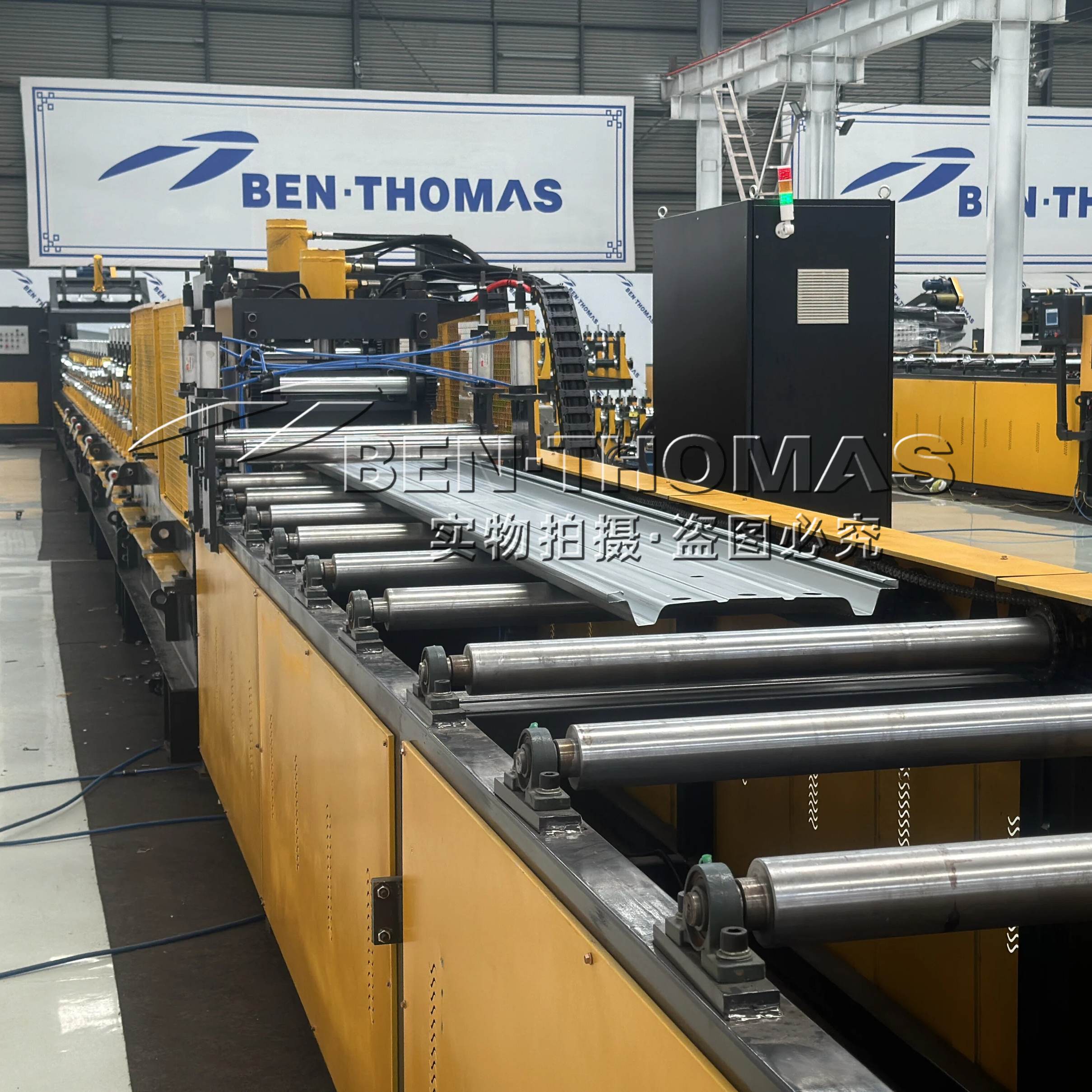
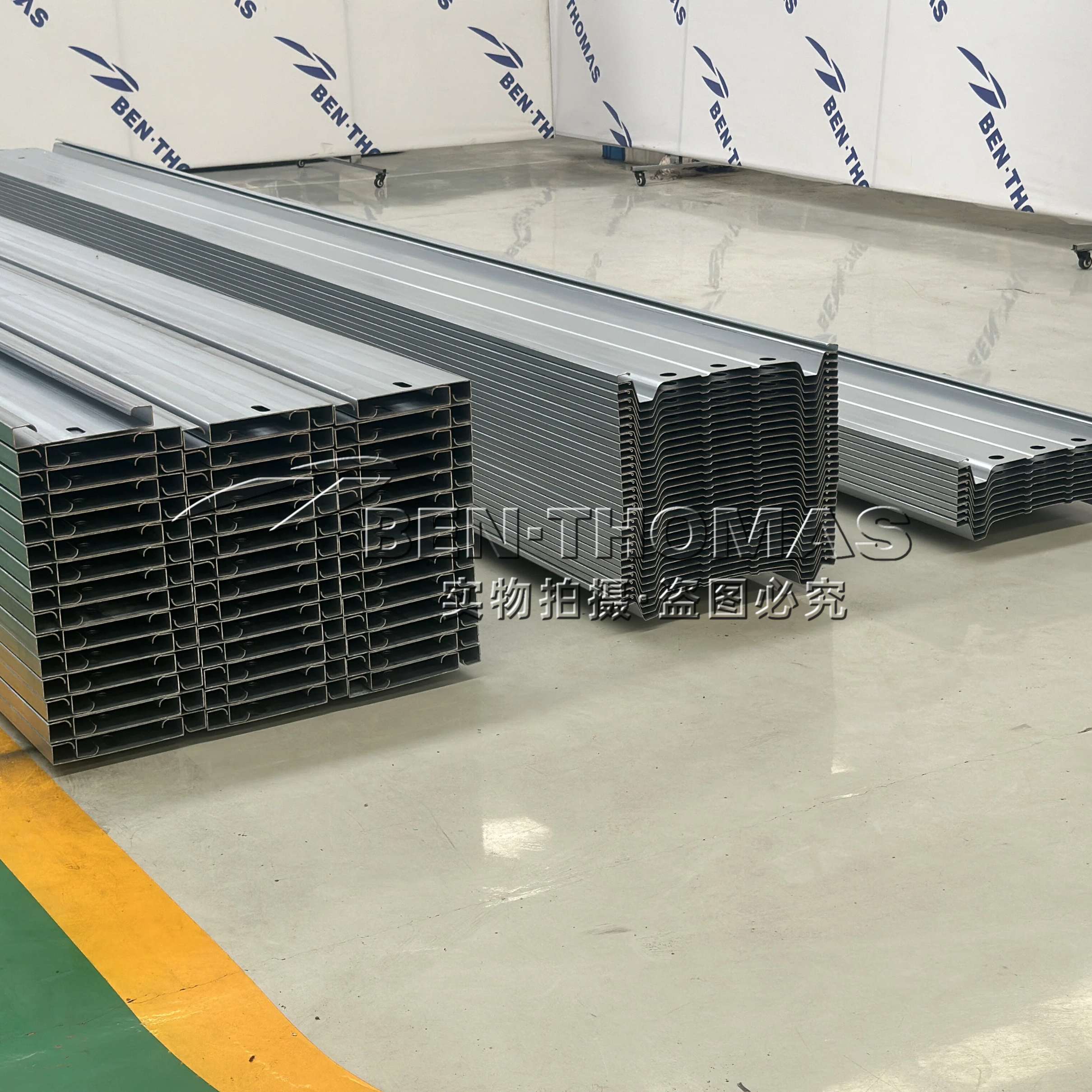
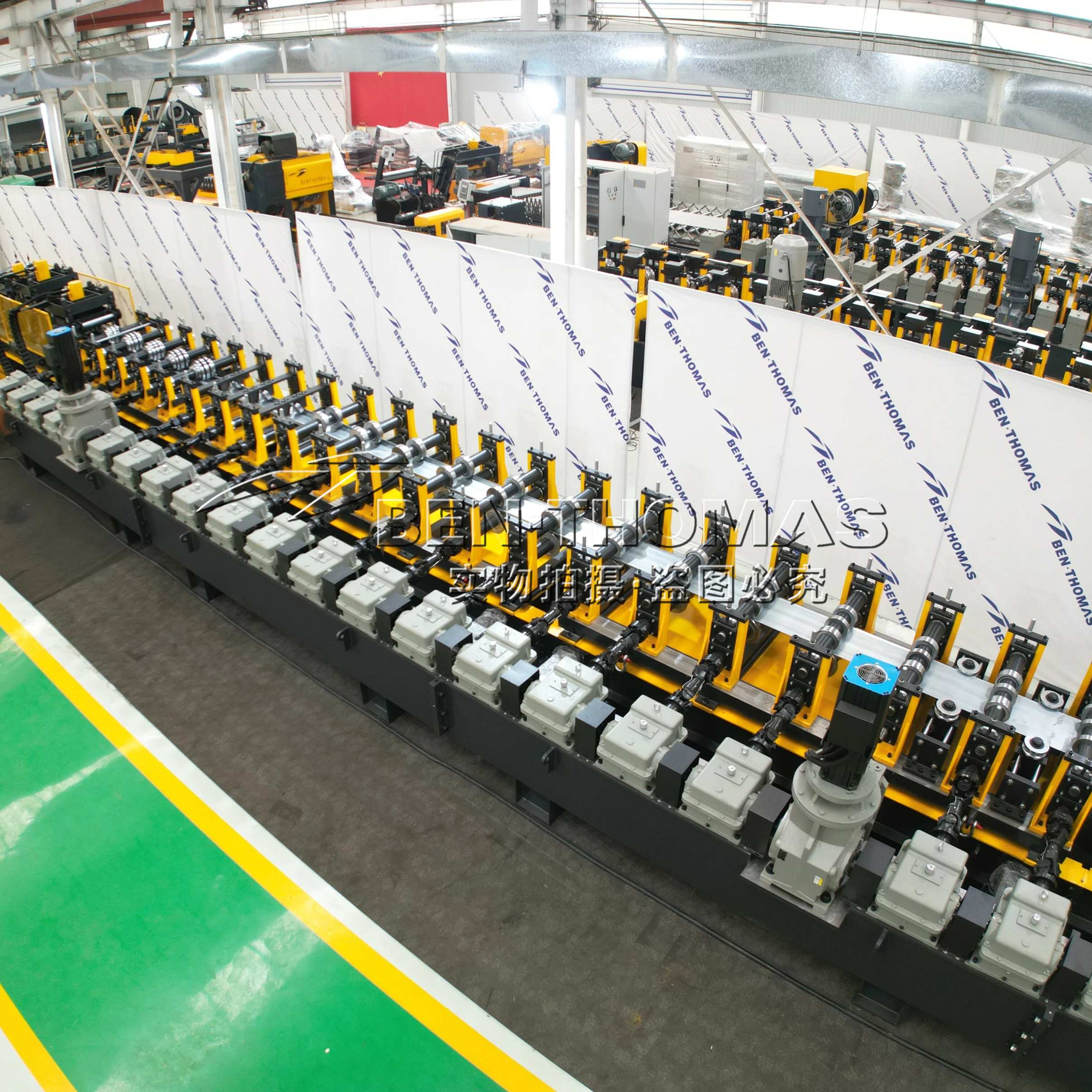
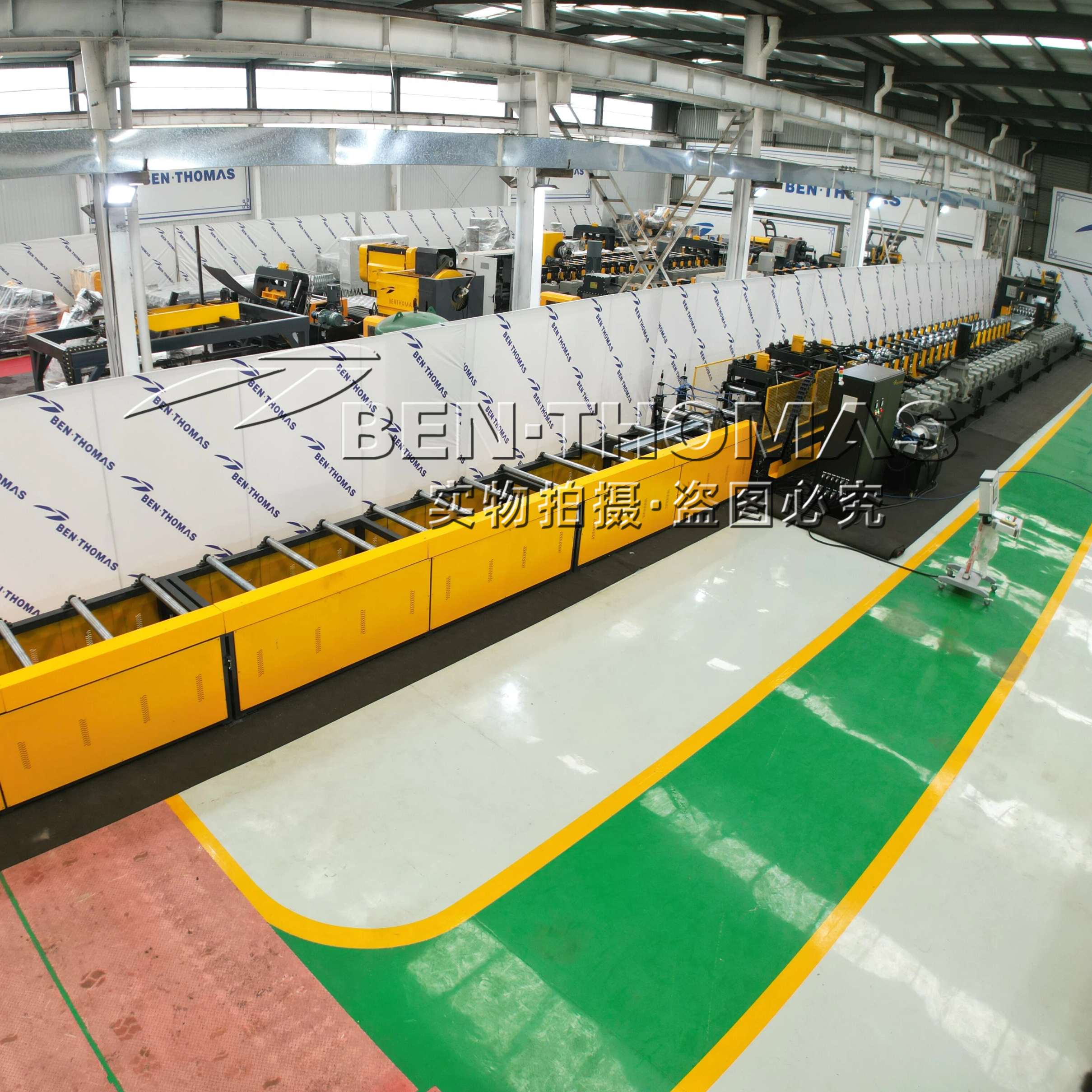
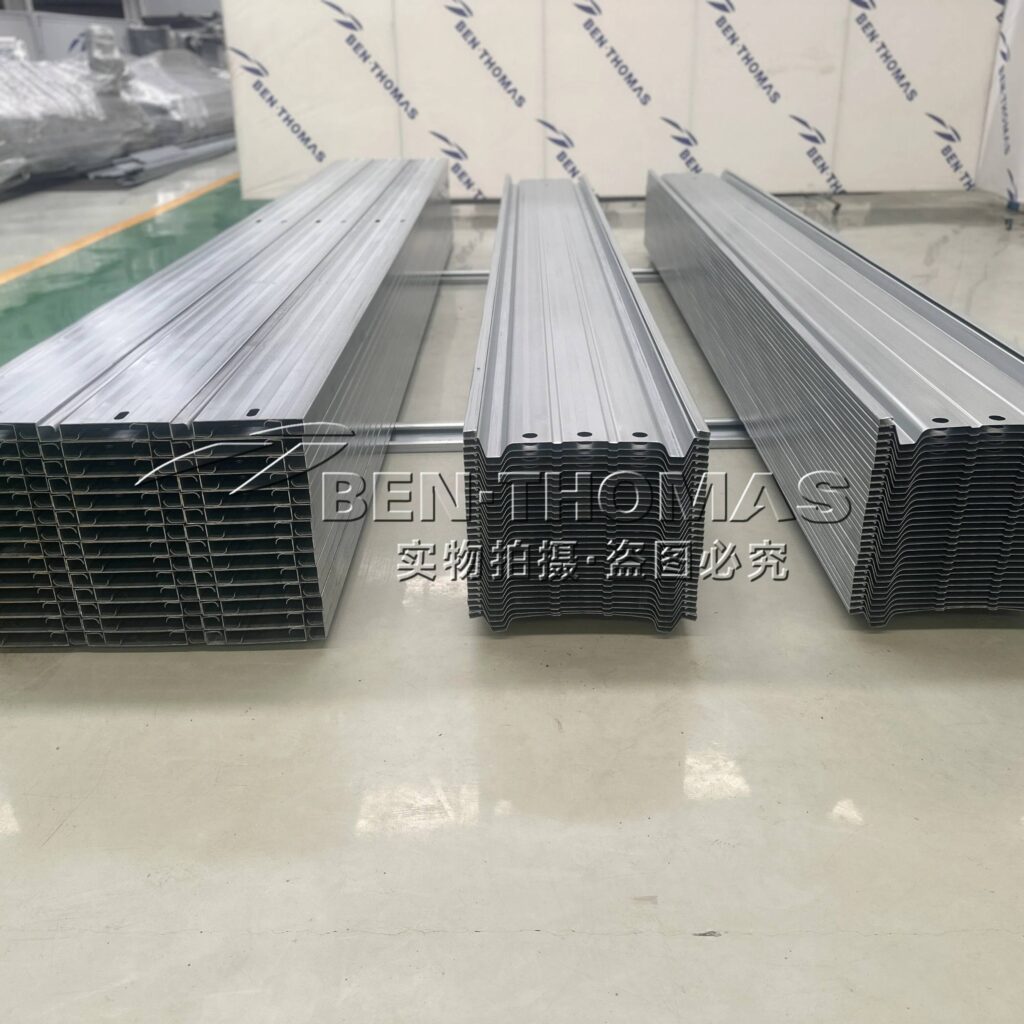
In the field of industrial air pollution control, the Electrostatic Precipitator (ESP) stands as one of the most critical technologies for capturing particulate matter from flue gases. At the heart of every ESP lies the Anode Plate—also known as the collecting plate—which attracts and holds dust particles until they are removed by rapping systems. The machine responsible for producing these plates with exceptional precision and efficiency is the Roll Forming Machine for ESP Dust Collector Anode Plate.
Definition
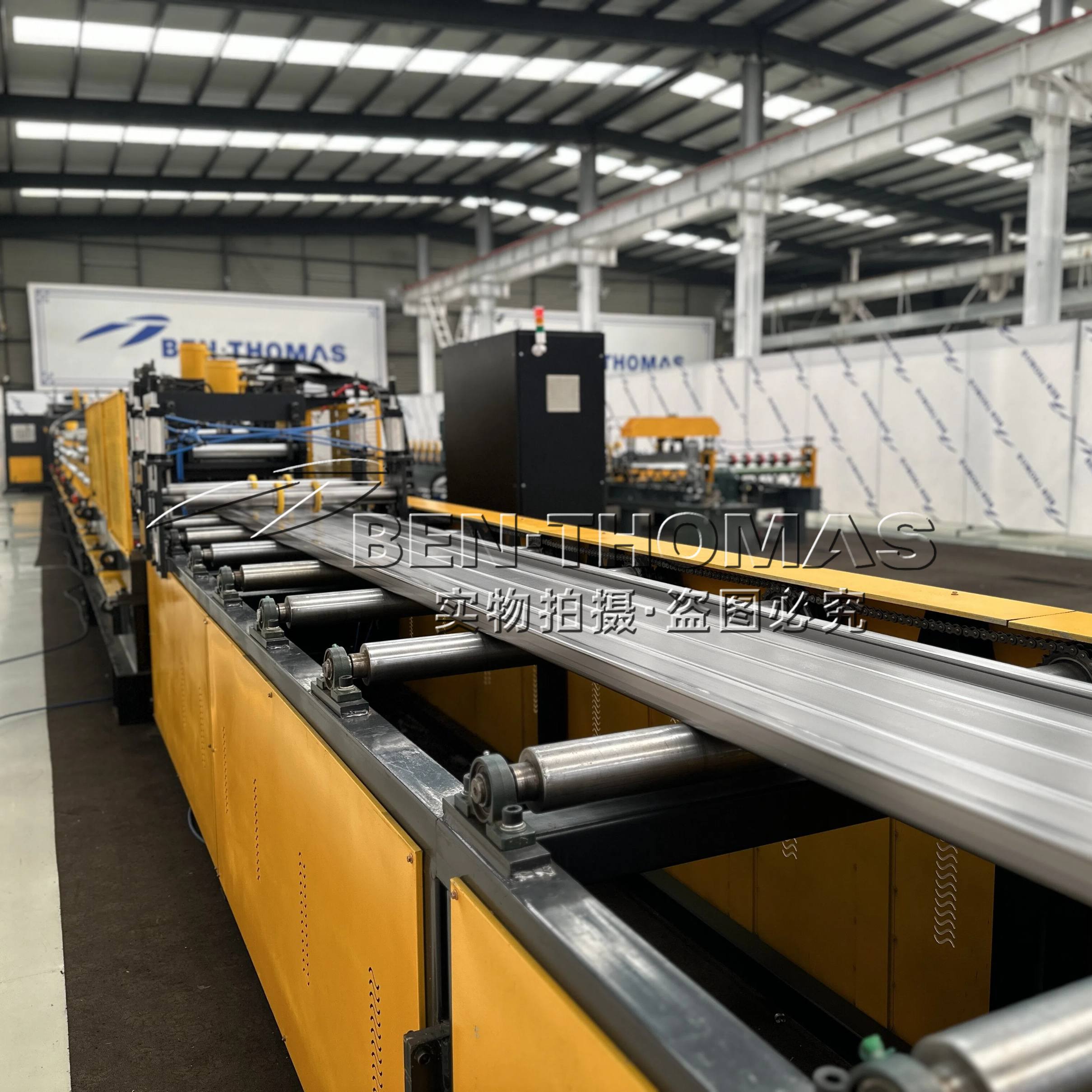
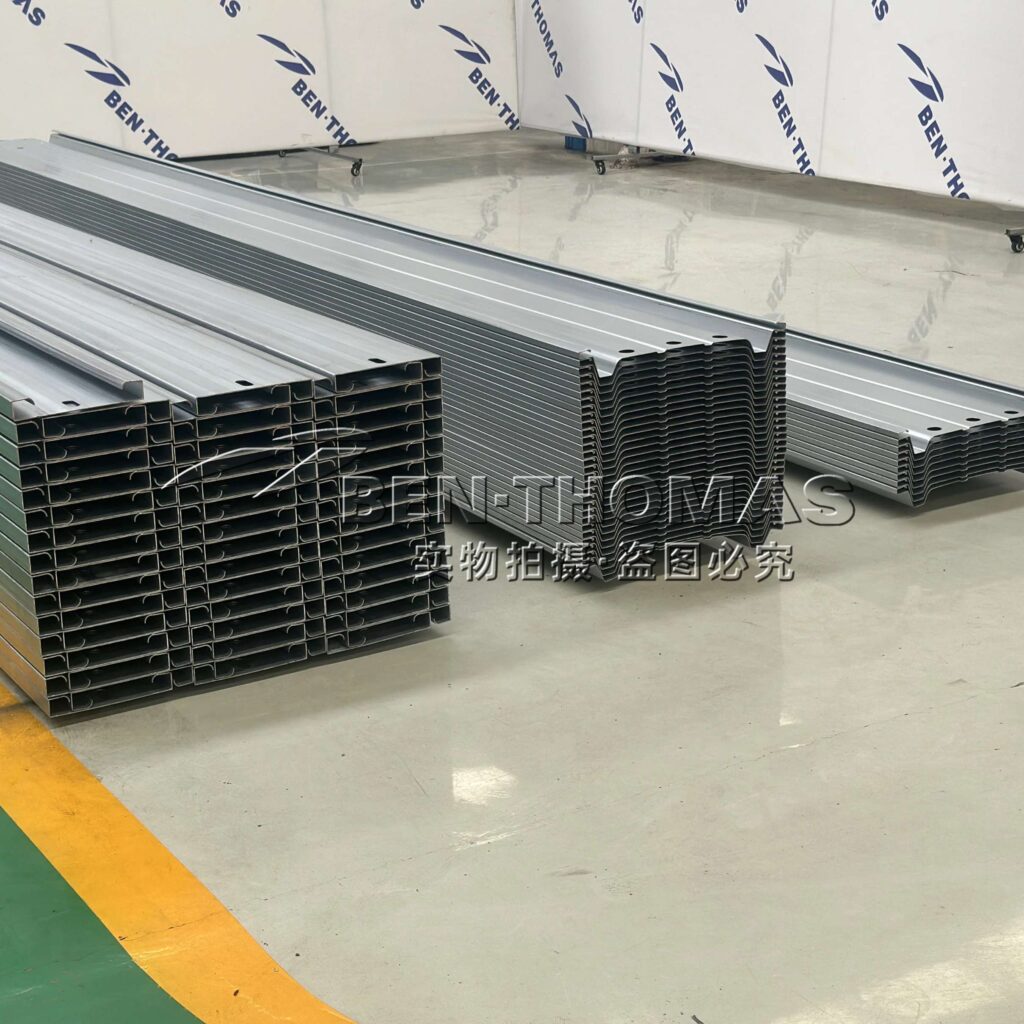
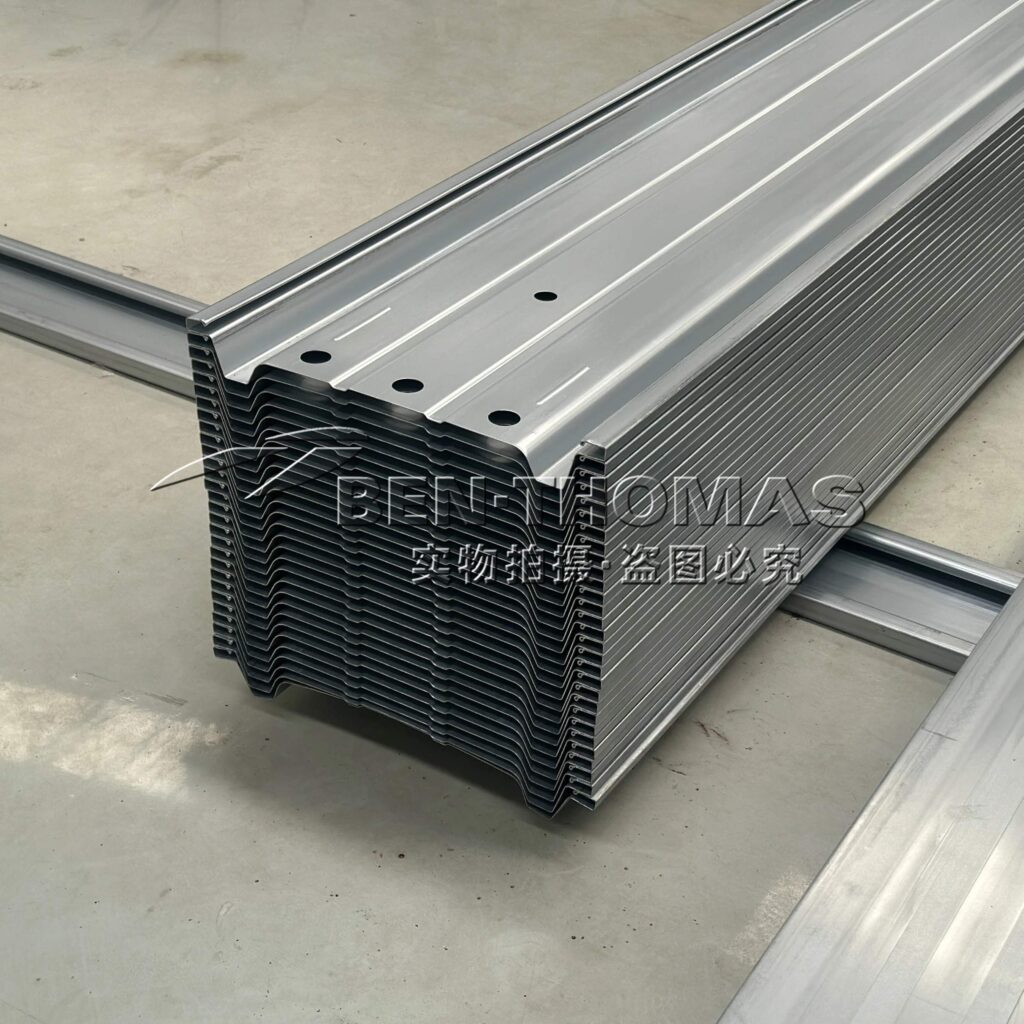
An ESP anode plate roll forming machine is a specialized, high-speed production line designed to continuously transform flat steel coils into precisely shaped, corrugated, or profiled collecting plates. Unlike generic roll formers, this equipment is engineered to handle wide strips of thin-gauge steel (typically 1.2mm to 2.0mm) and form complex geometric patterns that optimize electrostatic field distribution and mechanical rigidity. The resulting plates are used in electrostatic precipitators for power plants, cement factories, steel mills, and other heavy industries requiring stringent emissions control.
Core Components
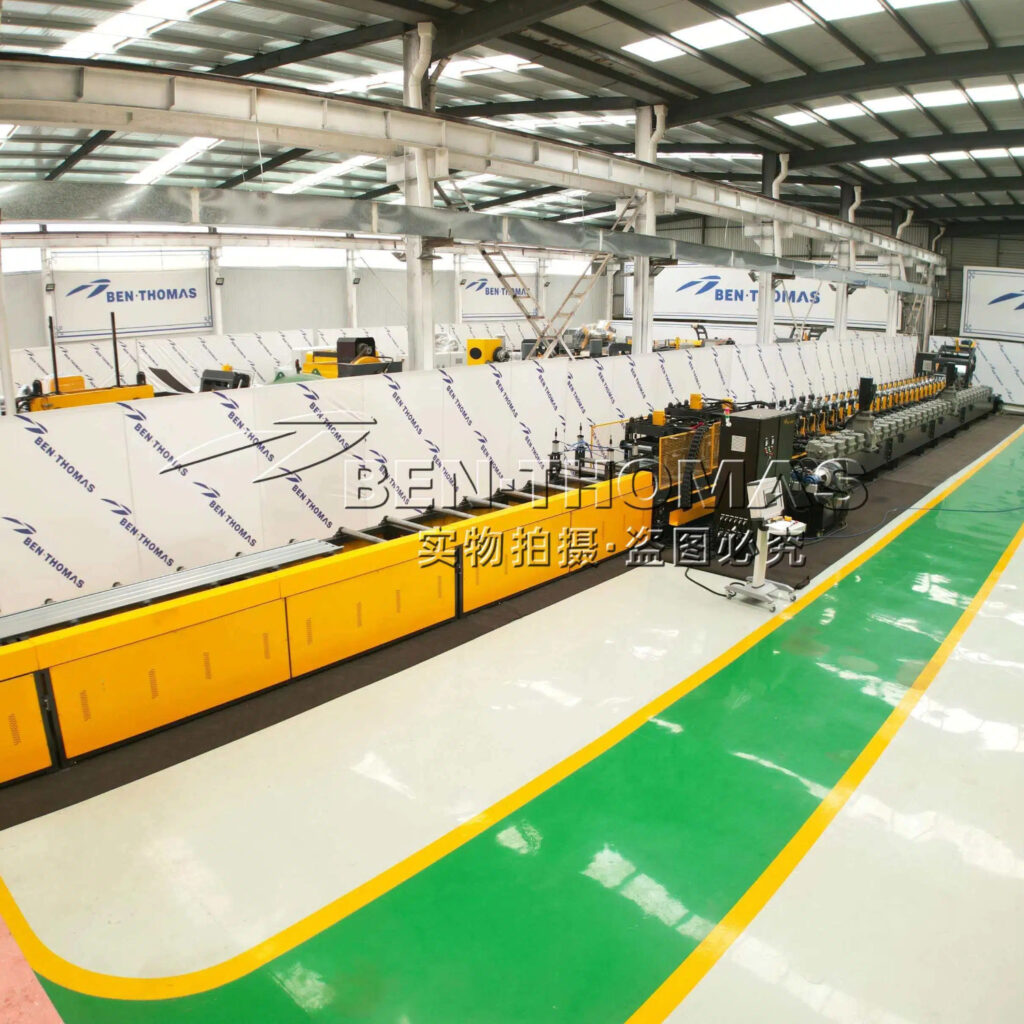
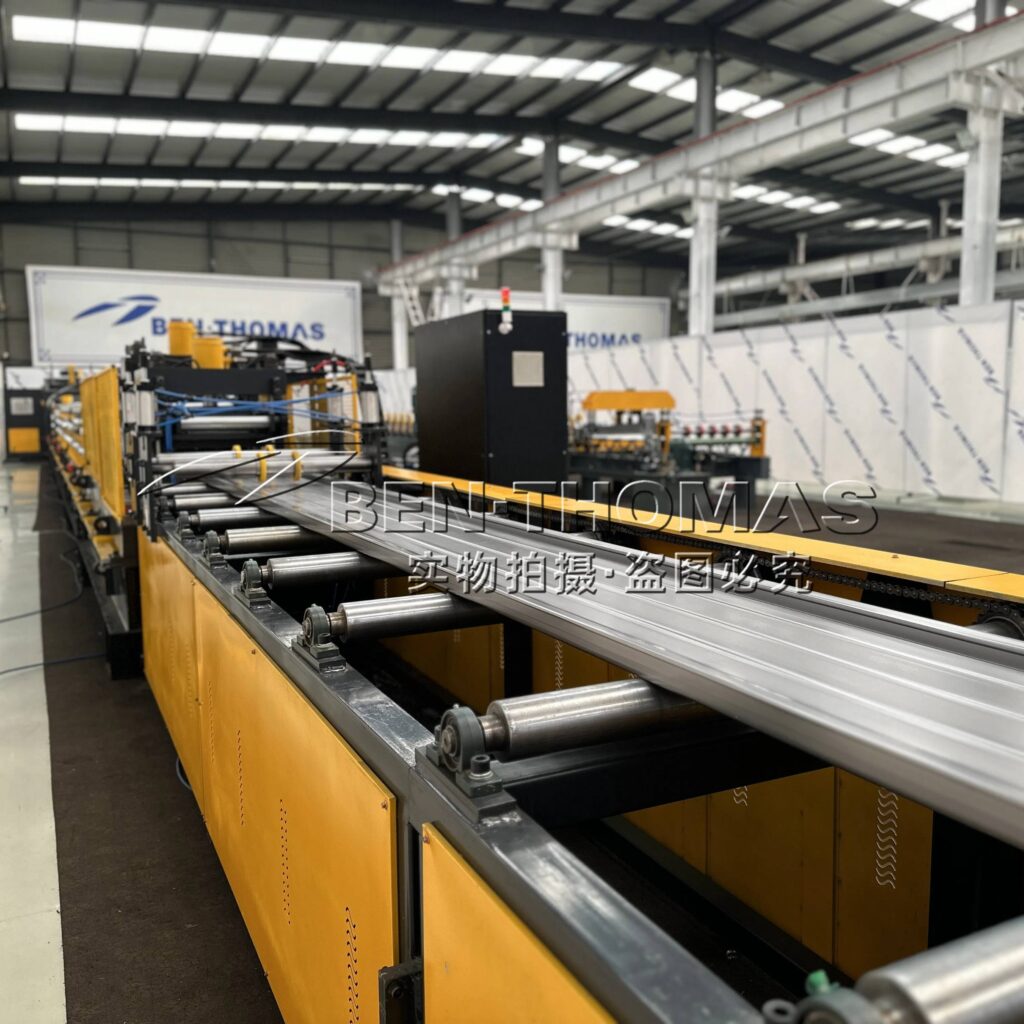
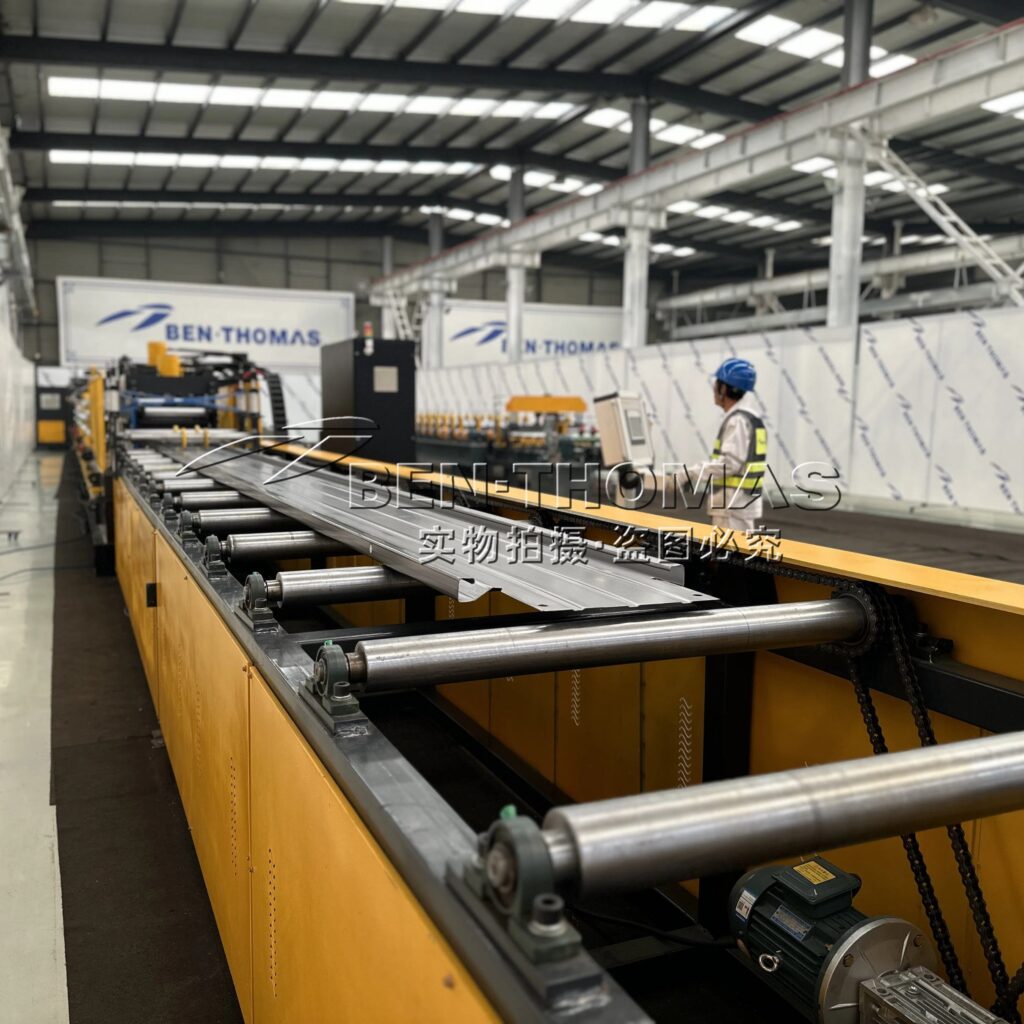
A complete ESP anode plate roll forming line consists of several integrated components working in seamless synchronization:
-
Heavy-Duty Hydraulic Uncoiler: The process begins with a robust uncoiler capable of supporting steel coils weighing up to 15–20 tons. Equipped with hydraulic expansion mandrels and a braking system, it ensures controlled, consistent feeding of the strip into the line. A loop control system (often a looping pit or dancer arm) regulates tension to prevent material stretching or deformation.
-
Servo-Driven Punching & Notching Unit: Before forming, the flat strip passes through a high-precision punching unit. This station performs critical operations such as creating suspension holes (for hanging the plate in the ESP casing), alignment notches, and stiffening rib perforations. The servo-driven design allows for programmable hole patterns with micron-level accuracy, ensuring that every plate is identical and ready for field installation.
-
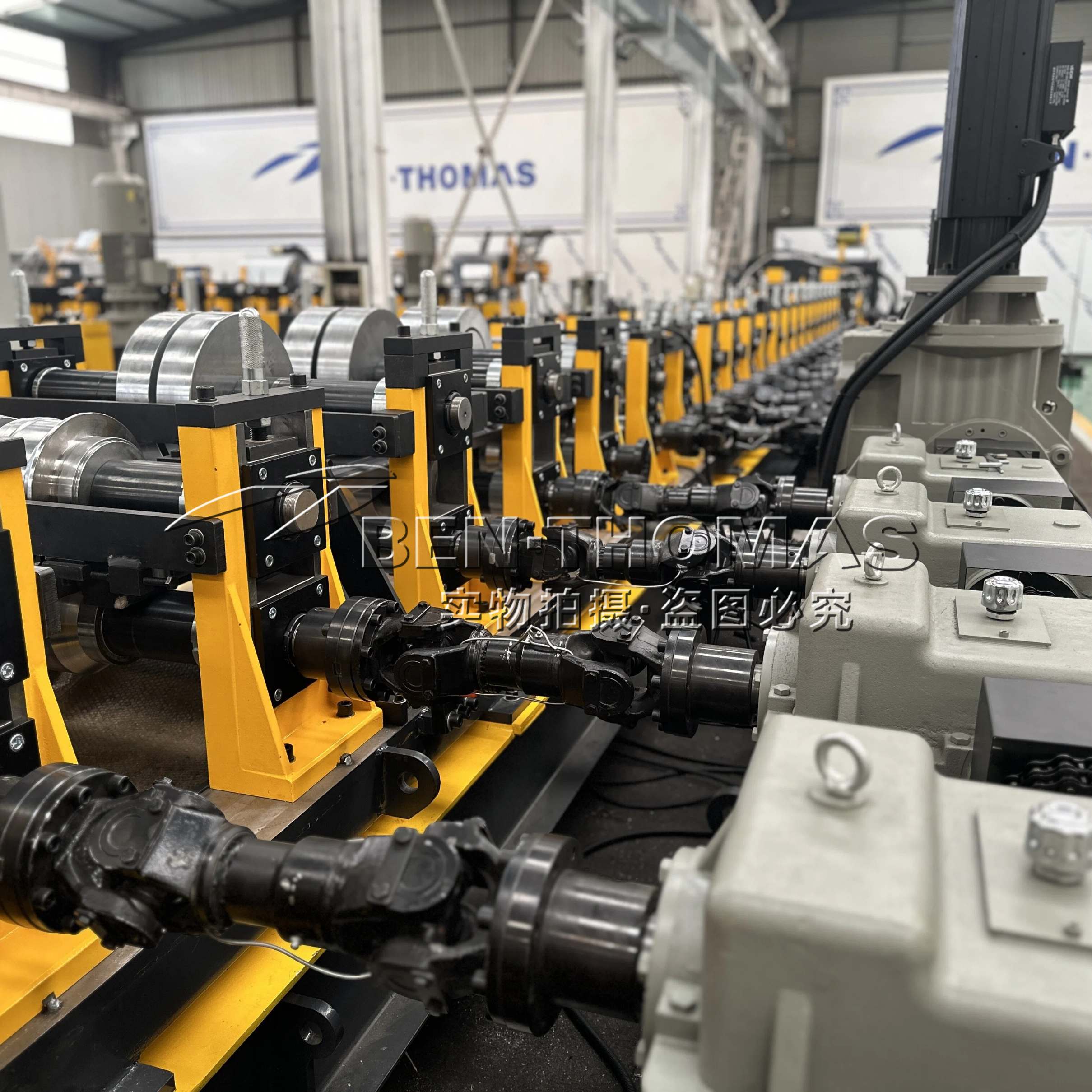
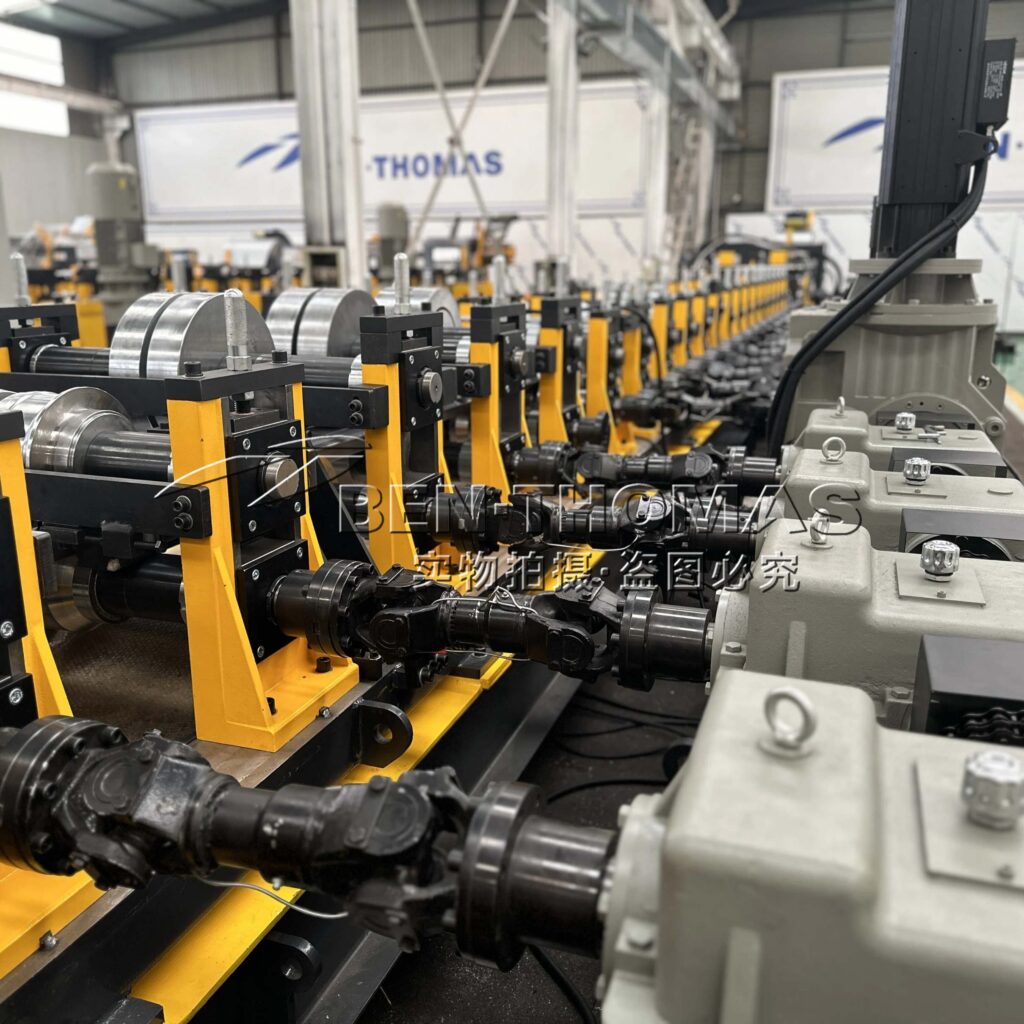
Main Roll Forming Machine: The core of the line consists of multiple progressive forming stands. Each stand contains precisely machined rollers that gradually bend the flat strip into the final anode plate profile. Common profiles include “C”-shaped channels, corrugated waves, or proprietary ESP-specific geometries. The rollers are typically crafted from high-grade bearing steel (e.g., GCr15) and heat-treated for wear resistance, enabling continuous production at speeds of 10–20 meters per minute or higher.
-
Flying Cut-Off Press: After forming, the continuous profile is cut to precise lengths using a flying cut-off press. This hydraulic or servo-driven unit moves synchronously with the moving strip, allowing for uninterrupted high-speed operation. Cutting tolerances are typically maintained within ±1.0mm to ensure consistent plate dimensions.
-
Optional Automatic Stacker: To streamline downstream handling, an automatic stacker can be integrated. This system receives finished plates, counts them, and arranges them into neat bundles. Some advanced stackers include magnetic separators to prevent surface scratching—a critical feature since anode plates require smooth surfaces for optimal electrostatic performance.
Performance Parameters at a Glance
-
Material Thickness: 1.0mm – 2.5mm (typically galvanized or stainless steel)
-
Plate Width: 300mm – 800mm (depending on ESP design)
-
Line Speed: 8 – 25 m/min (standard), with high-speed variants reaching 40 m/min
-
Cutting Tolerance: ±0.5mm to ±1.5mm
-
Profile Depth: 20mm – 60mm (varies by electrostatic field requirements)
By combining these components into a synchronized production line, manufacturers can achieve continuous, high-volume output of anode plates with consistent geometry—essential for maintaining uniform corona discharge and collection efficiency in electrostatic precipitators.
Contact: Elise
Tel:+86-155 3281 7581
Email: elise@tgrfm.cn