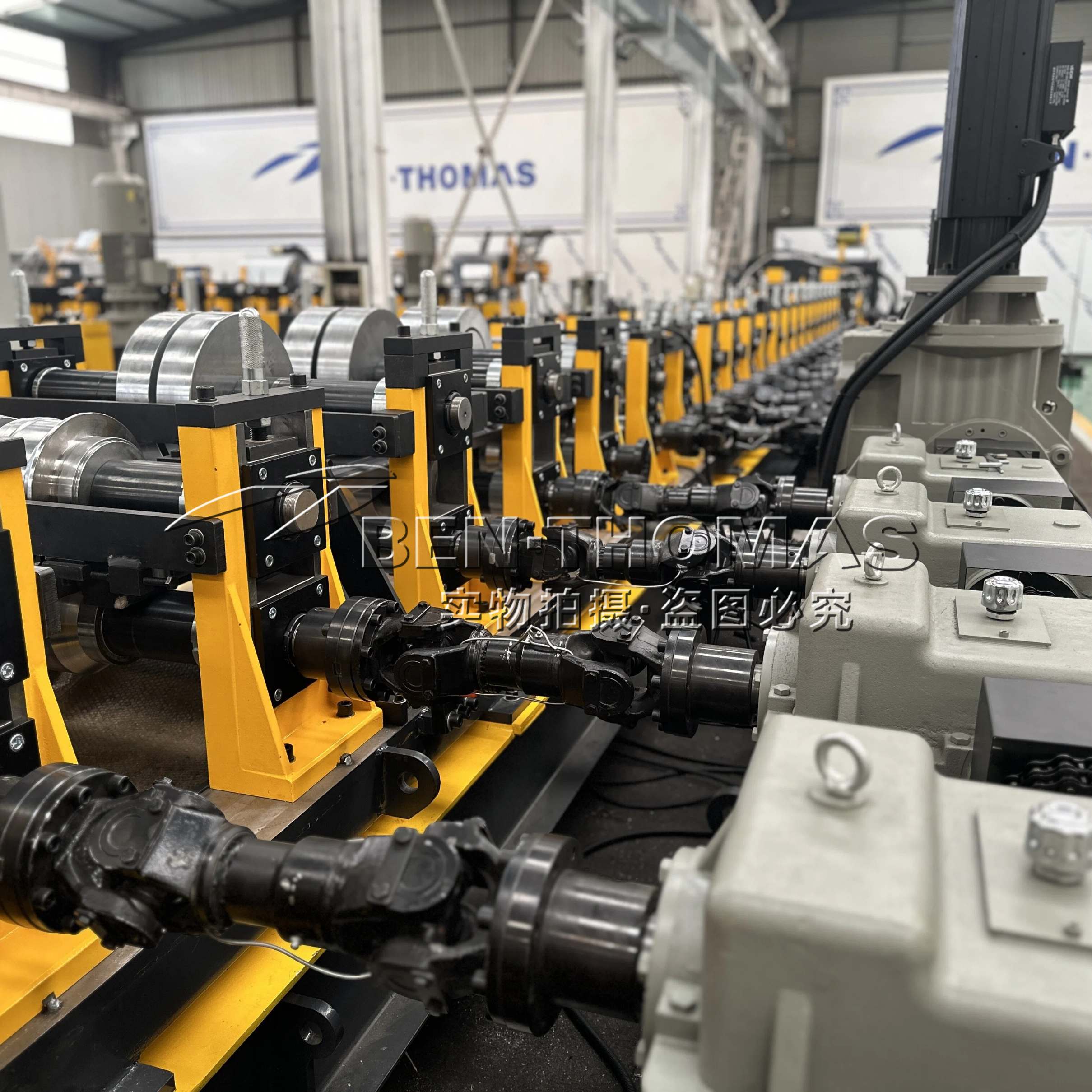
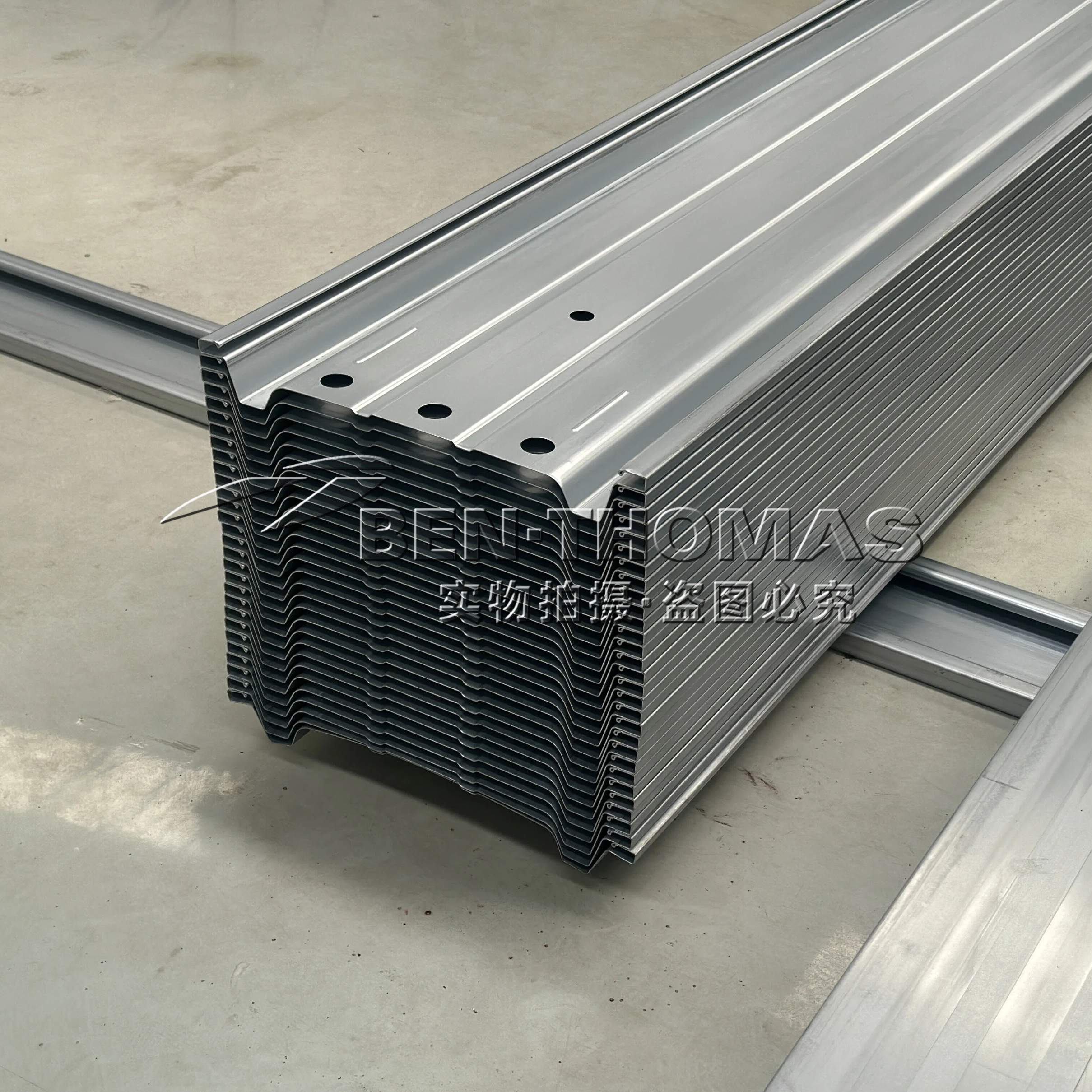
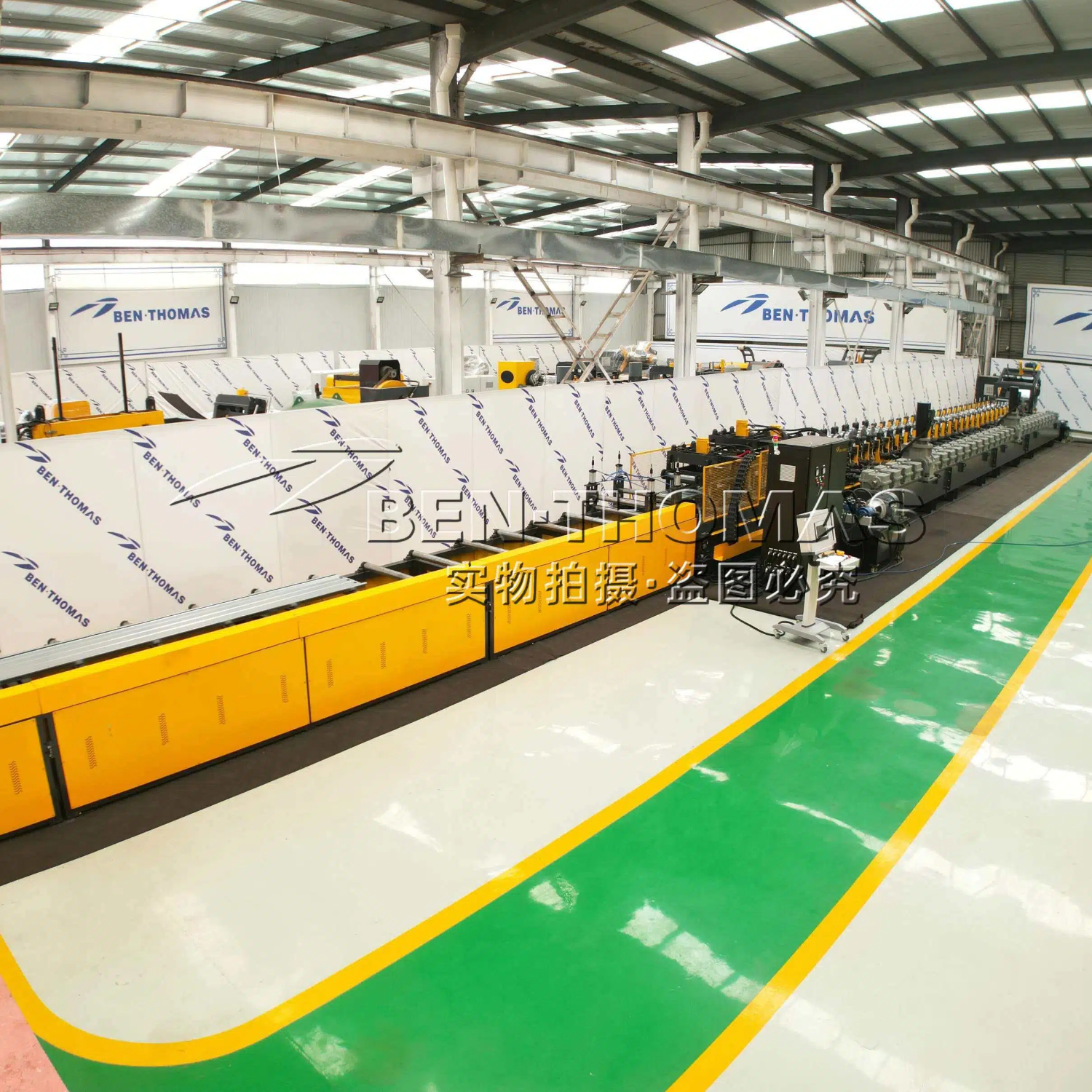
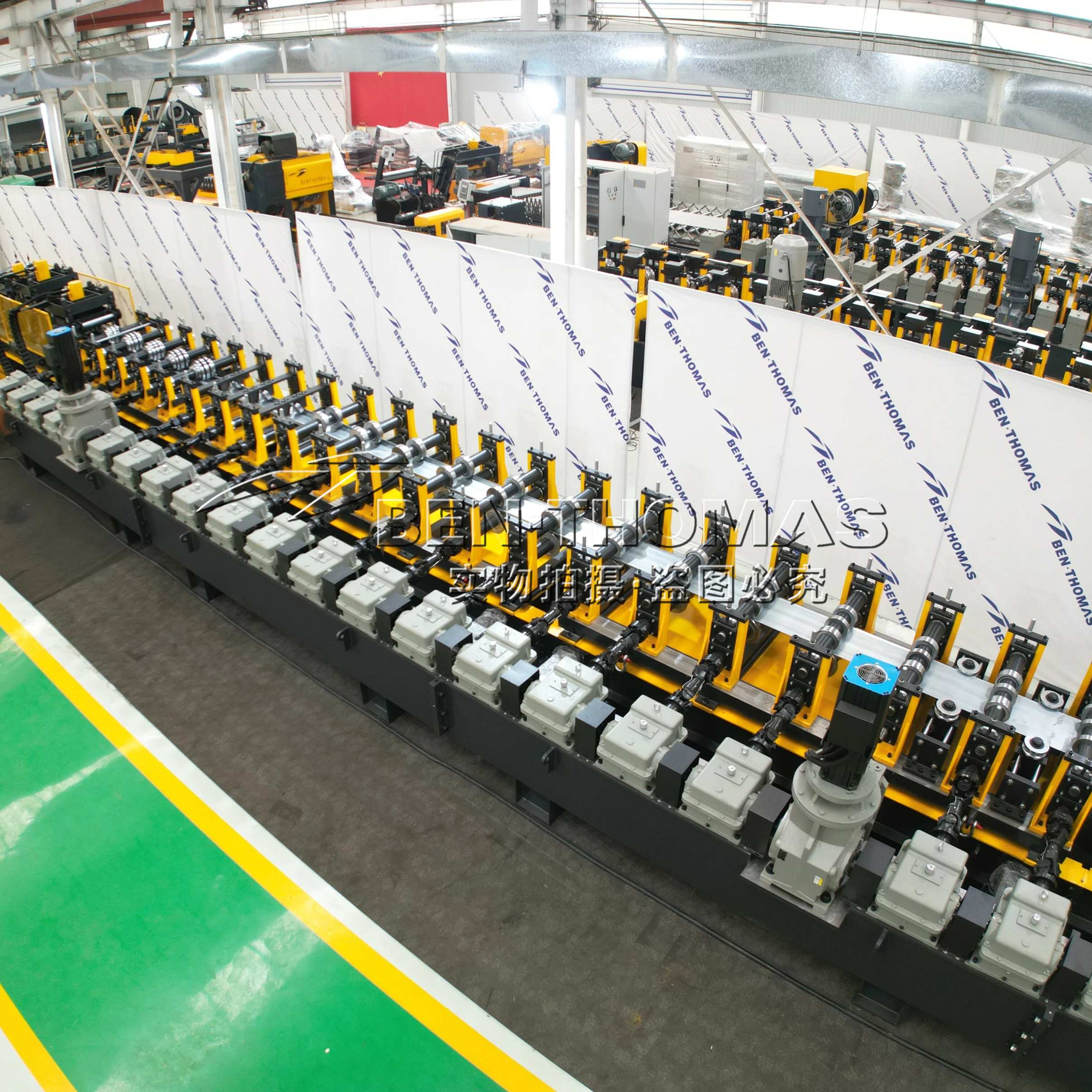
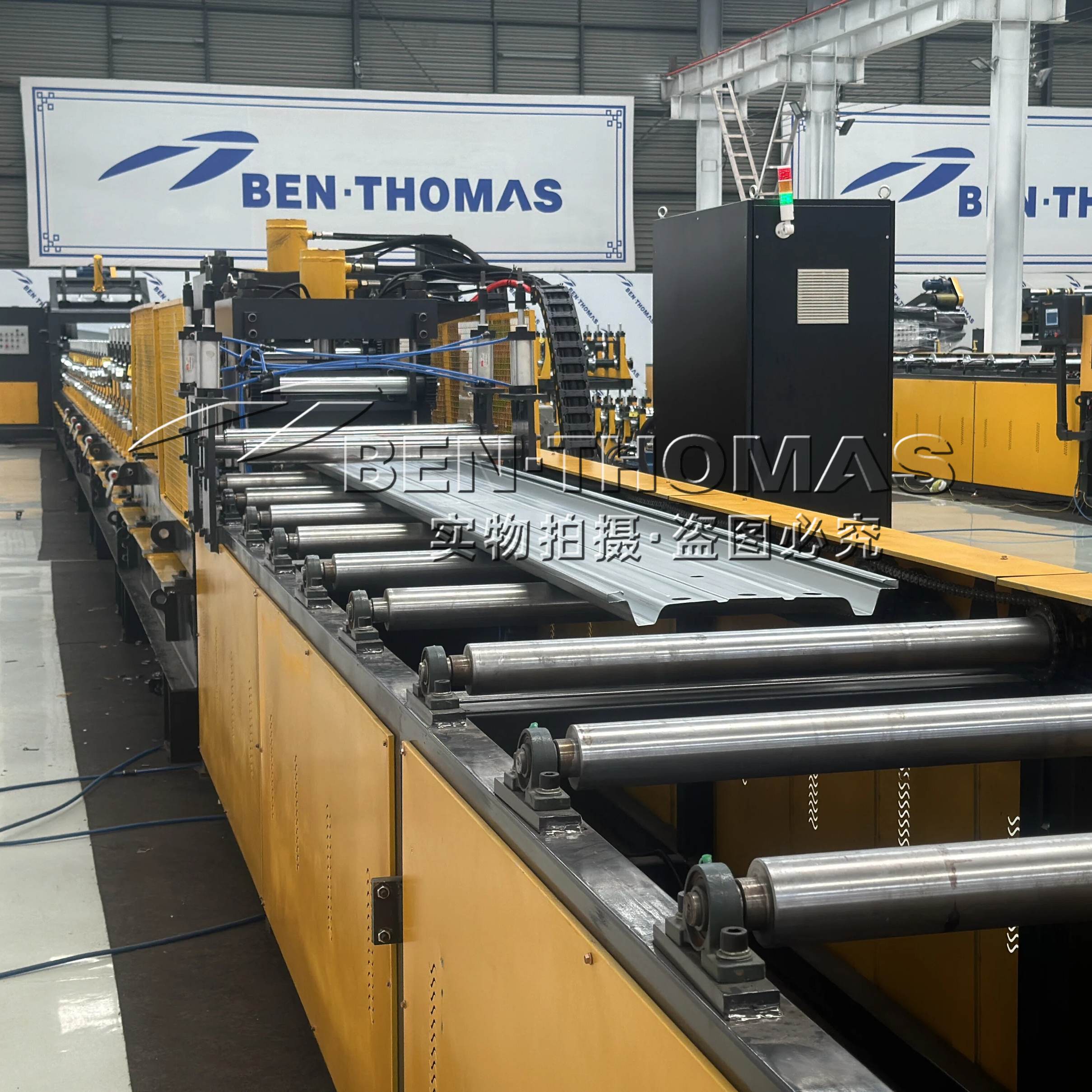
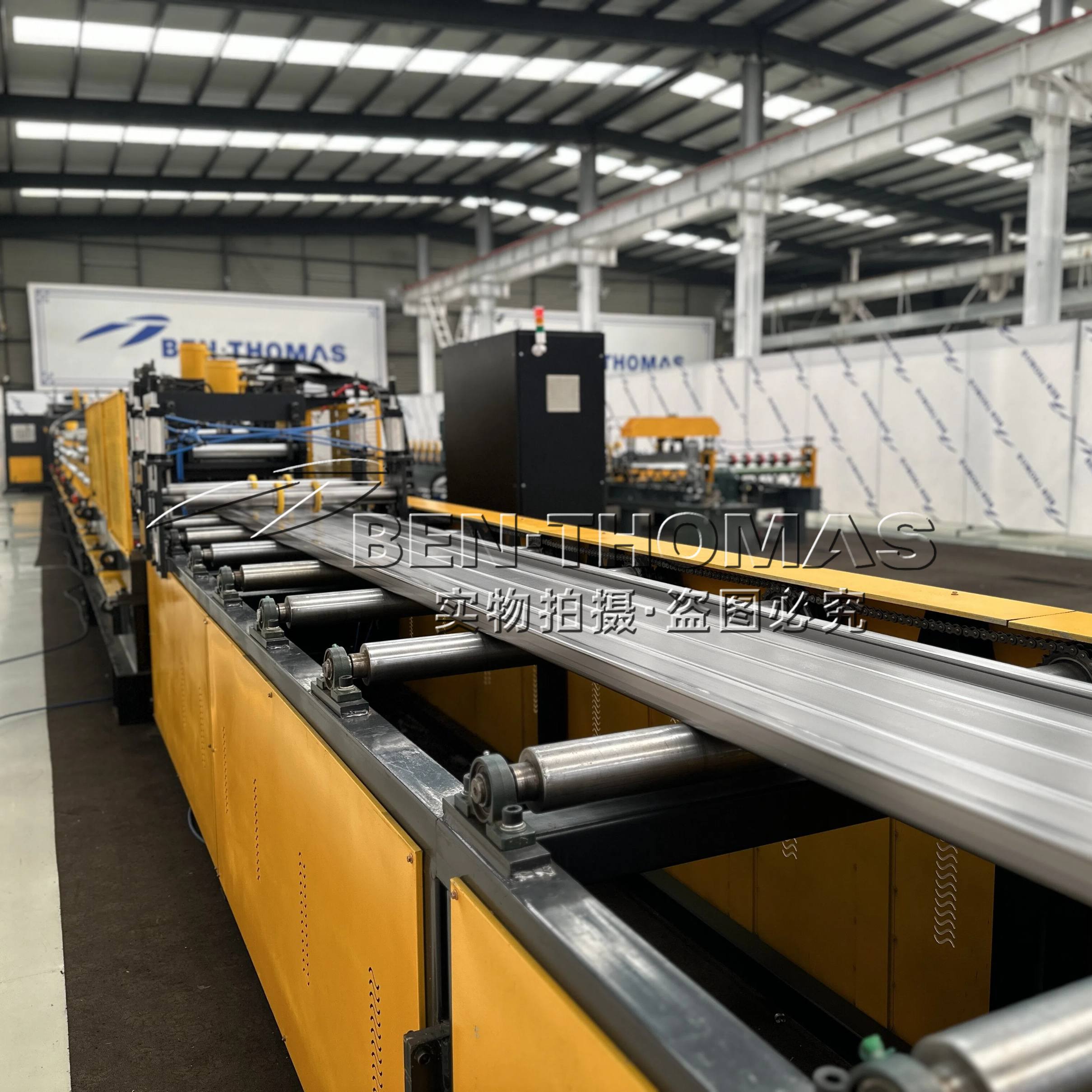
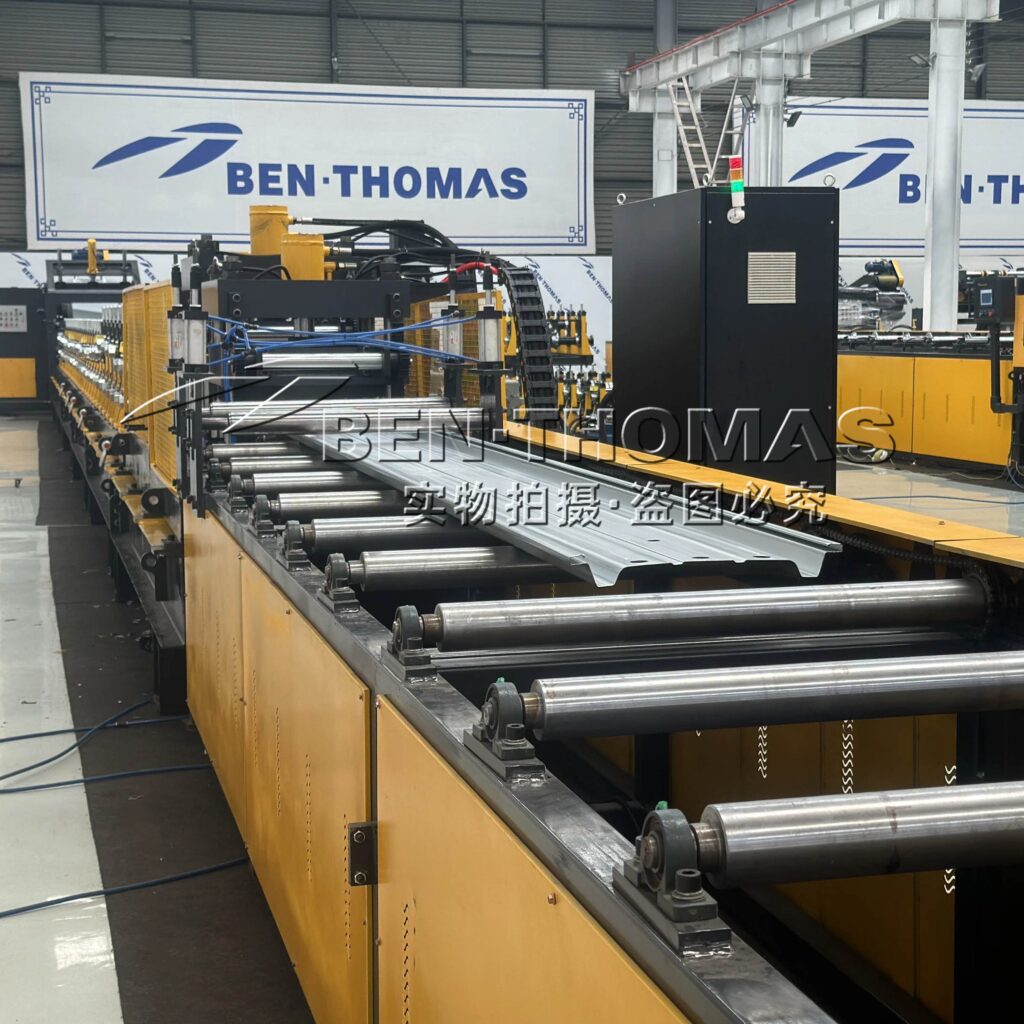
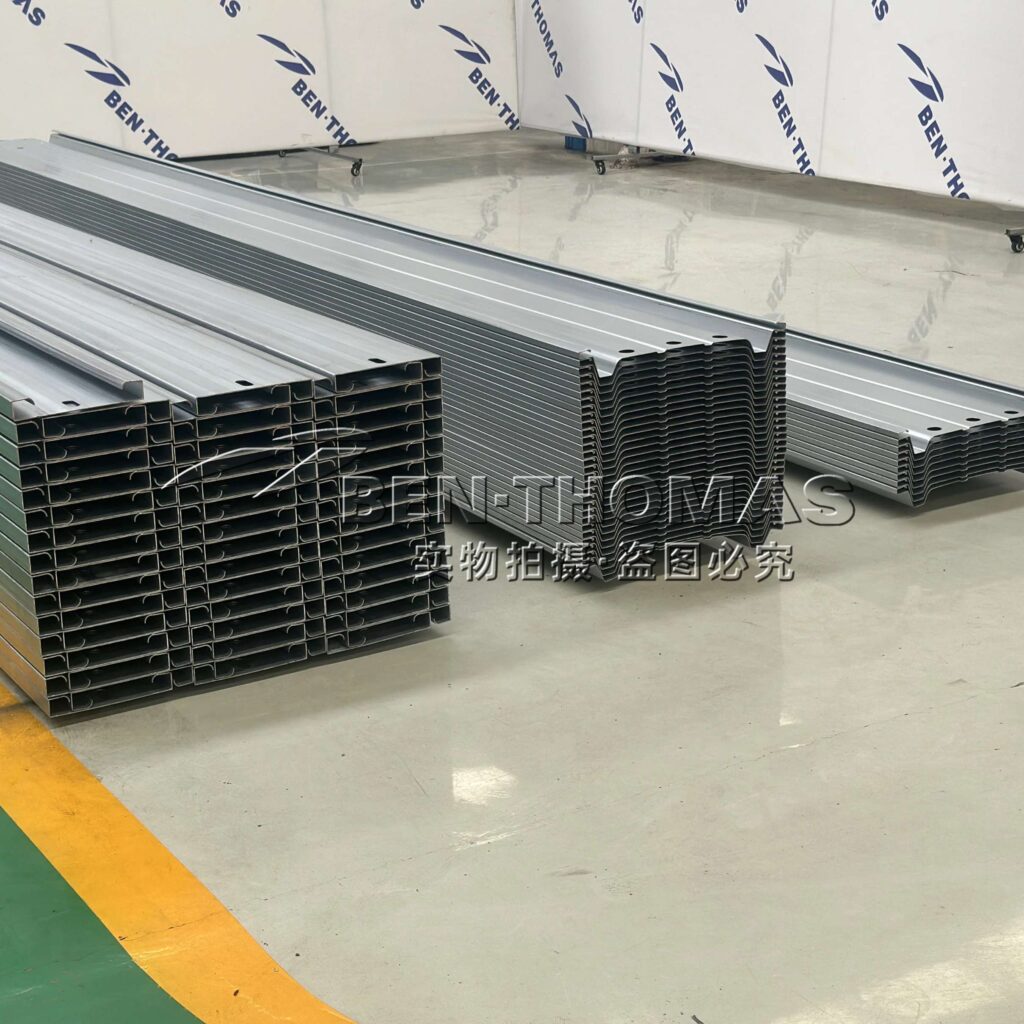
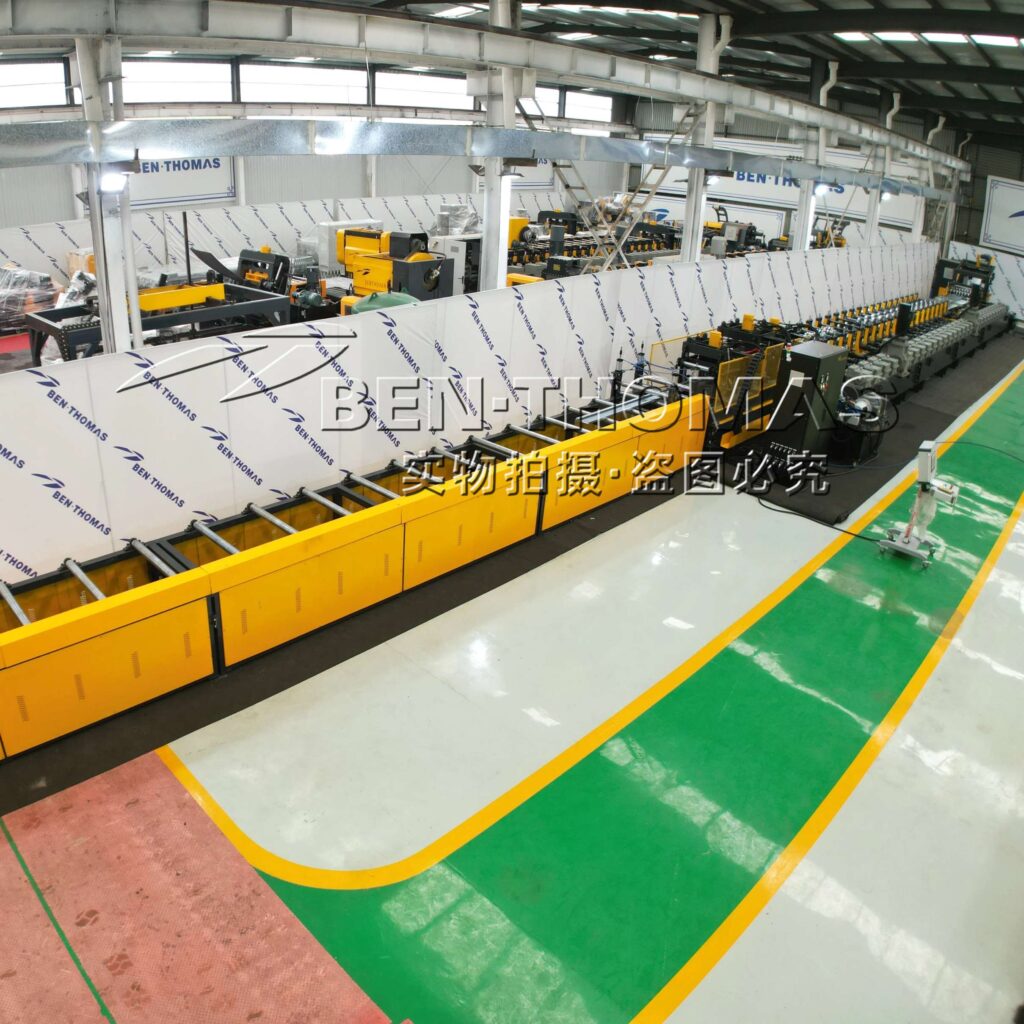
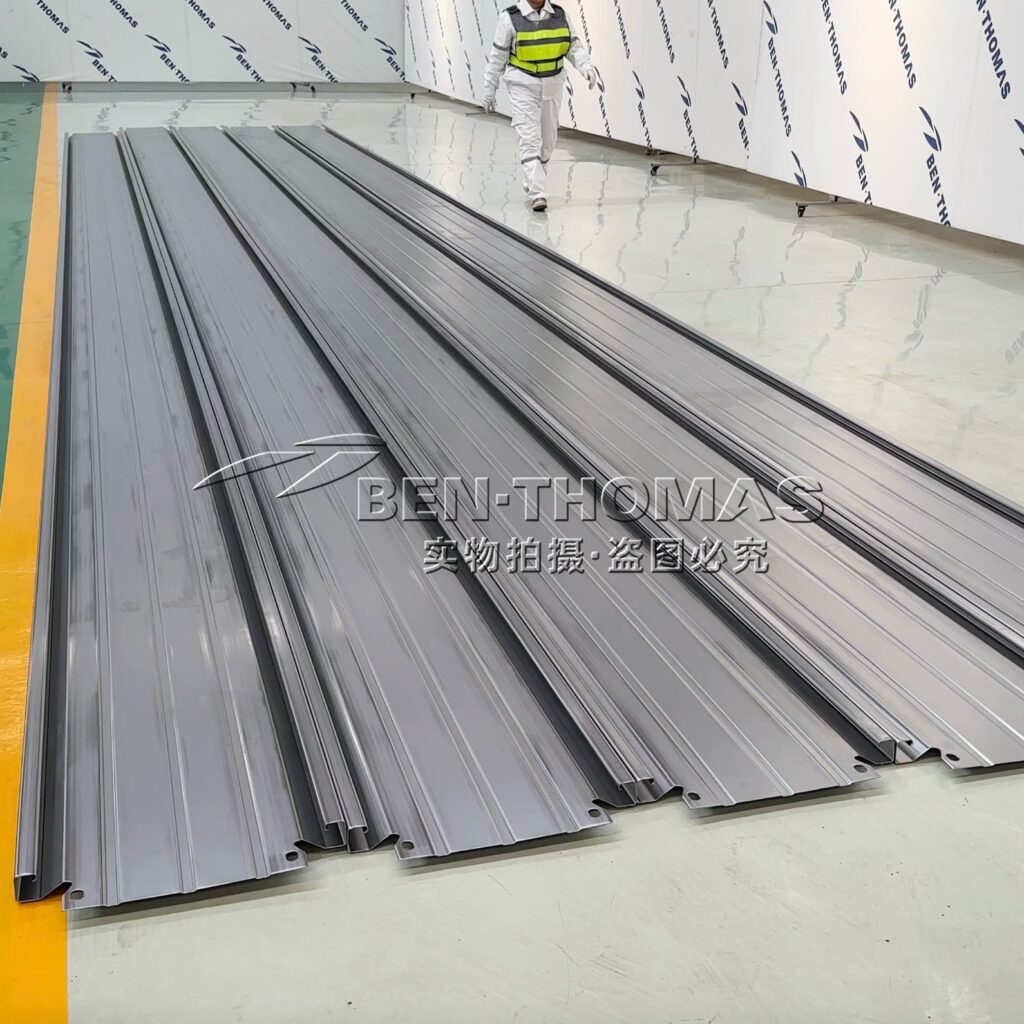
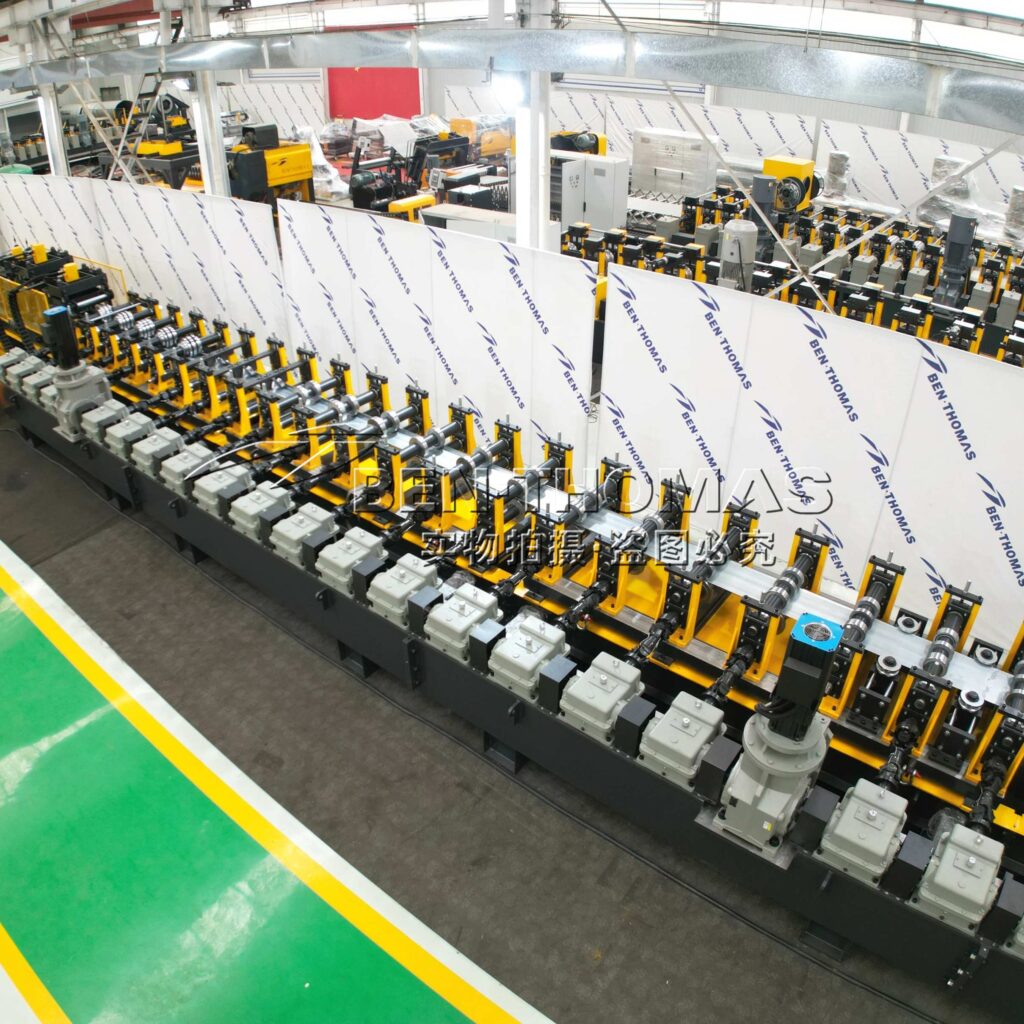
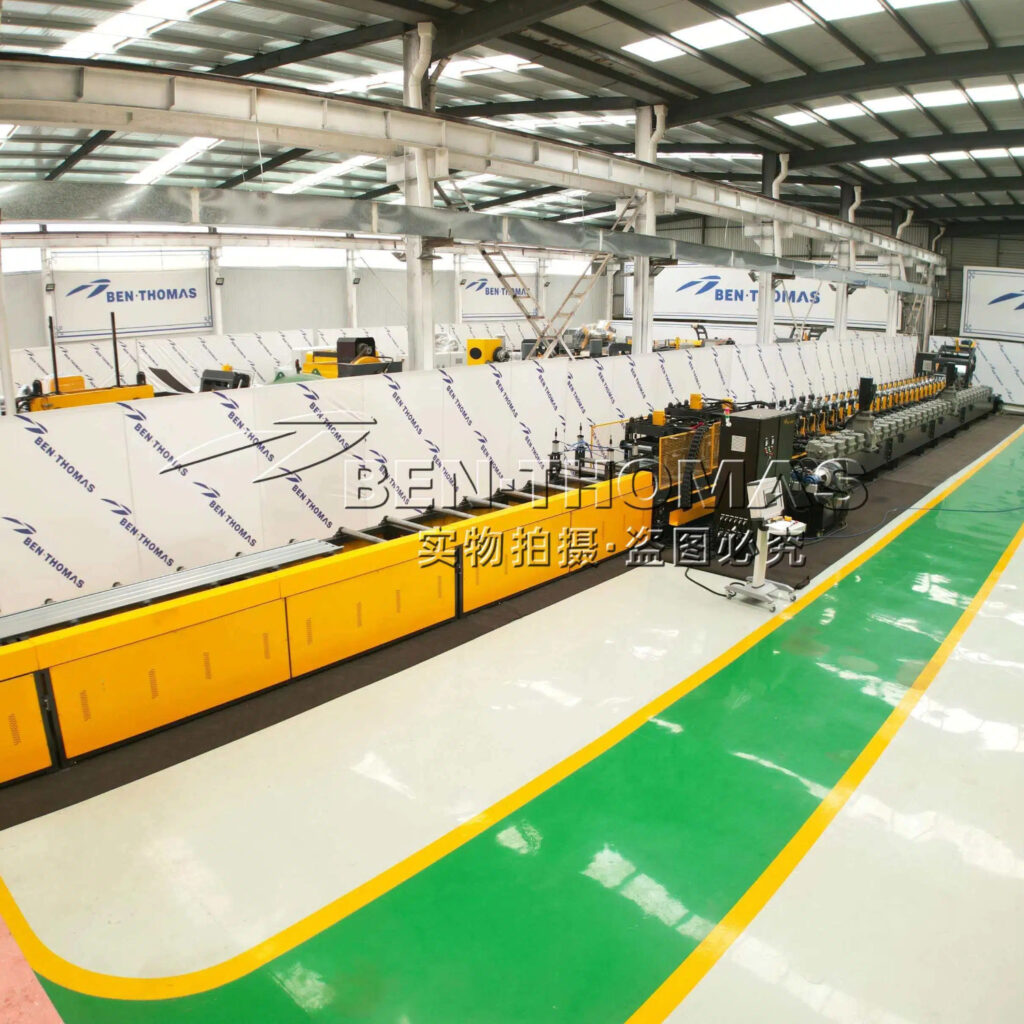
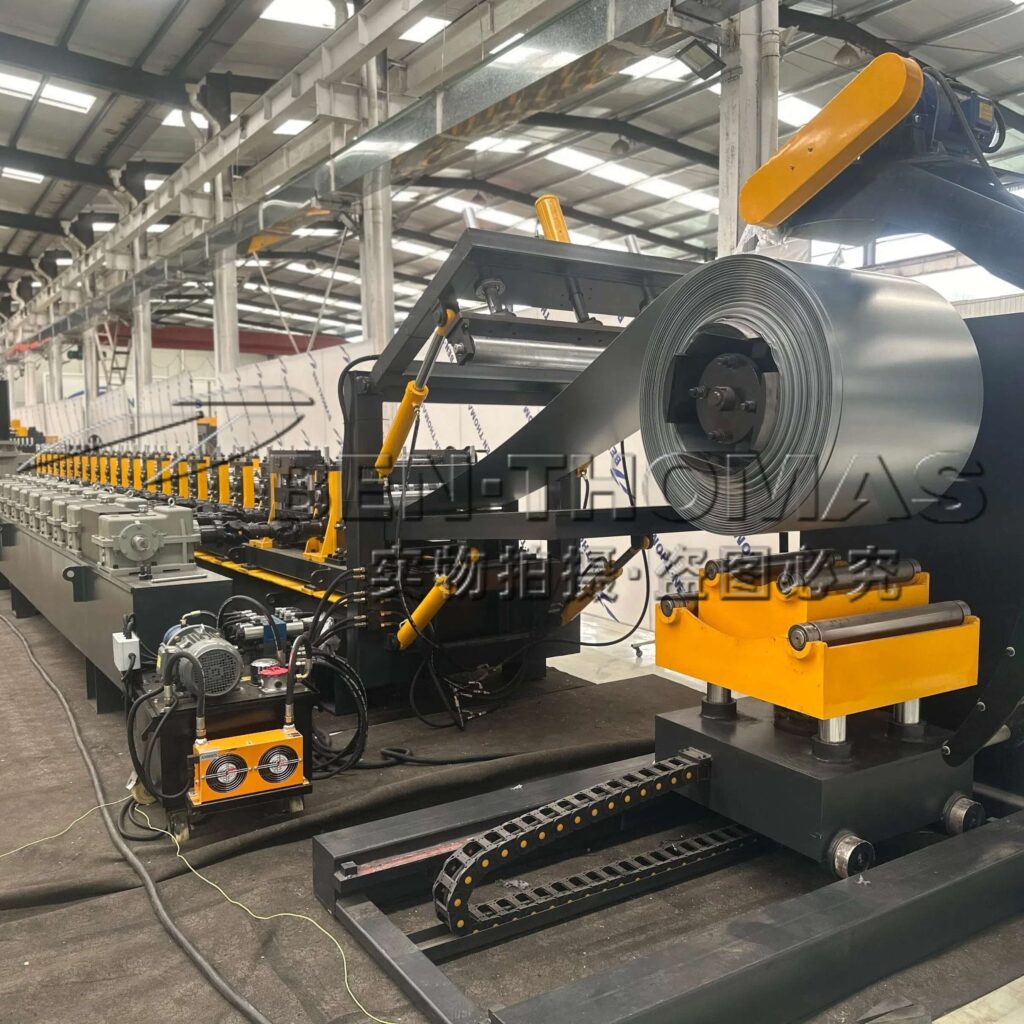
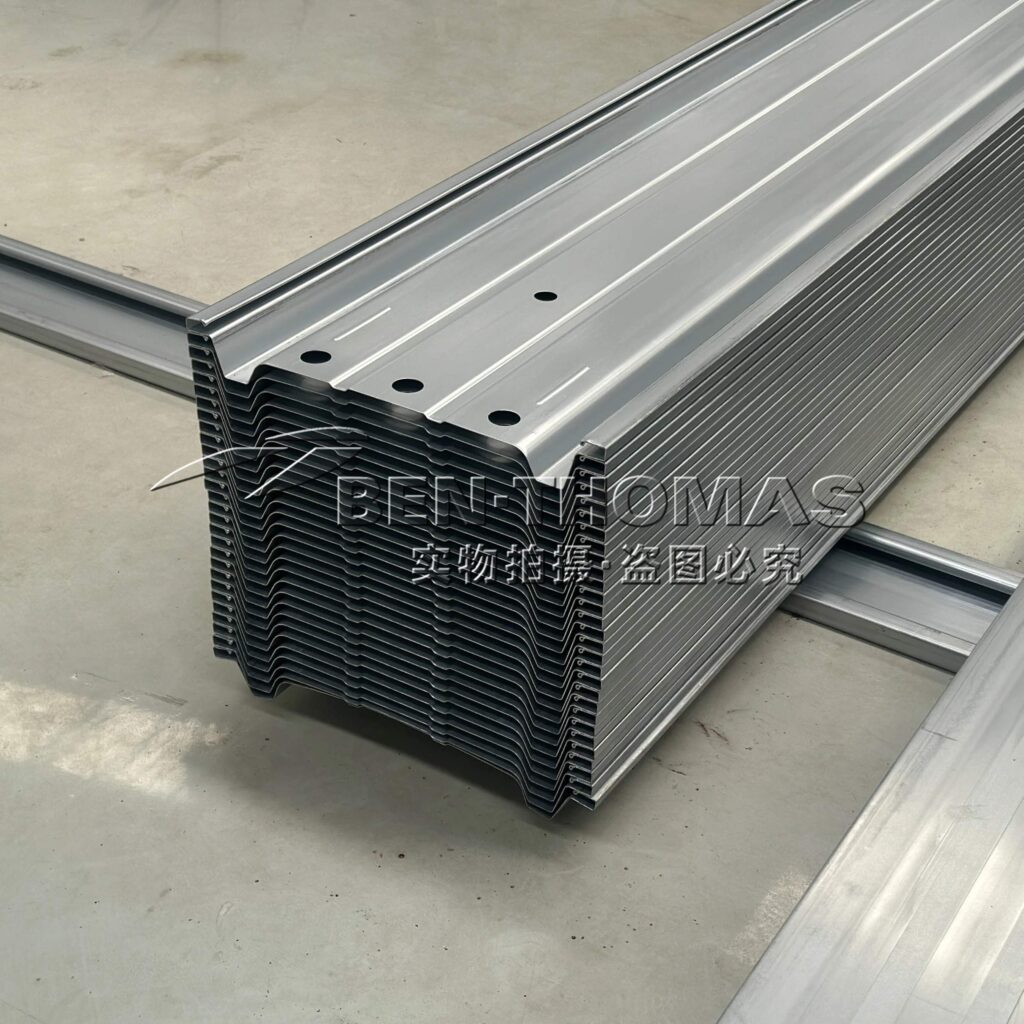
In the manufacturing of electrostatic precipitator components, production economics matter as much as technical capability. The Roll Forming Line for Collecting Electrode Plate is not merely a piece of equipment—it is a strategic investment that enables continuous, high-volume production of identical profiles with superior material efficiency and consistent quality. This article examines the economic case for adopting this technology.
Continuous Production vs. Batch Processing
Traditional fabrication methods—such as press braking or shearing followed by welding—are inherently intermittent. Each cycle requires stopping to load material, align workpieces, and unload finished parts. Roll forming, by contrast, is a continuous process:
-
Uninterrupted Flow: Once the coil is loaded, the line operates continuously, with the flying cut-off press severing finished plates without stopping the strip.
-
High Speed: Typical line speeds of 10–25 meters per minute translate to dozens of plates per hour, with high-speed variants achieving even greater throughput.
-
Minimal Labor: Automation reduces the need for manual handling, allowing a single operator to oversee production that might otherwise require a team of fabricators.
Material Efficiency & Reduced Scrap
Material cost is a significant factor in anode plate manufacturing. Roll forming offers inherent material efficiency advantages:
-
Nestable Punching: The servo-driven punching unit can be programmed to minimize waste between plates, optimizing material utilization.
-
Coil-to-Finished Product: The line processes material directly from coil to finished plate, eliminating intermediate handling steps that can damage or waste material.
-
Tight Tolerances: Precision forming and cutting reduce the need for secondary trimming or rework, further reducing scrap rates.
Consistency & Rework Reduction
In ESP applications, inconsistency can be costly. Anode plates that deviate from specifications may:
-
Fail to fit properly in the ESP casing, requiring field modifications
-
Create uneven electrostatic fields, reducing collection efficiency
-
Require premature replacement, increasing warranty and service costs
A roll forming line produces identical plates repeatedly. This consistency minimizes rework, simplifies field installation, and enhances the reputation of the manufacturer as a reliable supplier.
Total Cost of Ownership (TCO) Considerations
When evaluating an ESP anode plate roll forming machine, manufacturers should consider:
Scalability & Future-Proofing
A roll forming line is inherently scalable. Manufacturers can:
-
Add additional punching stations or pre-forming modules to handle more complex profiles
-
Upgrade control systems to incorporate newer automation technologies
-
Expand stacking and packaging systems to increase output without replacing the core machine
This scalability allows manufacturers to start with a line tailored to current demand and expand capabilities as market opportunities grow.
Market Positioning
For manufacturers supplying ESP components to power plants, cement plants, and other heavy industries, the ability to produce high-quality anode plates efficiently is a distinct competitive advantage. Key market benefits include:
-
Shorter Lead Times: Continuous production enables faster order fulfillment
-
Competitive Pricing: Lower per-unit costs allow for aggressive pricing while maintaining margins
-
Quality Reputation: Consistent, precision-manufactured plates build trust with customers
Conclusion
The ESP anode plate roll forming machine represents a capital investment that delivers returns through operational efficiency, material savings, and quality consistency. For manufacturers committed to serving the emissions control market, this technology enables the continuous, mass production of high-precision collecting plates—meeting the demands of industrial customers while maintaining profitability.
Contact: Elise
Tel:+86-155 3281 7581
Email: elise@tgrfm.cn