
Cable Tray Production Line
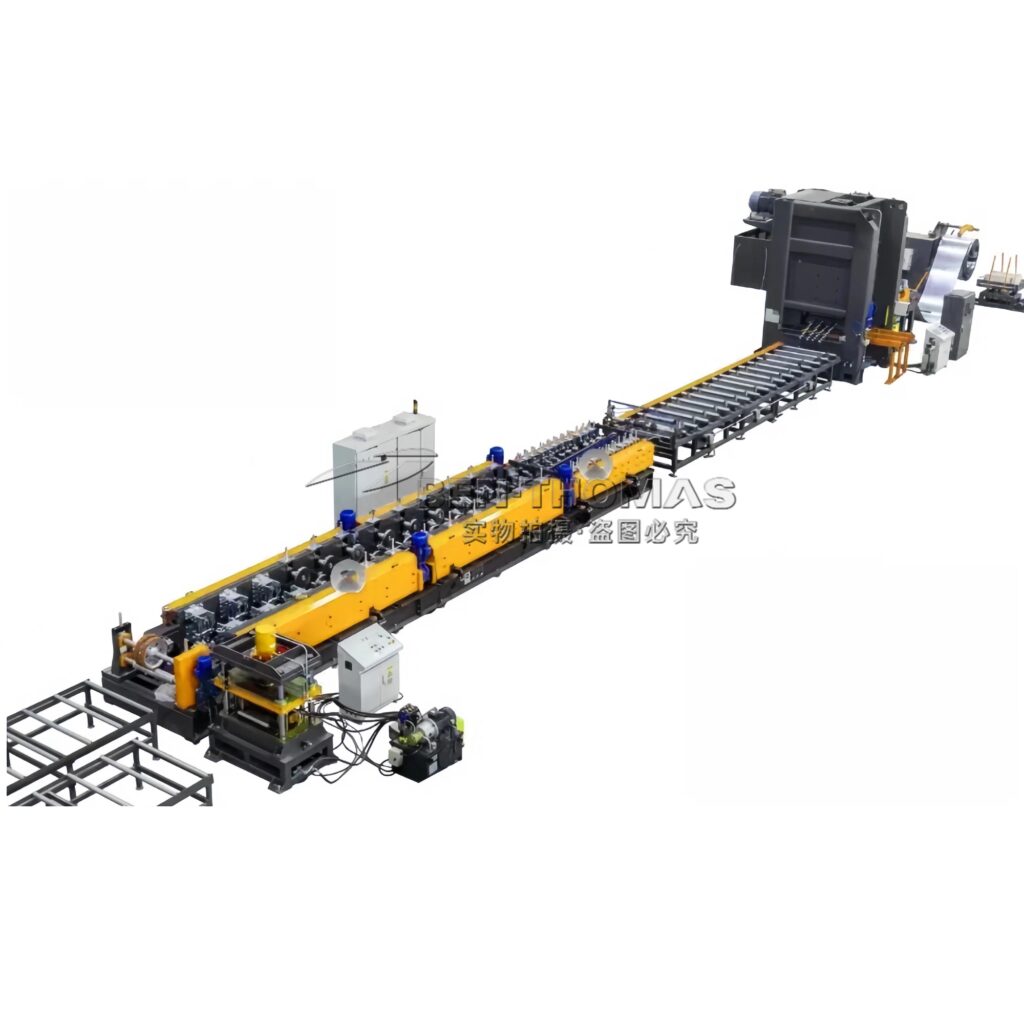
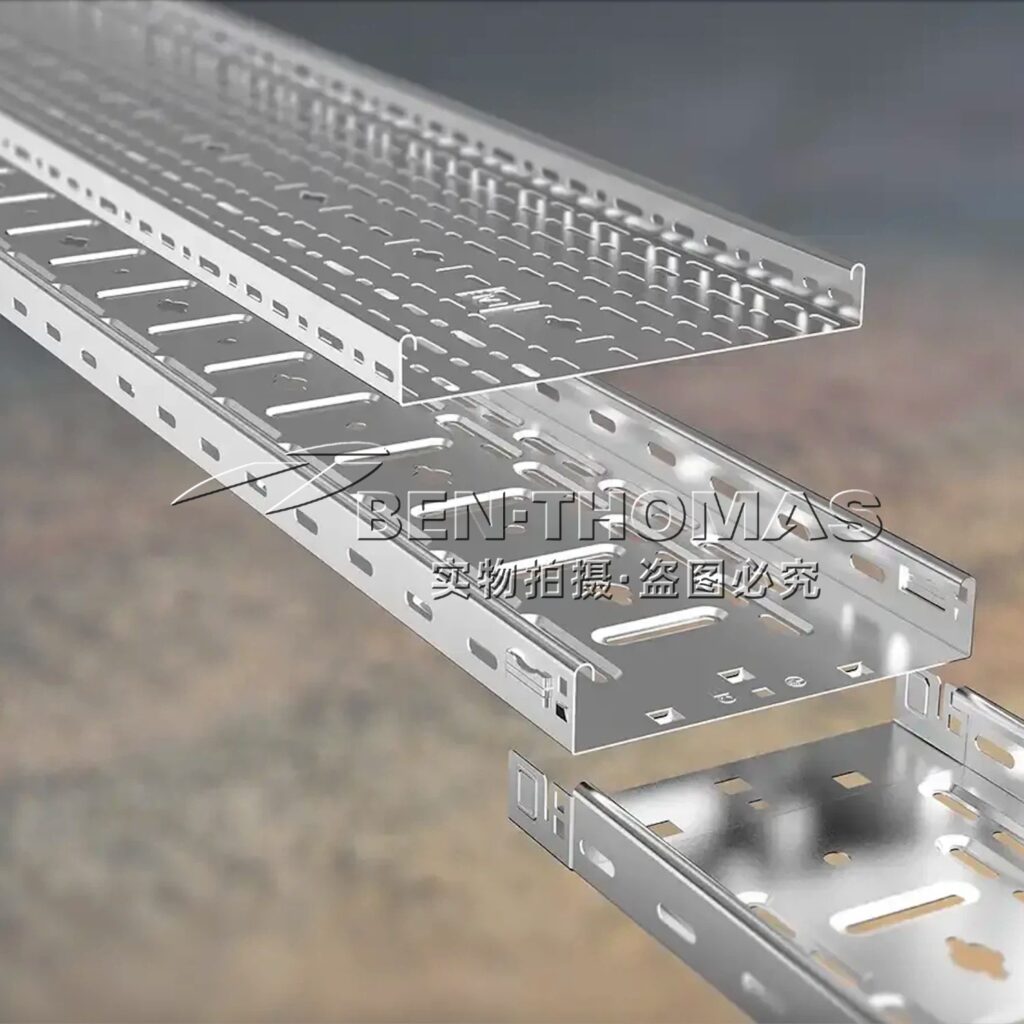
Cable Tray Roll Forming Machine: High-speed, automated production line with decoiler, press punching, pre-cutting & auto stacker—produces precise cable trays/ladders for power tunnels & buildings.
Contact: Elise
Tel:+86-155 3281 7581
Email: elise@tgrfm.cn
Tel:+86-155 3281 7581
Email: elise@tgrfm.cn
Category: Cable tray production line
Description
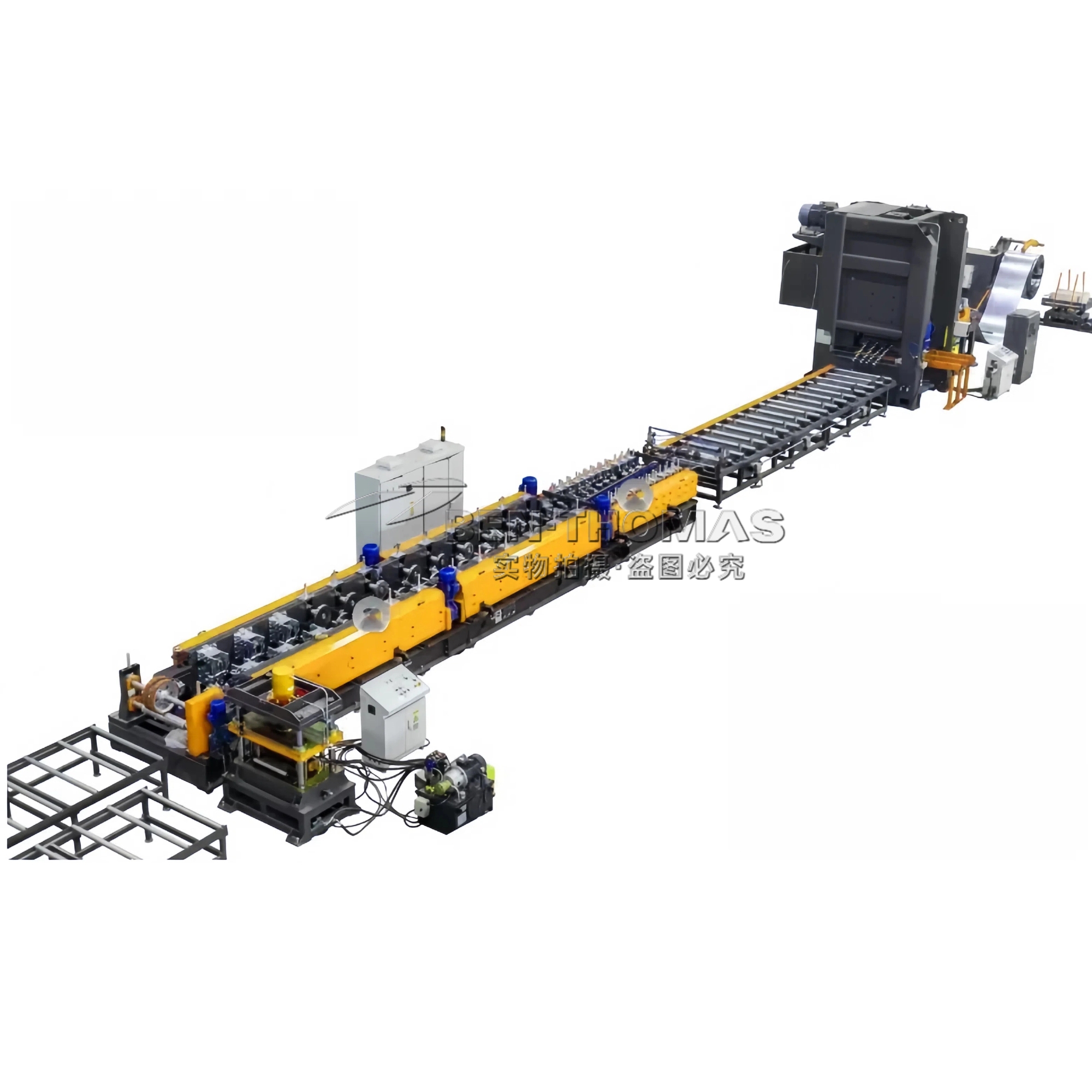
If you’ve ever wondered how the metal cable trays and ladders that organize cables in buildings, power tunnels, and cable trenches are made with such precision and consistency, the answer lies in the Cable Tray Production Line. This advanced manufacturing system relies on five key components working together to transform raw metal coils into finished cable management products—and understanding how each component functions is key to appreciating its efficiency and value in the industry. In this article, we’ll break down the machine’s core components, how they work in tandem, and the key performance features that make it a must-have for cable management manufacturers.
First, let’s clarify: a cable tray roll forming machine is a specialized production line designed to produce metal cable trays, cable ladders, and similar profiles through a continuous, automated cold roll forming process. These products are critical for organizing and protecting electrical cables, ensuring safe routing in indoor and outdoor settings. The machine’s design is optimized to meet the high-volume, high-quality demands of the cable management industry, and its core components are engineered to work seamlessly together to deliver consistent, custom products.
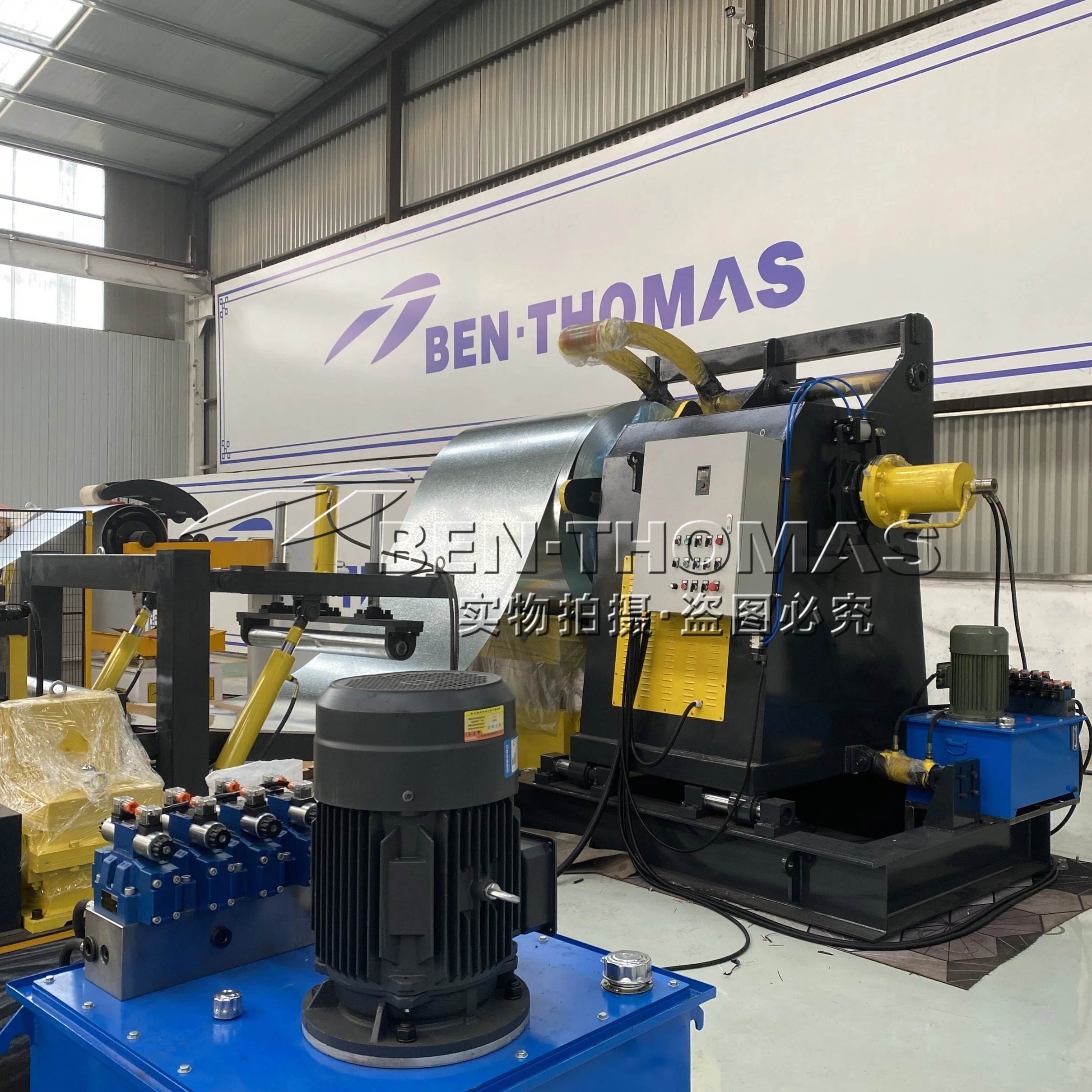
A high-quality cable tray roll forming machine is only as good as its components—and every part of this machine is designed for precision, durability, and efficiency. Let’s start with the first component: the decoiler. The decoiler is responsible for holding and uncoiling the raw material—large metal coils—so that the metal sheet can be fed into the rest of the production line. It features adjustable tension control to ensure the metal sheet is uncoiled smoothly, without wrinkles or damage. This is critical because any imperfection in the raw material will translate to flaws in the finished cable tray or ladder, which could compromise its structural integrity or functionality.
The decoiler’s heavy-duty design allows it to handle large, heavy coils with ease, ensuring a continuous feed that keeps the production line running without interruptions. This is especially important for high-volume production, where downtime can be costly. The adjustable tension control also ensures that the metal sheet is fed into the next component—the press punching unit—with perfect alignment, which is essential for precise hole punching.
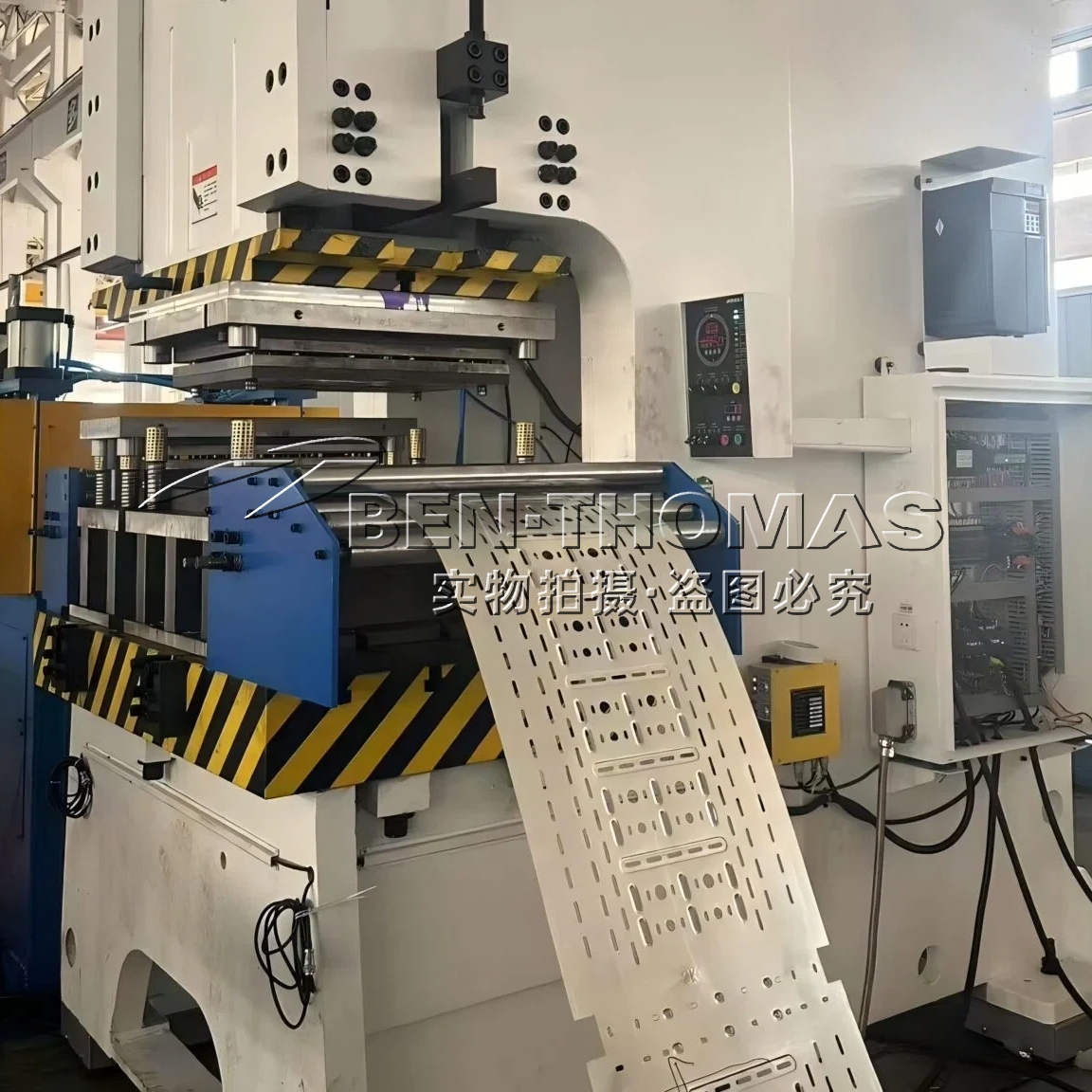
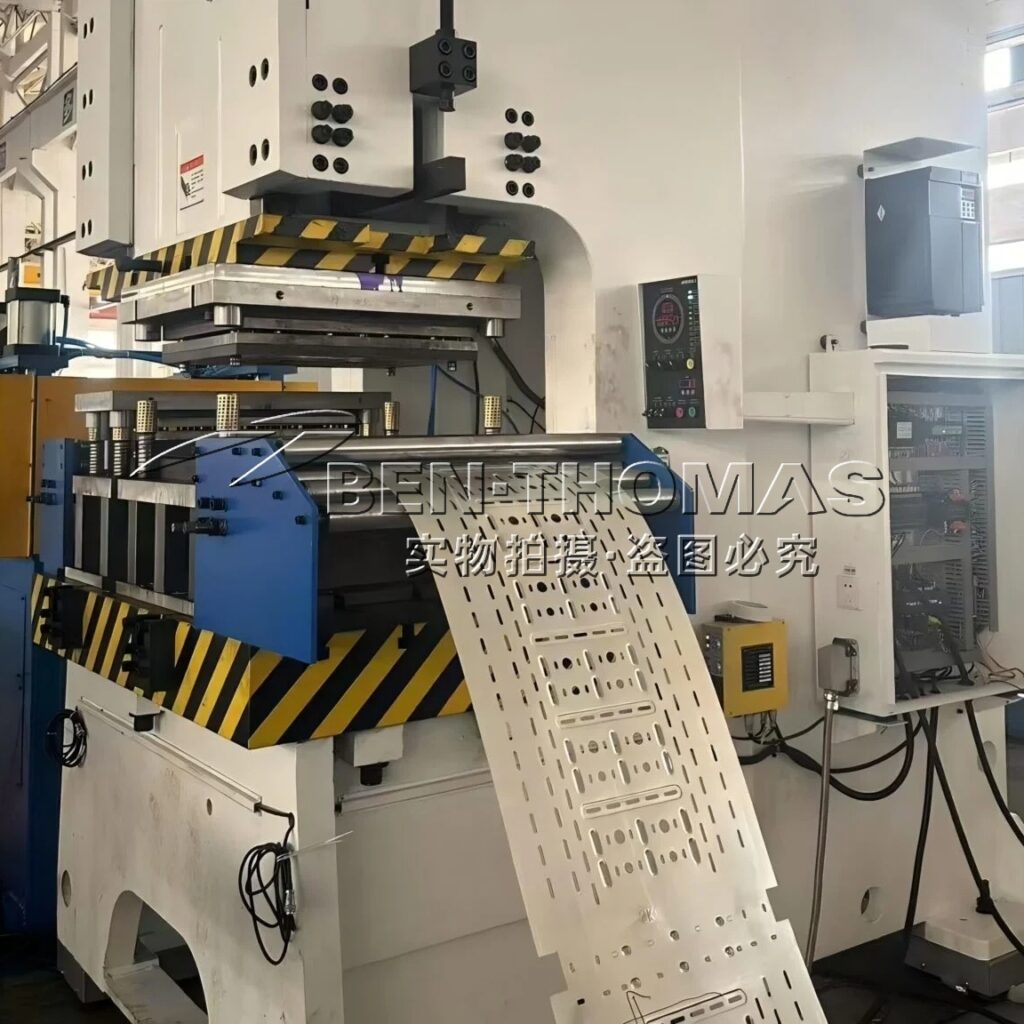
Next is the press punching unit, a vital component for creating functional cable management products. Cable trays and ladders require precise holes for mounting, cable ties, drainage, or other purposes, and the press punching unit delivers these holes based entirely on the client’s drawing specifications. This unit is equipped with high-quality punches and dies that create clean, burr-free holes, even in thicker metal sheets. The PLC controller controls the punching process, allowing operators to program custom hole positions, sizes, and spacing to match the exact design requirements of each project. This level of customization is essential for cable management products, which often need to fit specific installation scenarios.
Following the press punching unit is the pre-cutting system. This component trims the metal sheet to the approximate length before it enters the roll former, optimizing the shaping process. Pre-cutting ensures that the metal sheet is perfectly sized for the desired cable tray or ladder profile, reducing material waste and ensuring that the roll forming process is efficient and precise. The pre-cutting system operates at high speed, synchronized with the rest of the production line to maintain the machine’s overall high working speed.
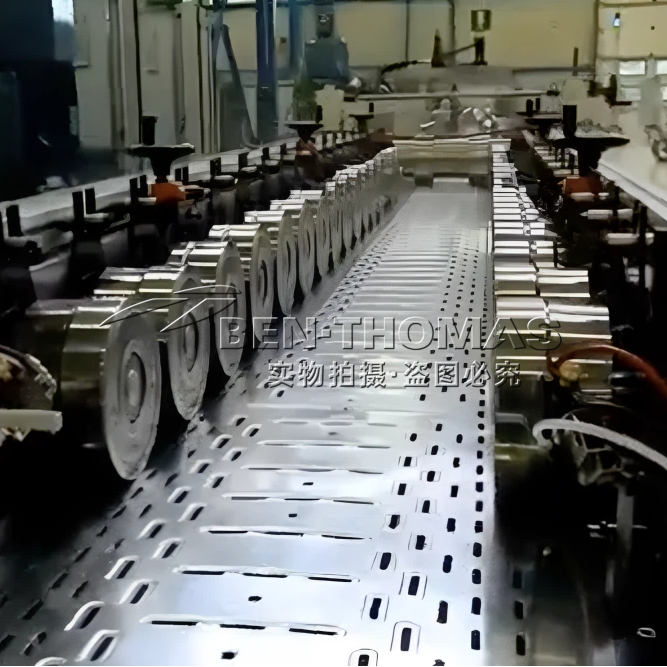
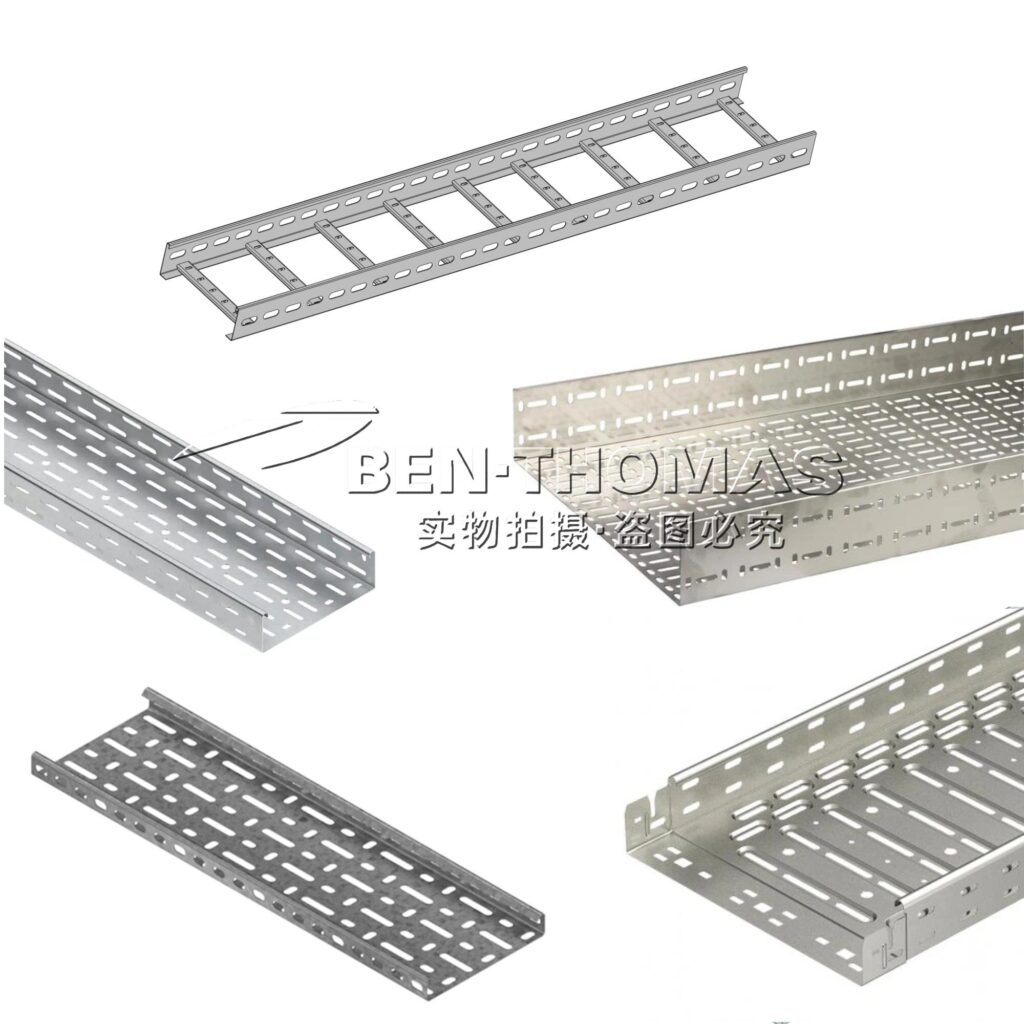
The roll former is the most critical component of the cable tray roll forming machine, as it shapes the pre-punched and pre-cut metal sheet into the final cable tray or cable ladder profile. This unit consists of a series of sequential, precision-engineered rollers, each designed to bend the metal sheet incrementally. As the metal sheet passes through the rollers, it gradually takes on the desired shape—whether a closed cable tray (ideal for protecting sensitive cables from dust and damage) or an open cable ladder (perfect for heavy cables that require ventilation). The incremental bending process prevents the metal from cracking or warping, ensuring the finished product has uniform dimensions, a smooth surface, and the structural strength needed to support multiple cables.
The roll former’s rollers are made of hardened steel, ensuring durability and long service life, even when processing metal sheets of varying thicknesses (typically up to 2.5mm for most cable management applications). The PLC controller monitors the roll forming process in real time, making adjustments to the roller pressure and speed to ensure consistent quality across every product. This precision is critical for cable trays and ladders, which must fit together seamlessly during installation and support the weight of cables without bending or breaking.
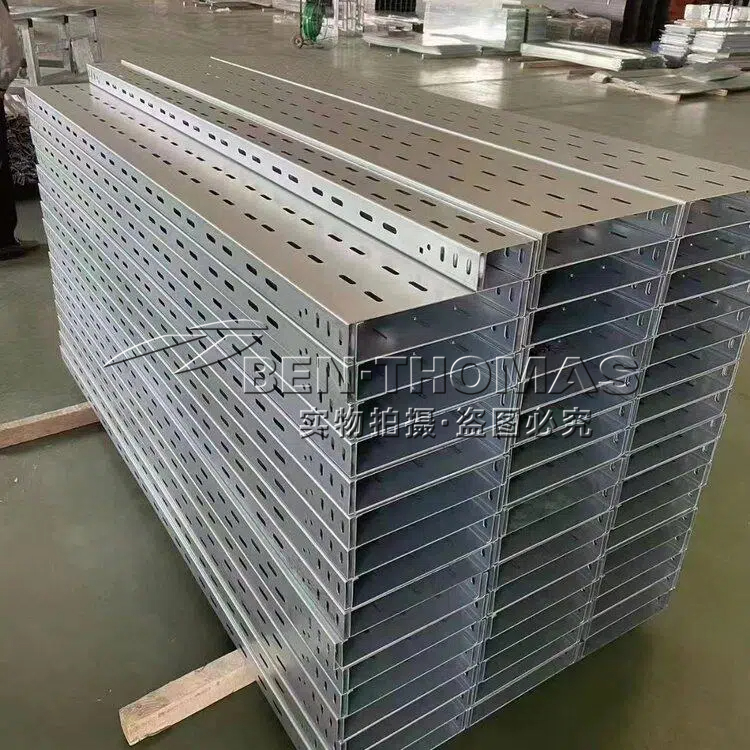
Finally, the automatic stacker system completes the production process. Once the cable trays or ladders are formed, the stacker neatly arranges them in piles, ready for packaging and transportation. This eliminates the need for manual stacking, which is time-consuming, labor-intensive, and prone to damage. The stacker system is adjustable, allowing it to handle different sizes and types of cable management products, making it versatile enough to accommodate a wide range of production needs.
All of these components are integrated and controlled by an advanced PLC system, which ensures that every step of the production process is synchronized and optimized. The PLC controller allows for fully automated operation, reducing the need for manual intervention and minimizing human error. It also provides real-time monitoring of machine performance, allowing operators to identify and address any issues quickly, minimizing downtime and maximizing productivity. Additionally, the PLC system enables quick switching between preset specifications, allowing manufacturers to produce different types and sizes of cable trays and ladders without slowing down production.
With its high working speed, high precision, and high degree of automation, the cable tray roll forming machine is a game-changer for cable management manufacturing. It produces large quantities of consistent, custom-made cable trays and ladders that are essential for cable trenches, power tunnels, and building walls and columns—ensuring safe, organized cable management in every project.
Contact: Elise
Tel:+86-155 3281 7581
Email: elise@tgrfm.cn
Tel:+86-155 3281 7581
Email: elise@tgrfm.cn
- Get in touch
360 Degree For Your Roll Forming Needs!
Have questions about our roll forming lines, or partnership opportunities? Our team is ready to assist you with expert support and personalized solutions.
- CONTACT US