For decades, manufacturers produced electrostatic precipitator (ESP) anode plates using manual or semi-automatic methods—including manual bending, drilling, and cutting. Today,
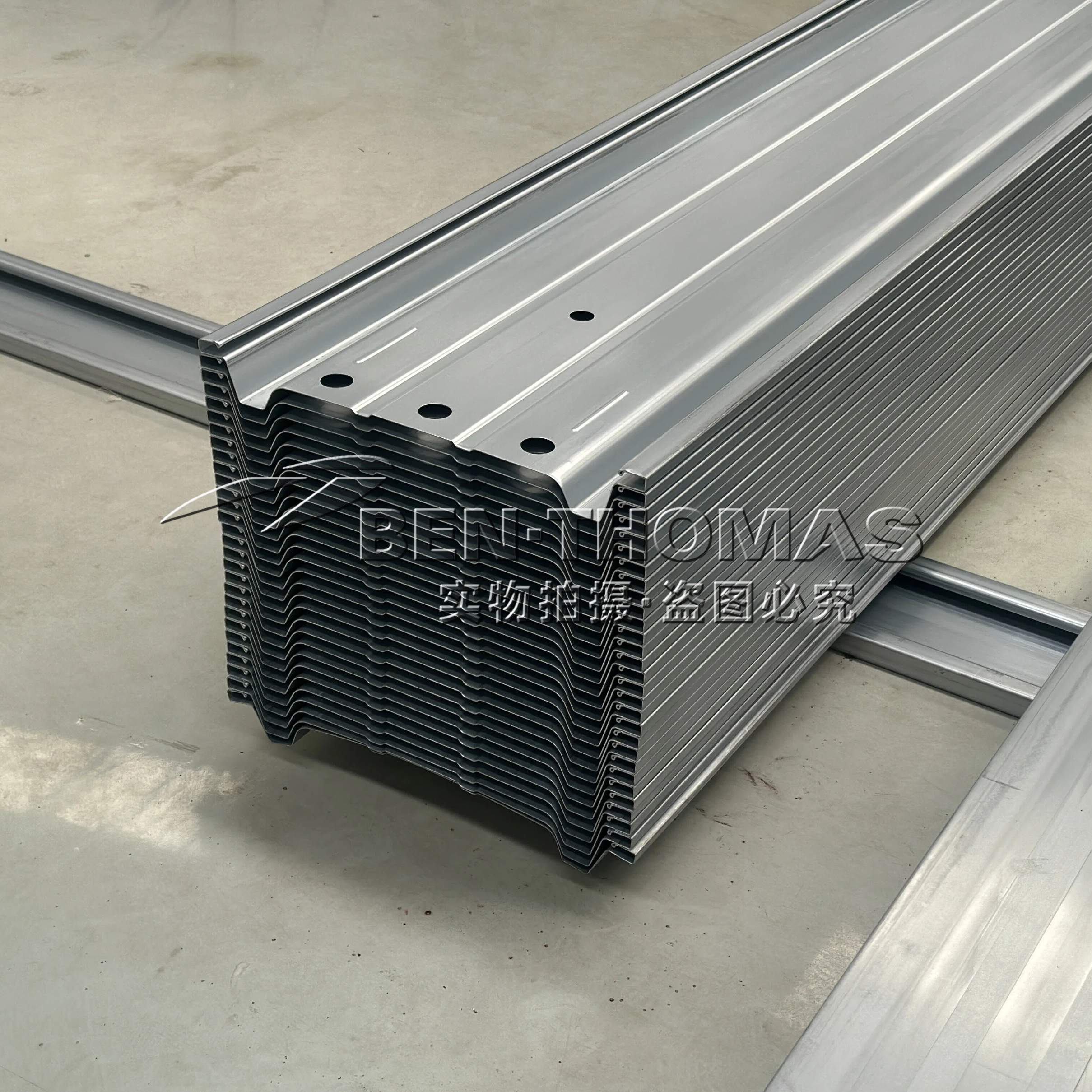
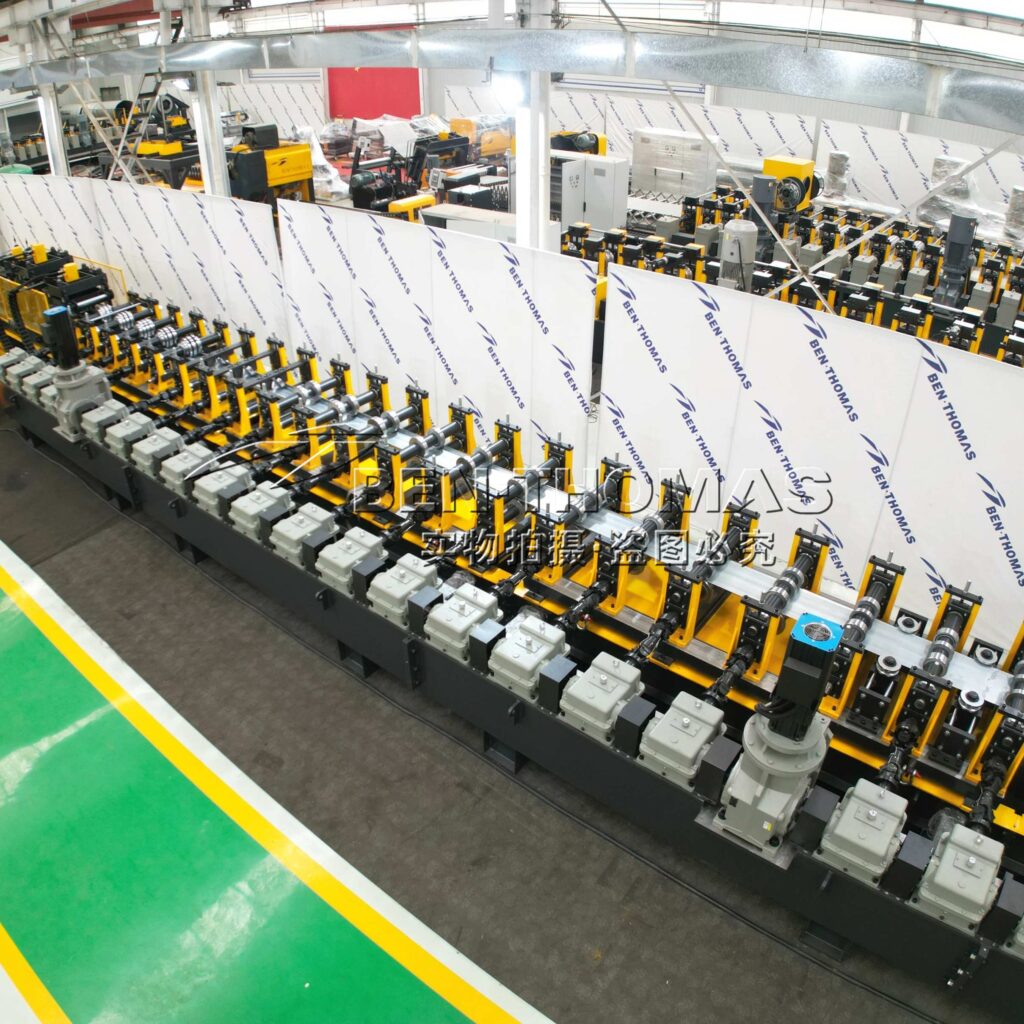
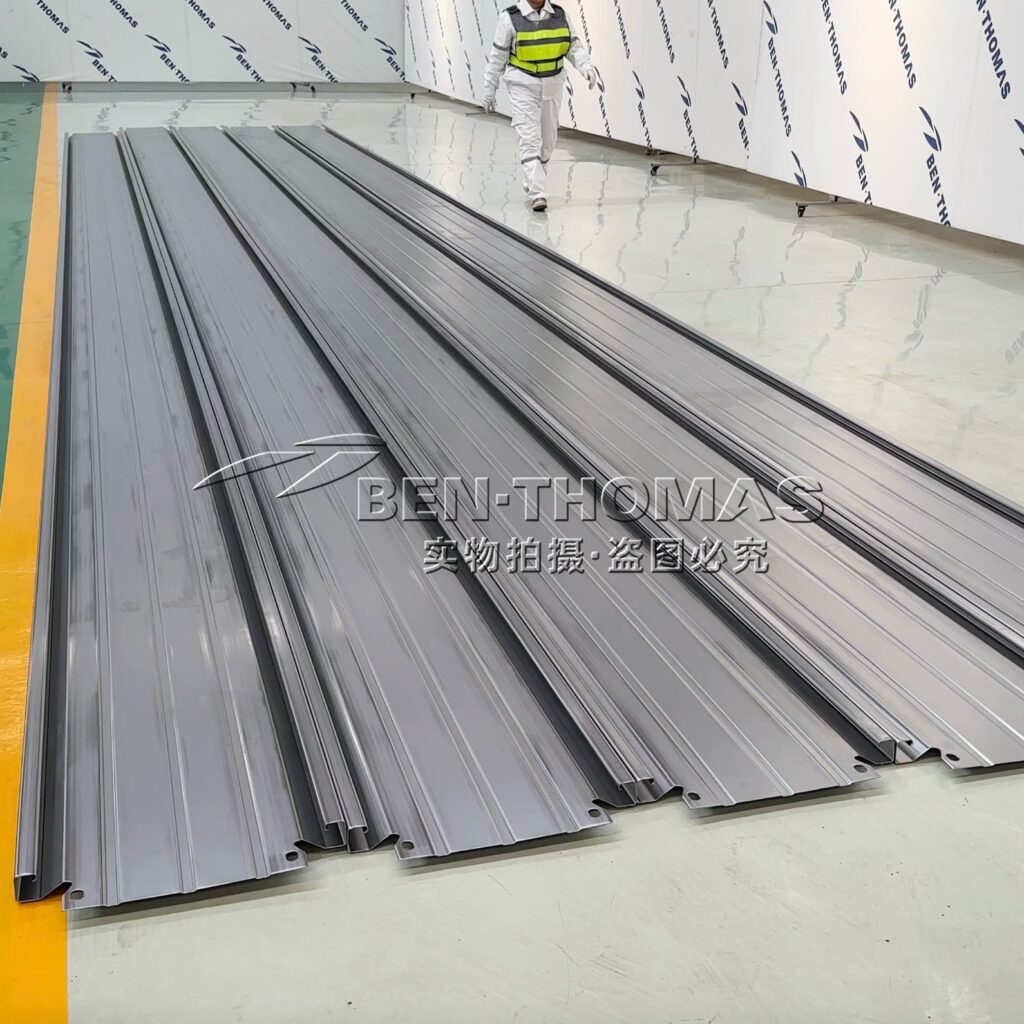
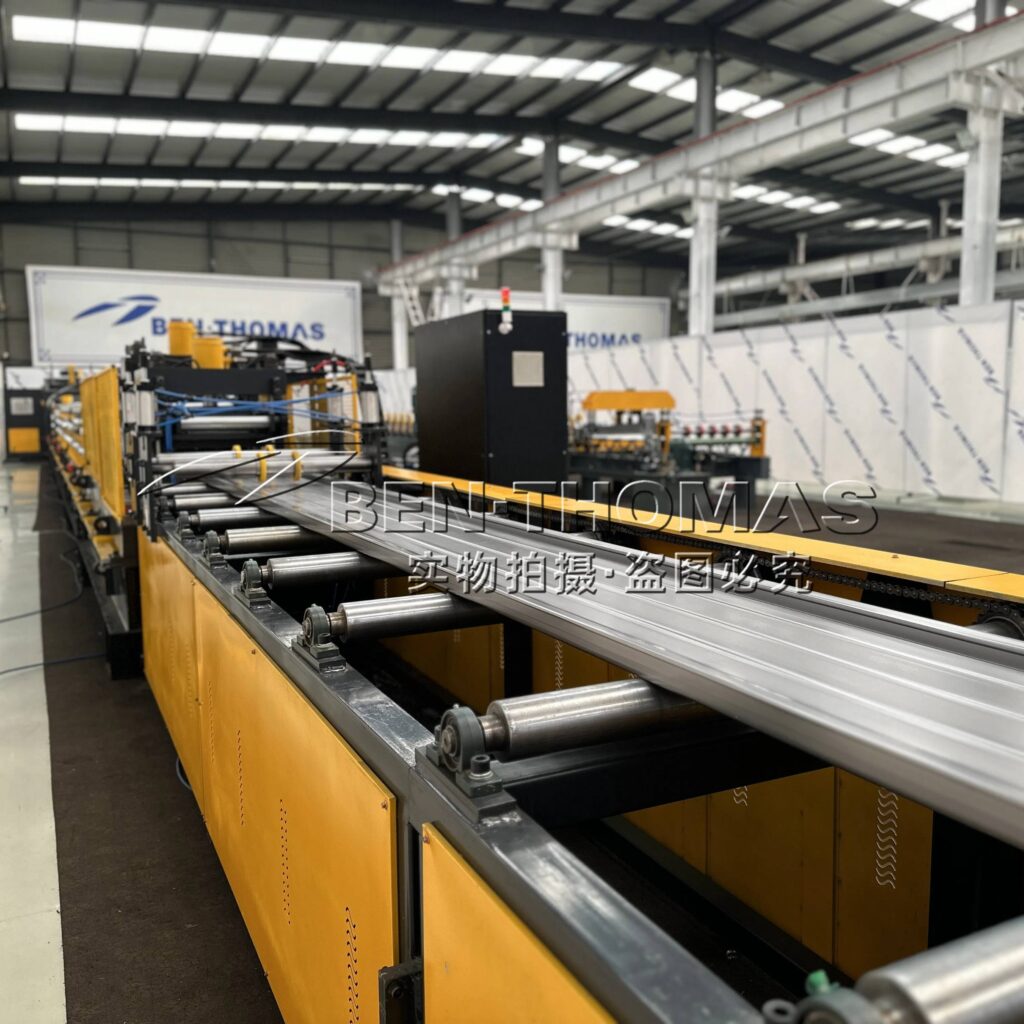
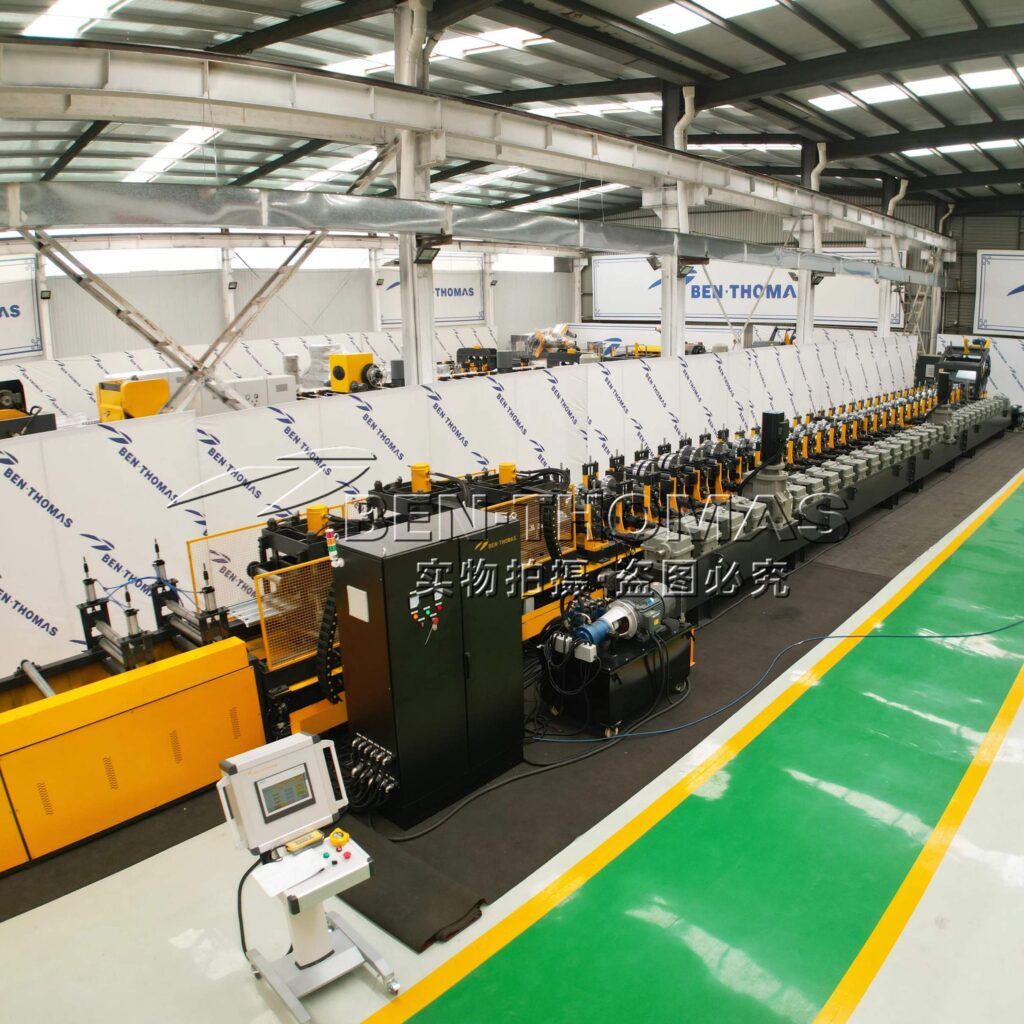
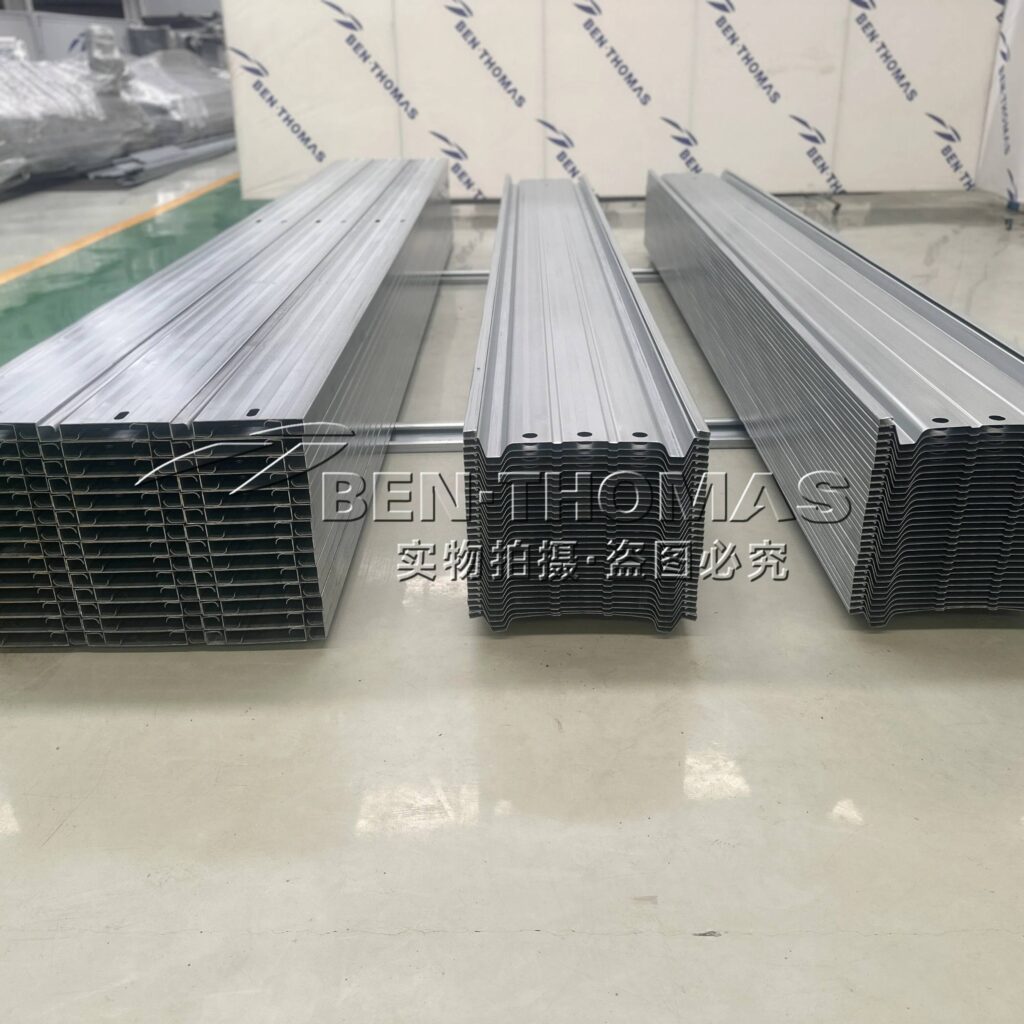
ESP Collecting Electrode Plates Roll Former have revolutionized the industry, delivering superior performance, quality, and efficiency. This article compares automated roll forming machines to traditional production methods, highlighting the key advantages of automation and why it is the future of ESP anode plate manufacturing.
Traditional ESP Anode Plate Production Methods
Traditional production relies on manual labor and basic machinery, with the following processes:
- Manual Coil Unwinding & Cutting: Workers manually uncoil steel strips and cut them to length using shears, resulting in inconsistent lengths and high material waste.
- Manual Punching: Drilling holes by hand or using semi-automatic drills, leading to misaligned holes, inconsistent sizes, and low precision (hole position error ±5–10mm).
- Manual Bending: Using press brakes to bend steel strips into corrugated profiles, with each bend requiring manual adjustment—resulting in inconsistent profile dimensions (error ±2–3mm) and low output (10–20 plates per hour).
- Manual Stacking & Inspection: Workers manually stack finished plates and inspect each one for defects, increasing labor costs and production time.
Key Drawbacks of Traditional Methods:
- Low Efficiency: Only 10–20 plates per hour, unable to meet large-scale ESP project demands.
- Poor Precision: High dimensional and hole position errors, leading to ESP assembly issues and reduced dust collection efficiency.
- High Labor Costs: Requires 8–10 skilled workers per shift, increasing production costs by 60–70%.
- High Material Waste: Material utilization rate of only 70–80%, increasing steel costs.
- Inconsistent Quality: Manual operation leads to quality variations between batches, affecting ESP performance.
Automated ESP Anode Plate Roll Forming Machine Production
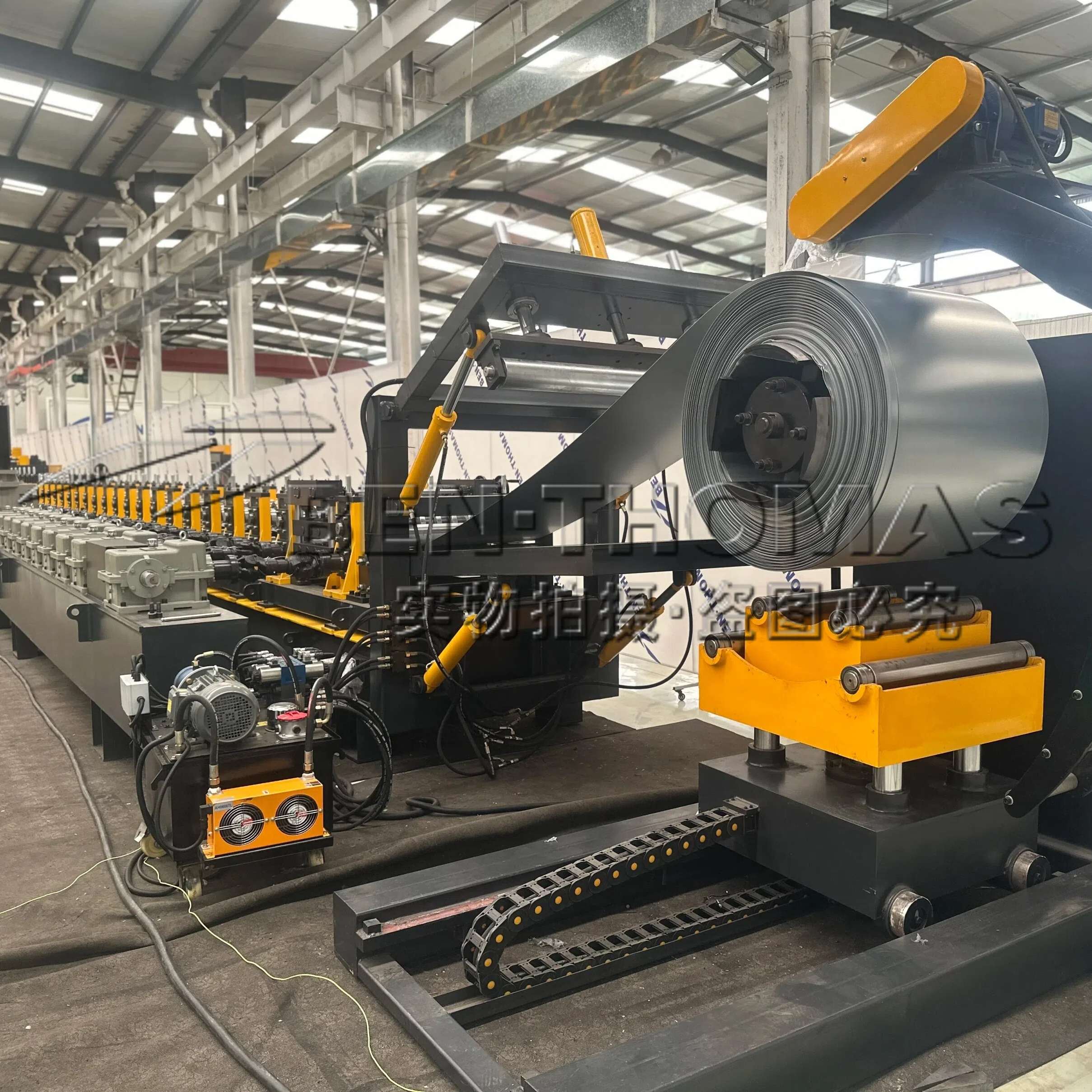
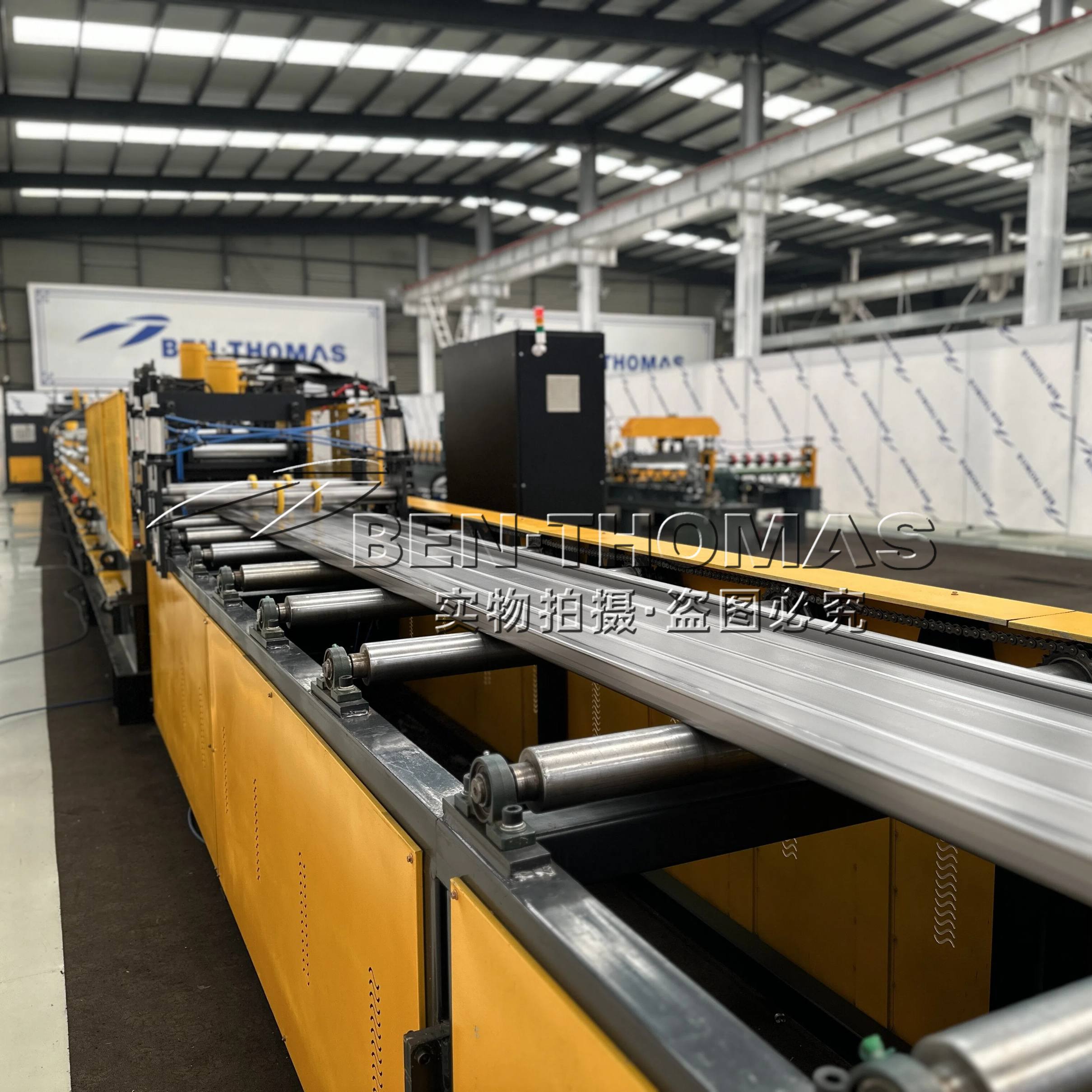
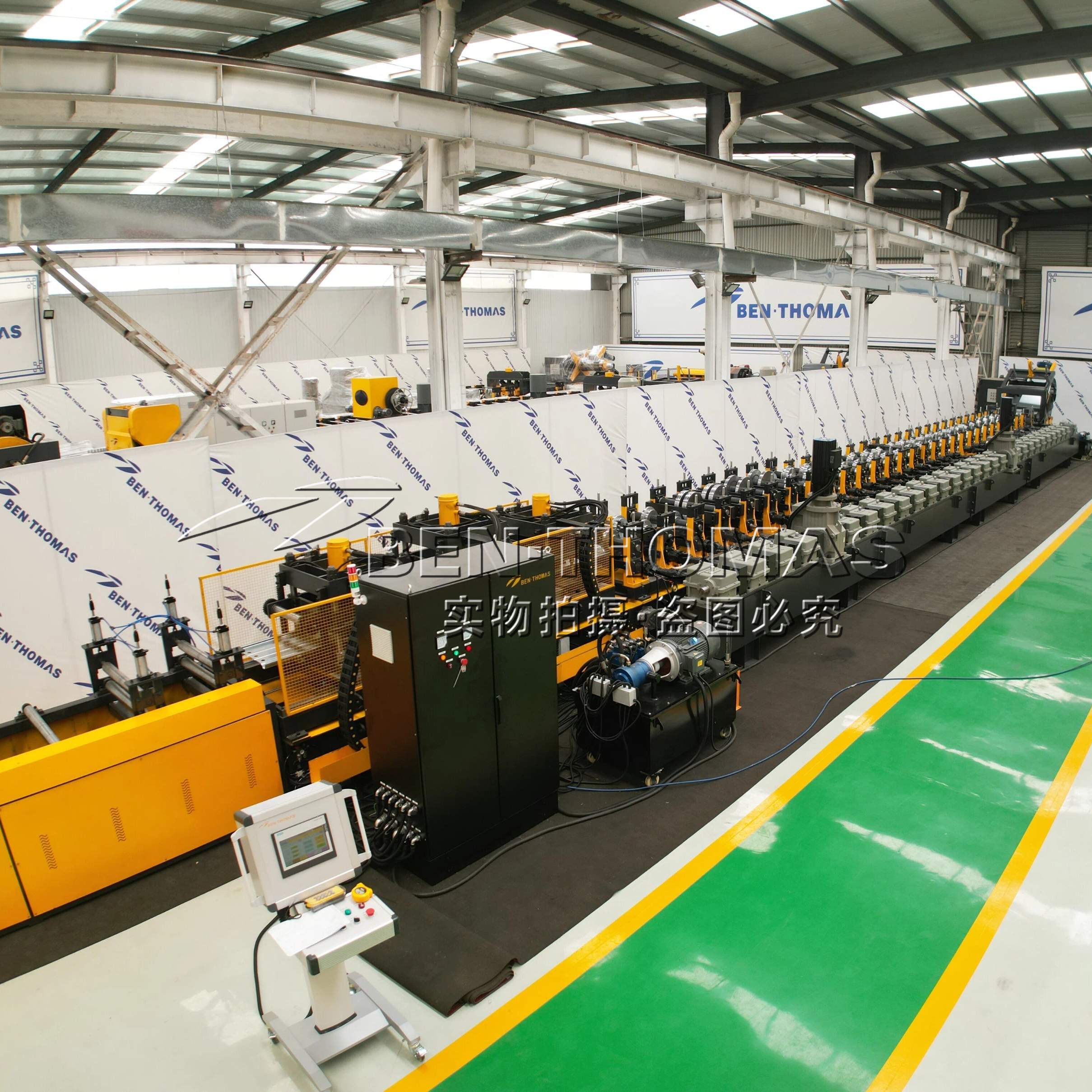
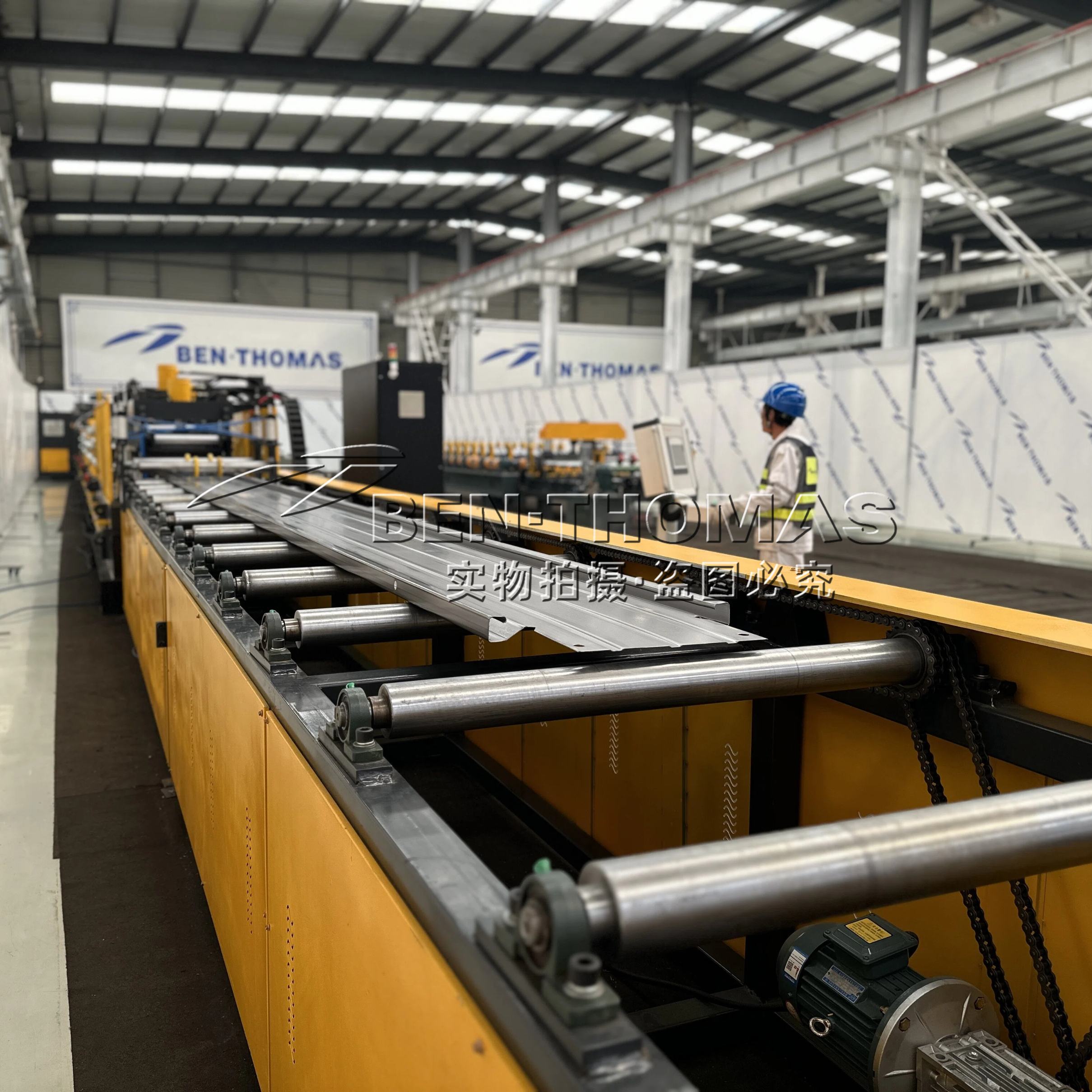
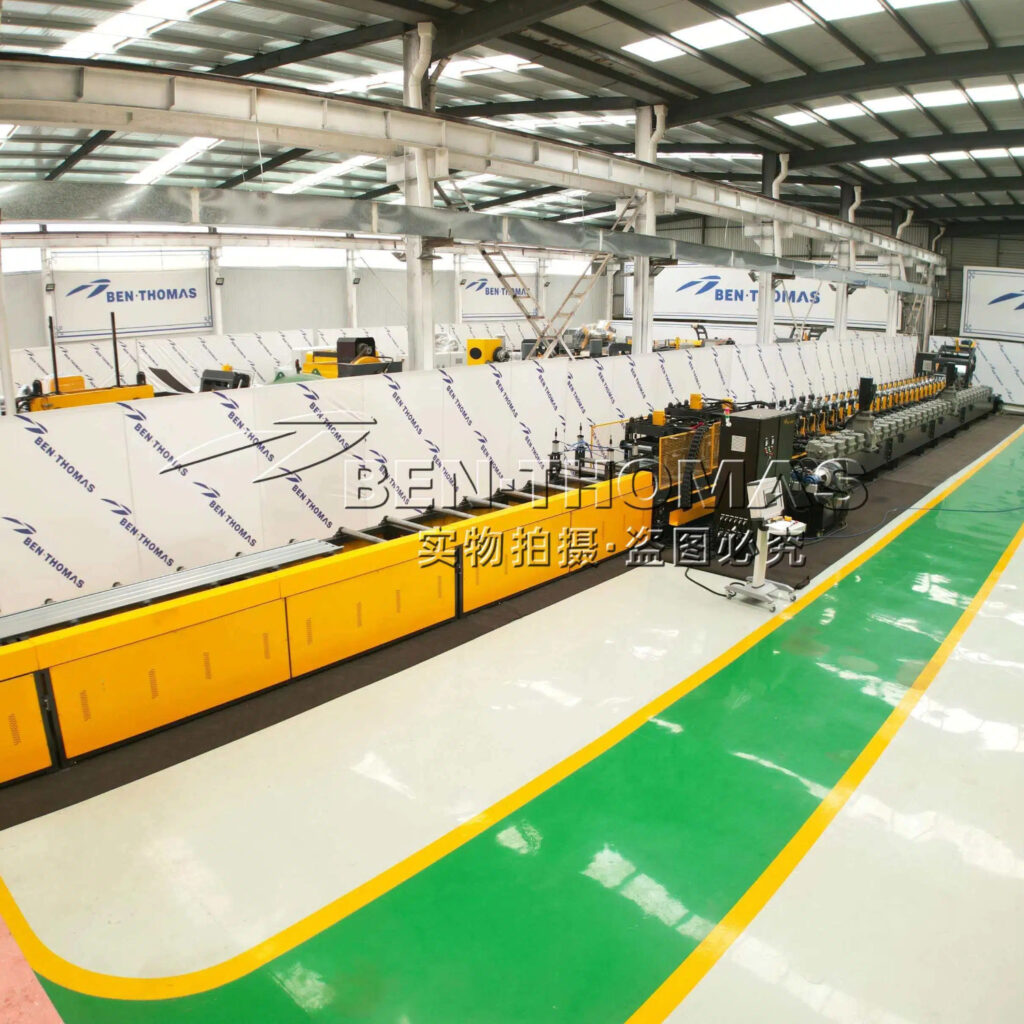
Automated roll forming machines integrate decoiling, leveling, punching, forming, cutting, and stacking into a single, fully automated line—controlled by a PLC system. The process is continuous, with no manual intervention required for core operations:
- Automatic Decoiling & Leveling: Heavy-duty decoiler with tension control unwinds coils smoothly, and the leveling unit eliminates curvature—ensuring flat, uniform steel strips.
- Precision Hydraulic Punching: Servo-driven punching unit creates holes with ±2.0mm accuracy, synchronized with line speed.
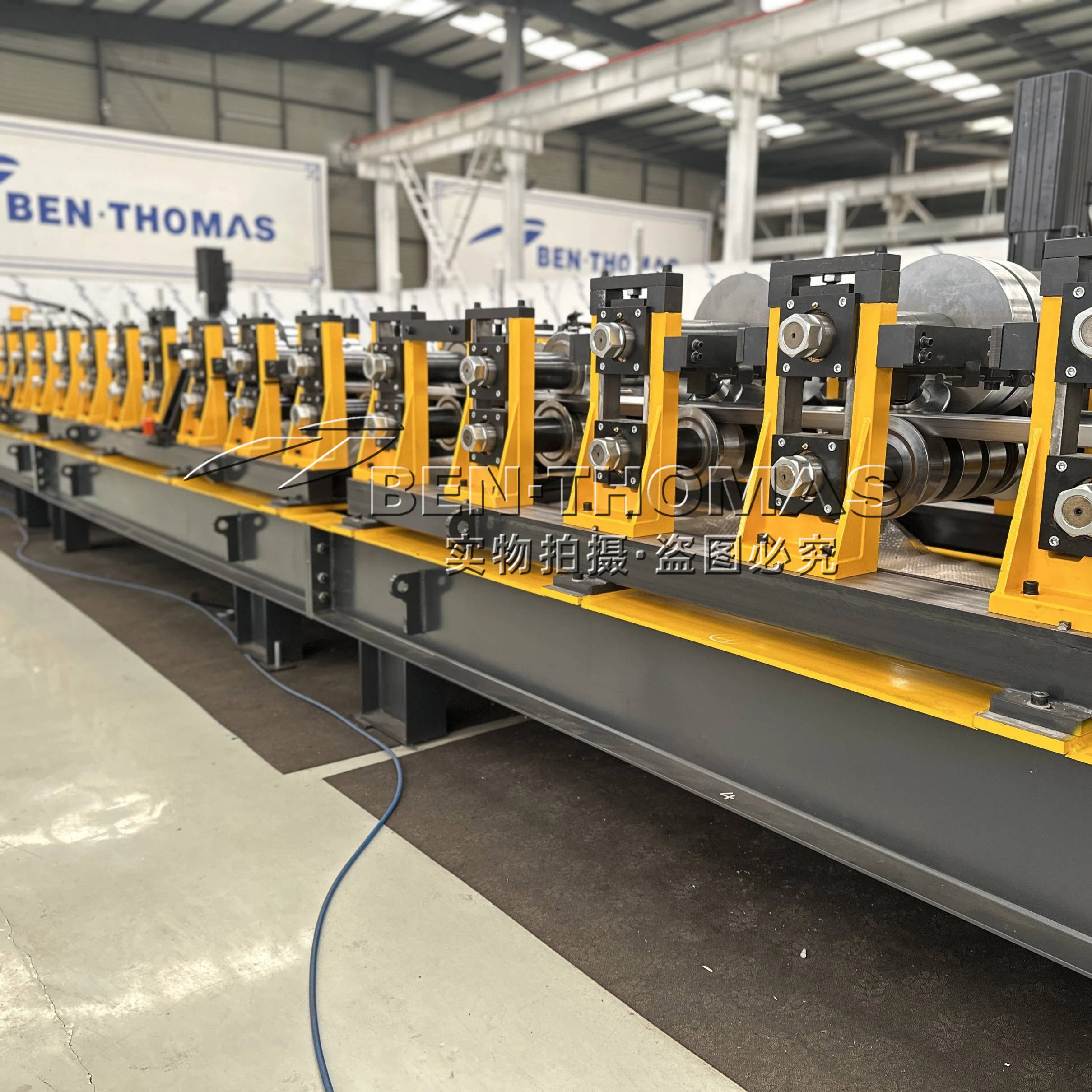
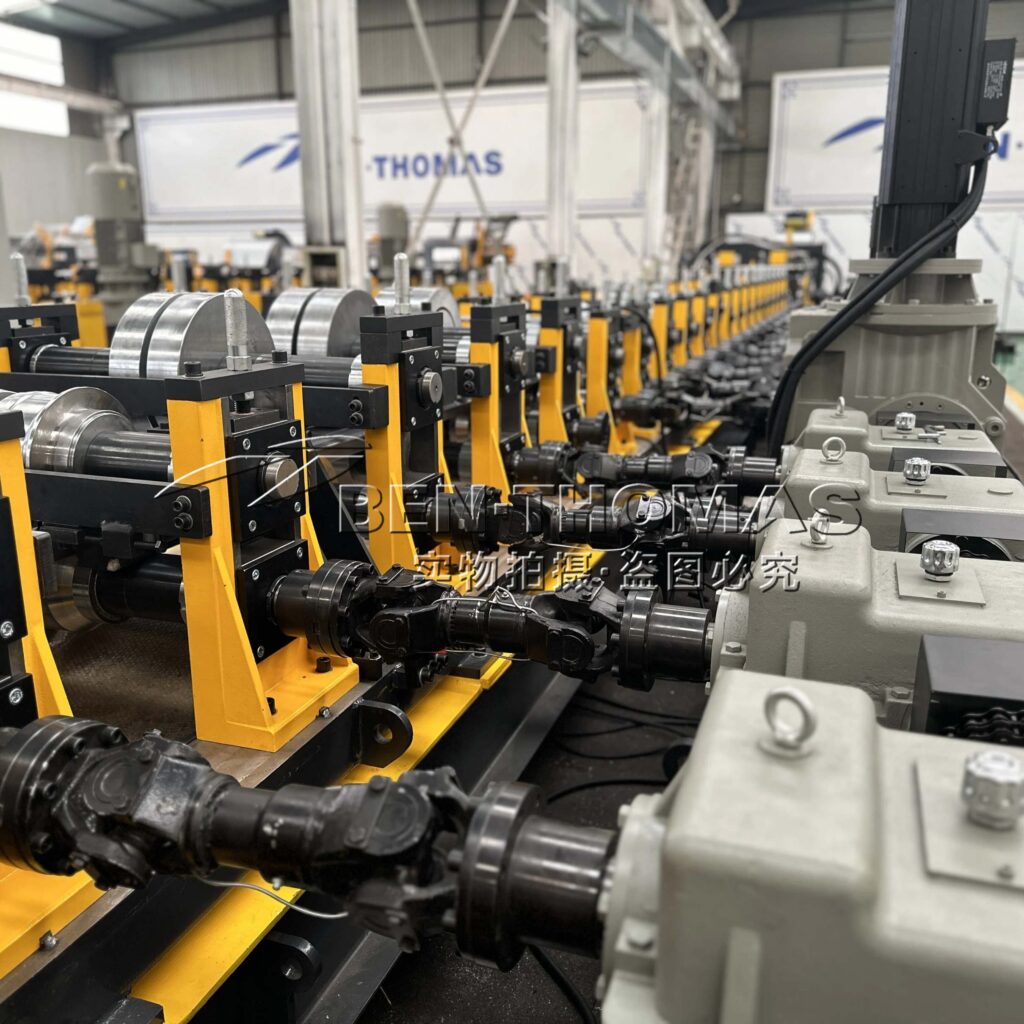
- High-Speed Roll Forming: 16–22 roller stations form the steel into precise profiles (±0.5mm accuracy) at 6–20m/min.
- Automatic Hydraulic Cutting: PLC-controlled shear cuts plates to length (±1.5mm accuracy) with clean, burr-free edges.
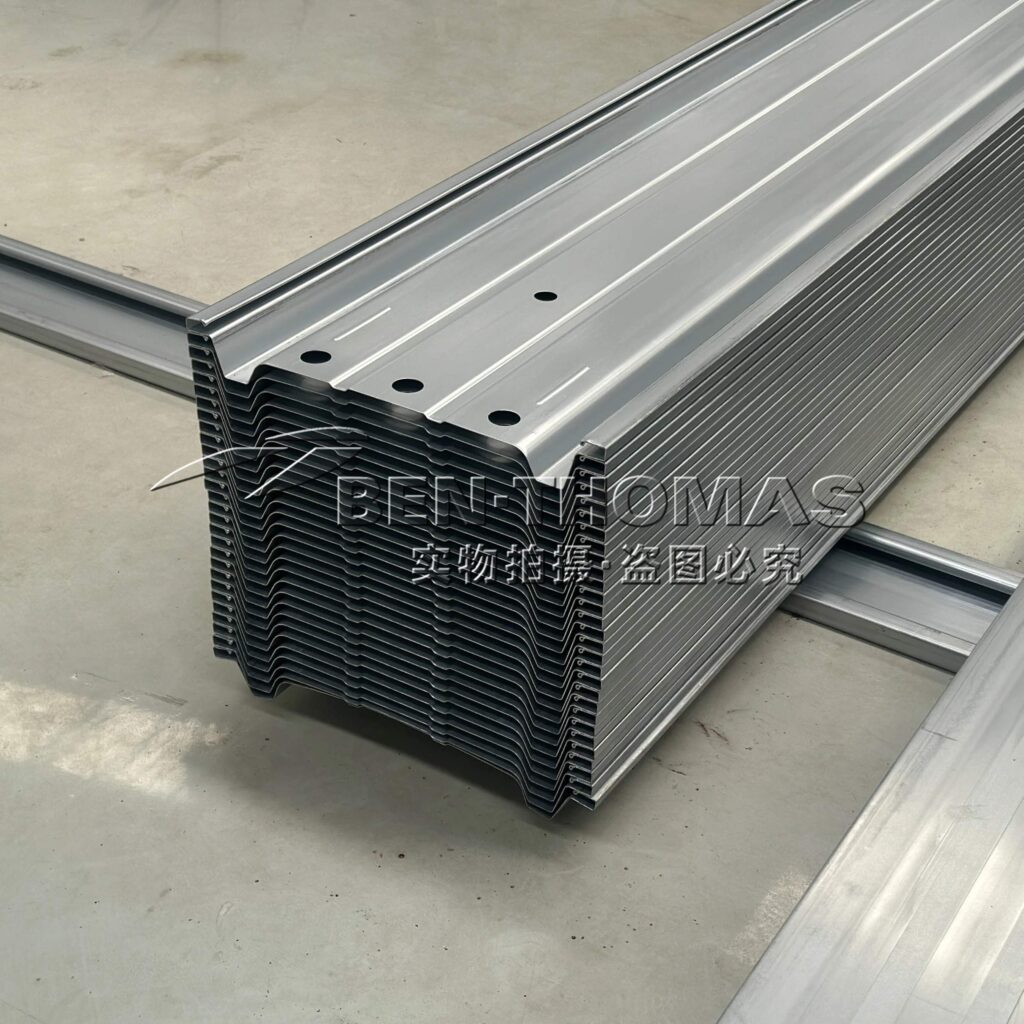
- Automatic Stacking (Optional): Finished plates are stacked automatically, ready for packaging and shipment.
Key Advantages of Automated Roll Forming Machines
-
10–15x Higher Production Efficiency
- Output of 360–1200 meters per hour (200–600 plates per hour), meeting large-scale ESP project demands (e.g., 10,000+ plates for a power plant ESP).
- Continuous operation with minimal downtime, reducing production time for large orders by 80% compared to traditional methods.
-
Unmatched Precision & Consistency
- Profile accuracy of ±0.5mm and hole position accuracy of ±2.0mm—ensuring every plate is identical, eliminating assembly errors.
- Incremental forming prevents steel cracking, ensuring consistent structural strength and dust collection performance across all plates.
-
70% Labor Cost Reduction
- Only 2–3 operators are needed to monitor the line, reducing labor costs significantly.
- Minimal training required (1–2 days) for operators, compared to 3–6 months for skilled manual workers.
-
95%+ Material Utilization Rate
- Precise cutting and forming minimize waste, reducing steel costs by 20–30% compared to traditional methods.
- No manual cutting errors, further reducing material waste.
-
Consistent, High-Quality Output
- PLC control eliminates human error, ensuring consistent quality across all batches—critical for ESP performance and compliance with environmental standards.
- Heavy-duty rollers and frame design ensure long-term stability, with minimal quality degradation over time.
-
Quick Model Switching & Customization
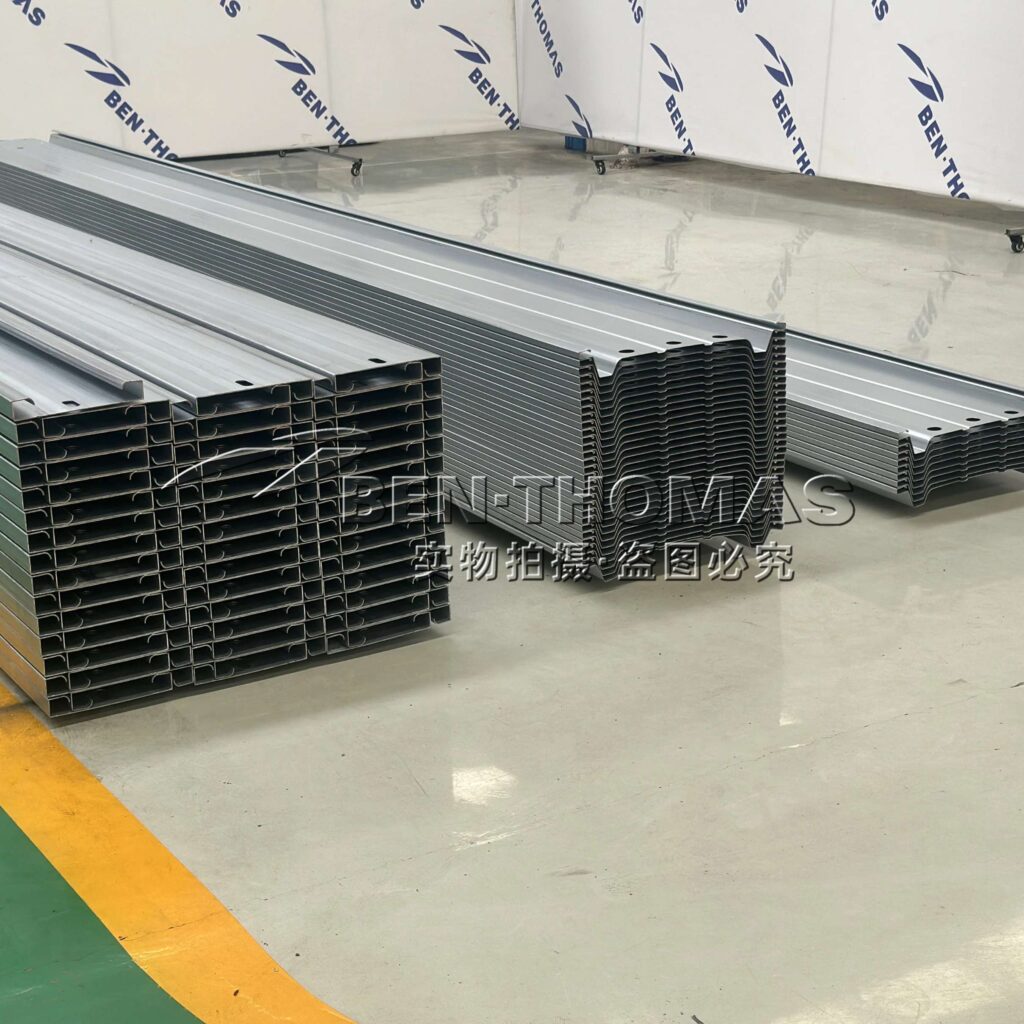
- Preset PLC programs allow switching between 385-type, 480-type, and ZT-24 anode plates in 10–15 minutes—compared to 4–8 hours for traditional press brake setup.
- Customizable for different material thicknesses (0.8–2.0mm) and profiles, meeting diverse customer needs.
Conclusion: Automation is the Future
The automated electrostatic precipitator anode plate roll forming machine is far superior to traditional production methods. Its high speed, precision, cost savings, and consistency make it the only viable solution for modern ESP anode plate manufacturing. As global environmental standards become stricter and demand for high-quality ESPs increases, automated roll forming machines will continue to lead the industry—enabling manufacturers to produce efficient, reliable anode plates that support global air pollution control efforts.
Contact: Elise
Tel:+86-155 3281 7581
Email: elise@tgrfm.cn