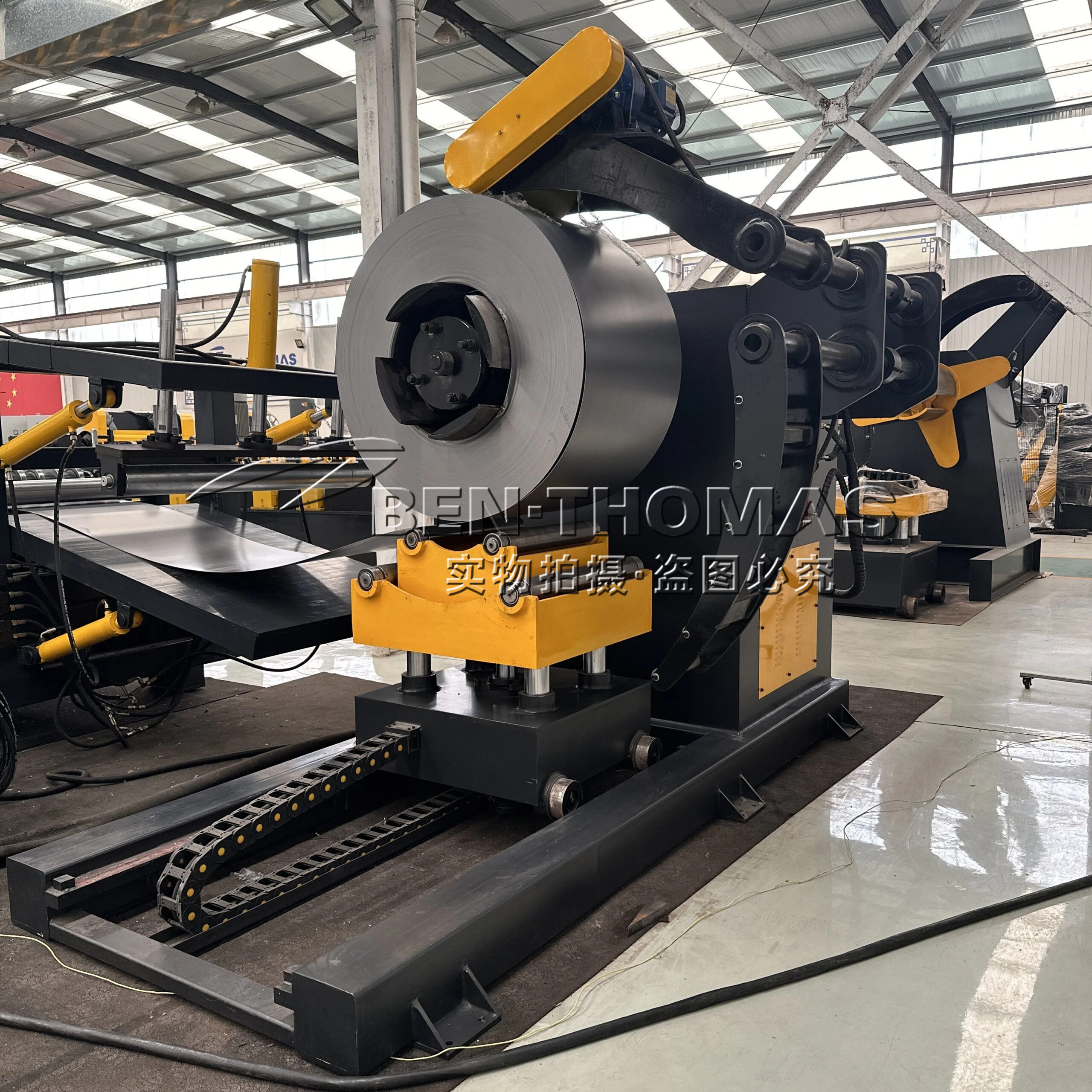
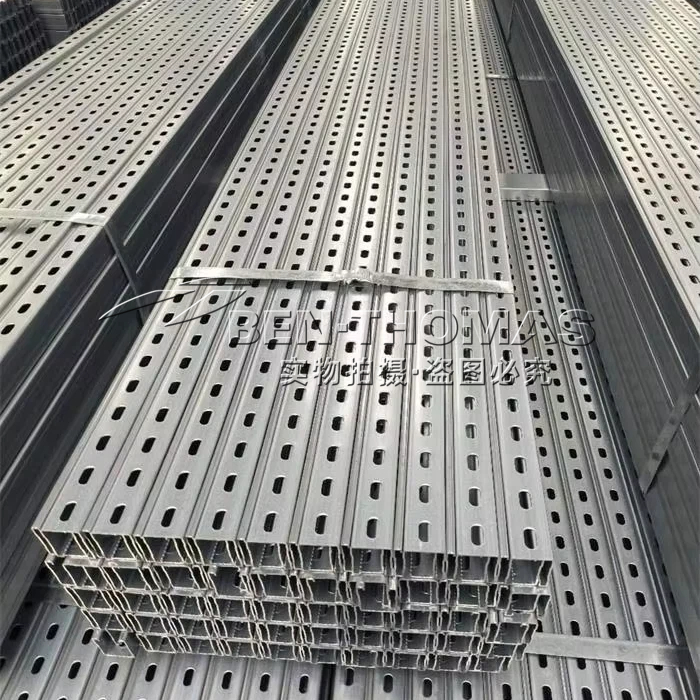
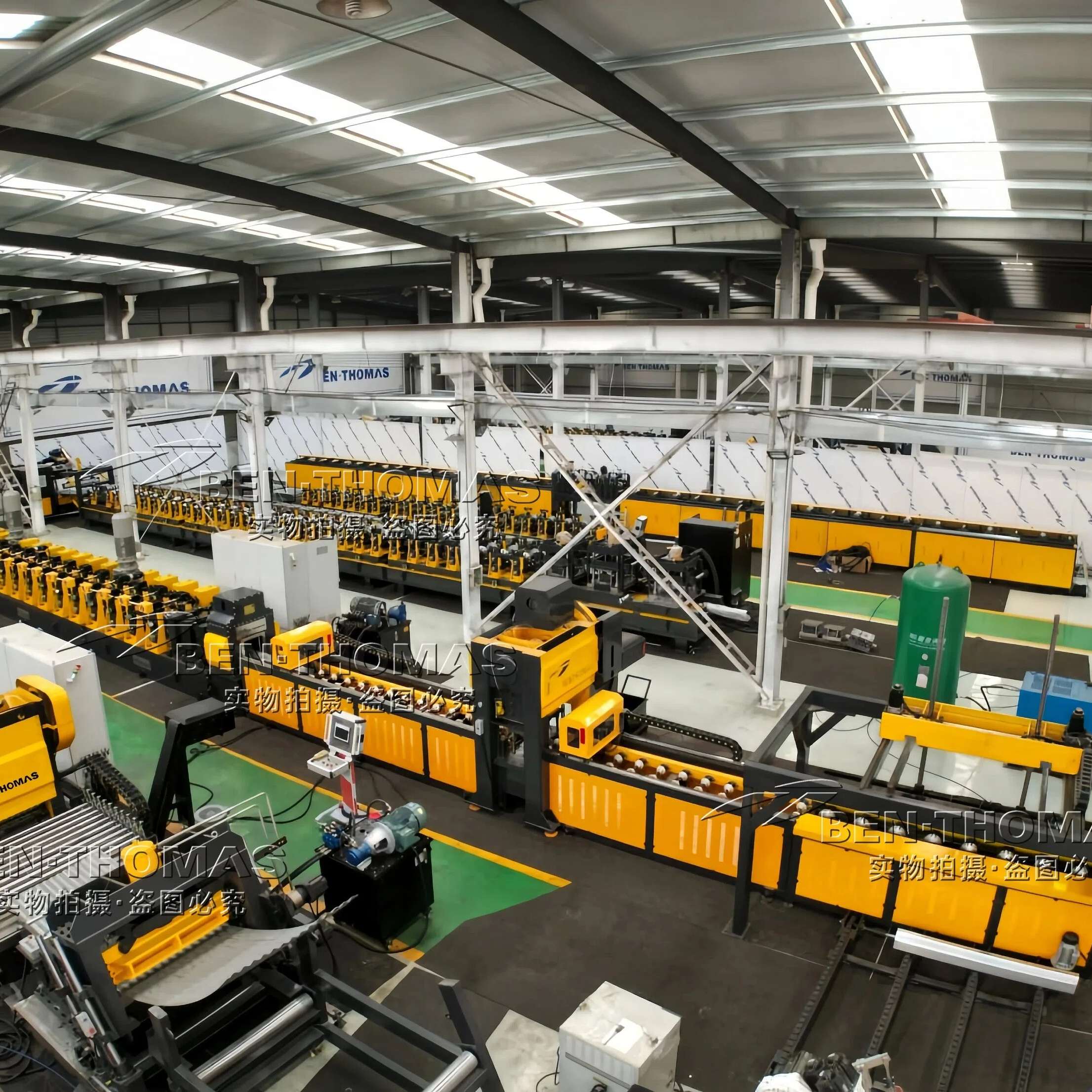
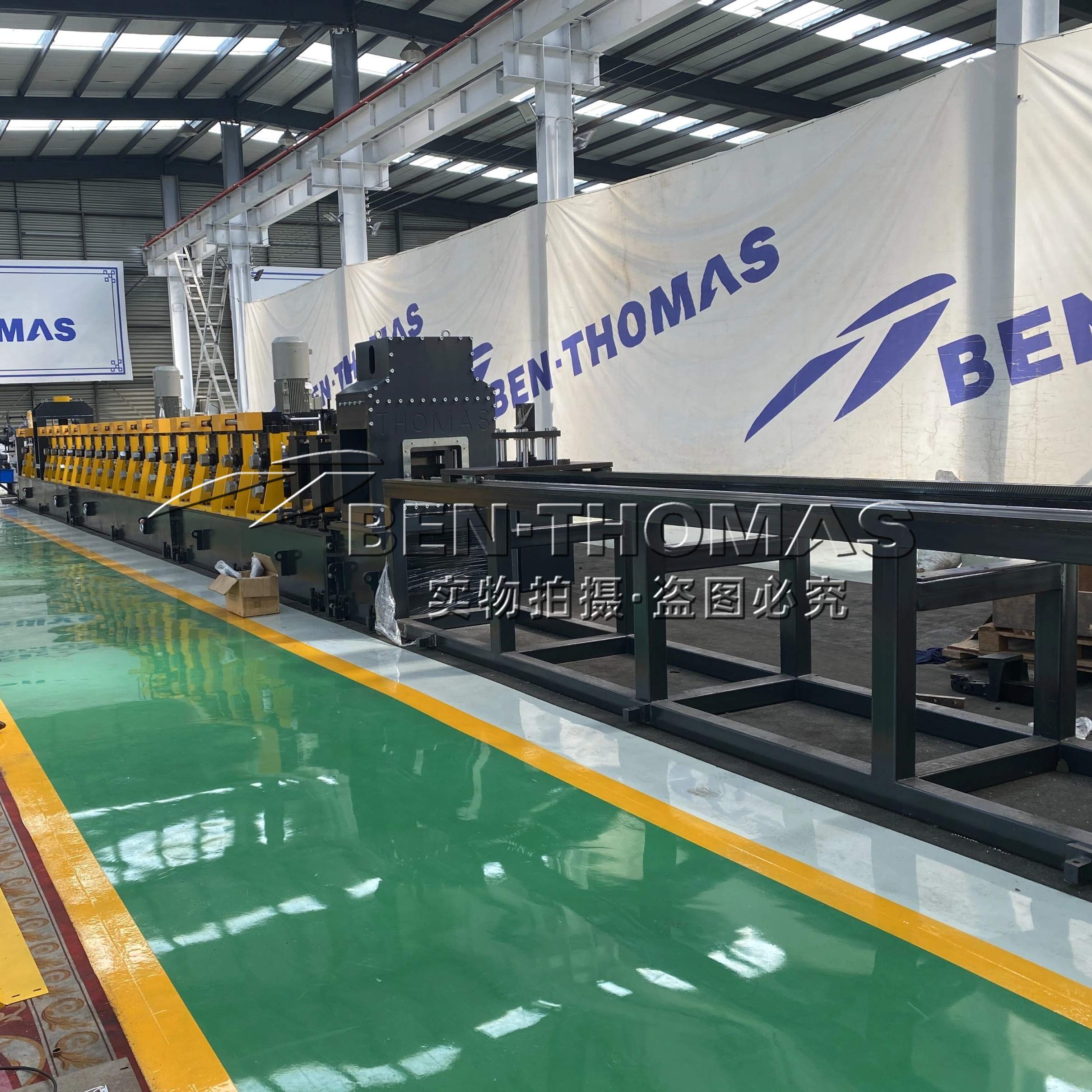
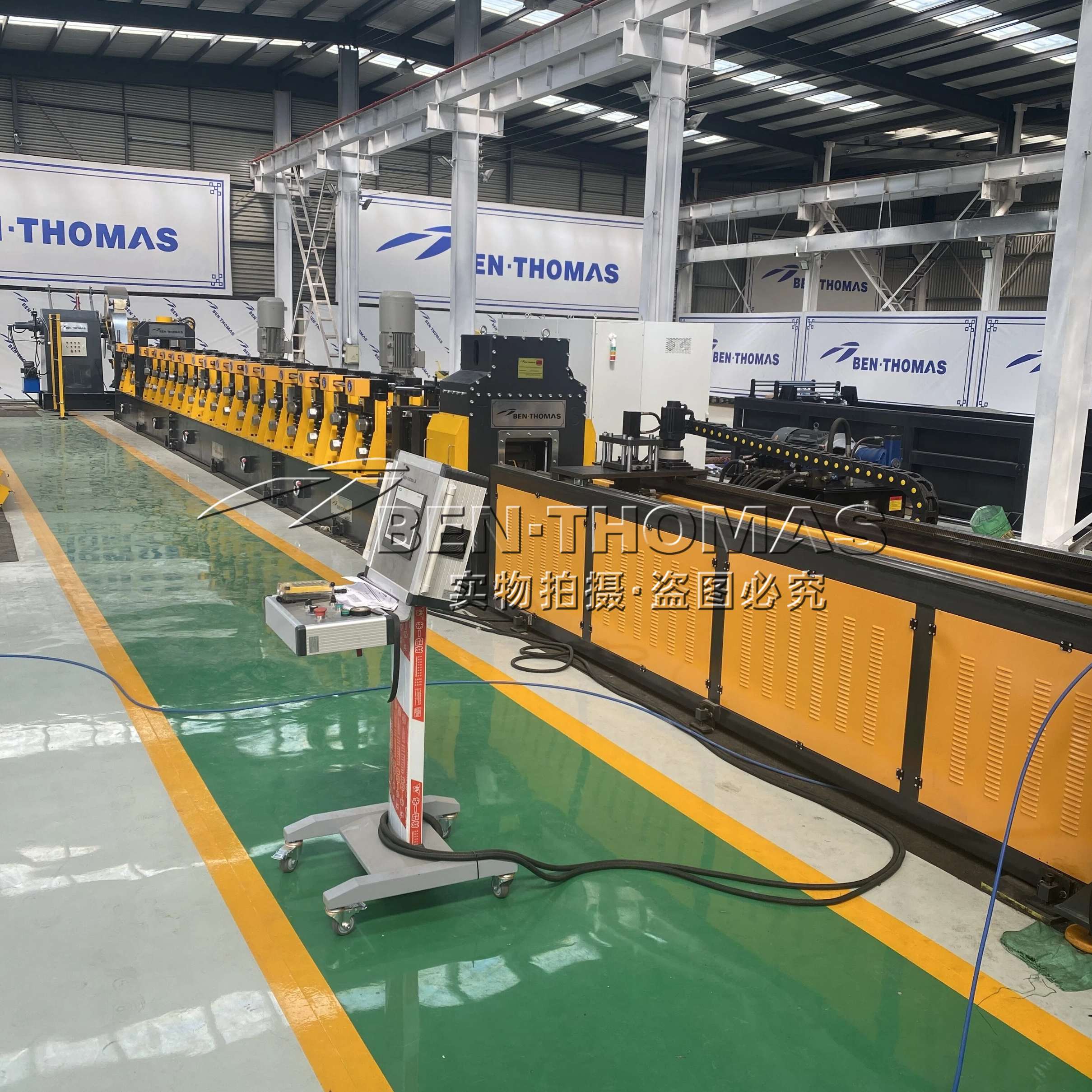
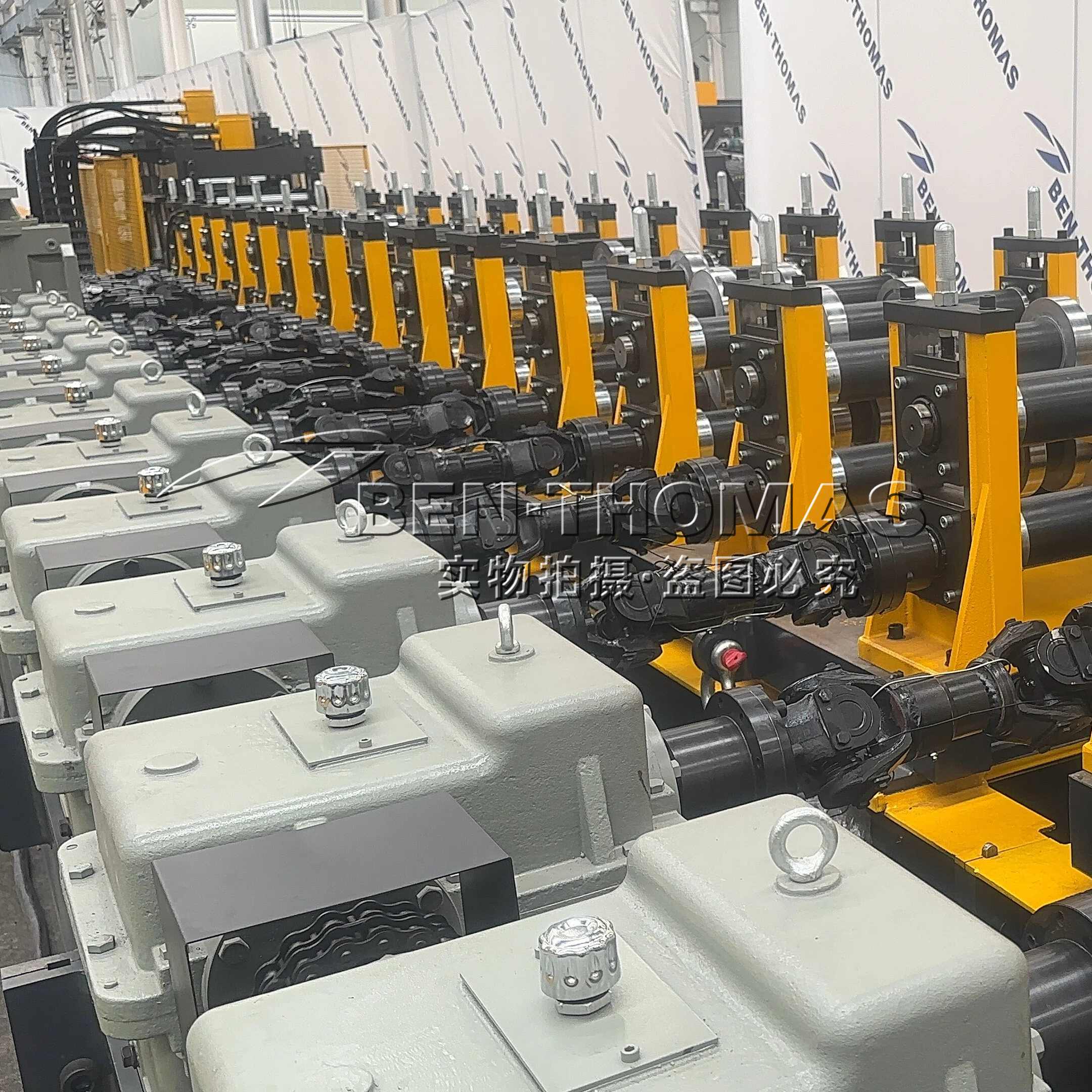
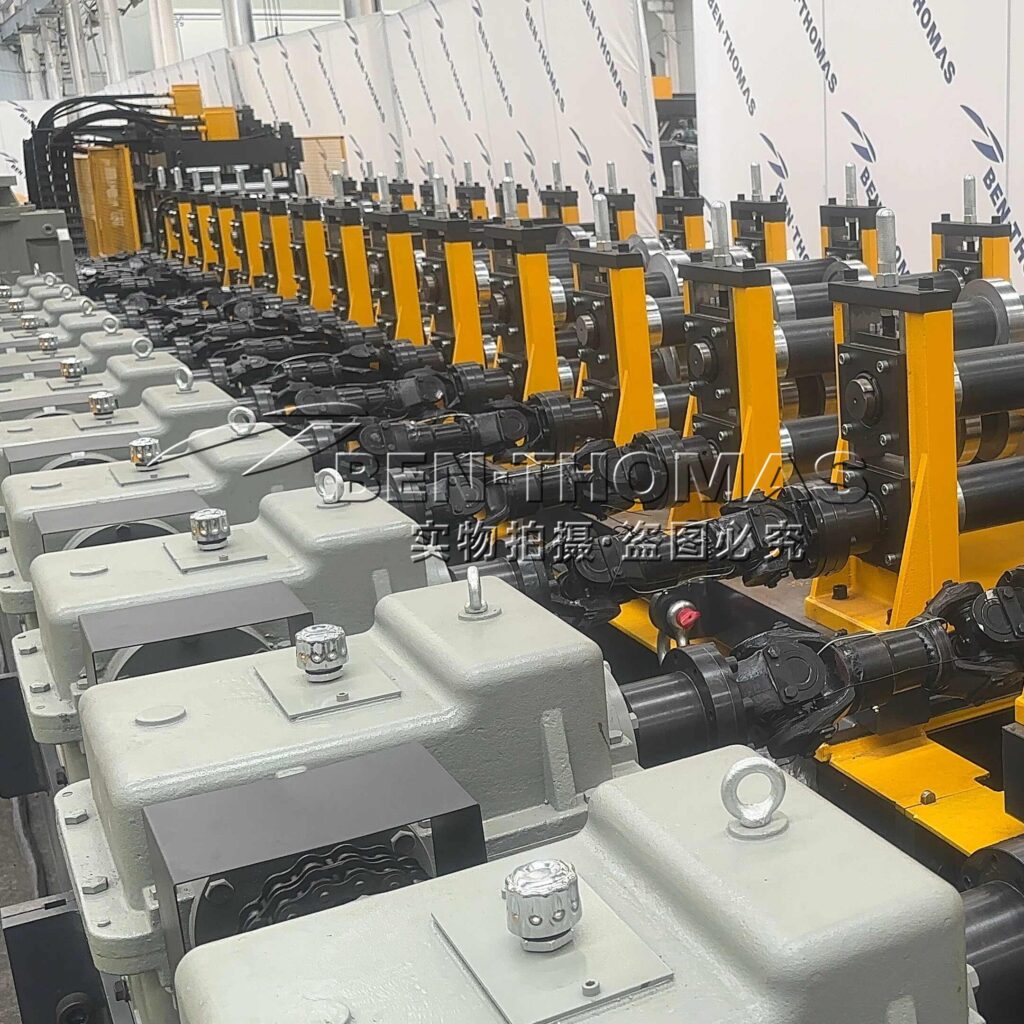
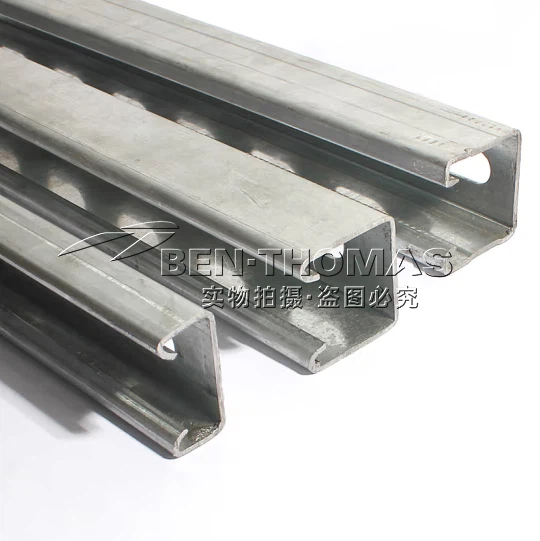
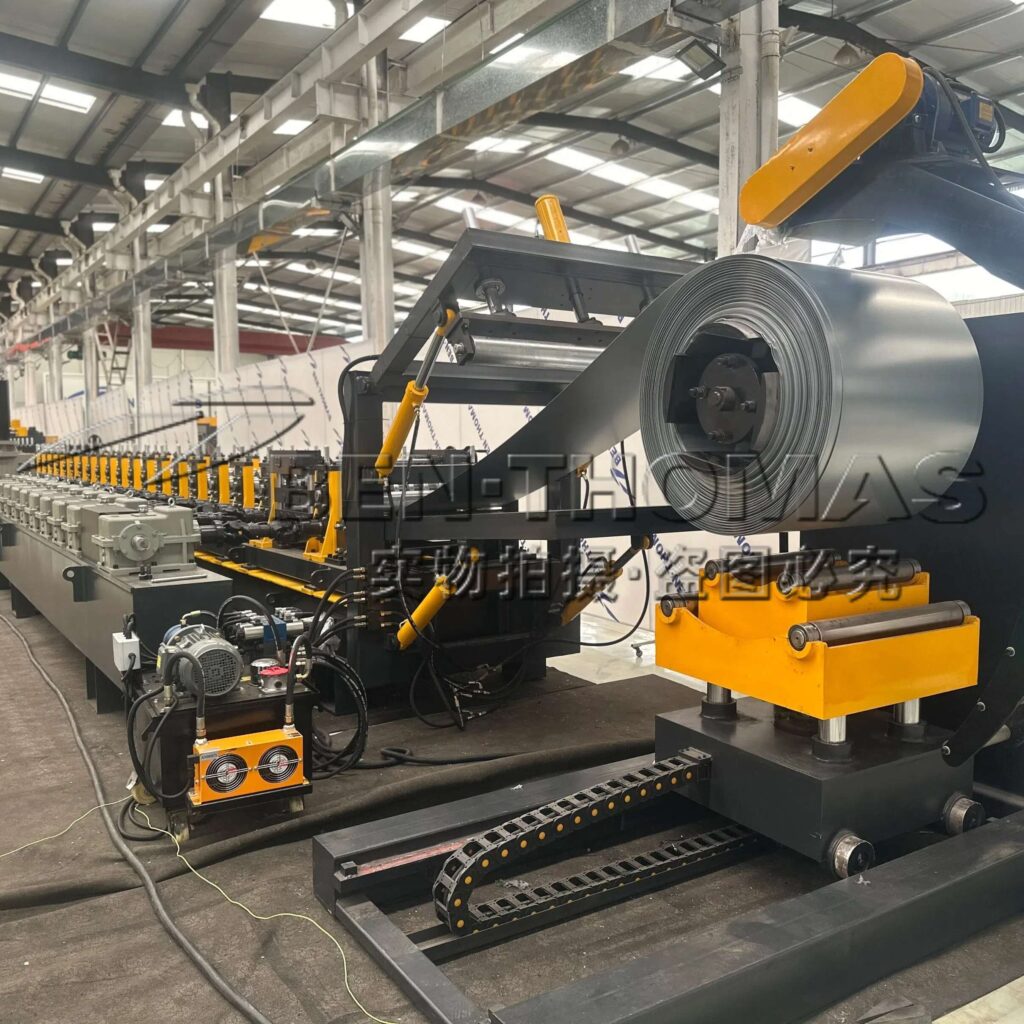
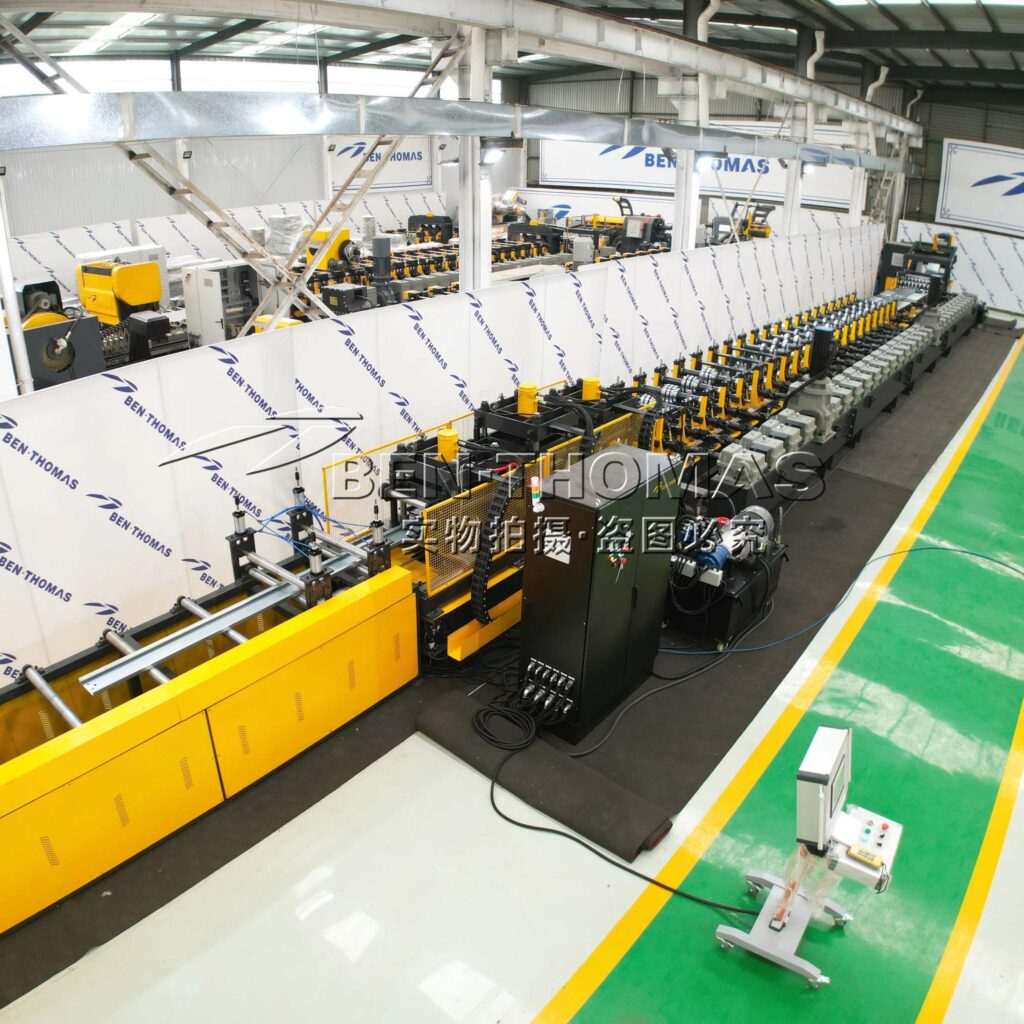
When manufacturing mounting structures for solar photovoltaic systems, precision is not merely a manufacturing metric—it directly impacts installation efficiency, system longevity, and overall project economics. This article explores the critical performance parameters and engineering considerations that define a high-quality Unistrut Slotted Channel Roll Forming Equipment.
The Importance of Precision in Solar Mounting
Solar mounting systems must align thousands of photovoltaic panels into a unified array. Even minor deviations in rail length, hole placement, or profile geometry can cascade into significant installation challenges:
-
Misaligned mounting holes may require field drilling, increasing labor costs and compromising corrosion protection
-
Inconsistent profile dimensions can create uneven panel planes, reducing energy output and creating stress points
-
Poorly formed splice connections may compromise structural integrity under wind or snow loads
High-precision roll forming machines address these challenges through:
-
Precision-Ground Rollers: Each forming roller is CNC-ground to tolerances of ±0.02mm. Hard chrome coating (2–5 microns) extends tool life and maintains profile consistency over extended production runs. Some manufacturers utilize high-speed steel (HSS) or tungsten carbide rollers for ultra-high-volume applications.
-
Servo-Controlled Feeding & Punching: Servo motors precisely control feed length and punching timing, ensuring that mounting holes, splice points, and cut lengths align perfectly with engineering specifications. Positioning accuracy of ±0.3mm for holes and ±0.5mm for cut lengths is standard.
-
Real-Time Monitoring Systems: Advanced lines incorporate PLC-controlled sensors that continuously monitor:
-
Material thickness (via laser or ultrasonic sensors)
-
Line speed synchronization
-
Forming pressure and roller alignment
-
Cut-off accuracy
These systems automatically adjust parameters to maintain output consistency, reducing scrap rates and ensuring every profile meets specifications.
Key Performance Parameters
High-Speed Operation Without Compromising Quality
Modern solar PV roll forming lines achieve speeds of 25 to 35 meters per minute while maintaining strict tolerances. This is accomplished through:
-
Flying Die Technology: The cut-off press moves with the strip, eliminating stop-start cycles that reduce throughput and create material stress marks.
-
Servo-Driven Punching: Punching units perform “fly punching,” where the die accelerates to match strip speed, executes the operation, and resets—all without interrupting material flow.
-
Rigid Frame Construction: The main machine is built on a heavy-duty welded steel frame (typically 20–30mm thick) to absorb vibration and maintain alignment at maximum speeds.
Material Considerations for Solar Applications
Solar mounting components are exposed to decades of outdoor weathering. The roll forming line must be compatible with:
-
Hot-dip galvanized steel (Z275–Z600): Most common; requires tooling designed to prevent coating scratching
-
Aluminum (5052, 6063): Used for lightweight rooftop systems; requires different roller materials to prevent galling
-
Stainless steel (304, 316): Specified for coastal or corrosive environments
-
Magnesium-aluminum-zinc coated steel (Galvalume): Increasingly used for enhanced corrosion resistance
By prioritizing high-precision engineering and optimizing performance parameters, solar PV mounting structure roll forming machines enable manufacturers to produce racking components that meet the demanding requirements of modern solar installations.
Contact: Elise
Tel:+86-155 3281 7581
Email: elise@tgrfm.cn