
Cable Trunking Production Line
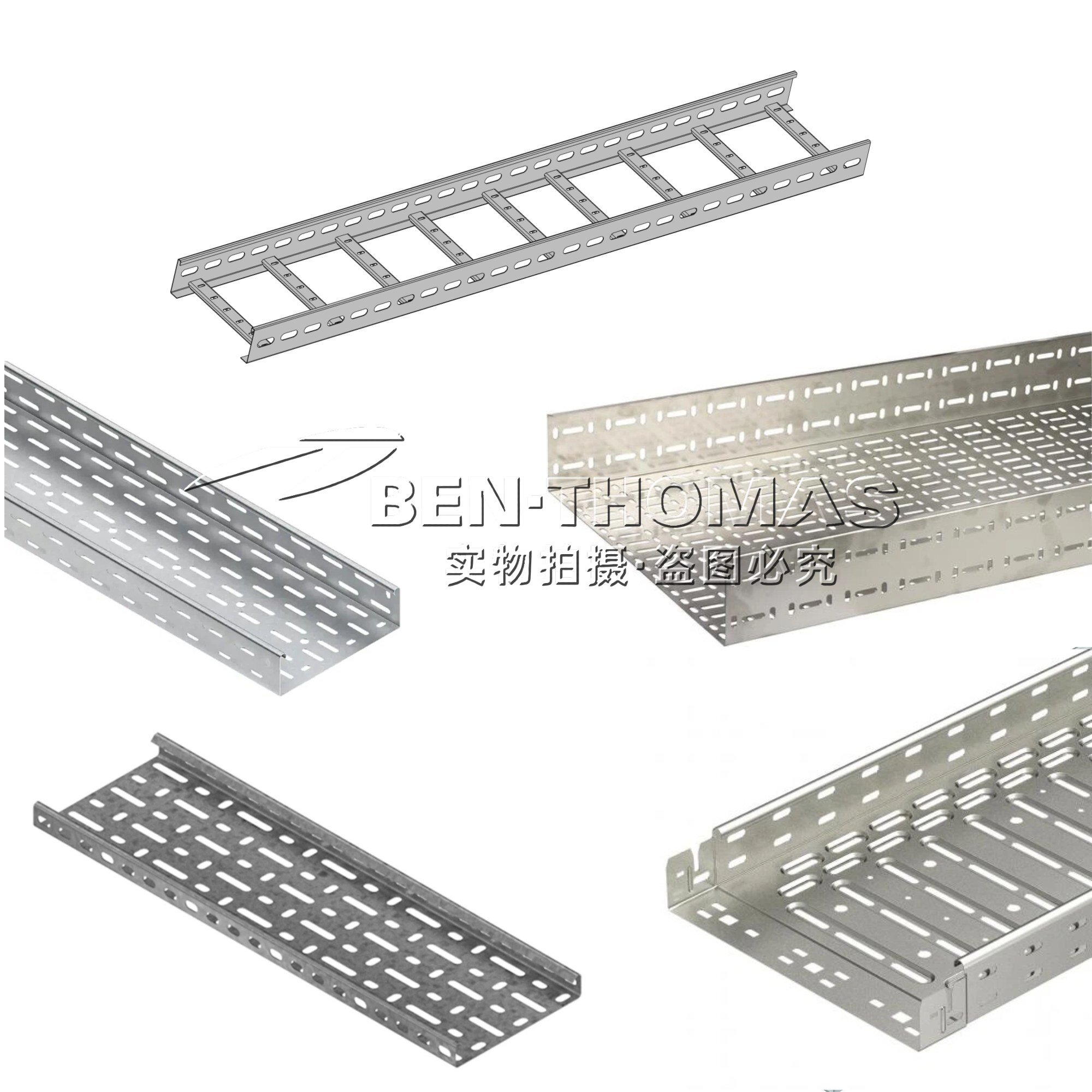
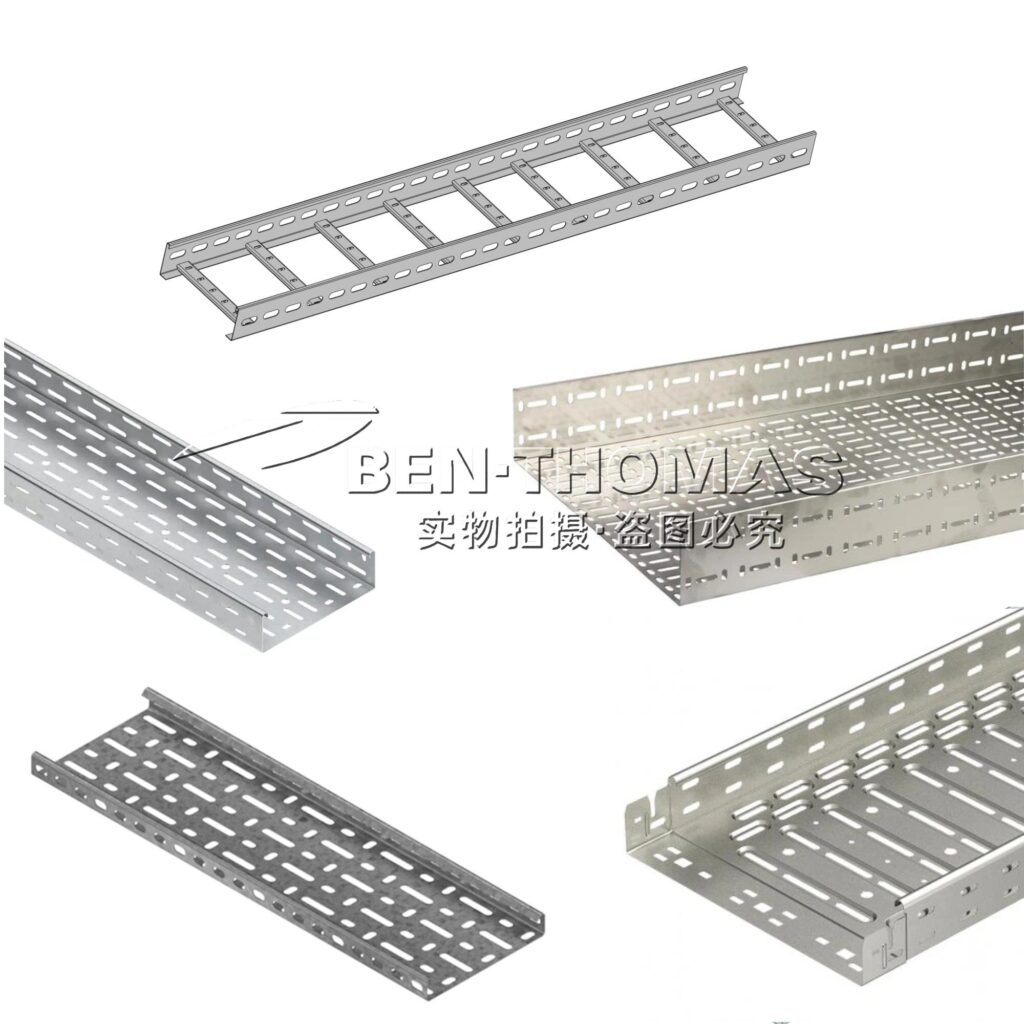
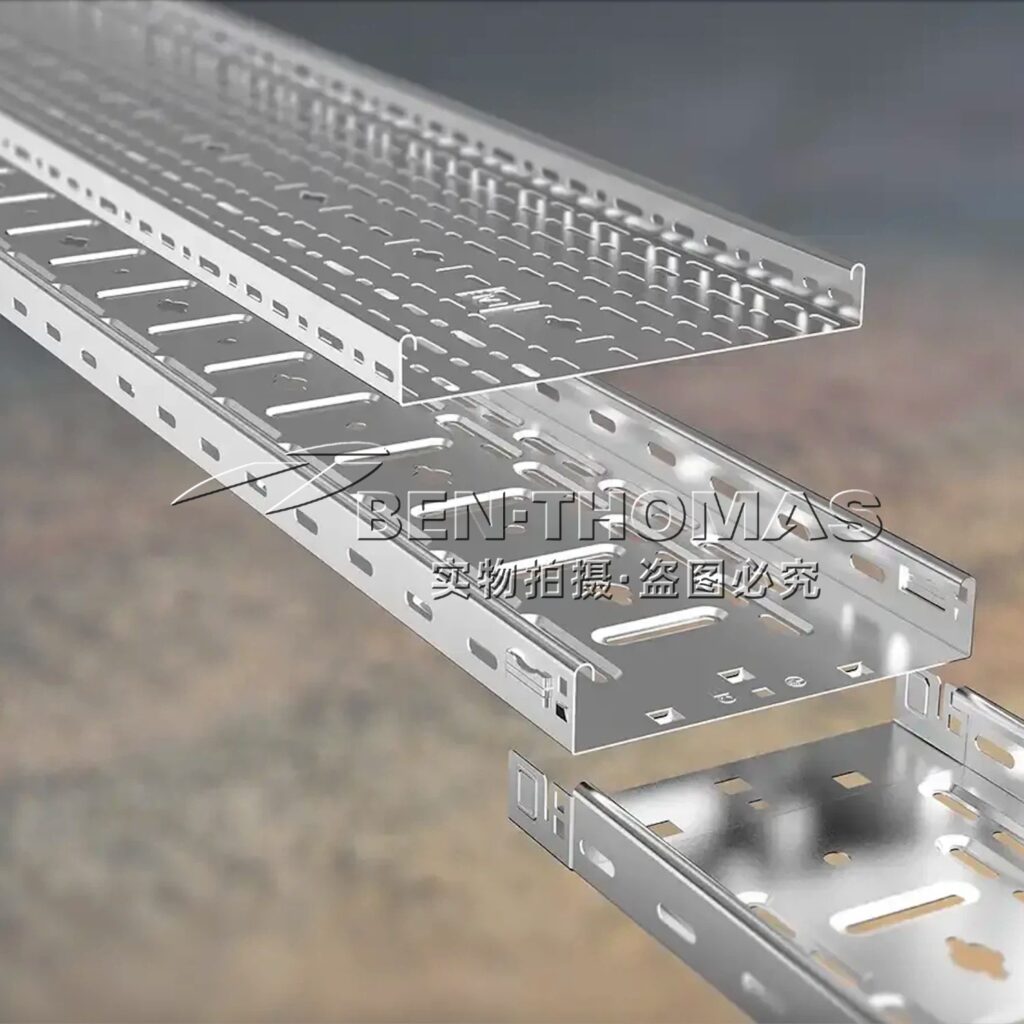
Automated Cable Trunking Production Line: High speed, precise hole punching (per client drawings), core components & production of cable trays/ladders for cable trenches & power tunnels.
Contact: Elise
Tel:+86-155 3281 7581
Email: elise@tgrfm.cn
Tel:+86-155 3281 7581
Email: elise@tgrfm.cn
Category: Cable tray production line
Description
For decades, cable management manufacturers relied on traditional manual or semi-automatic methods to produce metal cable trays and ladders—but today, the cable tray roll forming machine is revolutionizing the industry. But what’s the difference between traditional cable tray production methods and these automated lines? And why is automation the future of cable tray manufacturing? In this article, we’ll compare traditional methods to automated Cable Trunking Production Line, highlighting the advantages of automation, the core components of the machine, and its key performance features that make it superior for cable management applications.
First, let’s define the two approaches: traditional cable tray production involves manual or semi-automatic processes, such as manual bending, drilling, and cutting. This method requires significant human labor, with workers manually feeding metal sheets into bending machines, drilling holes by hand (often based on rough measurements rather than precise client drawings), and cutting the profiles to length. While this method was once common, it has several major drawbacks: it’s slow, prone to human error, inconsistent, and labor-intensive. For manufacturers looking to meet high-volume demands and strict client specifications, traditional methods simply can’t keep up.
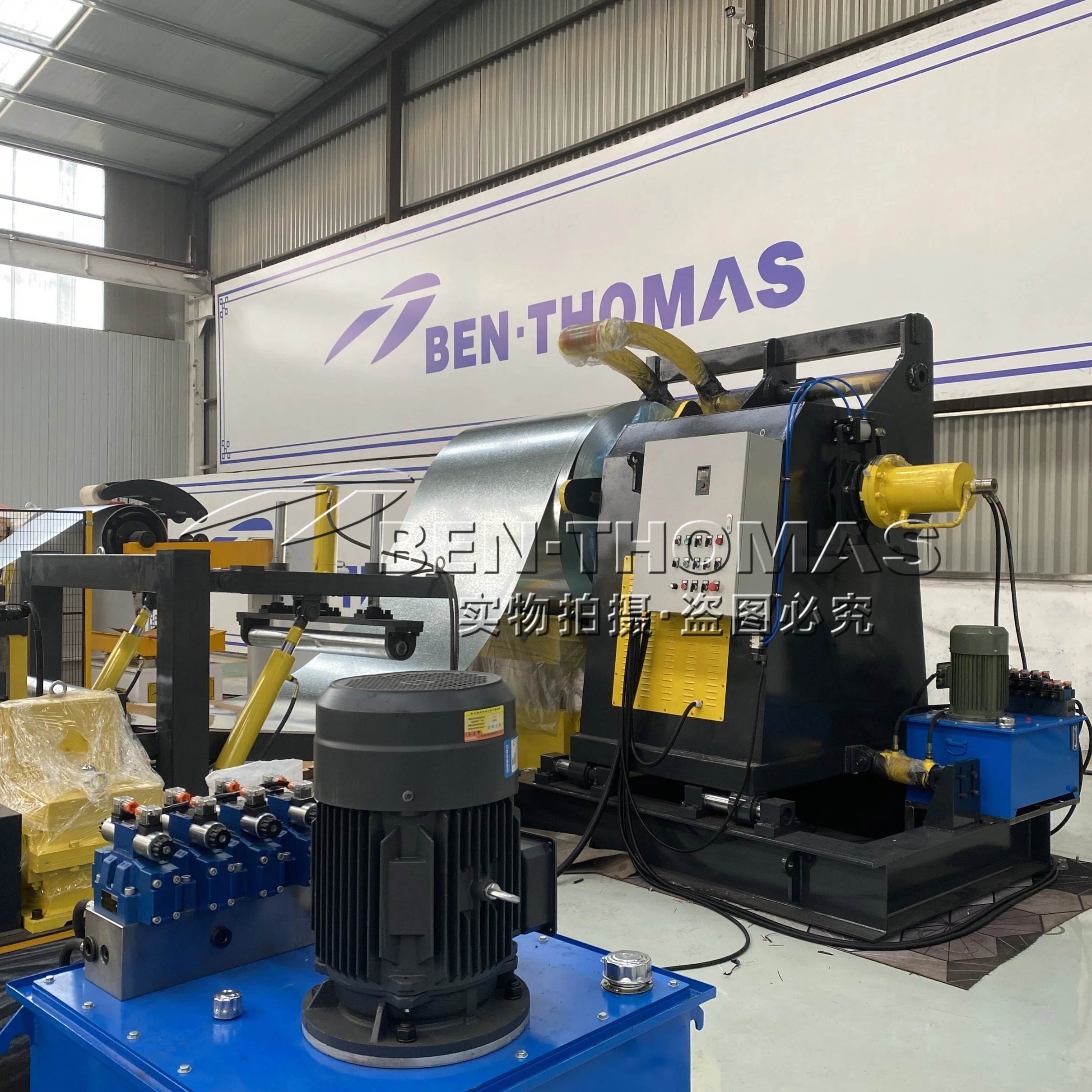
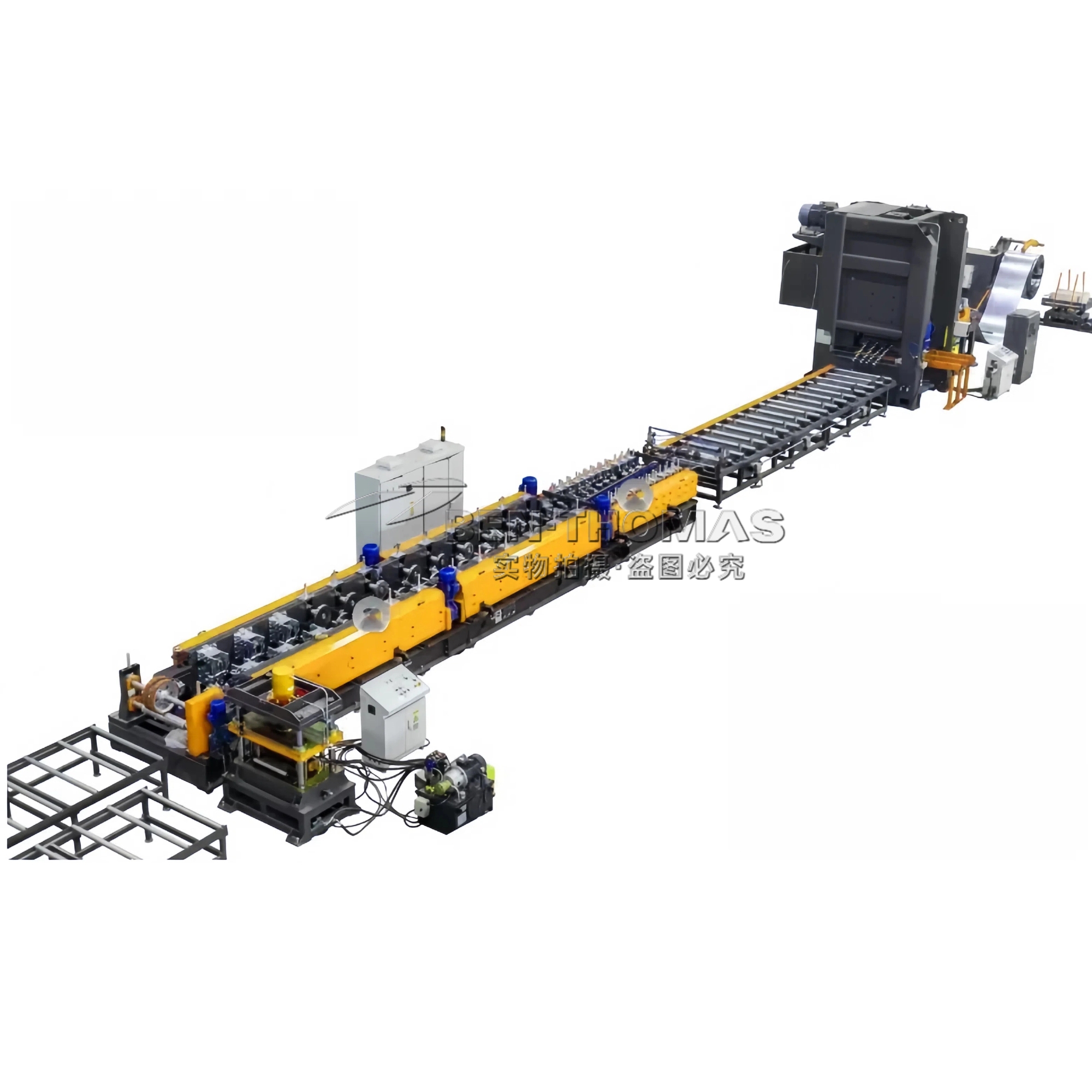
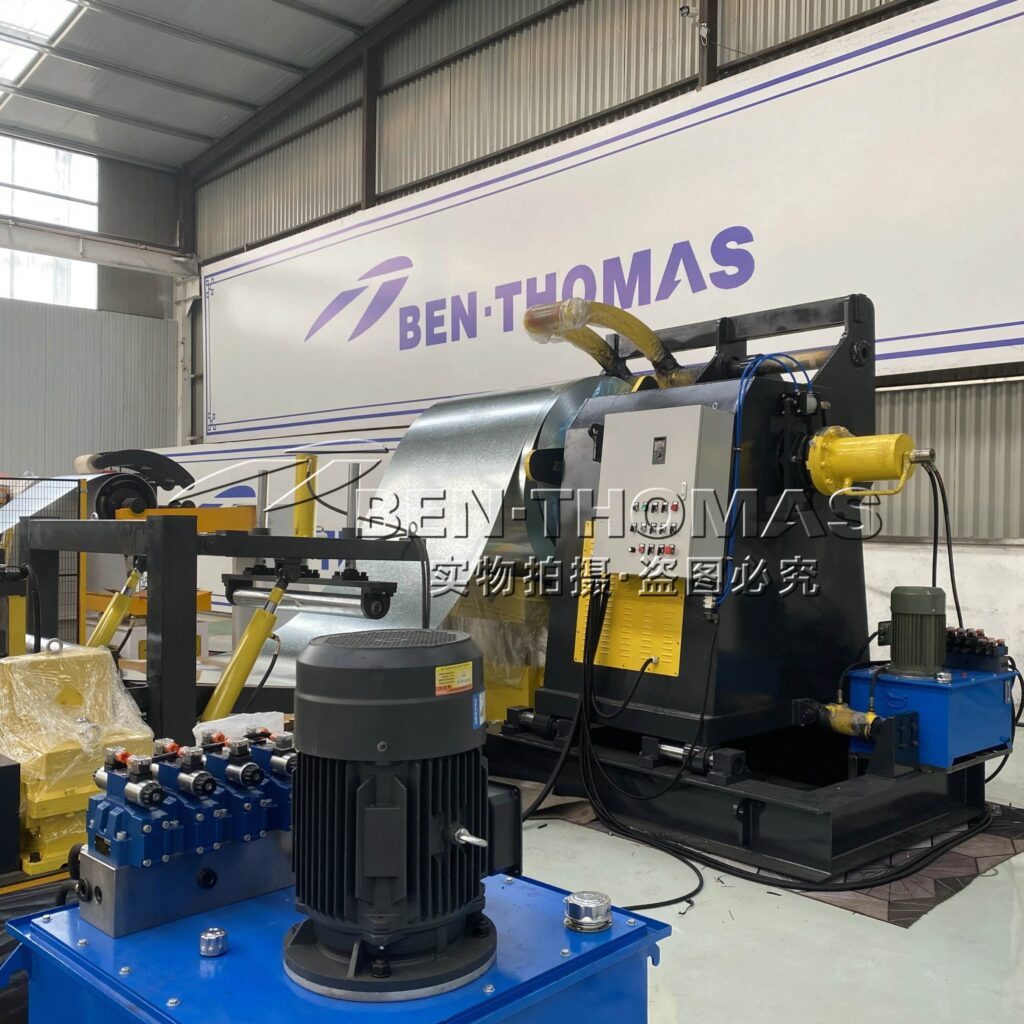
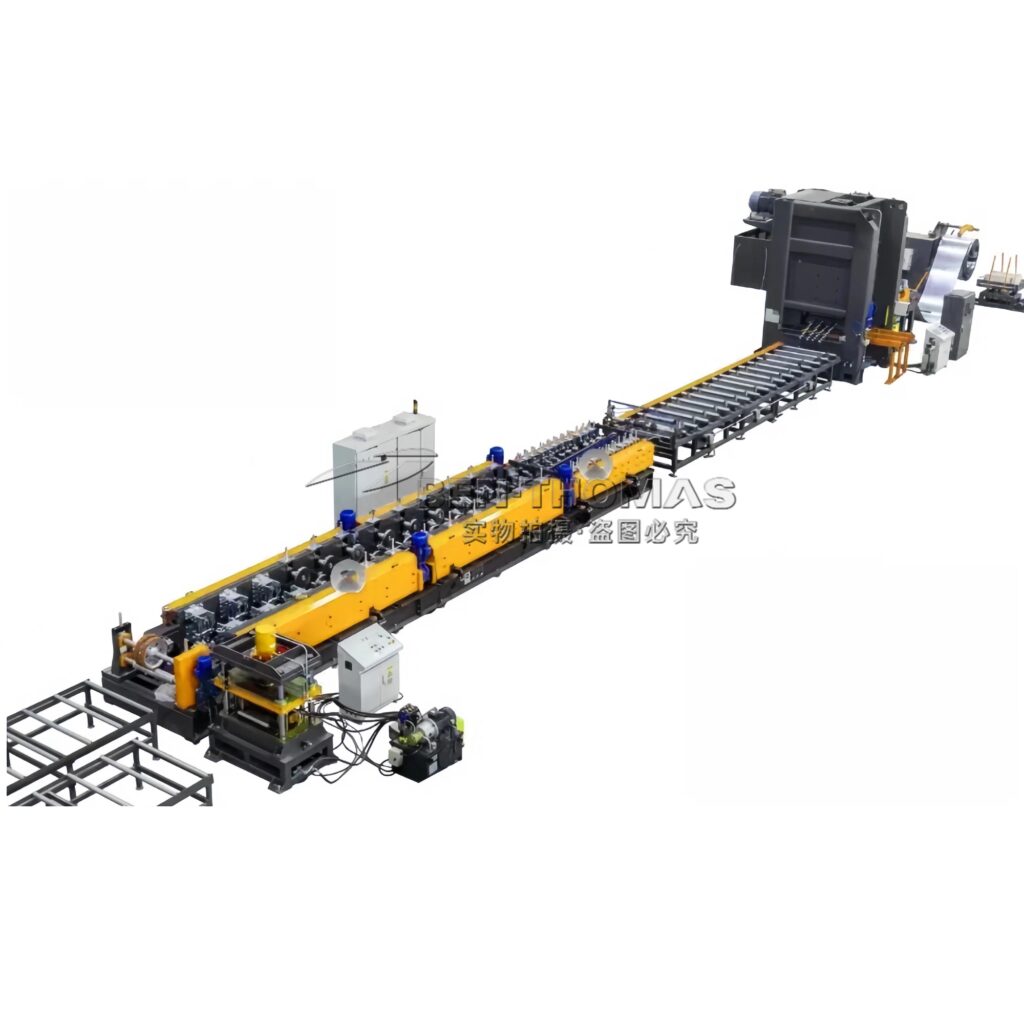
In contrast, a cable tray roll forming machine is a fully automated production line designed to produce cable trays, cable ladders, and similar profiles efficiently, precisely, and consistently. A high-quality cable tray roll forming machine is only as good as its components—and these machines are equipped with a complete set of advanced, high-efficiency components that work together seamlessly to deliver exceptional performance. The core components—decoiler, press punching unit, pre-cutting system, roll former, and automatic stacker—are all controlled by an advanced PLC system, which optimizes the entire production process and eliminates the need for manual intervention.
Let’s start with speed: traditional cable tray production methods are slow, with workers producing just a few cable trays or ladders per hour. In contrast, the cable tray roll forming machine operates at high speeds, with continuous forming speeds of 10-15 meters per minute and on-line punching speeds of 2.5-5 meters per minute. This enables continuous production of large quantities of cable management products—hundreds per hour—making it easy to meet the high-volume demands of large-scale projects. The machine’s continuous production capability also eliminates downtime between batches, further improving efficiency and reducing costs.
Precision is another key advantage of automated production lines. Traditional methods rely on human skill, which means there is a high risk of error—dimensions may be inconsistent, holes may be misaligned or the wrong size, and edges may be rough. This can lead to installation problems, material waste, and additional costs for rework. The cable tray roll forming machine, however, features precision-engineered components and advanced PLC control, ensuring that every cable tray or ladder has uniform dimensions, precise holes (based on client drawings), and smooth edges.
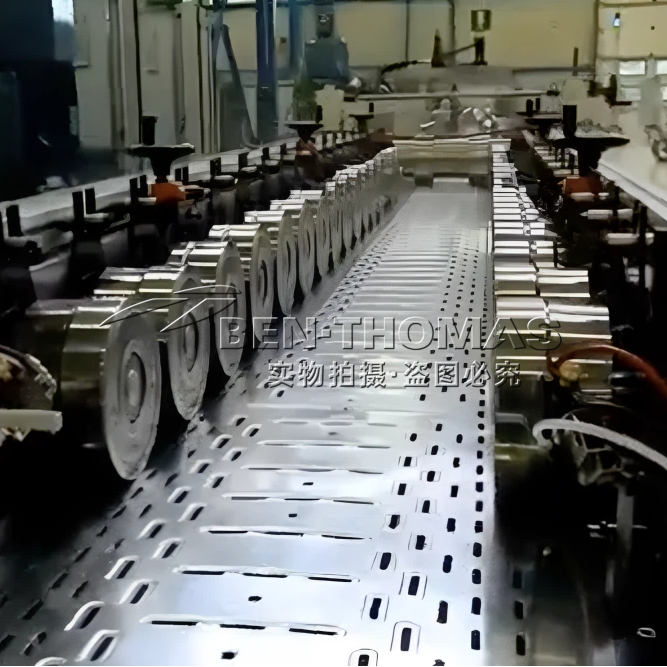
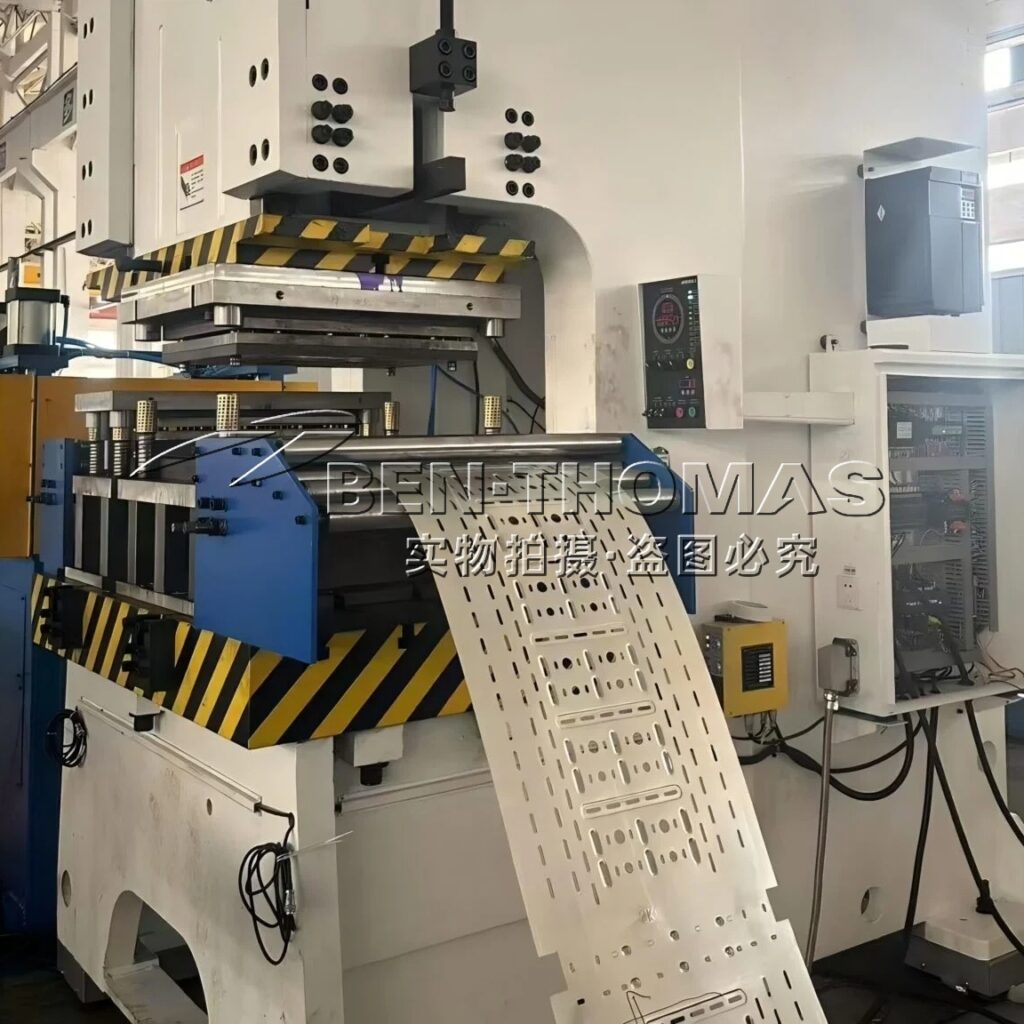
The press punching unit, equipped with high-quality punches and dies, delivers clean, precise holes with consistent spacing and size—something that manual drilling simply can’t match. The roll former’s sequential rollers bend the metal incrementally, preventing warping or cracking, while the pre-cutting system ensures that the metal sheet is perfectly sized for the desired profile. This precision ensures that the cable trays and ladders fit together perfectly during installation, reducing errors and saving time for contractors. Some advanced machines even achieve material利用率 of 95%以上, significantly reducing waste compared to traditional methods.
Automation also reduces labor costs significantly. Traditional cable tray production requires a team of workers to handle each step of the process, from feeding metal sheets to stacking finished products. The cable tray roll forming machine, however, requires minimal human intervention—only one or two operators are needed to monitor the machine and adjust settings. This reduces labor costs by up to 70% compared to traditional methods, while also minimizing the risk of workplace injuries, making the production process safer and more cost-effective.
The machine’s versatility is another advantage over traditional methods. Traditional machines are often limited to producing one type of cable tray or ladder, requiring manufacturers to invest in multiple machines for different specifications. The cable tray roll forming machine, however, can handle a range of metal thicknesses (up to 2.5mm) and widths (100mm to 860mm), and can switch between preset specifications quickly. This means manufacturers can produce a wide range of cable tray and ladder sizes, shapes, and hole patterns with a single machine—reducing equipment costs and saving factory space.
Finally, the machine’s high degree of automation ensures consistent quality. Traditional methods are prone to variations in quality due to human error, but the automated production line produces identical cable trays and ladders batch after batch. This consistency is critical for cable management, where structural integrity and fit are essential for safe cable routing. The PLC system also provides real-time monitoring of machine performance, allowing operators to identify and address any issues quickly, minimizing downtime and maximizing productivity.
In conclusion, the cable tray roll forming machine is far superior to traditional cable tray production methods. Its high speed, precision, automation, and versatility make it more efficient, cost-effective, and reliable—making it the future of cable tray manufacturing for the cable management industry. By investing in an automated production line, manufacturers can improve efficiency, reduce costs, and deliver high-quality, custom-made cable trays and ladders that meet the strict demands of modern construction and electrical projects.
Contact: Elise
Tel:+86-155 3281 7581
Email: elise@tgrfm.cn
Tel:+86-155 3281 7581
Email: elise@tgrfm.cn
- Get in touch
360 Degree For Your Roll Forming Needs!
Have questions about our roll forming lines, or partnership opportunities? Our team is ready to assist you with expert support and personalized solutions.
- CONTACT US