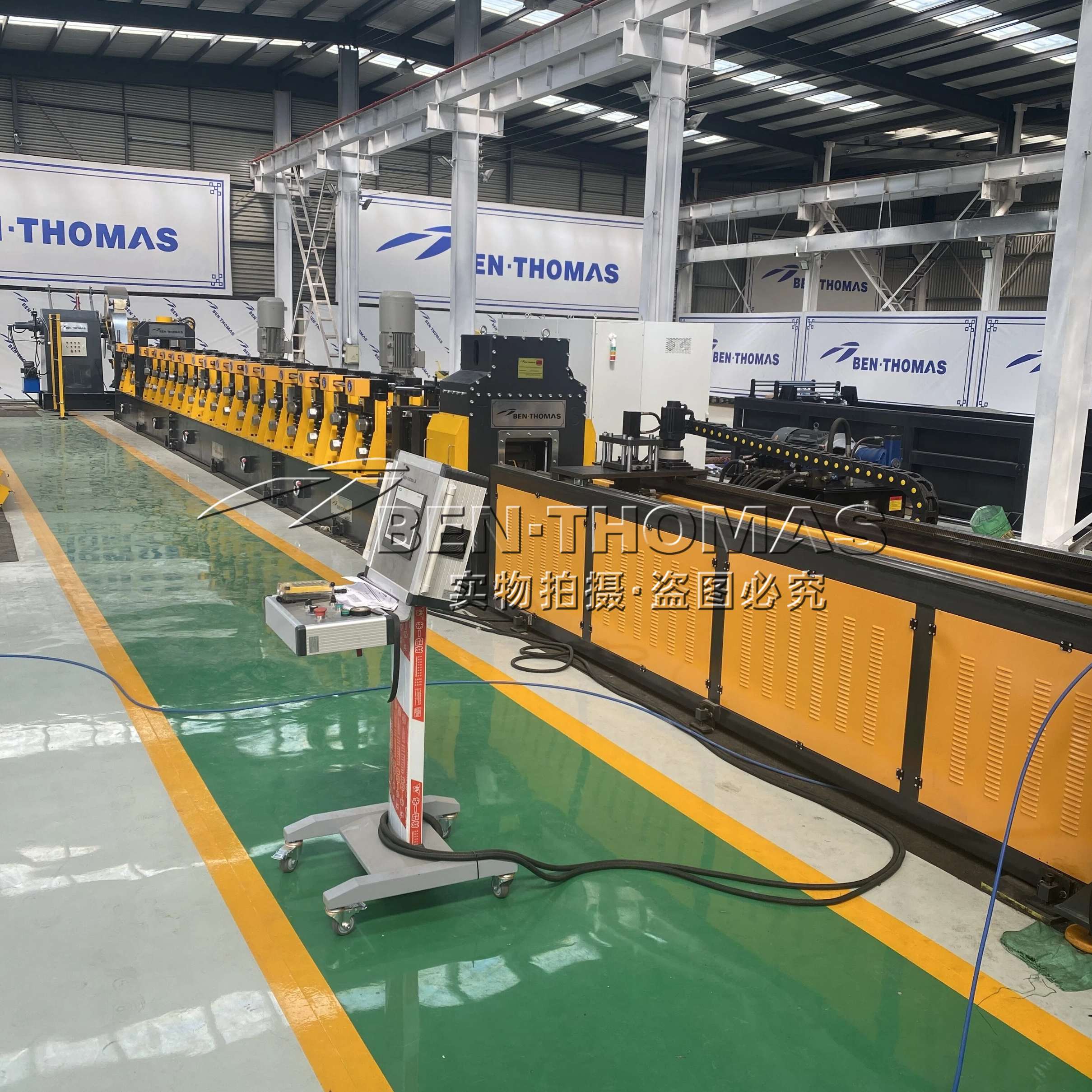
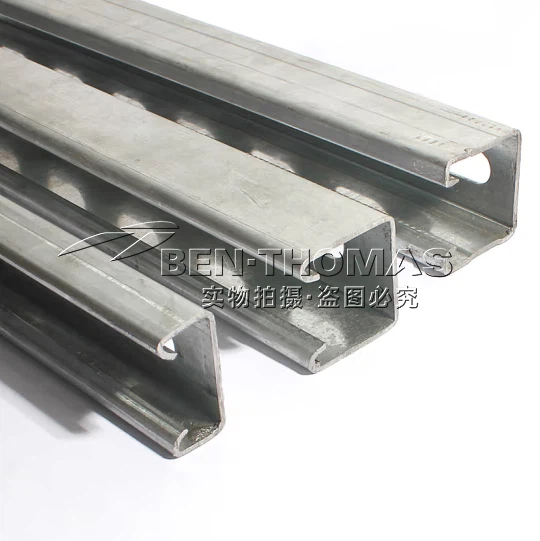
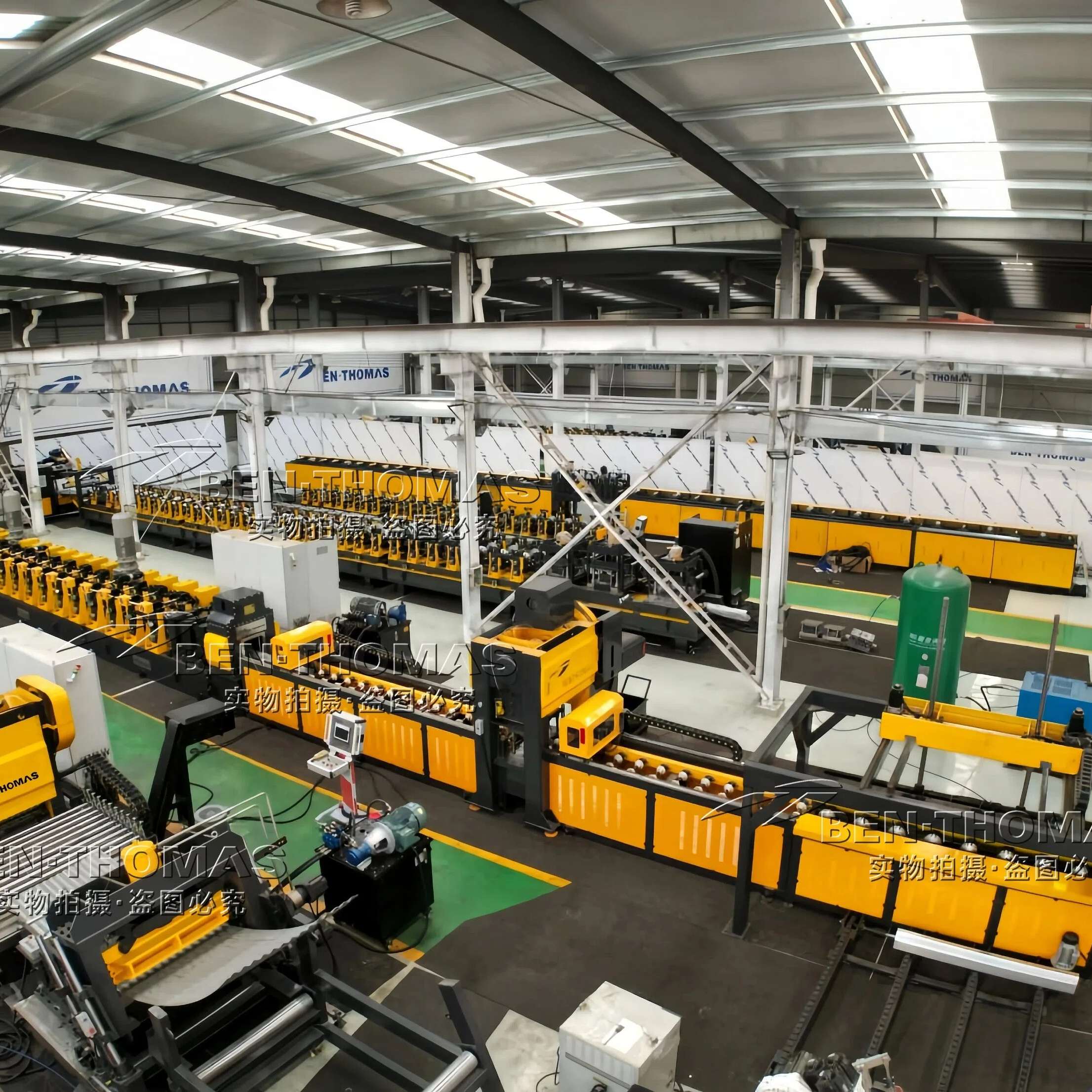
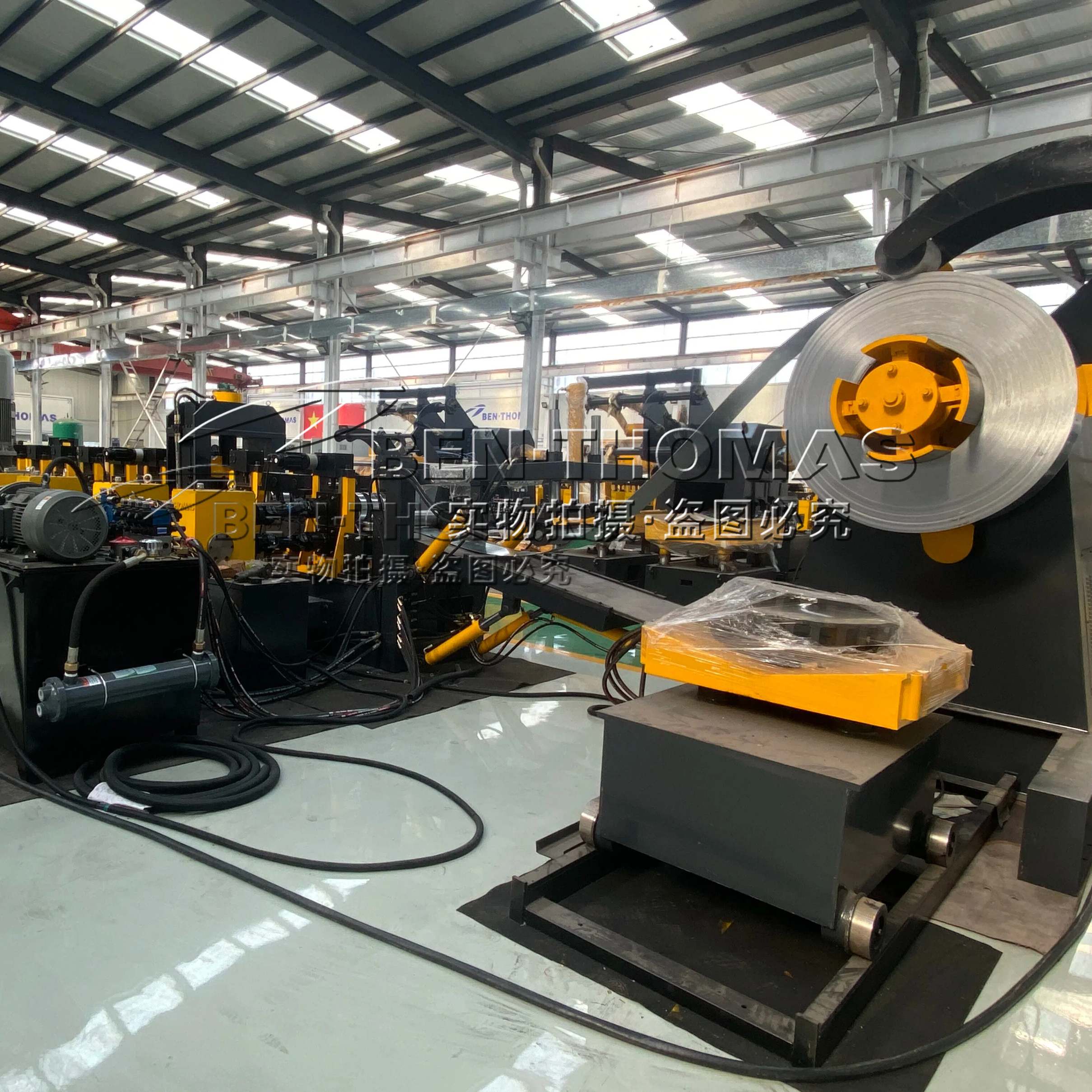
As the global demand for renewable energy accelerates, the need for efficient, cost-effective solar mounting systems has never been greater. Behind every solar farm—whether sprawling across acres of open land or perched atop commercial rooftops—lies a network of precisely engineered steel structures that support photovoltaic panels. The machine responsible for producing these critical components is the Roll Forming Machine for Unistrut Slotted Channel.
Definition
A solar PV mounting structure roll forming machine is a specialized, high-speed production line designed to continuously transform flat steel coils into precisely shaped profiles used for solar panel support systems. These profiles include mounting rails, purlins, posts, and ground screws—all engineered to withstand environmental loads such as wind, snow, and seismic activity while maintaining precise alignment for optimal solar panel orientation.
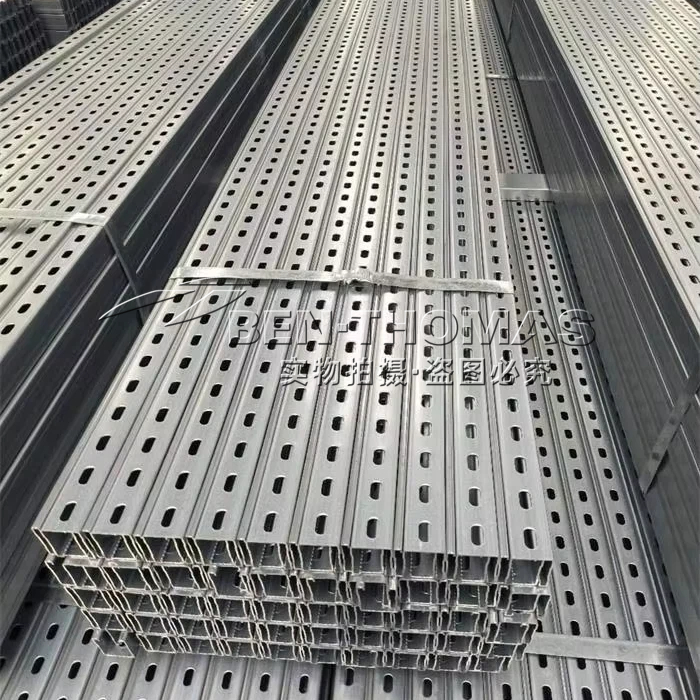
Unlike general-purpose roll formers, this equipment is tailored to handle the specific requirements of solar applications: corrosion-resistant materials (galvanized steel, aluminum, or stainless steel), complex hole patterns for module attachment, and high-volume production to meet the demands of utility-scale solar projects.
Core Components
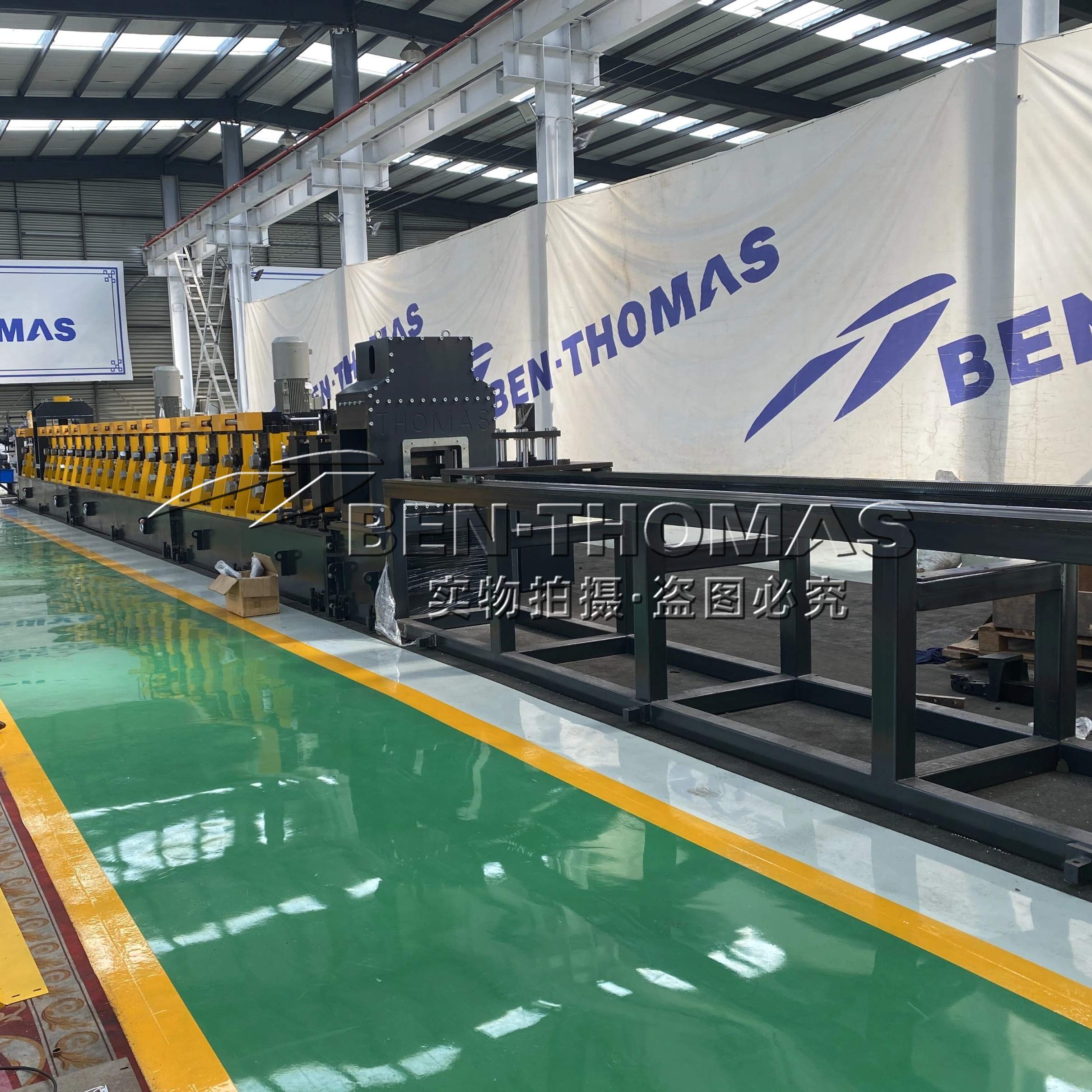
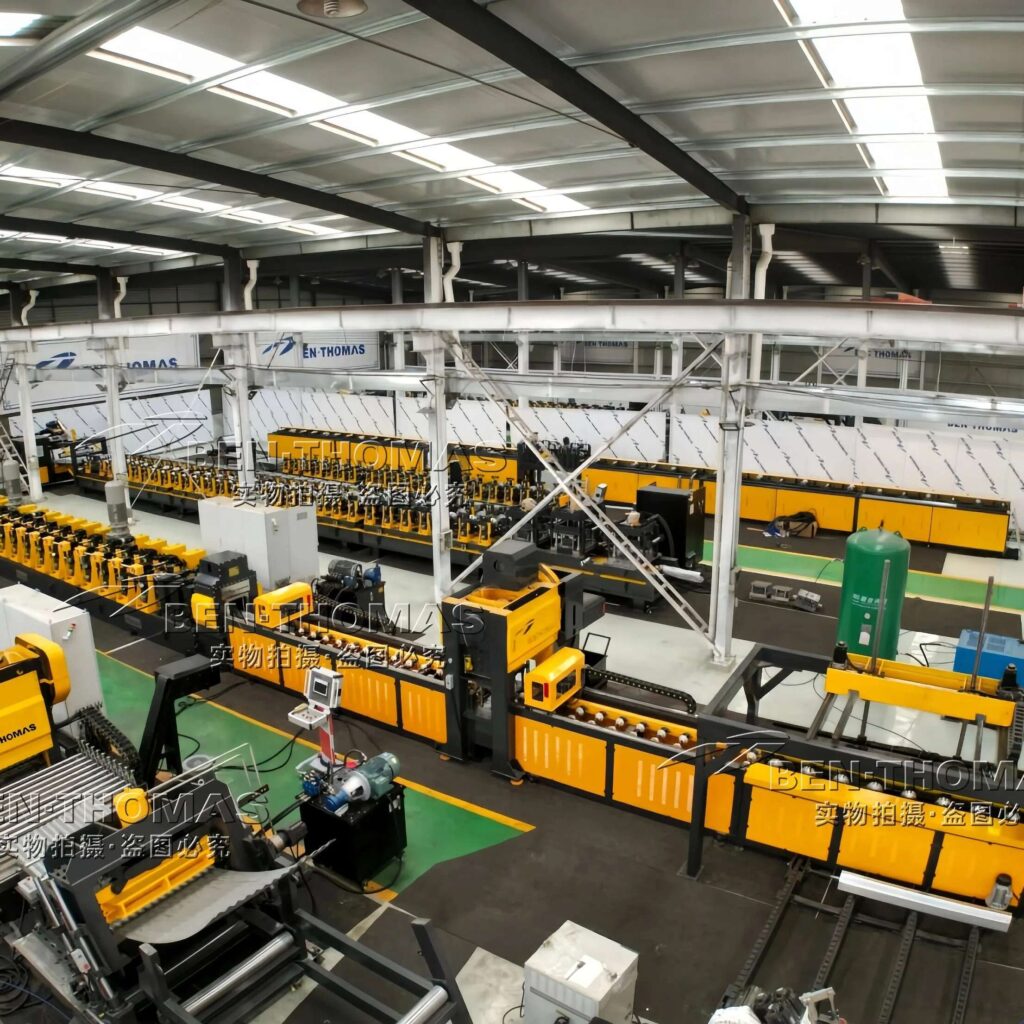
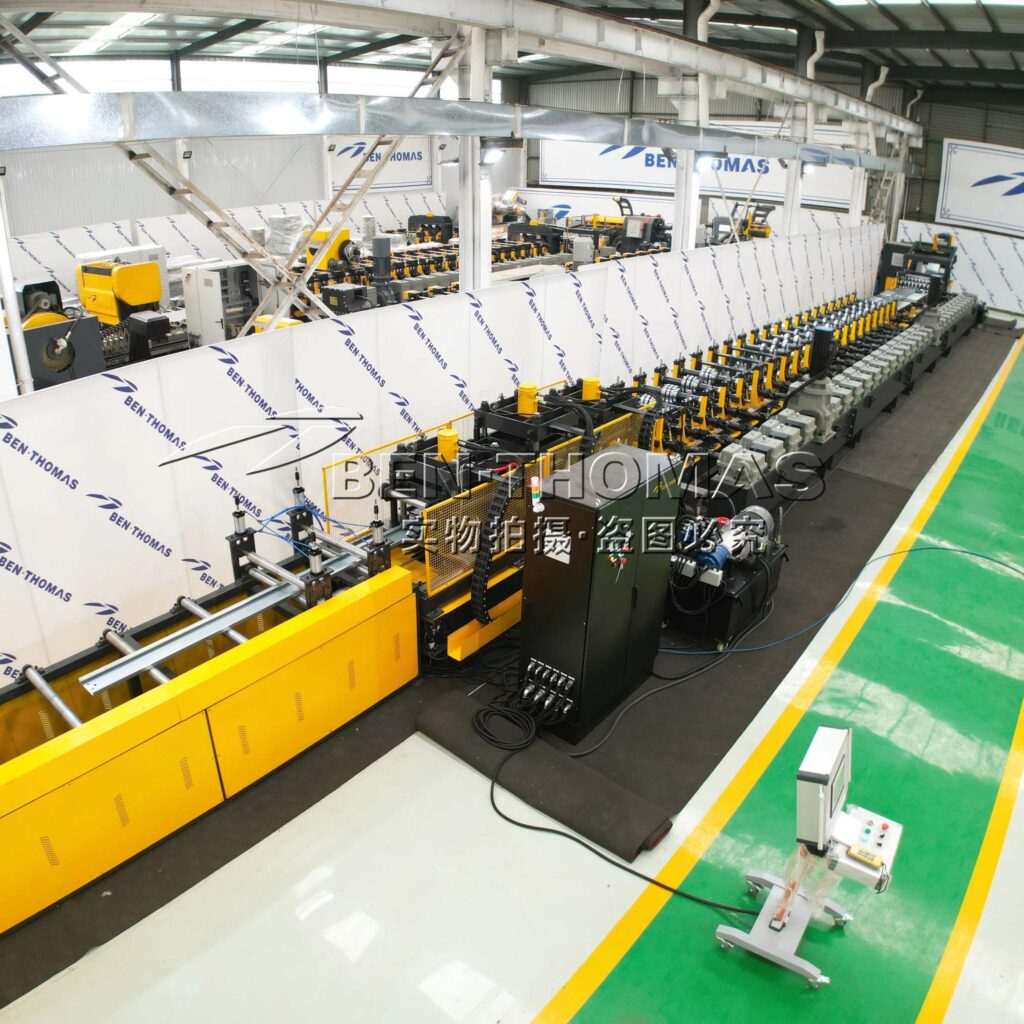
A complete solar PV mounting structure roll forming line consists of several integrated components operating in seamless synchronization:
-
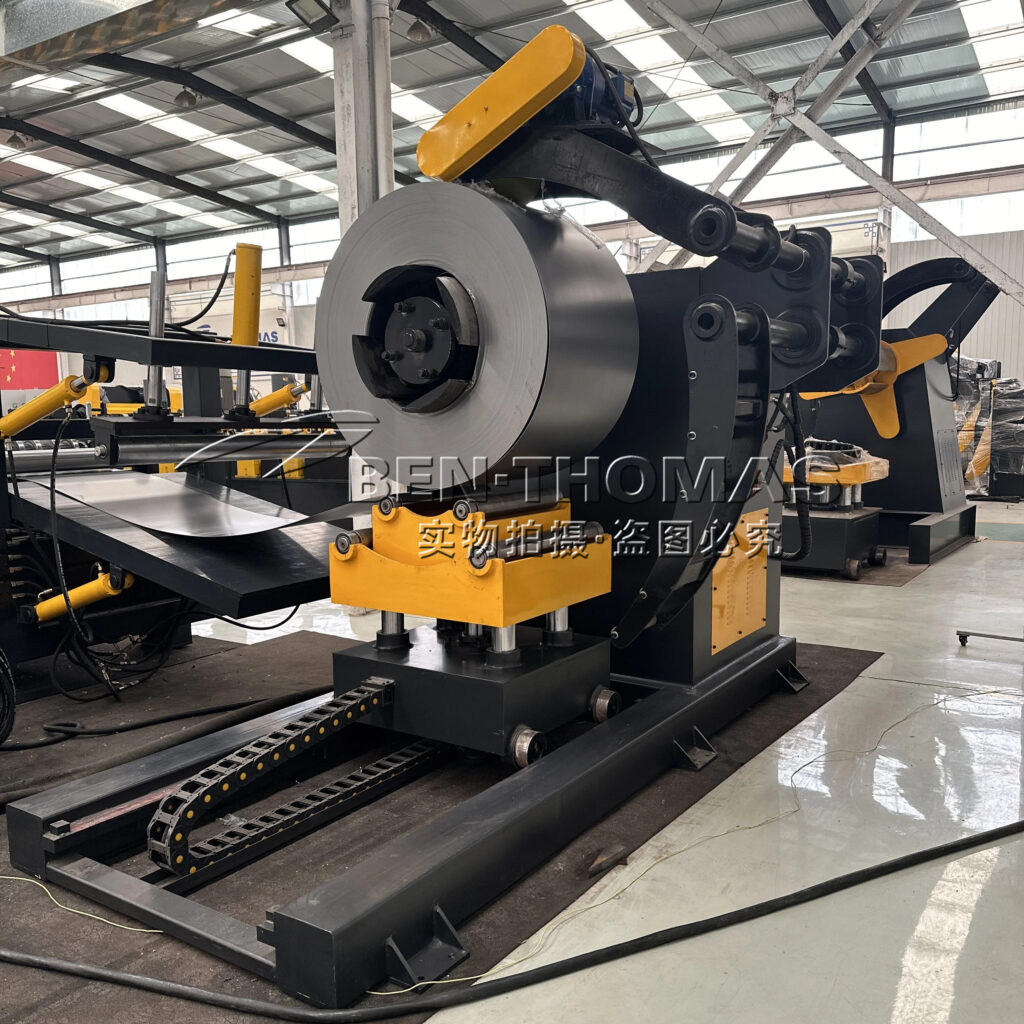
Hydraulic Uncoiler: The production process begins with a heavy-duty uncoiler capable of supporting steel coils weighing 5 to 15 tons. Equipped with hydraulic expansion mandrels and a braking system, it ensures controlled, consistent feeding of the metal strip into the line. A loop control system (dancer arm or looping pit) maintains proper tension, preventing material stretching or deformation during high-speed operation.
-
Servo-Driven Punching & Notching Unit: Before forming, the flat strip passes through a high-precision punching unit. This station performs critical operations such as creating mounting holes for PV module clamps, grounding holes, splice connection points, and alignment notches. The servo-driven design allows for programmable hole patterns with micron-level accuracy, enabling the production of customized racking systems based on project-specific engineering drawings. Some advanced units feature multiple punching presses that can switch tooling in milliseconds to accommodate different hole shapes and spacing patterns.
-
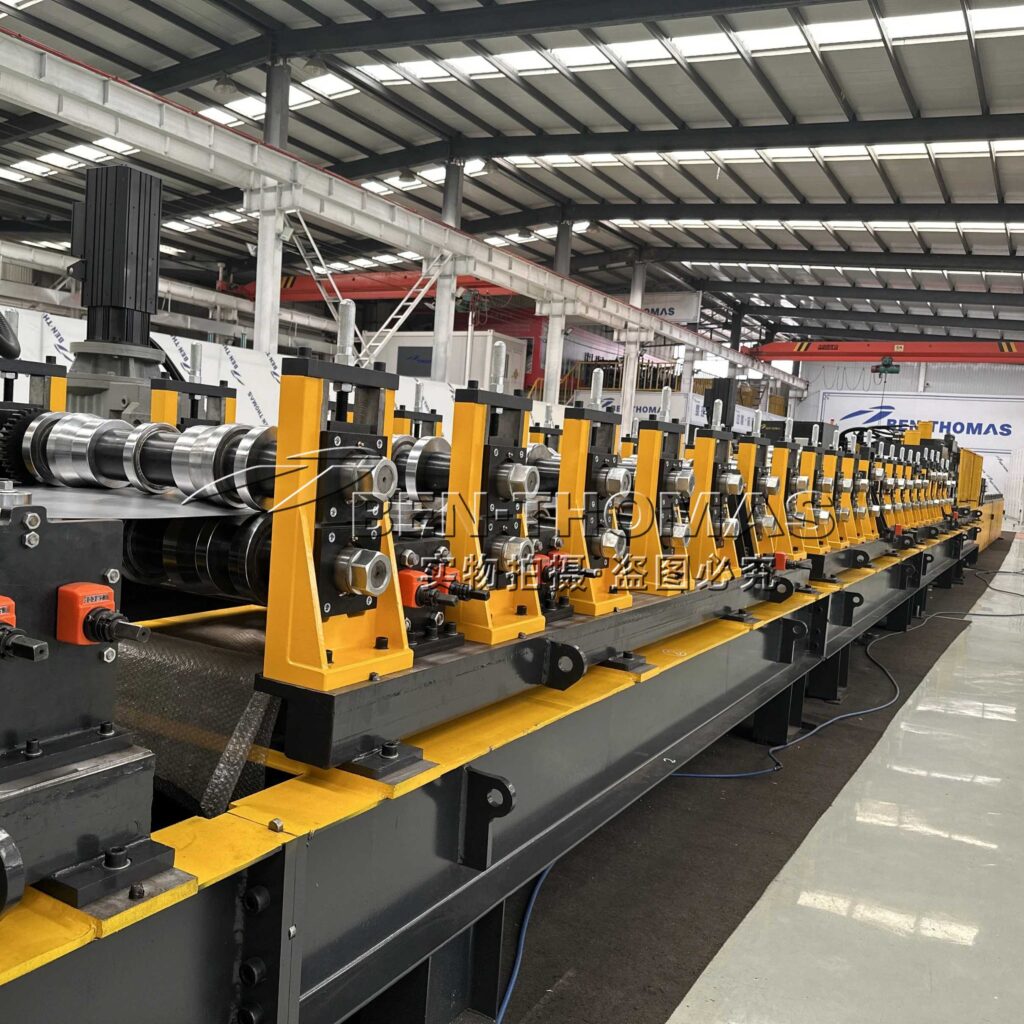
Main Roll Forming Machine: The heart of the line consists of multiple progressive forming stands—typically 18 to 24 stands—each containing precisely machined rollers that gradually bend the flat strip into the final profile. Common solar mounting profiles include:
-
C-rails: Used as horizontal purlins supporting PV modules
-
Z-purlins: Employed for overlapping connections in long-span applications
-
Hat channels: Utilized for low-profile rooftop mounting
-
Ground screws: Helical profiles for foundation systems
Rollers are typically crafted from high-grade bearing steel (GCr15) with hard chrome plating for wear resistance, ensuring consistent profile geometry over millions of cycles.
-
Flying Cut-Off Press: After forming, the continuous profile is cut to precise lengths using a servo-driven flying cut-off press. This unit moves synchronously with the moving strip, allowing for uninterrupted high-speed operation. Cutting tolerances are typically maintained within ±0.5mm to 1.0mm, ensuring that each rail or post meets the exact length requirements specified in the project bill of materials.
-
Optional Automatic Stacker: To streamline downstream handling, an automatic stacker can be integrated. This system receives finished profiles, counts them, and arranges them into neat bundles for packaging and shipping. Magnetic separators and layer padding options help prevent surface scratching—critical for maintaining the corrosion resistance of galvanized coatings.
Performance Parameters at a Glance
By combining these components into a synchronized production line, manufacturers can achieve continuous, high-volume output of solar mounting components with consistent geometry—essential for meeting the tight tolerances required by solar project developers and installers.
Contact: Elise
Tel:+86-155 3281 7581
Email: [email protected]